Storm Recovery 101: What to Do When Trees Fall on Your Property

October 15, 2025

Severe storms can arrive with little warning, bringing high winds, heavy rain, and lightning that can cause significant damage to trees. When a tree or large branch falls on your property, it can be overwhelming and even dangerous to handle. Knowing what steps to take in the hours immediately following the incident can make the recovery process safer and more efficient. At Midwest Tree Surgeons, we specialize in storm damage cleanup and emergency tree removal, helping homeowners and property managers restore safety and peace of mind quickly after a storm.
Step One: Stay Safe and Assess from a Distance

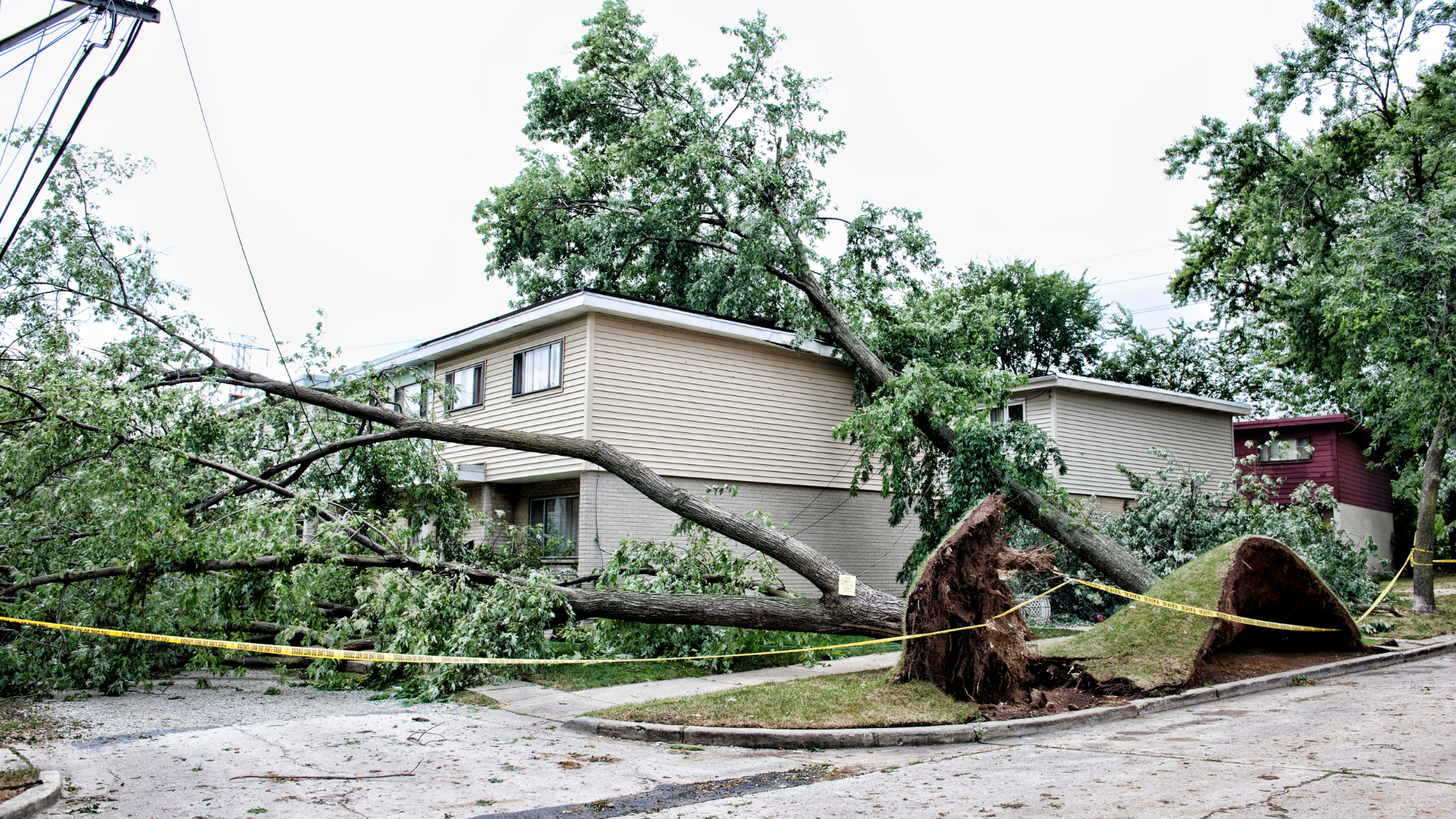
Safety must always come first. If a tree has fallen near a power line or utility pole, do not approach it under any circumstances. Downed lines can remain energized and pose a severe risk of electrocution. Contact your utility company immediately to report any potential hazards.


Even when no power lines are involved, it is important to approach cautiously. Fallen trees may have hidden tension points where branches or trunks can shift unexpectedly. Loose soil, sharp limbs, and unstable root systems can all create dangerous conditions. Assess the situation from a safe distance before making any decisions.
Step Two: Document the Damage

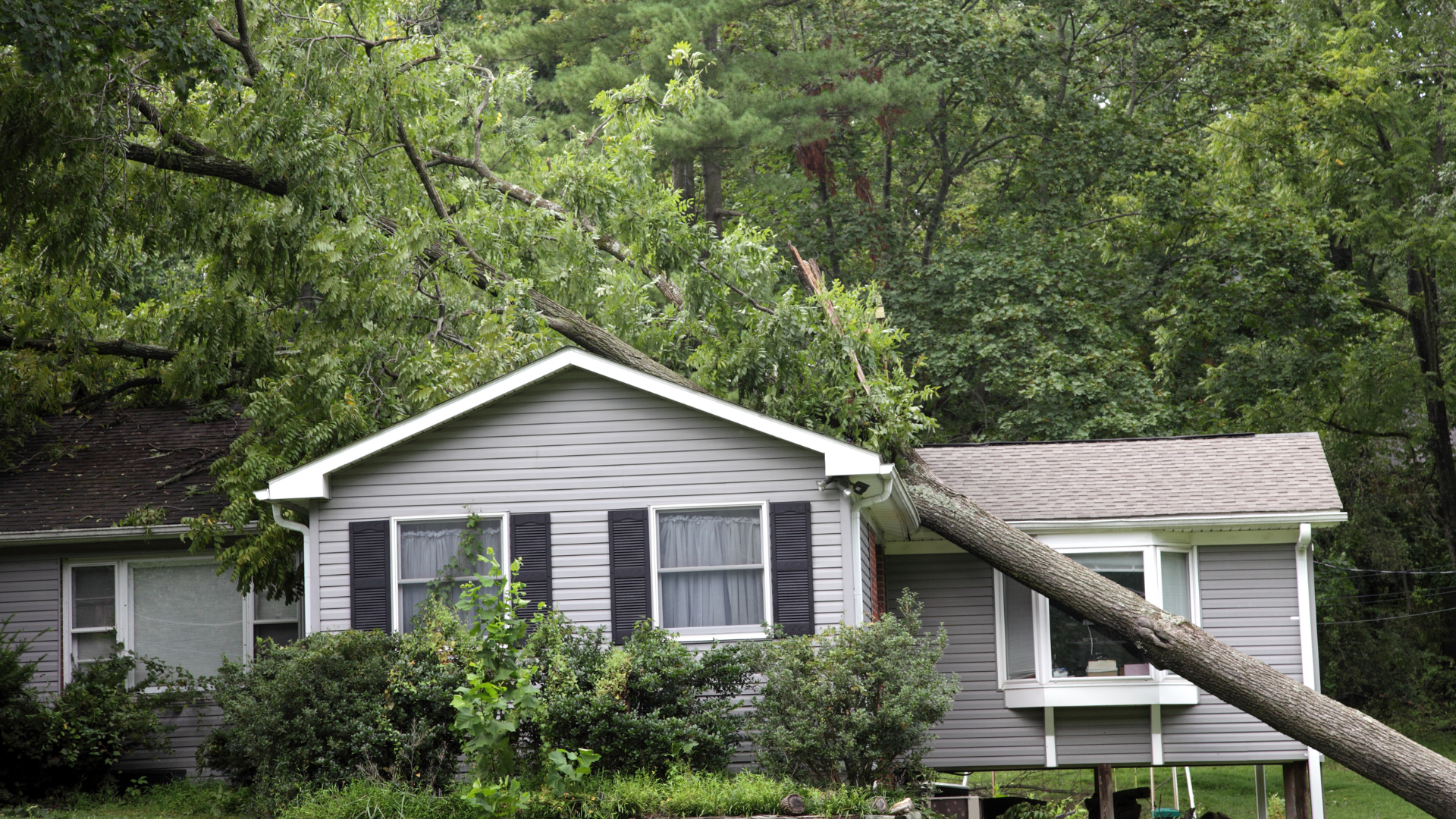
Once it is safe to do so, take photographs of the fallen tree and any damage to structures, fences, or vehicles. These images are valuable for insurance claims and will help both your insurance provider and your tree care professionals understand the full extent of the situation. Be sure to include multiple angles, showing where the tree originated and how it impacted the surrounding area.


If your property is insured, contact your insurance company as soon as possible. Most policies cover storm-related damage, including tree removal, particularly when the fallen tree caused harm to covered structures. Your insurer may require an inspection before work begins, so documentation is key.
Step Three: Call a Professional Tree Service

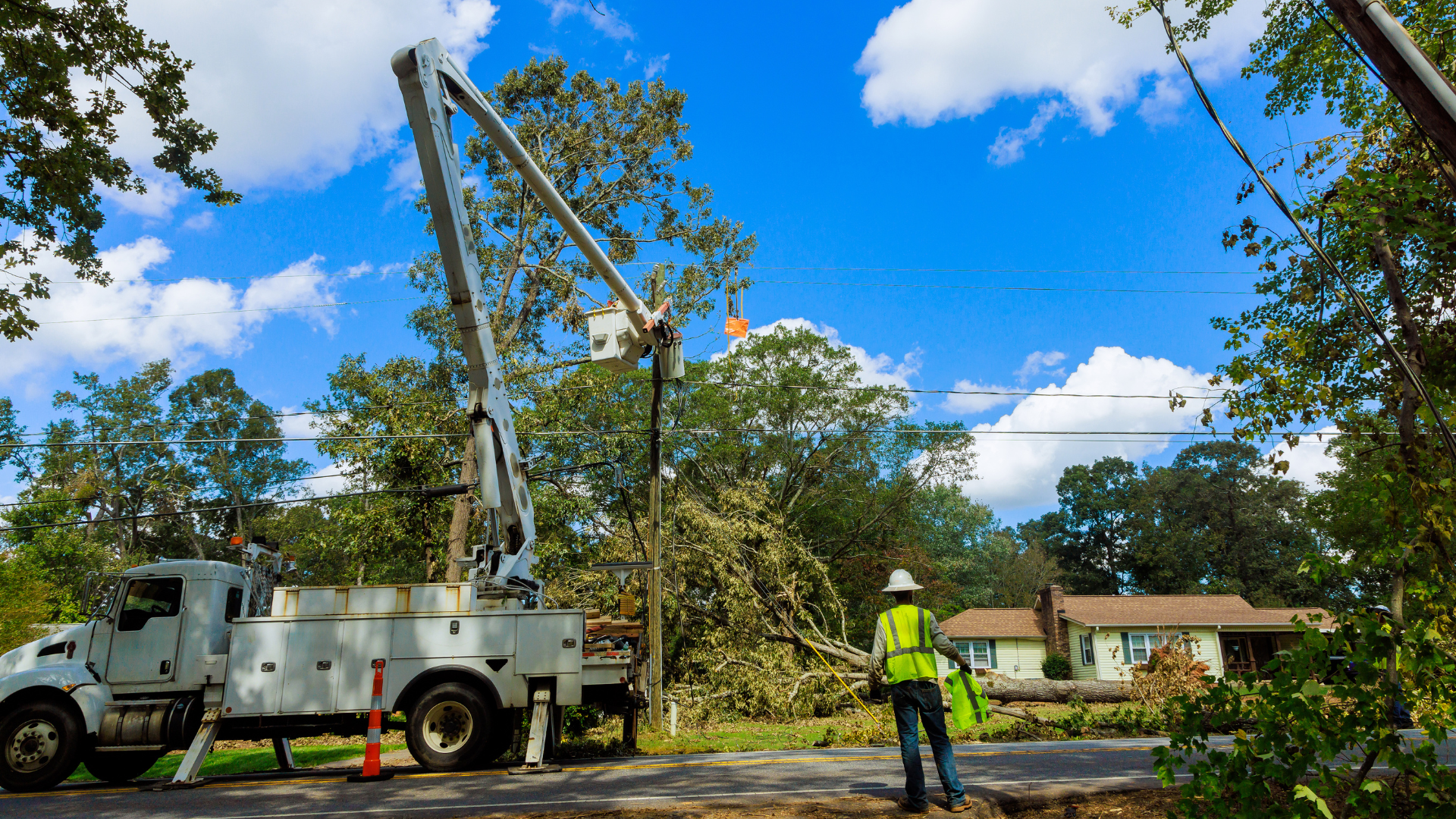
Removing a fallen or partially fallen tree is a task that should always be handled by trained professionals. Attempting to cut or move large limbs without proper equipment or experience can result in serious injury or further property damage. As Certified Arborists, we have the tools, training, and experience to safely remove storm-damaged trees and debris.


Our team uses specialized equipment to stabilize unstable trunks, section large trees carefully, and prevent additional impact to structures or landscaping. We also perform a complete safety inspection of the remaining trees to identify potential hazards that could pose future risks.
Step Four: Prevent Additional Damage

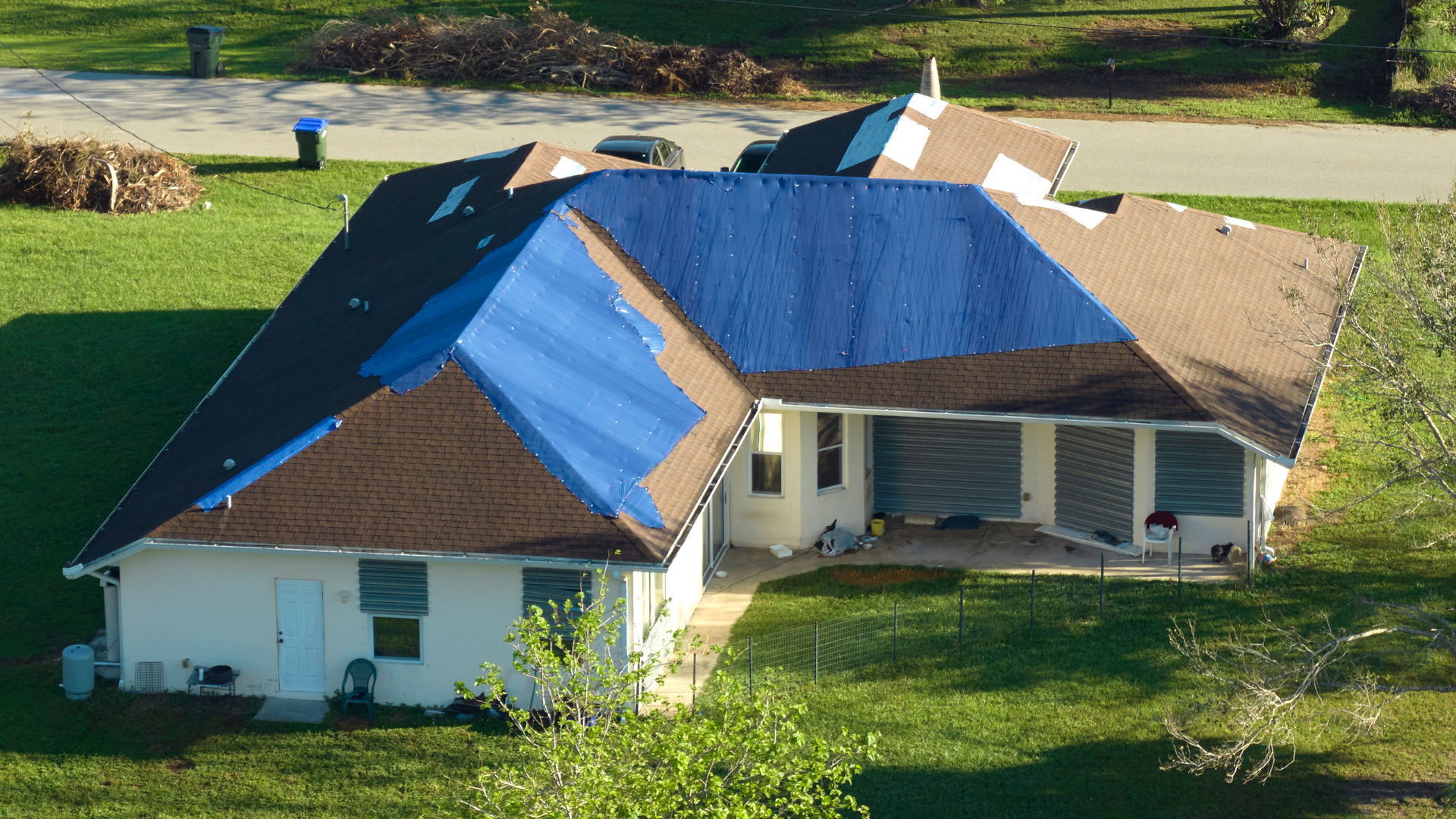
If the fallen tree has damaged your roof, siding, or fencing, it is important to secure the area as soon as possible. Temporary measures such as tarps or fencing can help protect your home from rain or further structural issues while you wait for full repairs.


Professional tree removal services also help prevent secondary problems such as pest infestations or rot. When fallen trees are left unattended, moisture buildup can attract insects and create conditions for decay, which can spread to nearby healthy trees. Prompt cleanup ensures that your property remains safe and your landscape continues to thrive.
Step Five: Schedule a Post-Storm Tree Inspection

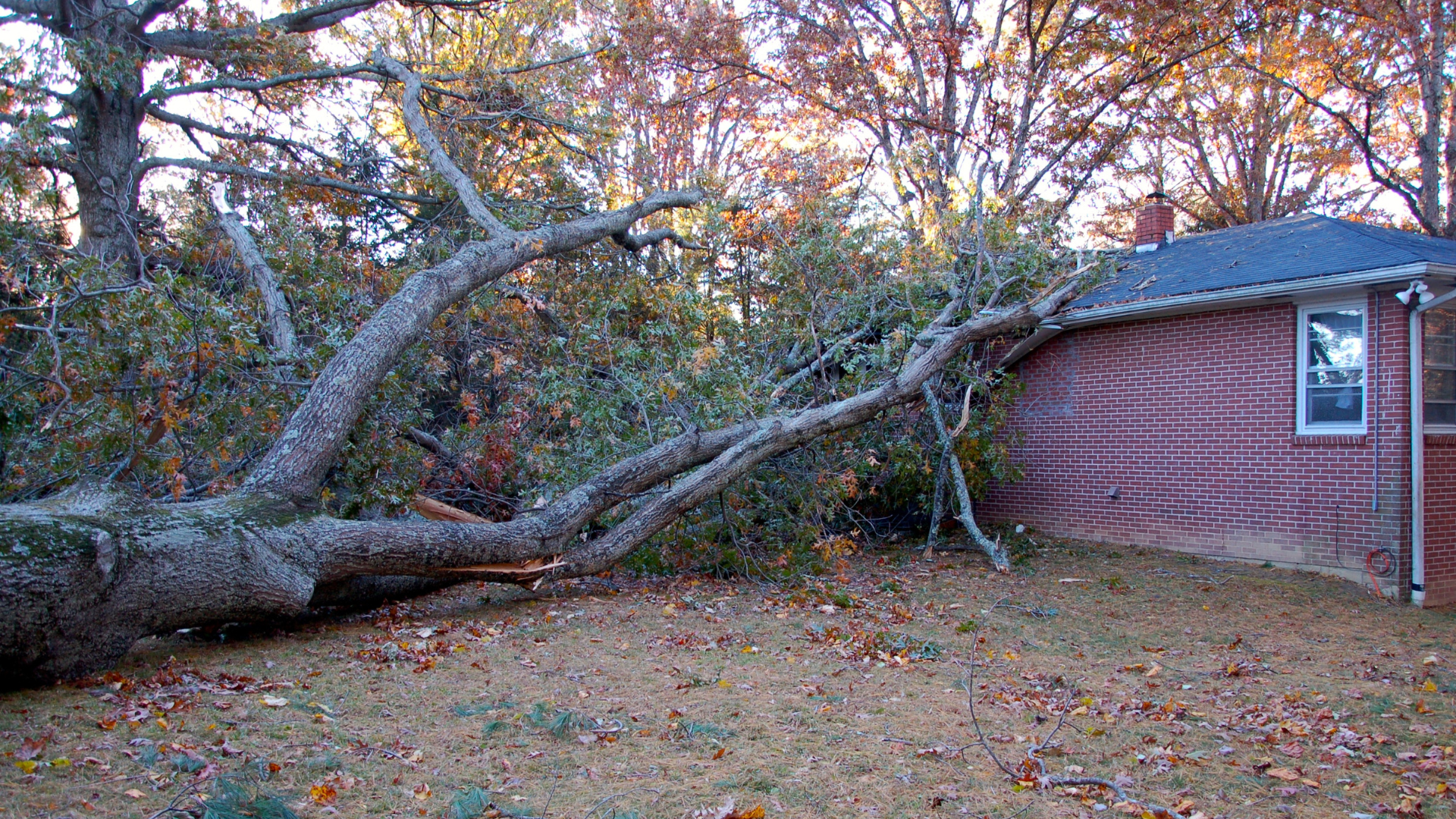
After major storms, even trees that appear unharmed may have internal cracks, root instability, or hidden damage. Scheduling a professional inspection with certified arborists can identify weaknesses early and prevent future hazards.


At Midwest Tree Surgeons, our post-storm assessments include evaluating soil conditions, checking for structural imbalance, and recommending pruning or removal when necessary. We help homeowners understand which trees are at risk and which can be preserved through careful maintenance.
Restoring Safety and Peace of Mind

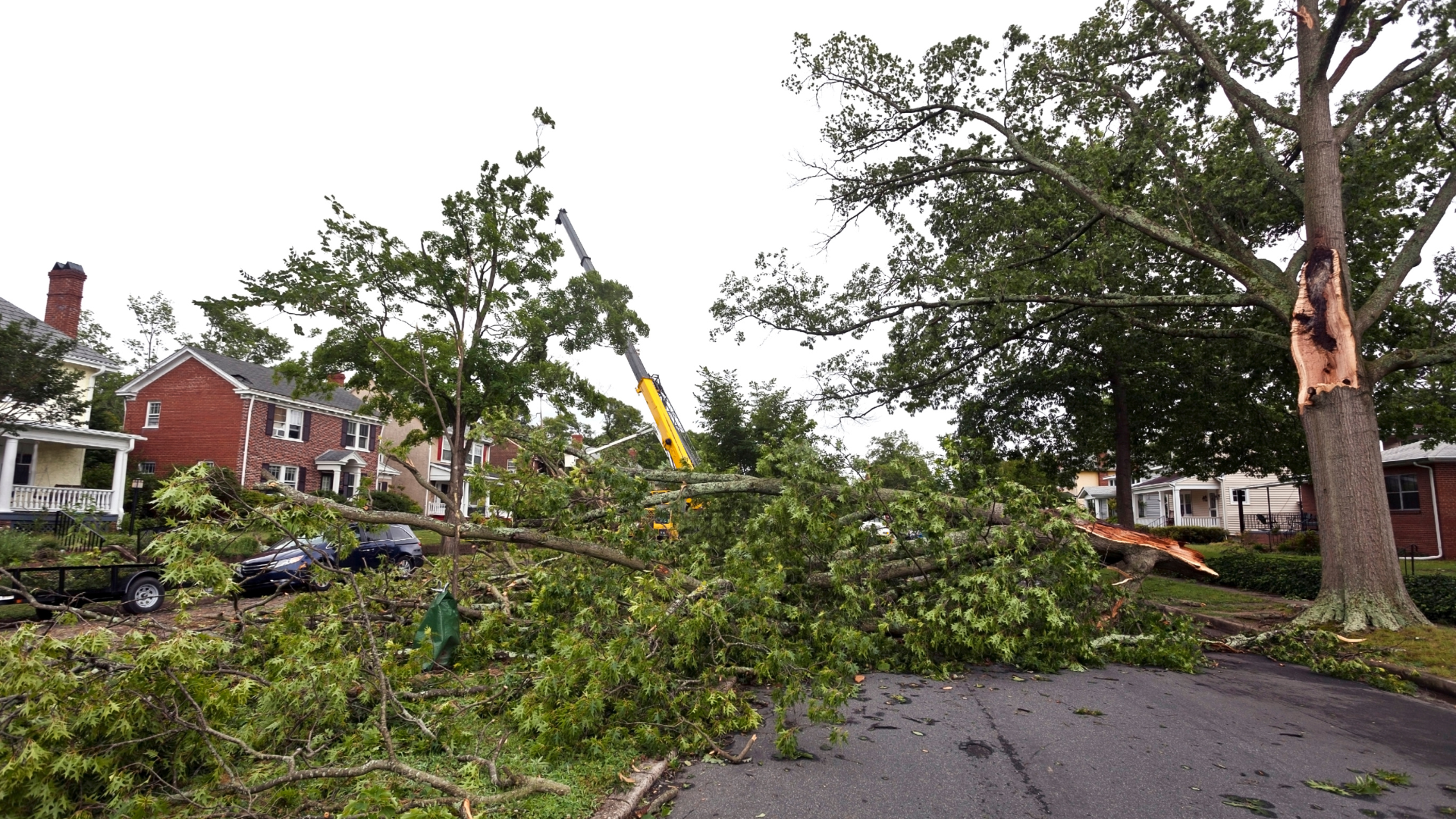
Storm damage can be stressful, but with the right steps and professional help, your property can be restored safely and efficiently. The key is to act quickly, prioritize safety, and trust experienced professionals who know how to handle complex removals.


At Midwest Tree Surgeons, we take pride in providing emergency response and storm recovery services throughout the region. Our commitment to safety, environmental responsibility, and quality workmanship ensures that every property we serve is left secure, clean, and ready to recover.


If a storm has left you with fallen or damaged trees, contact our team for immediate assistance. We will handle the cleanup so you can focus on what matters most—getting life back to normal.
February 4, 2026
Construction projects often focus on what is being built, but the impact on existing trees is frequently overlooked. Whether the work involves a home addition, driveway replacement, utility installation, or commercial development, construction activity can place significant stress on mature trees . Understanding how these projects affect trees helps property owners protect valuable landscape assets and avoid long term safety and health issues.
January 29, 2026
Major weather changes can place significant stress on trees, even when no obvious damage is visible. In the Midwest, trees regularly experience rapid shifts in temperature, heavy rain, high winds, ice, snow, and freeze-thaw cycles. While trees are resilient by nature, these conditions can weaken their structure and health over time.  Evaluating tree health after major weather events is an important step in protecting both the trees themselves and the surrounding property.
January 21, 2026
Trees add beauty, shade, and value to a property, but they also carry responsibility. When a tree fails and causes damage or injury, homeowners are often surprised to learn that liability can become a serious issue. Understanding how tree failure occurs and how responsibility is determined helps property owners take proactive steps to protect both people and property.
January 15, 2026
As winter fades and warmer temperatures return, spring becomes one of the most important seasons for proactive tree care. Trees begin a new growth cycle , pests become active, and issues that developed during winter storms or freezing conditions often start to reveal themselves. Planning ahead for spring tree care helps protect tree health, improve safety, and set the stage for strong growth throughout the year.
January 7, 2026
Deadwood accumulation is one of the most common and overlooked safety concerns in mature trees. While a tree may appear healthy at a glance, dead branches within the canopy can present serious risks to people and property below. At Midwest Tree Surgeons, we frequently encounter situations where deadwood has gone unnoticed until it causes damage or creates a dangerous condition. Understanding how deadwood develops and why it poses increasing hazards over time is essential for responsible property ownership.
December 30, 2025
The start of a new year is a natural time to think about safety, preparedness, and long term planning for your property. Many homeowners focus on interior projects or general maintenance goals, but one of the most important aspects of property safety is often overlooked. Tree care plays a critical role in protecting homes, vehicles, and the people who live there. At Midwest Tree Surgeons, we encourage property owners to make tree care part of their New Year planning.
December 26, 2025
The Christmas season is often associated with reflection, preparation, and planning for the year ahead. While many homeowners focus on indoor projects or holiday travel, winter is also an important time to think about the health and safety of trees on the property. At Midwest Tree Surgeons, we frequently see that proactive winter planning helps homeowners enter the new year with greater peace of mind and fewer unexpected tree related concerns.
December 16, 2025
In the Midwest, trees are exposed to some of the most challenging seasonal conditions in the country. One of the most significant stressors is the repeated freeze and thaw cycle that occurs from late fall through early spring. While trees are naturally adapted to cold weather, fluctuating temperatures can place considerable strain on their structure, root systems, and overall health. At Midwest Tree Surgeons, we regularly assess trees that have been impacted by these seasonal shifts and help property owners understand how freeze and thaw patterns affect long term tree stability.
December 9, 2025
Drought conditions place significant strain on trees, even in landscapes that typically receive adequate rainfall. When moisture becomes scarce, trees begin to redirect their energy toward survival rather than growth. This shift may create visible and invisible stress signals that, if ignored, can lead to long term decline or structural weakness. At Midwest Tree Surgeons, we help homeowners understand how drought affects tree health and what proactive steps can protect valued landscape trees before the damage becomes severe.
December 3, 2025
Trees provide shade, beauty, privacy, and environmental benefits, but they also require proper care to remain healthy and structurally safe. Many homeowners do not realize how complex tree care can be or how significantly improper techniques can affect long term tree health. When individuals attempt to handle tree work on their own or hire someone without professional training, the risk of property damage, personal injury, and irreversible harm to the tree increases considerably. Hiring certified tree professionals ensures that every aspect of tree care is handled with precision, safety, and long term health in mind.
More Posts