Why Tree Removal Is Sometimes the Safest Option

March 25, 2026

Trees add beauty, shade, and value to a property, but there are situations where keeping a tree is no longer the safest or most practical choice. Many homeowners prefer to preserve trees whenever possible, and in many cases, proper care and maintenance can extend a tree’s lifespan. However, when a tree becomes structurally compromised, diseased, or poses a risk to people and property, removal may be the most responsible decision.


Understanding when tree removal is necessary can help prevent accidents, reduce property damage, and protect the overall health of a landscape.
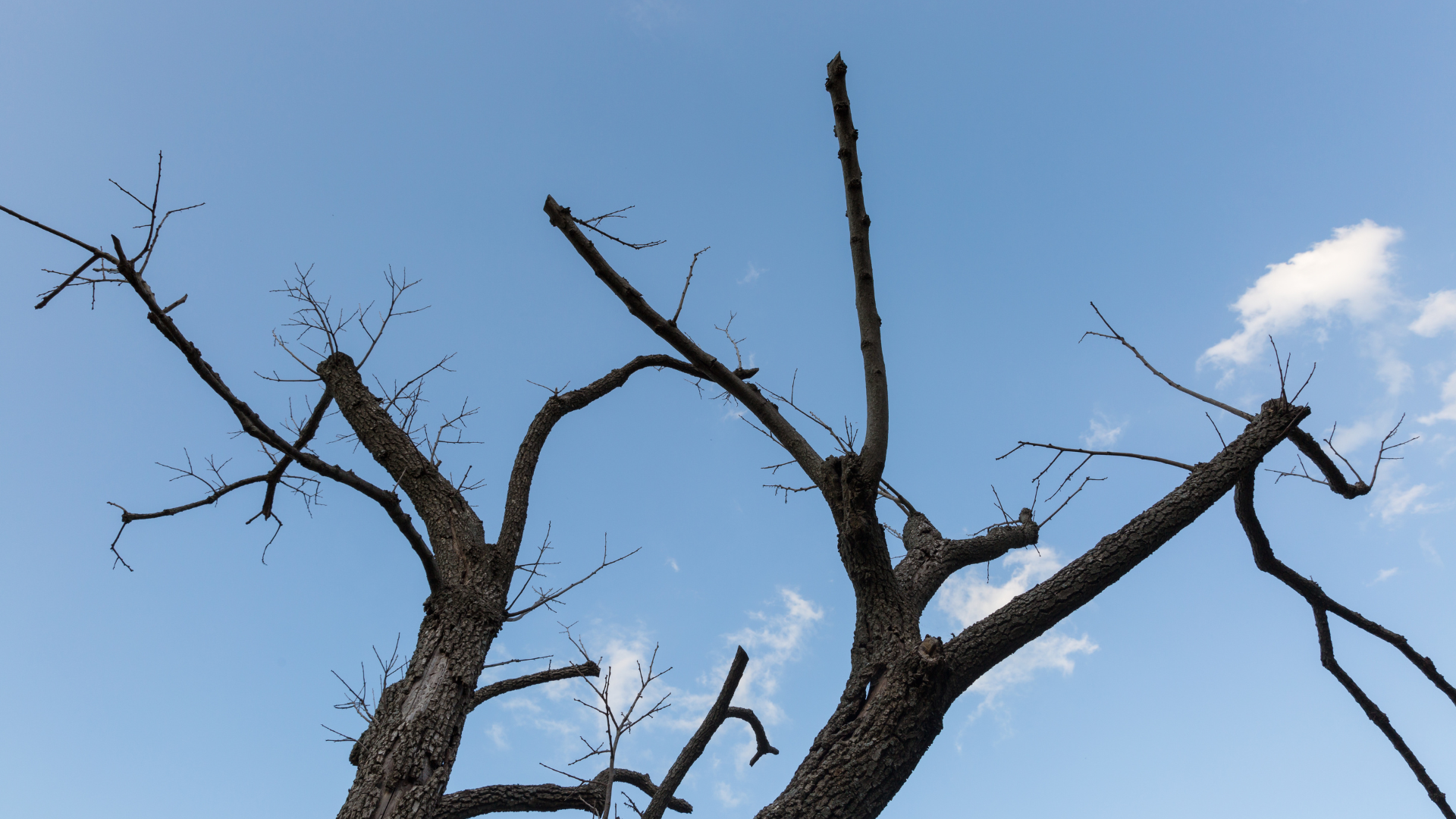
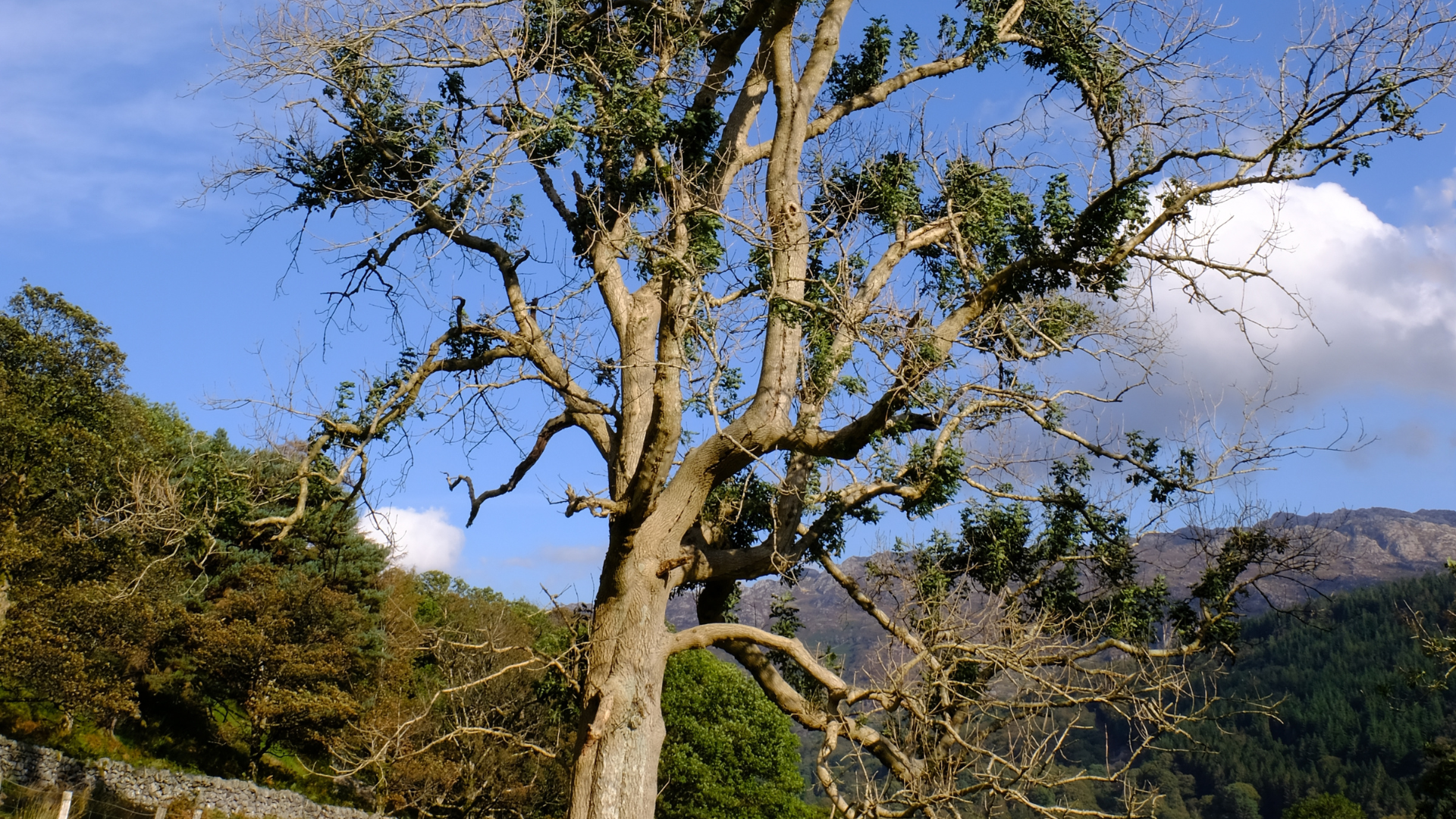
Bare tree branches silhouetted against a clear blue sky with a few white clouds

Structural Instability and Risk of Failure

One of the most common reasons for tree removal is structural instability. Trees can develop weaknesses over time due to age, storm damage, or poor growth patterns. Cracks in the trunk, large dead limbs, or multiple trunks growing from a single base can all indicate potential failure points.


These structural issues may not always be obvious from a distance, but they can significantly increase the likelihood of a tree or large branch falling. When a tree is located near a home, driveway, or other high-traffic area, this risk becomes more serious.


Removing a structurally compromised tree helps eliminate the possibility of unexpected failure, especially during storms or high winds.
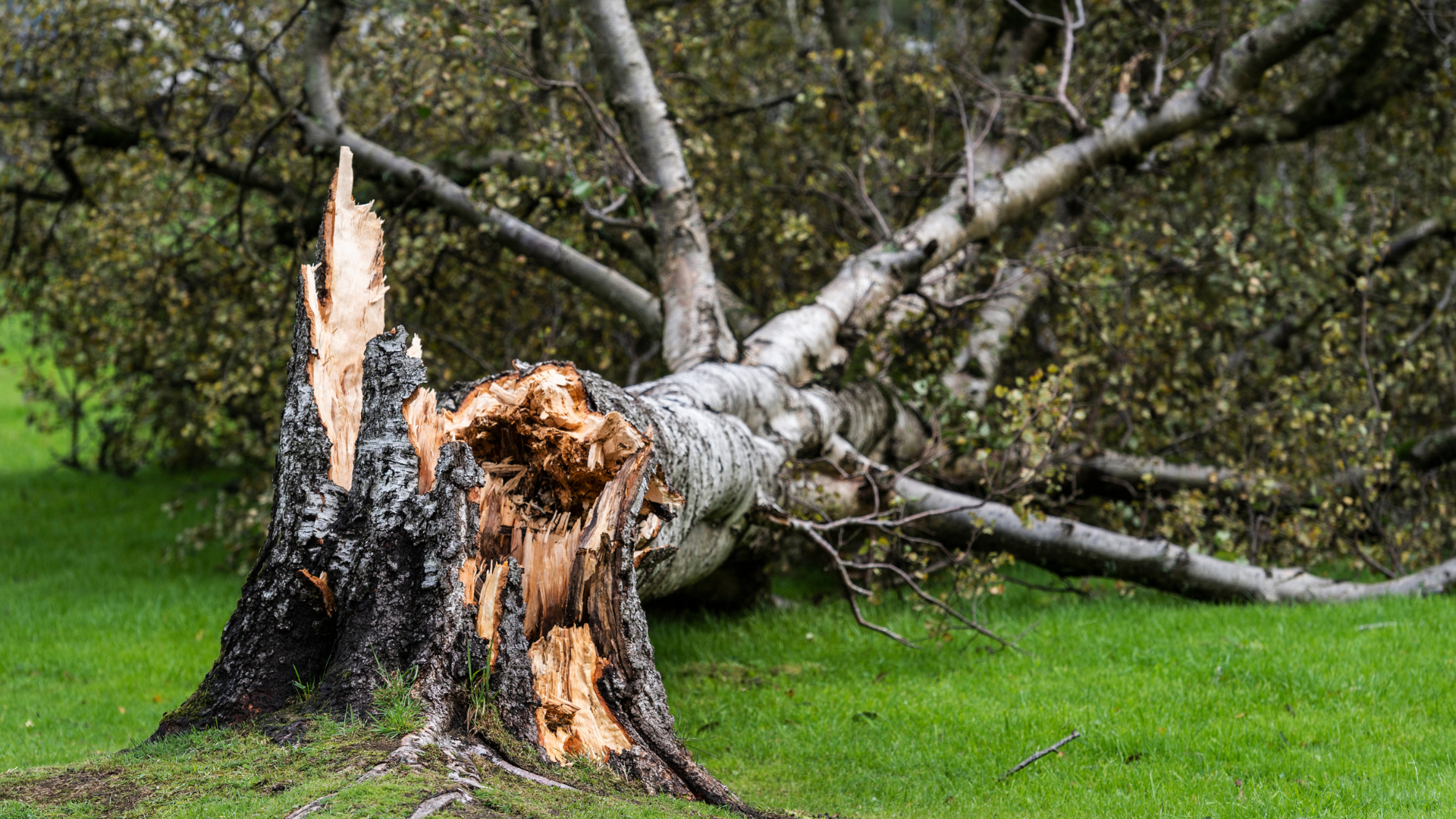
Fallen tree with a broken trunk in a grassy park, branches sprawled on the ground.

Disease and Decay

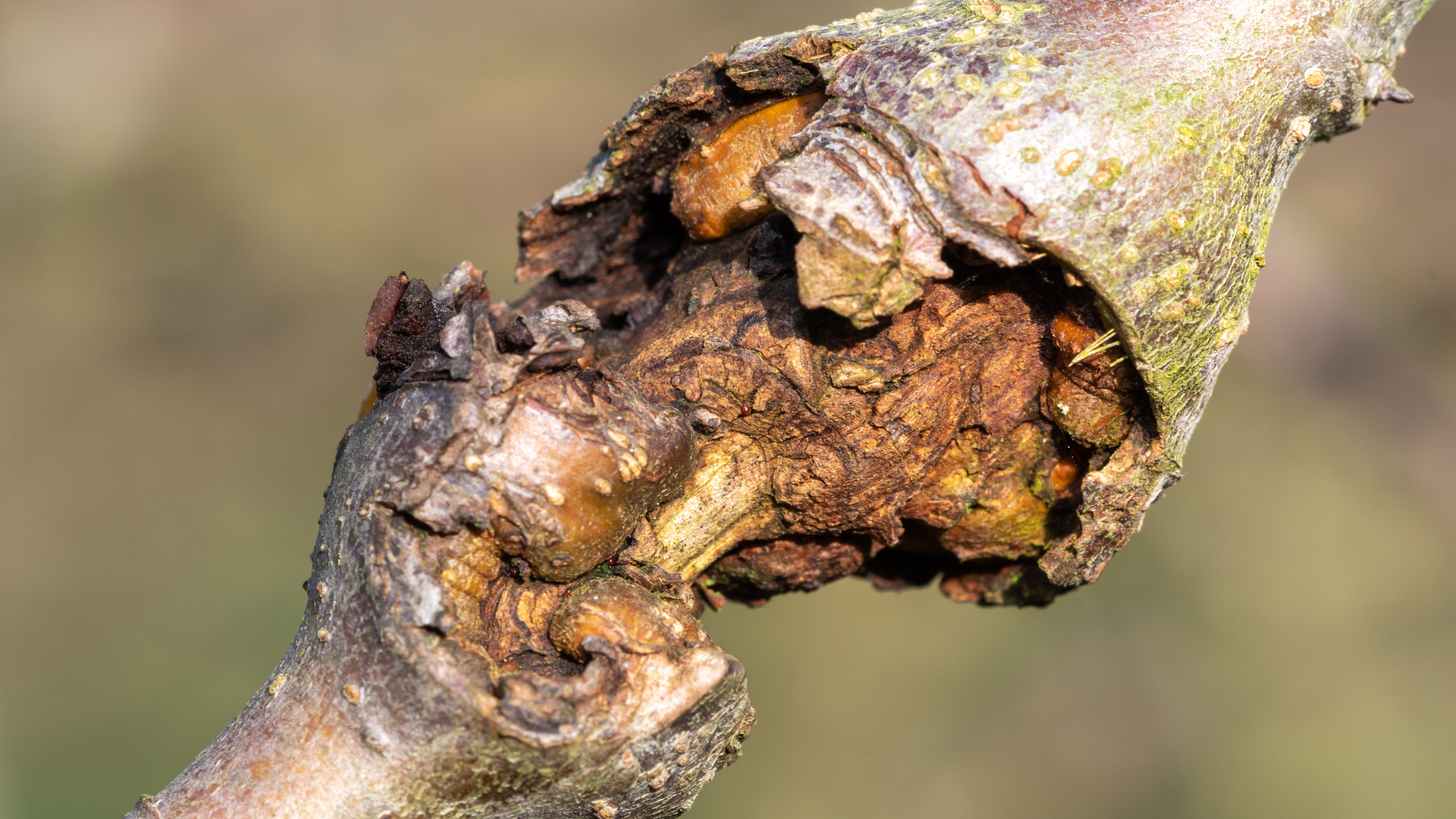
Trees can also be affected by diseases that weaken their internal structure. Fungal infections, rot, and other forms of decay often begin inside the tree and may not be immediately visible from the outside.

As decay progresses, the wood becomes less stable and more prone to breaking. In advanced stages, even a healthy-looking tree may be at risk of collapse.


In some cases, treatment may be possible if the issue is detected early. However, when a tree is severely compromised, removal is often the safest course of action to prevent further risk.
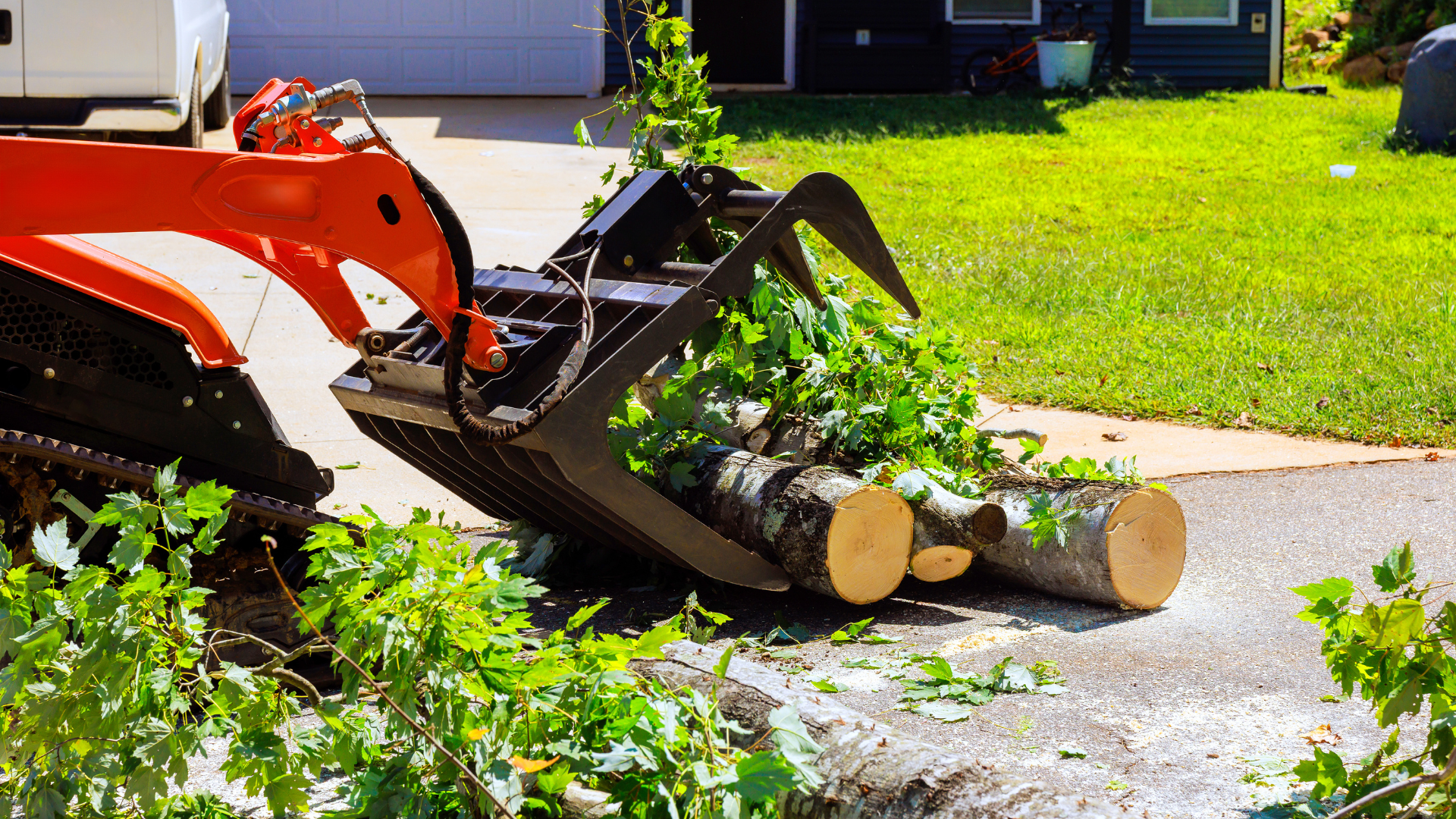
Orange skid-steer loader lifting cut tree branches onto a roadside pile of logs and debris

Proximity to Structures

Location is another important factor when evaluating tree safety. Trees that grow too close to homes, garages, or power lines can create hazards over time.


Roots may interfere with foundations, sidewalks, or underground utilities. Branches can extend over roofs, increasing the risk of damage during storms. In some cases, trees may grow into power lines, creating both safety and electrical hazards.


When a tree’s location presents ongoing risks that cannot be managed through pruning or maintenance, removal may be necessary to protect surrounding structures.
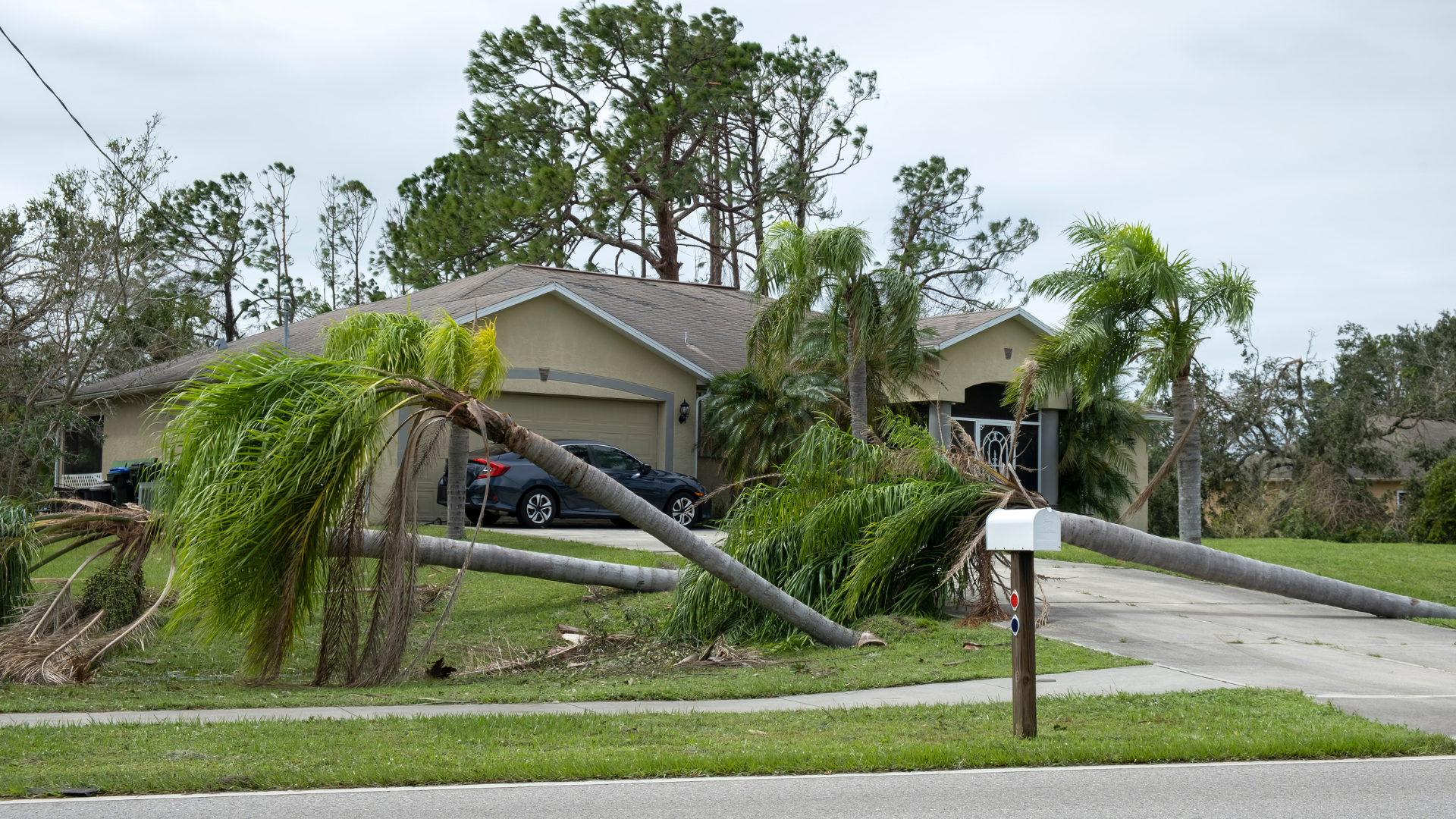
Storm-damaged suburban house with a downed palm tree across the lawn and driveway.

Storm Damage and Long-Term Effects

Severe weather can significantly impact tree stability. High winds, heavy rain, and lightning strikes can weaken trees even if they do not fall immediately.


After a storm, a tree may appear intact but still have internal damage or compromised root systems. These hidden issues can increase the risk of future failure.


Professional inspections following major storms can help determine whether a tree can be saved or if removal is the safer option.
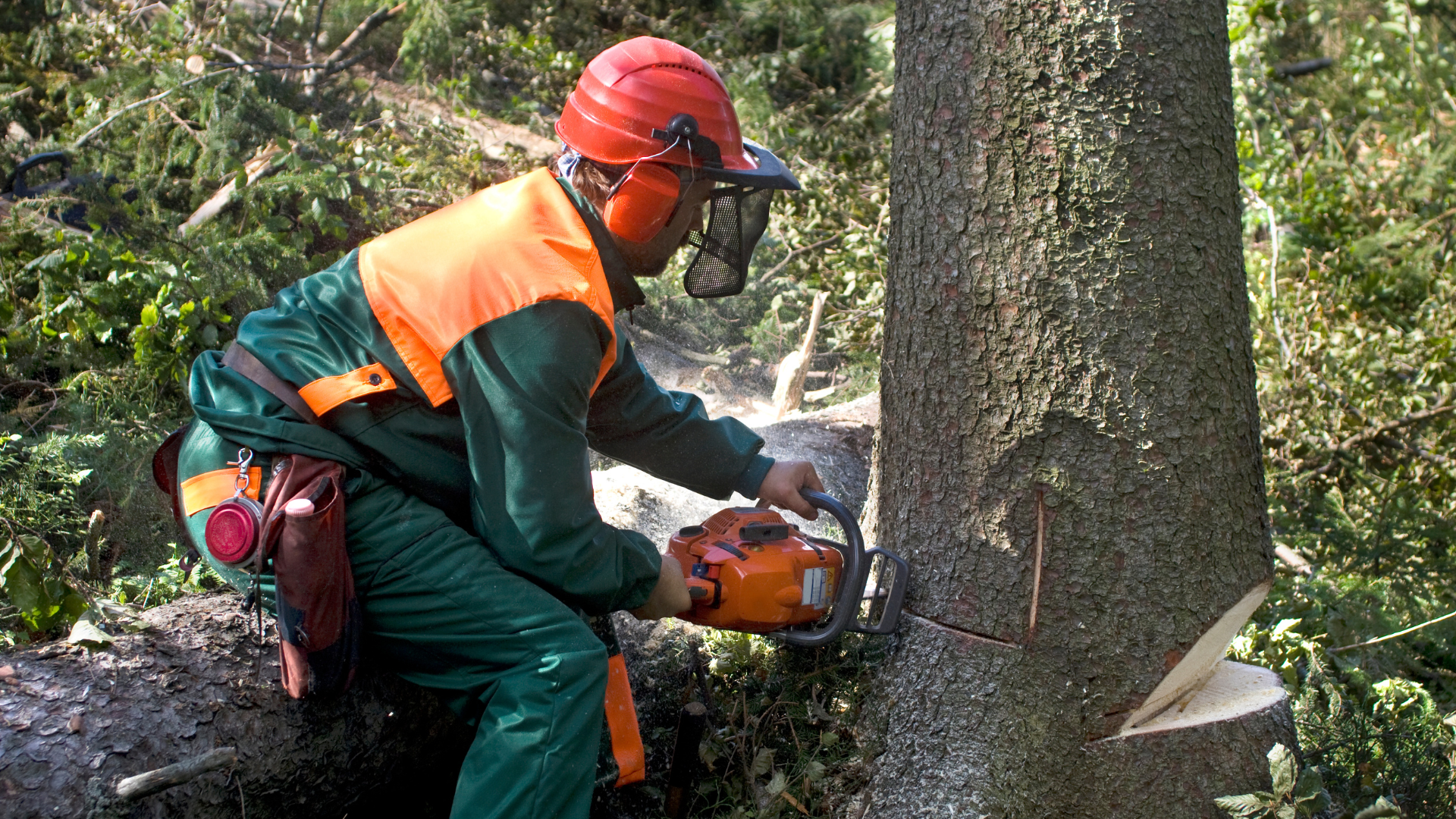
Tree worker in orange safety gear cutting a tree trunk with a chainsaw in a wooded area

Protecting Surrounding Trees and Landscape Health

In some situations, removing one tree can benefit the overall health of the landscape. Diseased or dying trees may spread pests or infections to nearby plants. Removing the affected tree can help protect the surrounding vegetation.


Additionally, overcrowded areas may limit access to sunlight, water, and nutrients. Strategic removal can improve growing conditions for healthier trees and plants.
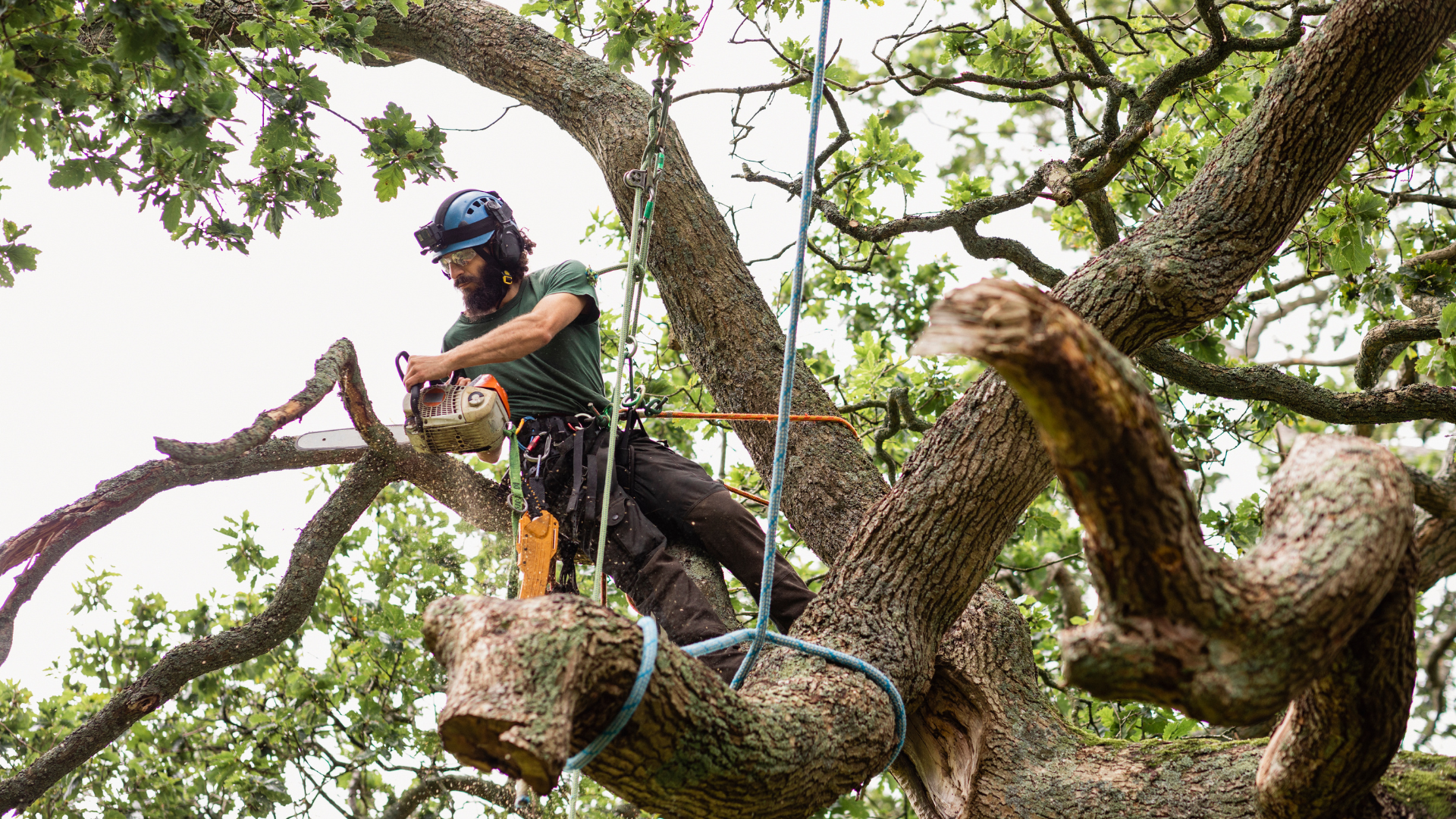
Arborist in a helmet trimming branches high in a large tree, secured with ropes and a harness

When Maintenance Is No Longer Enough

Tree care services such as pruning, trimming, and treatment can often address many issues. However, there comes a point when maintenance is no longer sufficient to ensure safety.


When a tree presents a clear risk due to structural weakness, disease, or location, removal becomes a proactive solution rather than a last resort. Acting early can prevent more serious problems later.
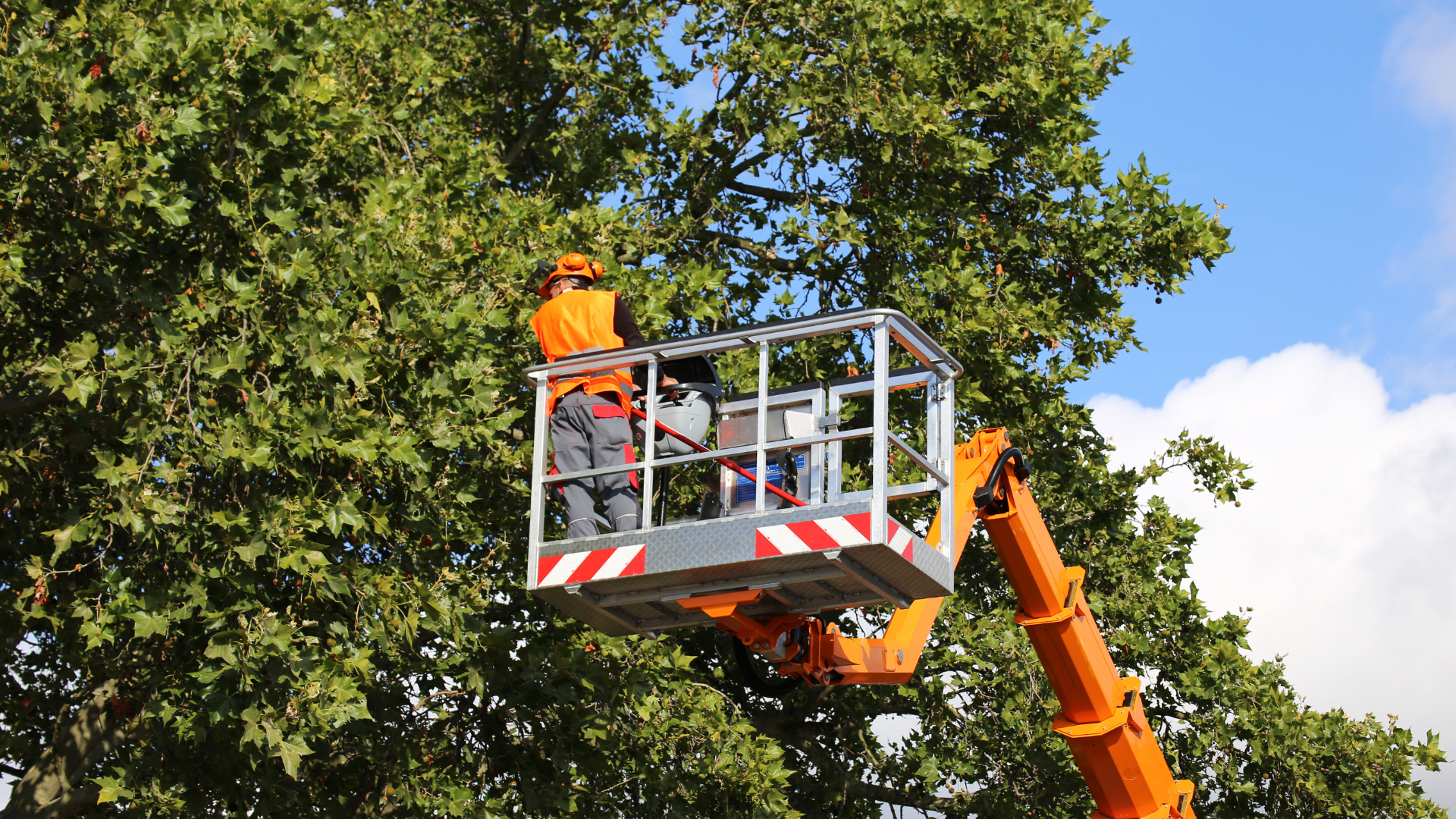
Worker in orange safety gear on a cherry picker trimming tree branches.

Professional Tree Evaluation

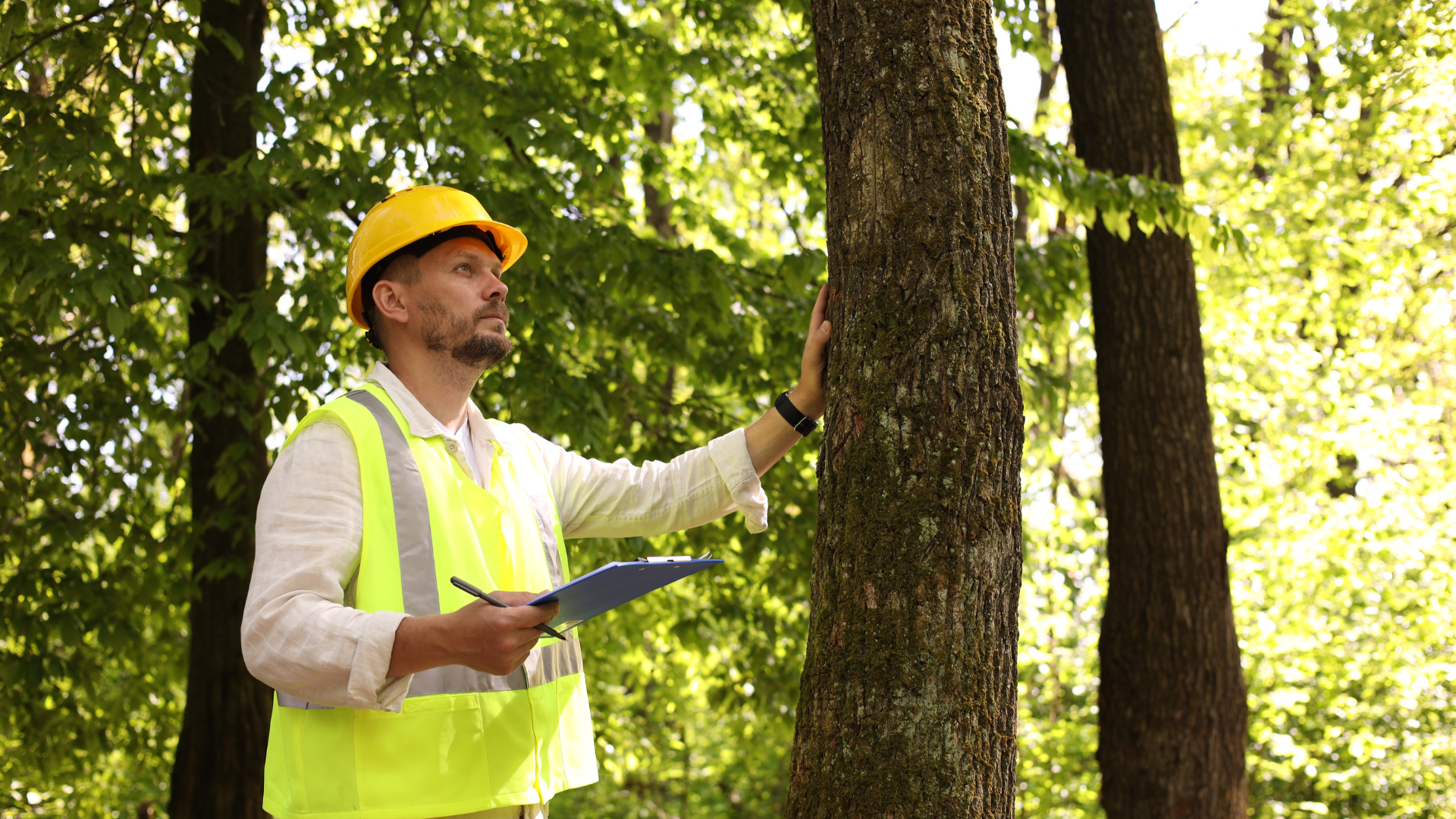
Determining whether a tree should be removed requires careful evaluation. Professional arborists can assess the condition of a tree, identify potential risks, and recommend appropriate action.


At Midwest Tree Surgeons, we help homeowners make informed decisions about tree care and safety. Our team evaluates structural integrity, health conditions, and environmental factors to determine the best course of action for each property.
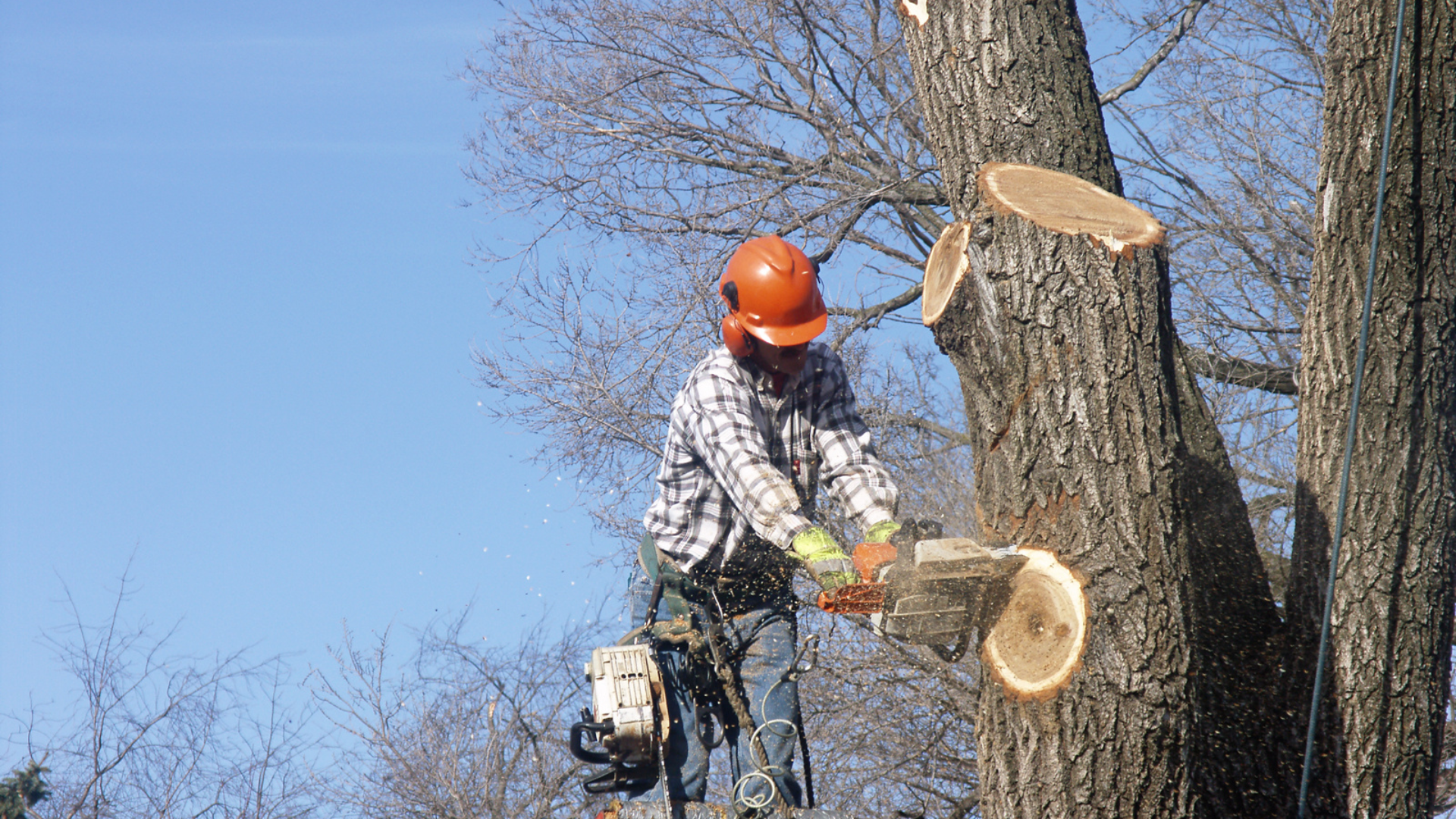
Worker in orange helmet cutting tree branches with a chainsaw outdoors on a sunny day

Making the Right Decision

Tree removal is not always the first choice, but in certain situations, it is the safest and most responsible one. Addressing hazardous trees before they fail can protect homes, prevent injuries, and maintain the long-term health of a landscape.


By recognizing warning signs and seeking professional guidance, homeowners can ensure that their property remains both safe and well maintained.
July 14, 2026
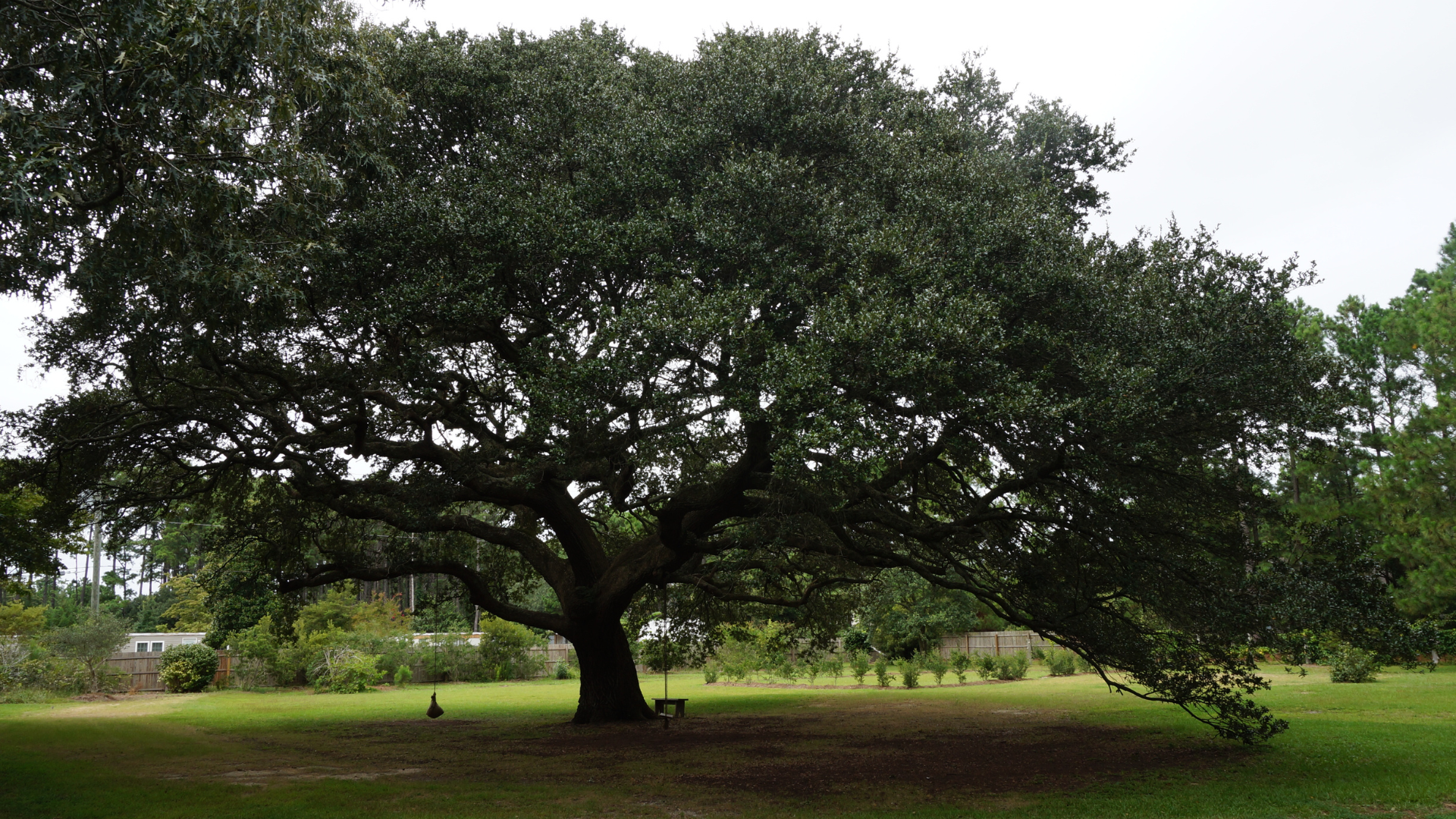
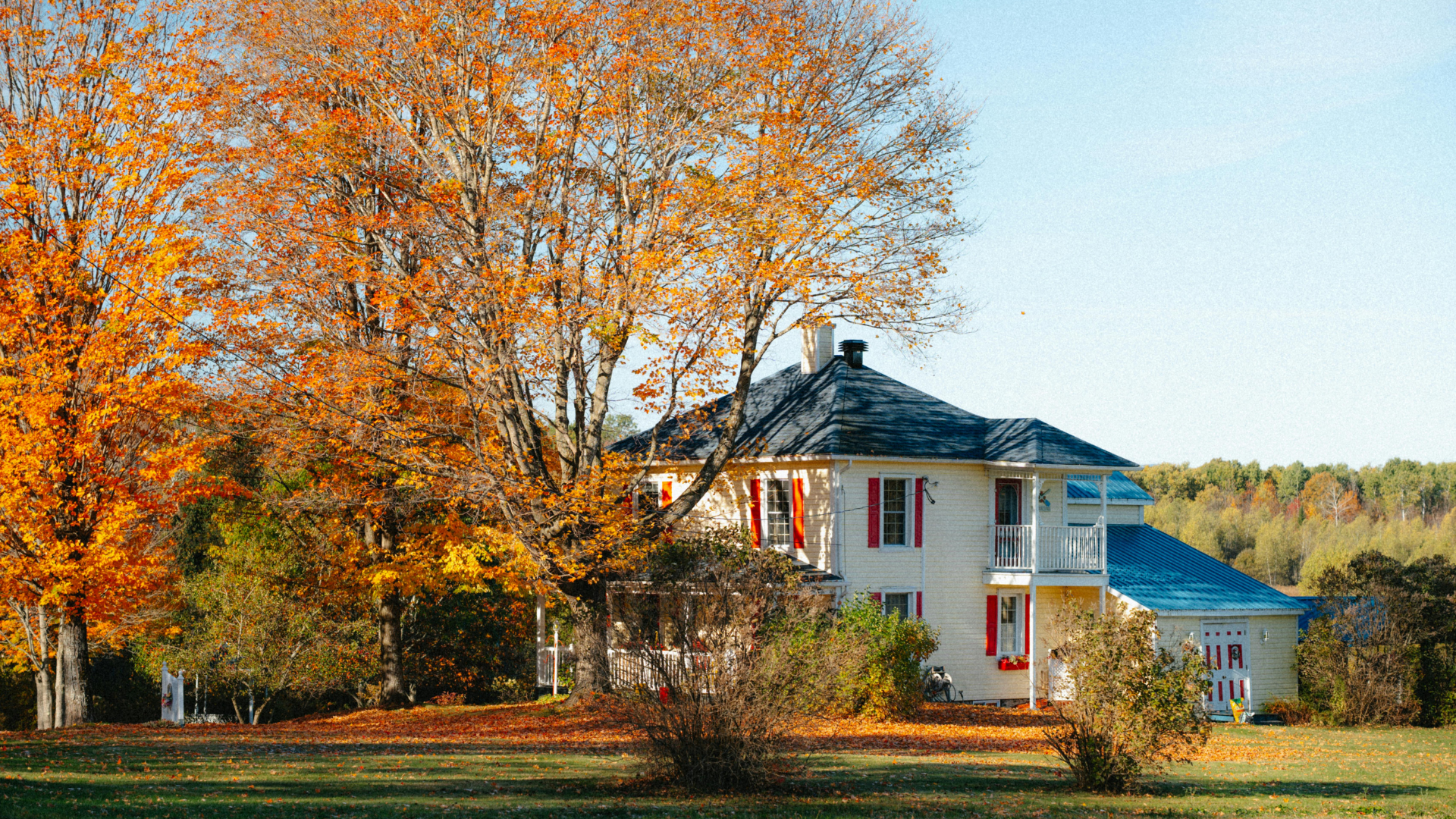
Trees are among the longest-living features on any property. A mature oak, maple, or other established tree may take decades to reach its full size, providing shade, beauty, wildlife habitat , and increased property value along the way. Because of the time and environmental benefits they represent, preserving healthy trees whenever possible is often a worthwhile investment.  Professional arborists play an important role in helping trees remain healthy, structurally sound, and capable of thriving for many years. Through regular evaluations and proactive care, they can identify potential problems early and recommend treatments that support long-term tree health.
July 8, 2026
Trees do much more than provide shade and enhance the beauty of a landscape. They are living ecosystems that support a remarkable variety of wildlife throughout every season. From nesting birds in the spring to sheltering mammals during the winter, healthy trees provide food, protection, and habitat for countless species.  For homeowners and property managers , understanding the connection between trees and wildlife offers another reason to invest in professional tree care. Proper maintenance not only helps preserve the health and appearance of trees but also supports the many forms of life that depend on them.
June 30, 2026
Trees add beauty, shade, and value to residential and commercial properties, but like any living organism, they change over time. While many trees remain healthy for decades, others may develop structural weaknesses that increase the likelihood of branch failure or even complete tree failure.  Identifying these concerns is not always straightforward. A tree may appear healthy on the outside while hiding internal defects, or it may display subtle warning signs that only a trained professional can recognize. That is why professional tree risk assessments are an important part of responsible property management. Certified arborists evaluate much more than whether a tree looks healthy. Their goal is to determine how likely a tree is to fail, what the consequences of that failure could be, and whether any corrective action is appropriate.
June 24, 2026
When planning a landscape, homeowners often focus on appearance, growth rate, shade potential, or seasonal color. While these factors certainly matter, another important consideration is whether a tree is native to the region.  Native trees have evolved alongside local soils, weather conditions, wildlife, and ecosystems for thousands of years. As a result, they often play a critical role in maintaining healthy landscapes and supporting the natural environment. Although non-native species can sometimes thrive in residential settings, native trees continue to provide unique benefits that make them valuable additions to properties and communities alike. Understanding why native trees remain important can help property owners make informed decisions about their landscapes.
June 17, 2026
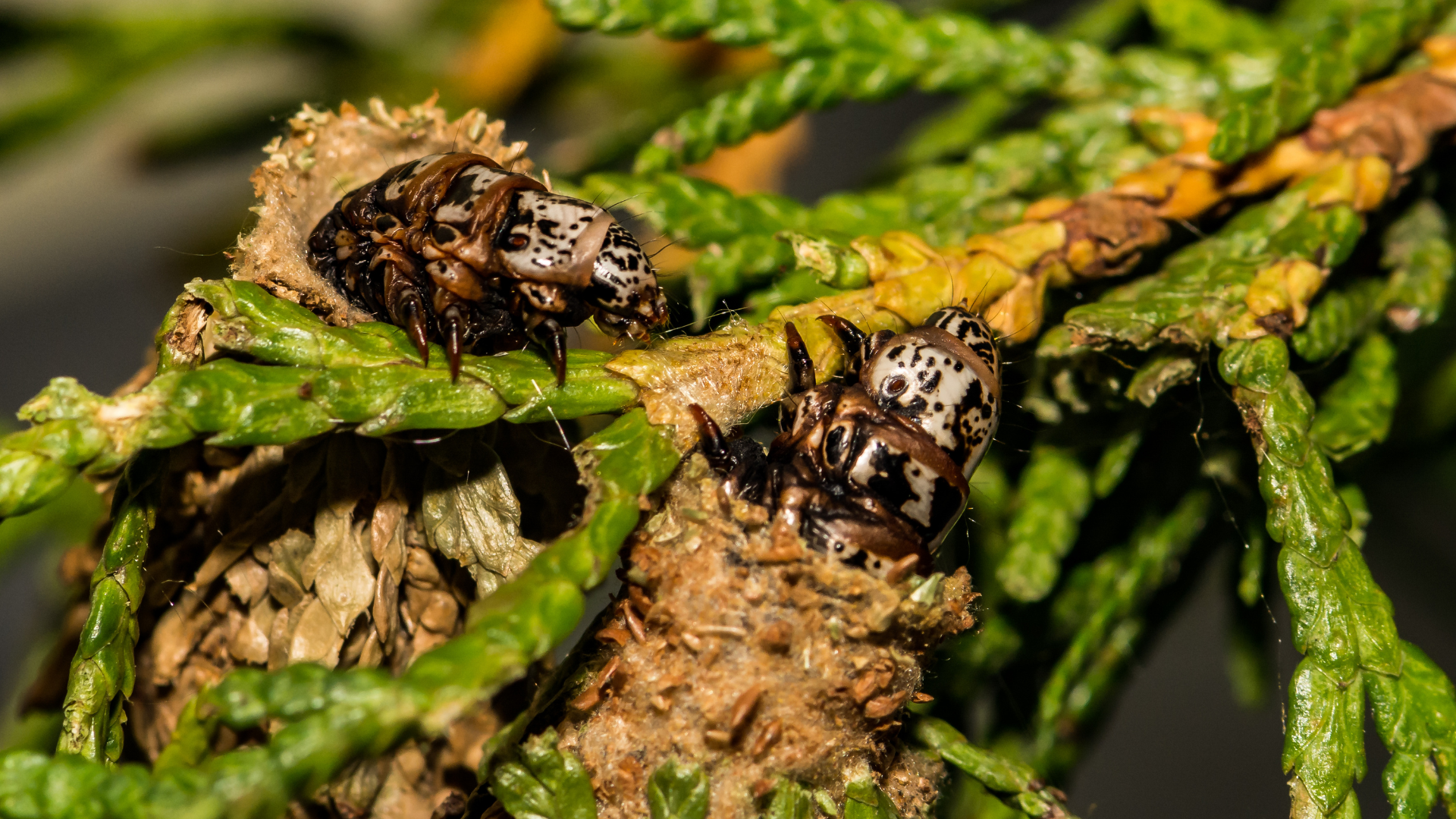
Summer brings plenty of activity to the landscape , but not all of it is beneficial. While homeowners often focus on watering, mowing, and maintaining their outdoor spaces during the warmer months, another seasonal visitor can create significant problems for trees and plants: the Japanese beetle.  Japanese beetles are among the most recognizable insect pests found throughout much of the Midwest. Their metallic green bodies and copper-colored wings make them easy to identify, but the damage they leave behind is often what attracts the most attention. During peak summer months, large populations of these insects can feed on a variety of trees and ornamental plants, affecting both appearance and overall plant health. Understanding how Japanese beetles impact trees can help homeowners recognize potential problems and determine when professional assistance may be beneficial.
June 9, 2026
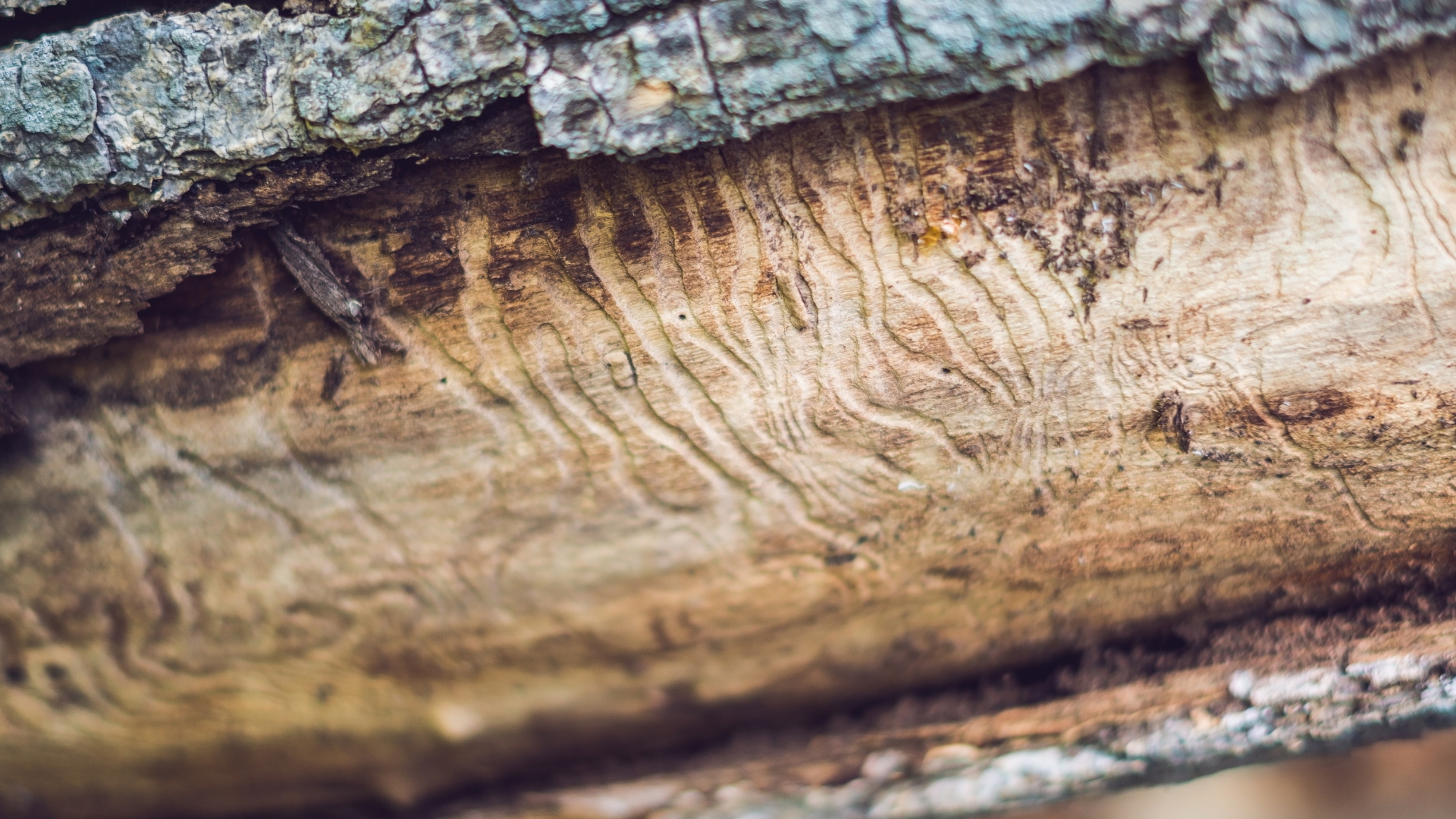
Most homeowners enjoy seeing woodpeckers in their yard. These distinctive birds are a familiar part of many Midwestern landscapes and often attract attention with their unique appearance and unmistakable tapping sounds. While occasional woodpecker activity is perfectly normal, repeated pecking on a particular tree can sometimes indicate that something else is happening beneath the bark.  In many cases, woodpeckers are not interested in the tree itself. They are searching for food. When a tree begins attracting significant woodpecker activity, it may be worth taking a closer look at the tree’s overall health.
June 3, 2026
Summer is a busy season for trees. While homeowners often focus on growth, shade, and landscaping during the warmer months, it is also the time of year when many insect populations become more active. Among the most common tree pests are sap-feeding insects, which can quietly affect tree health without attracting immediate attention.  Many homeowners notice symptoms such as sticky leaves, discolored foliage, or unusual insect activity without realizing that sap-feeding pests may be the cause. Understanding these insects and recognizing early warning signs can help property owners address problems before they become more serious. Midwest Tree Surgeons regularly helps homeowners evaluate tree health concerns, including damage caused by insects and environmental stress. Early identification remains one of the most effective ways to protect valuable landscape trees.
May 26, 2026
Summer is often associated with healthy green landscapes and active plant growth, but extended heat and dry conditions can place significant stress on trees. While mature trees may appear stable and resilient from the outside, prolonged summer heat can quietly affect their internal health, moisture balance, and long-term structural stability.  At Midwest Tree Surgeons, we help homeowners understand how environmental stress affects trees throughout the growing season and why summer inspections can be an important part of long-term tree care.
May 19, 2026
When people think about drought conditions, they usually picture dry grass, dusty soil, and immediate signs of heat stress. Trees, however, often respond differently. Unlike lawns or smaller plants, mature trees may continue looking relatively healthy during periods of dry weather, even while internal stress is developing beneath the surface.  One of the most challenging aspects of drought-related tree damage is that symptoms are frequently delayed. In many cases, trees begin showing visible decline months after the drought itself has passed. At Midwest Tree Surgeons, we regularly help homeowners identify delayed drought stress before it progresses into larger structural or health problems.
May 13, 2026
Trees are built to withstand changing seasons, but repeated environmental stress can gradually affect their health and stability. One of the most significant seasonal stressors in many regions is the freeze-thaw cycle. While it may seem like a normal part of winter weather, this constant fluctuation between freezing and thawing can place long-term strain on trees in ways that are not always immediately visible.  Understanding how freeze-thaw cycles affect trees helps explain why early summer is an ideal time for a professional tree inspection.
More Posts