What Woodpecker Activity Can Reveal About Tree Pests

June 9, 2026

Most homeowners enjoy seeing woodpeckers in their yard. These distinctive birds are a familiar part of many Midwestern landscapes and often attract attention with their unique appearance and unmistakable tapping sounds. While occasional woodpecker activity is perfectly normal, repeated pecking on a particular tree can sometimes indicate that something else is happening beneath the bark.


In many cases, woodpeckers are not interested in the tree itself. They are searching for food. When a tree begins attracting significant woodpecker activity, it may be worth taking a closer look at the tree’s overall health.
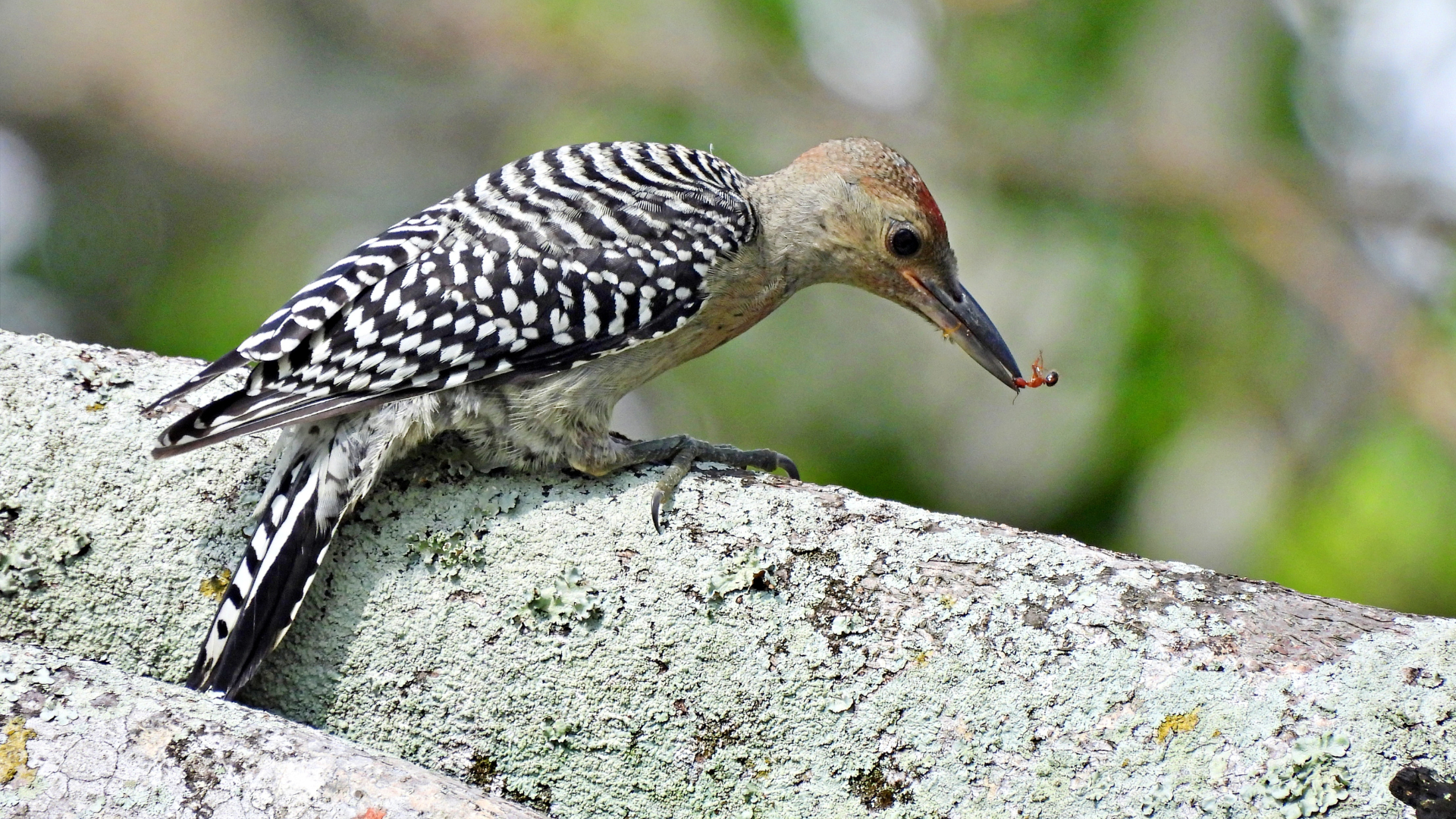
Woodpecker eating an insect

Why Woodpeckers Peck Trees

Woodpeckers use their strong beaks to search for insects hiding beneath bark and within wood. Many species feed on larvae, beetles, ants, and other insects that live inside trees.


When insect populations increase within a tree, woodpeckers may begin spending more time foraging in that area.


This does not automatically mean a tree is unhealthy. Woodpeckers often feed on insects found in both healthy and declining trees. However, concentrated activity on one tree may warrant further investigation.
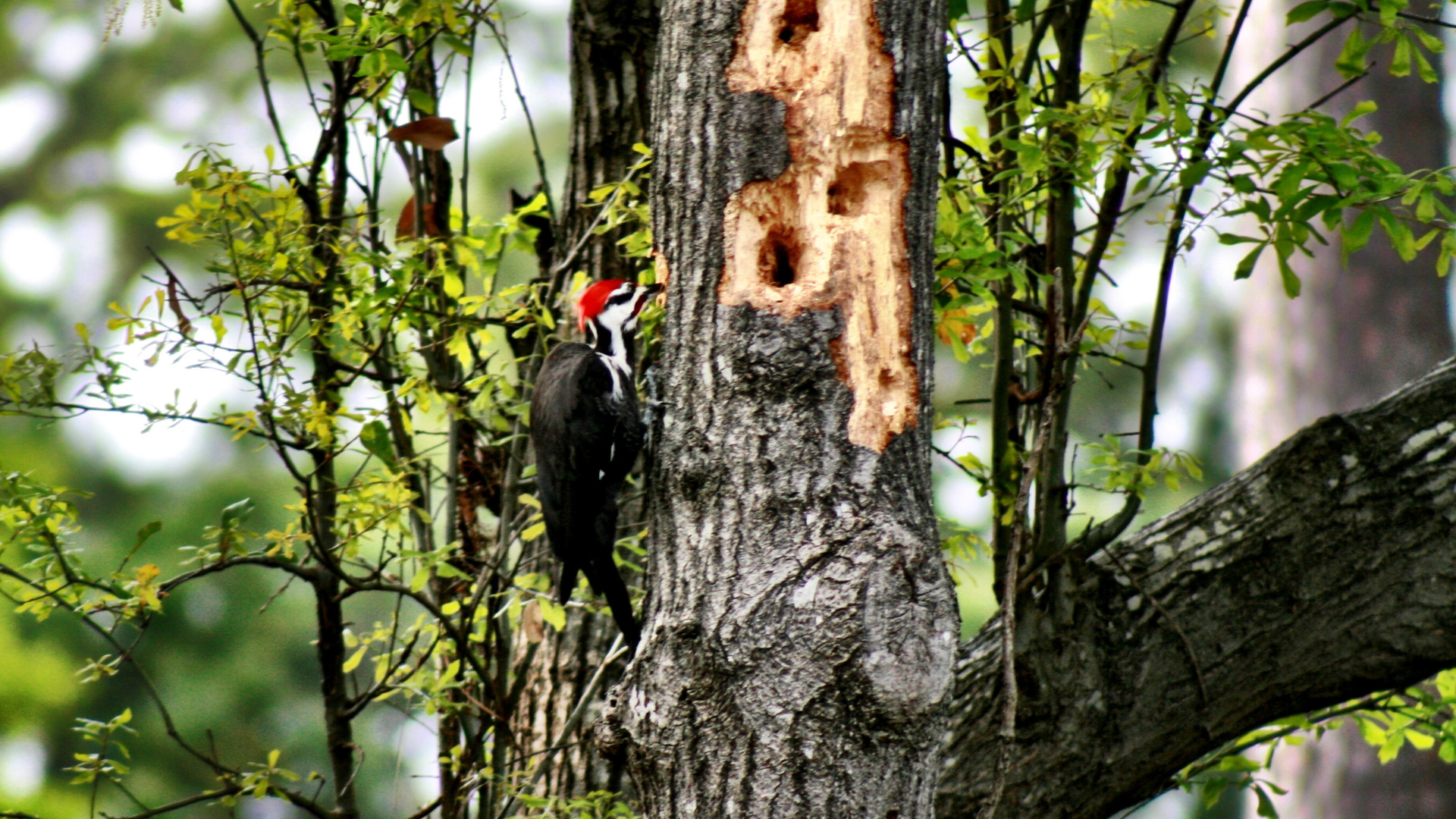
Woodpecker showing signs of tree insect infestation

Insects Often Arrive Before Visible Symptoms

One challenge with tree pests is that infestations frequently begin long before homeowners notice obvious symptoms.


Some insects spend much of their life cycle beneath the bark, making them difficult to detect without a close inspection. By the time visible signs appear, the infestation may already be well established.


Woodpeckers sometimes identify these insects before homeowners recognize that a problem exists.


Their feeding behavior can occasionally serve as an early warning sign that insect activity is present.
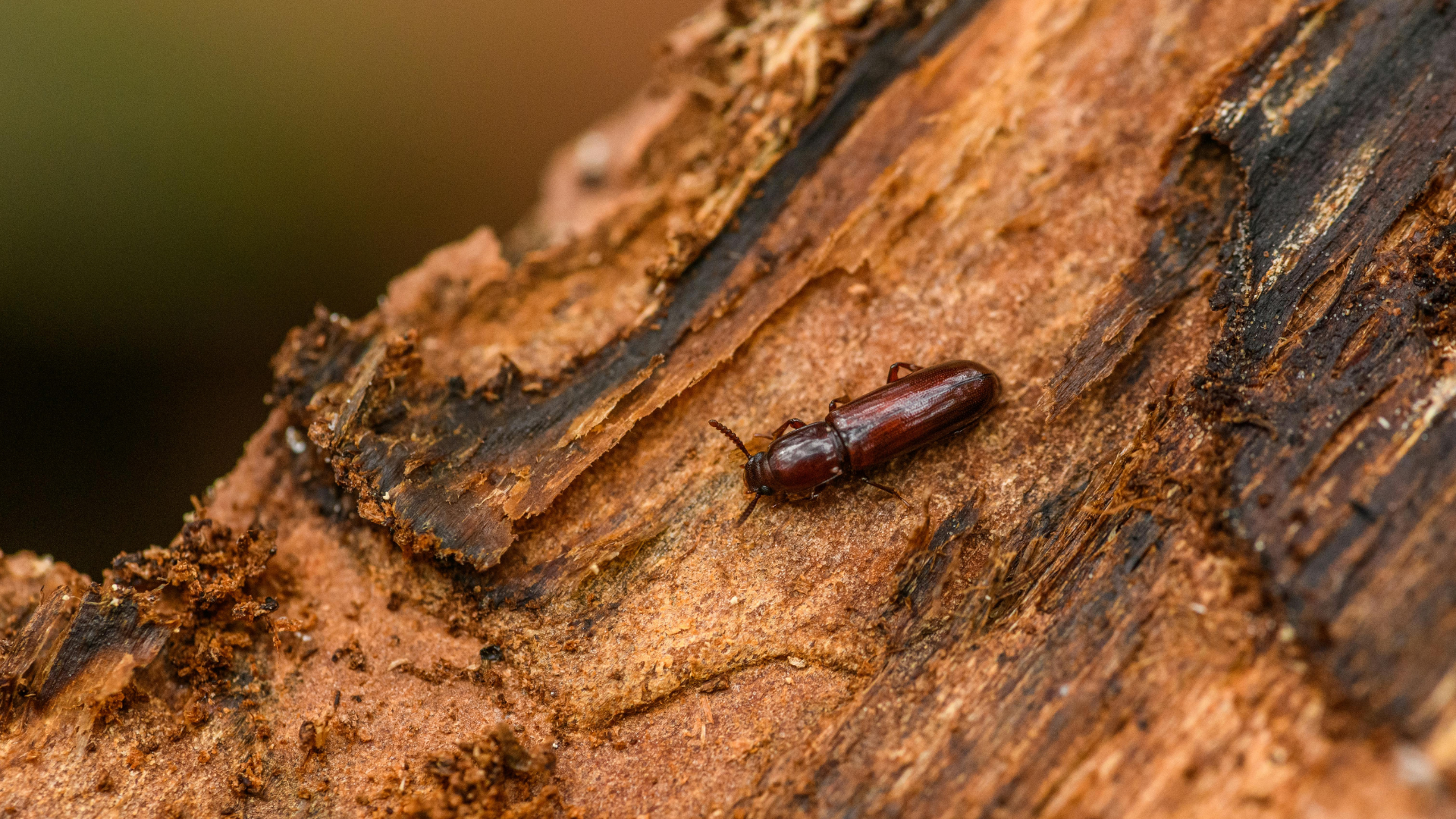
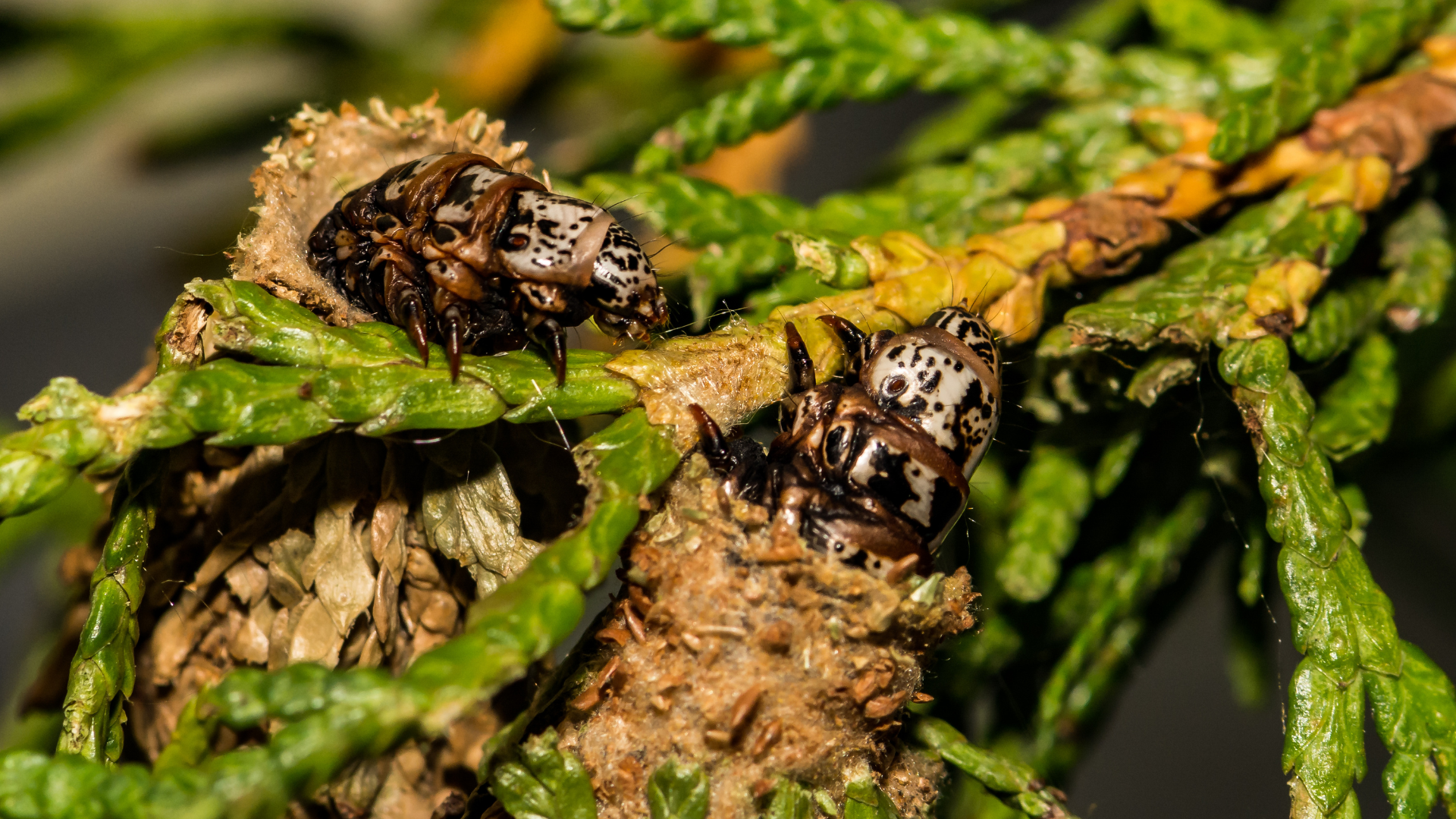
Small brown bark beetle crawling on rough tree bark close-up

Common Tree Pests That Attract Woodpeckers

Several types of insects may attract woodpeckers to trees.


Examples include:

  • Bark beetles
  • Wood-boring insects
  • Emerald ash borers
  • Carpenter ants
  • Various insect larvae


Many of these pests live beneath the bark or within the wood itself, where they are difficult to see from the ground.

Woodpeckers are remarkably effective at locating these hidden food sources.
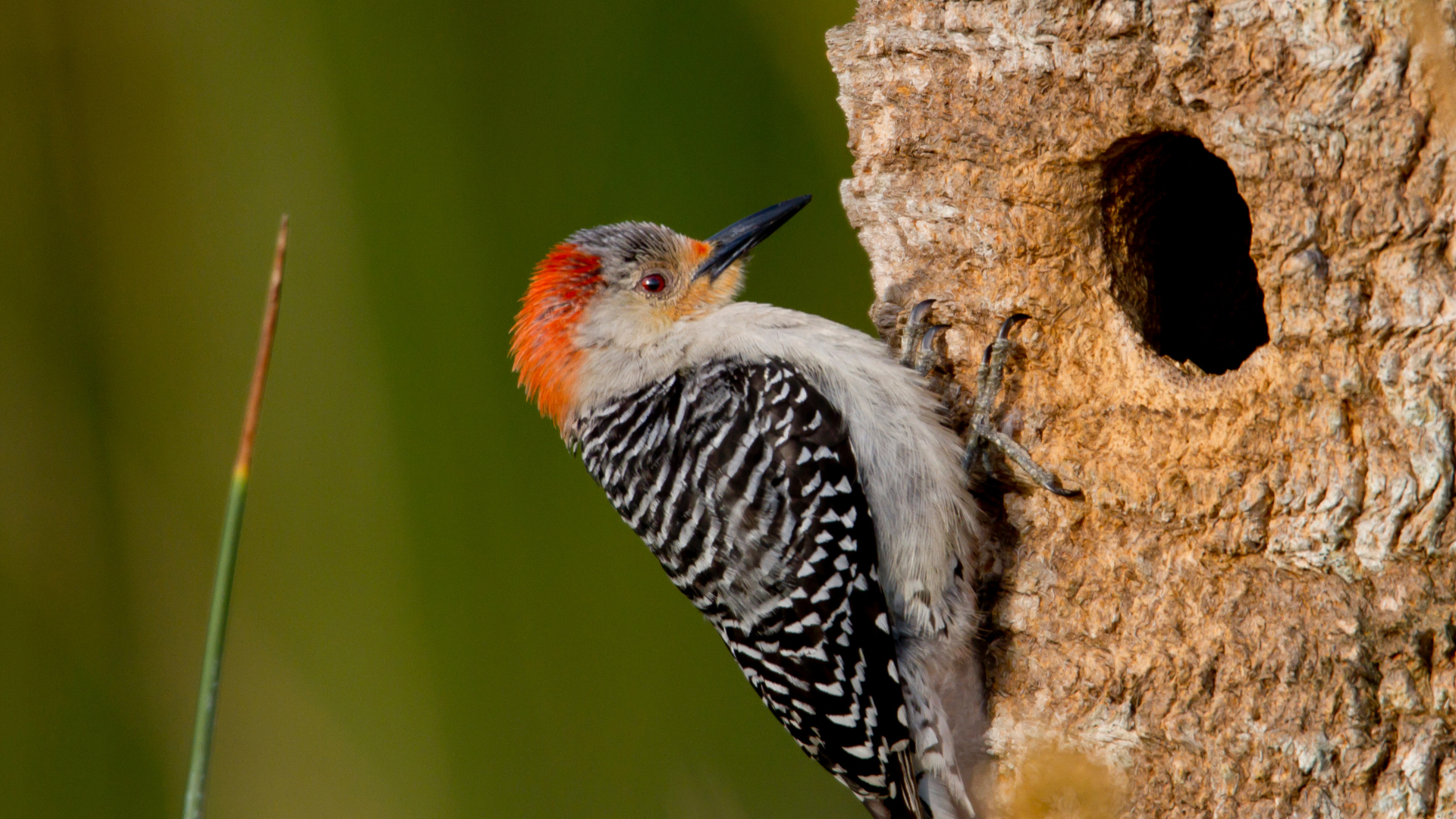
woodpecker creating its house

Not Every Woodpecker Hole Indicates a Serious Problem

It is important not to assume that every woodpecker hole means a tree is dying or heavily infested.


Woodpeckers naturally forage throughout their territory and may occasionally investigate healthy trees. Some species also create cavities for nesting purposes.


The concern generally arises when homeowners notice:

  • Repeated activity on the same tree
  • Extensive bark damage
  • Multiple feeding sites
  • Additional signs of tree decline


When these factors occur together, a professional evaluation may be beneficial.
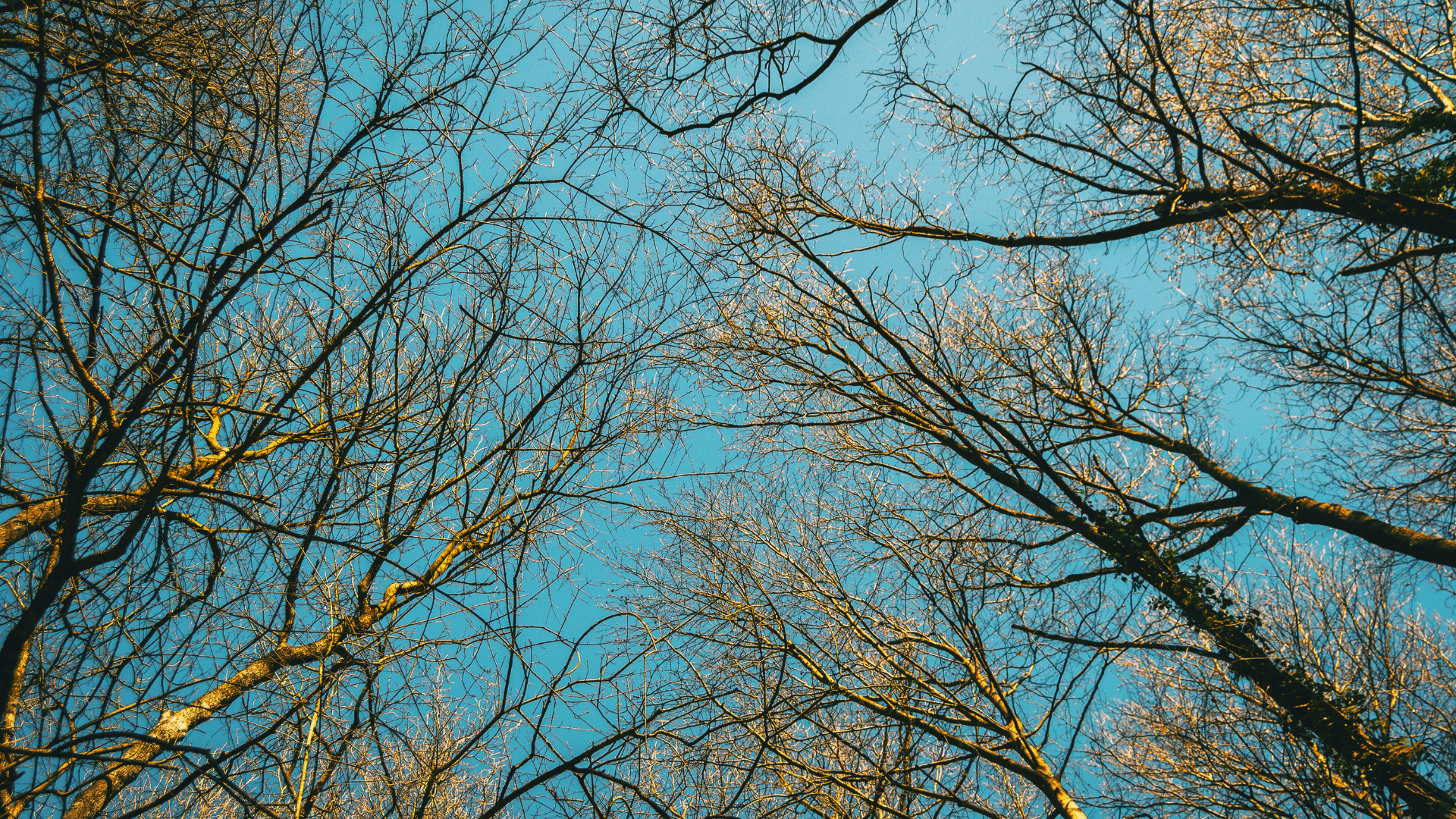
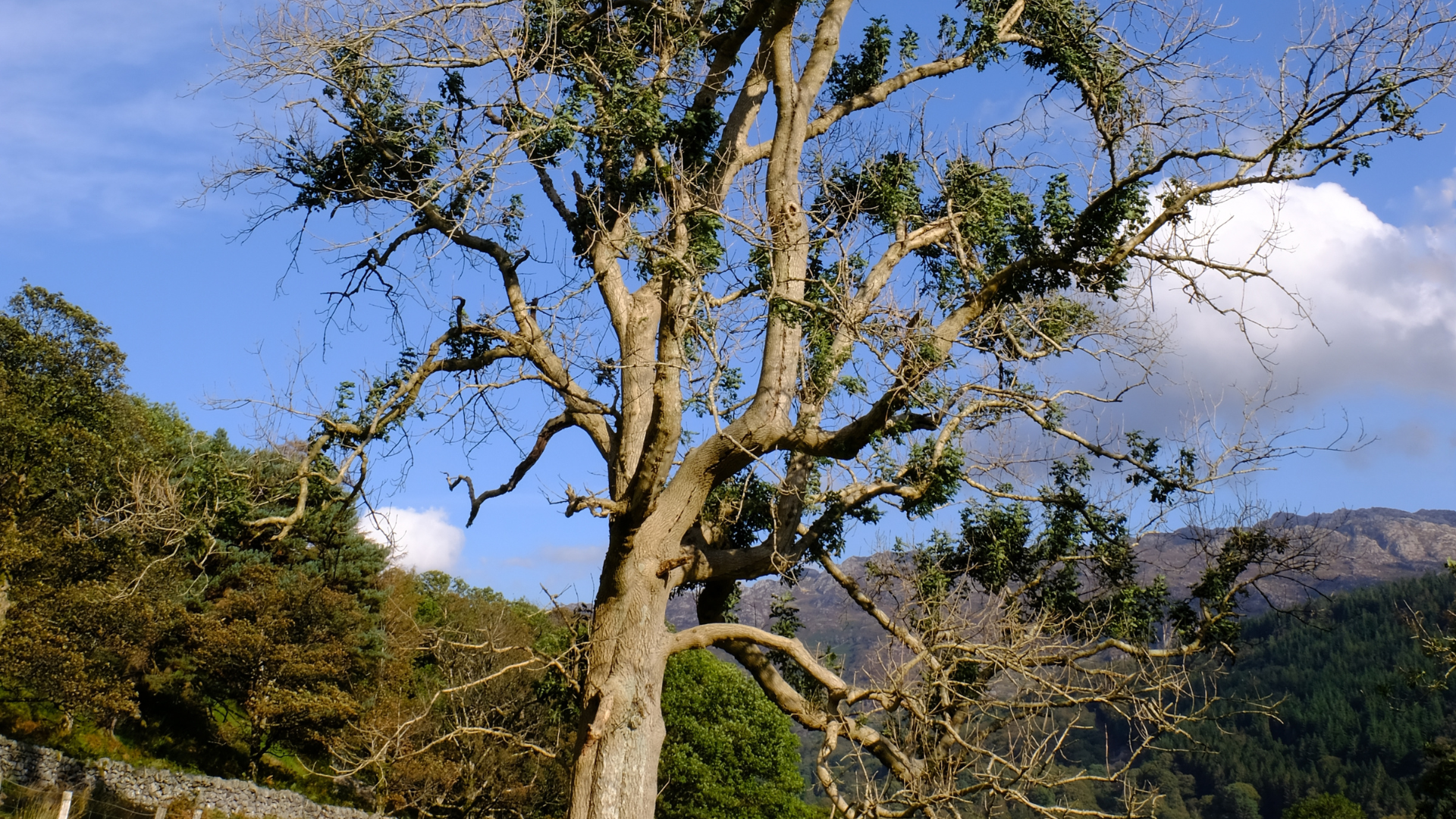
canopy thinning due to insect infestation on tree

Other Signs of Potential Insect Problems

Woodpecker activity is only one clue. Homeowners should also watch for other symptoms that may indicate insect-related stress.


These may include:

  • Thinning canopies
  • Dead branches
  • Premature leaf drop
  • Bark splitting
  • Unusual holes in the trunk
  • Sections of missing bark


Trees experiencing multiple symptoms often benefit from a closer inspection by a qualified arborist.
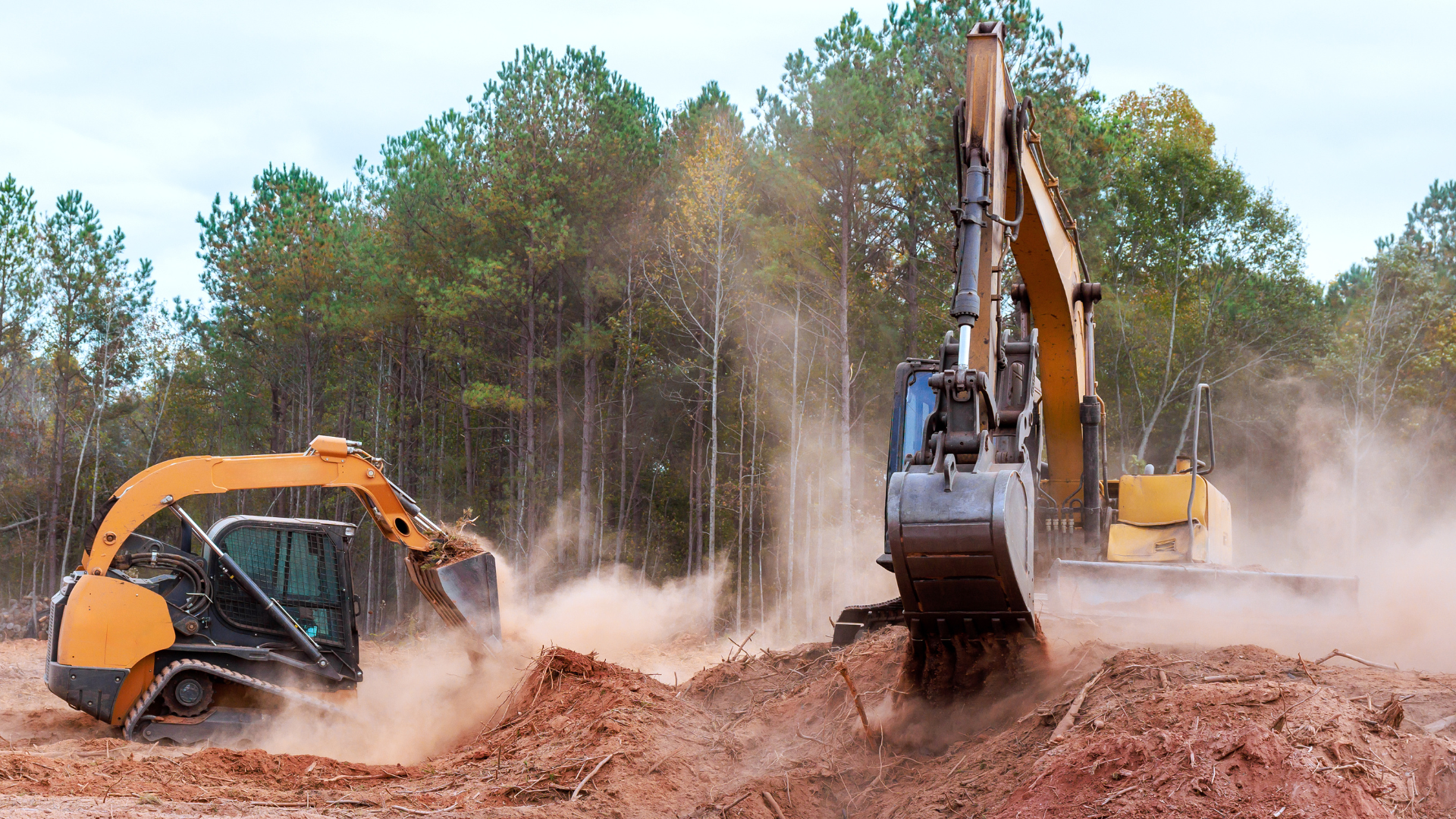
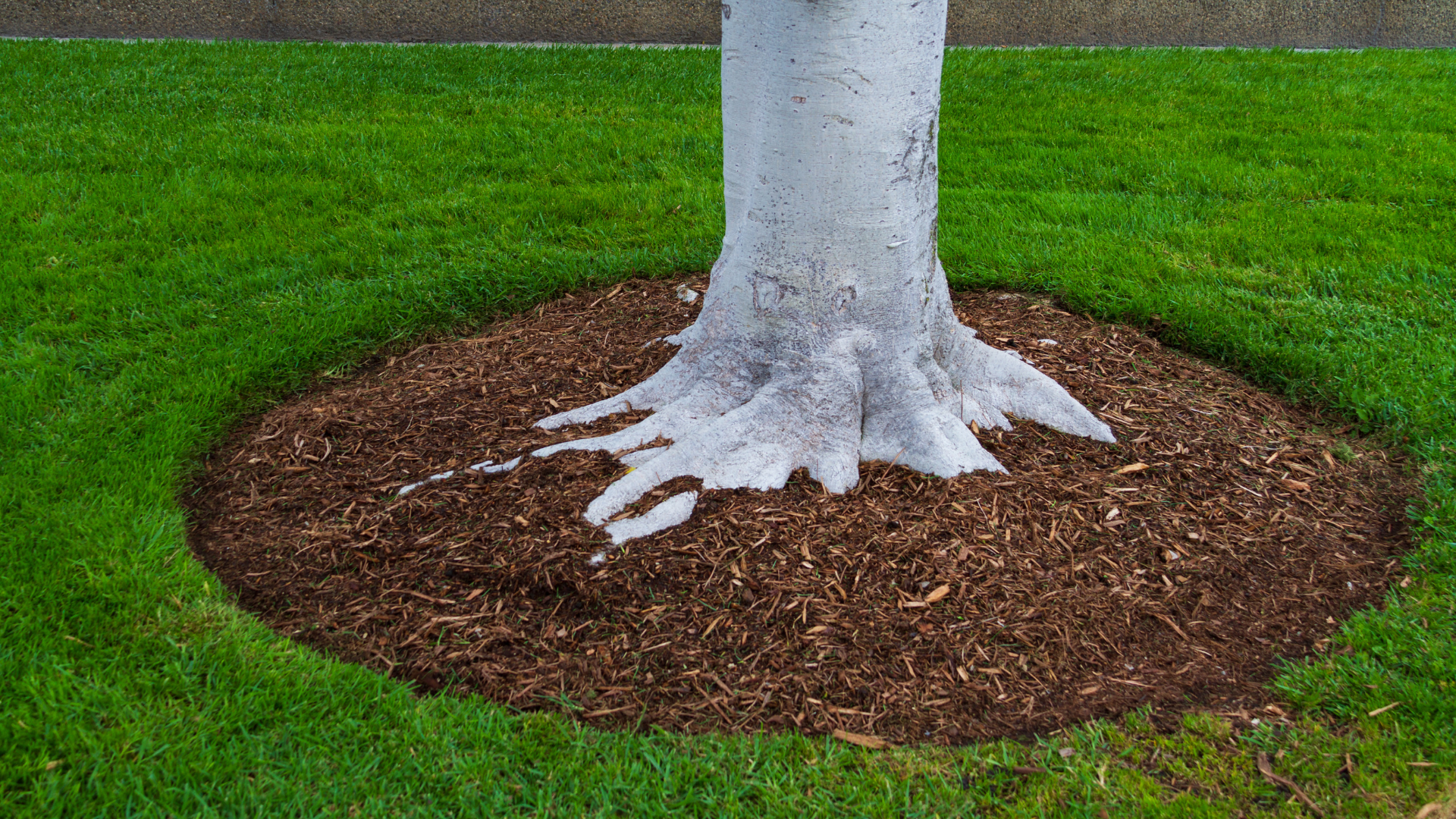
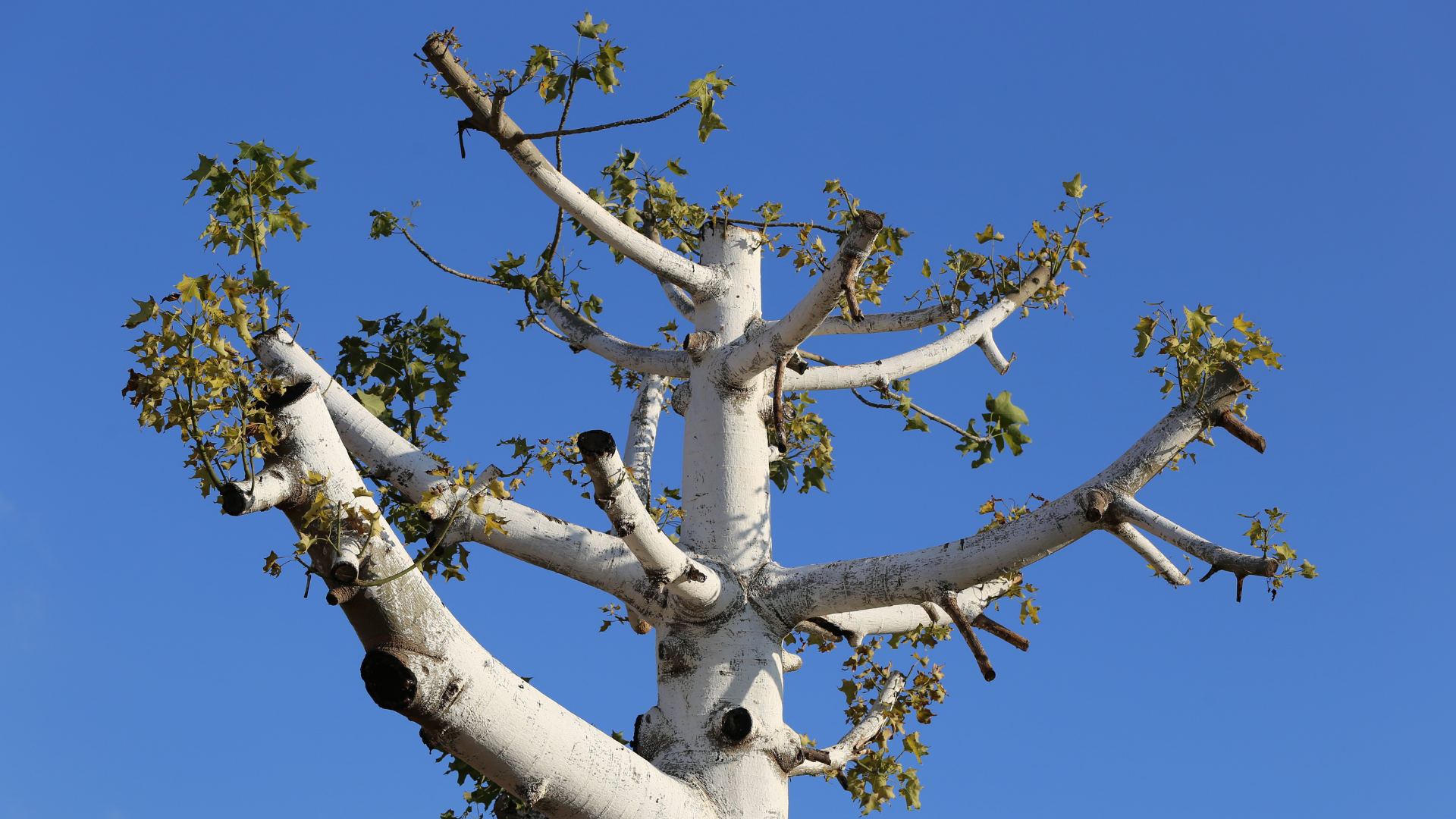
vulnerable trees during construction activities

Stressed Trees Are More Vulnerable

Many insect pests are attracted to trees that are already under stress.


Common sources of tree stress include:

  • Drought conditions
  • Soil compaction
  • Root damage
  • Construction activity
  • Environmental changes


A healthy tree is often better equipped to tolerate insect activity than a tree already struggling with other challenges.

This is one reason proactive tree care remains an important part of long-term tree health.
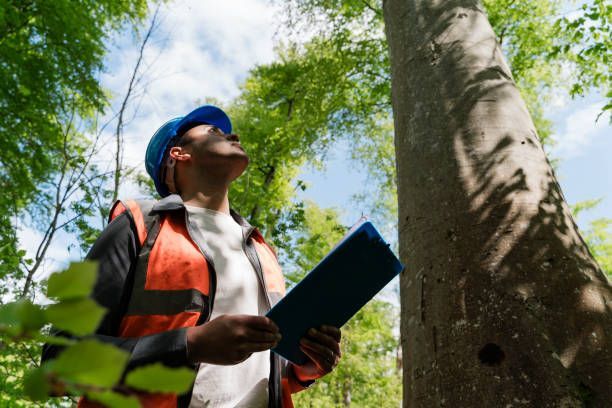
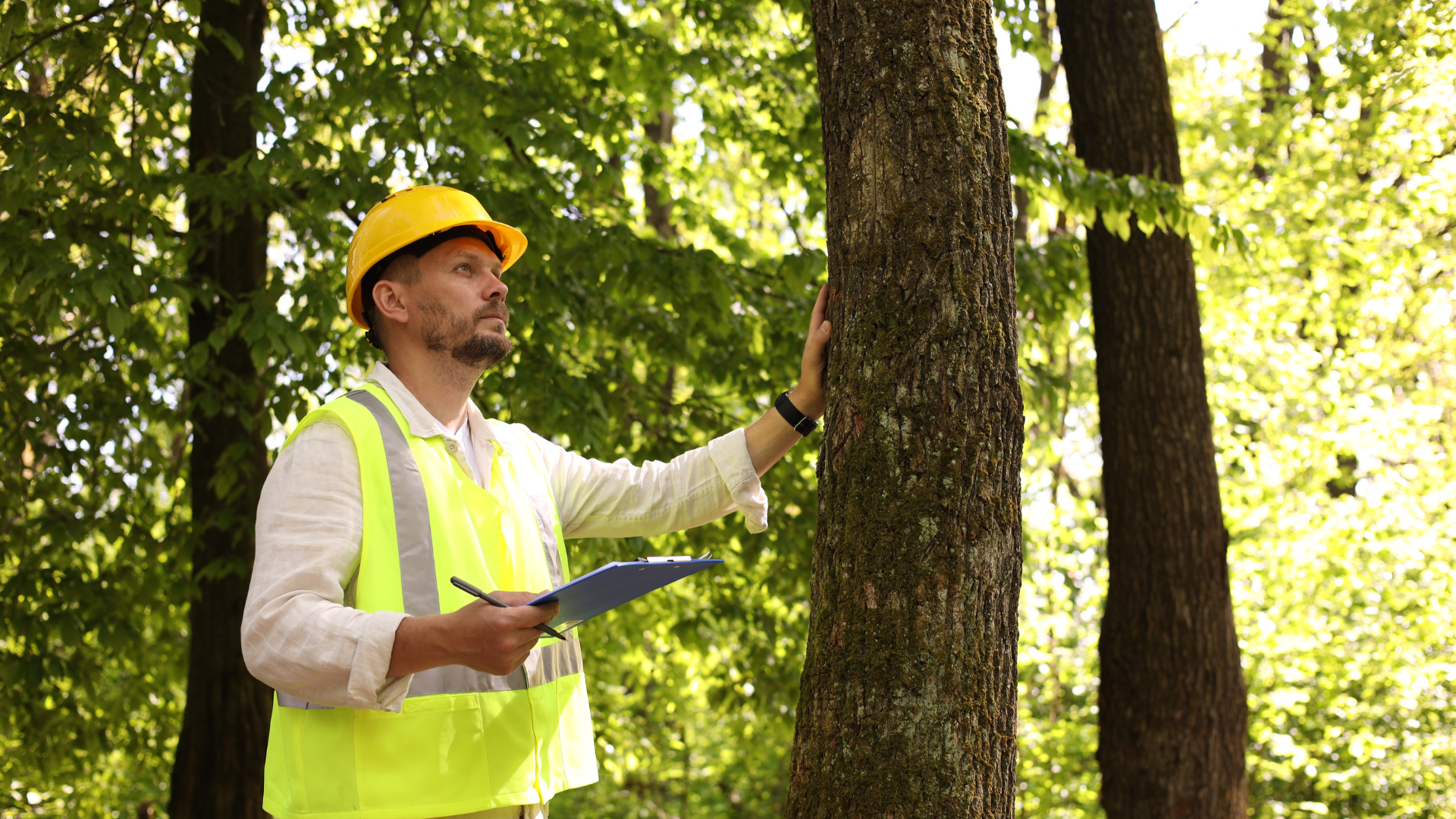
tree expert inspecting a tree pecked by a woodpecker

Professional Inspections Can Identify Hidden Issues

Because many tree pests live beneath the bark, diagnosing infestations can be difficult without specialized knowledge and experience.


Professional arborists look for subtle signs of insect activity, structural concerns, and overall tree health issues that may not be obvious to homeowners.


Identifying problems early often creates more opportunities for management and preservation.
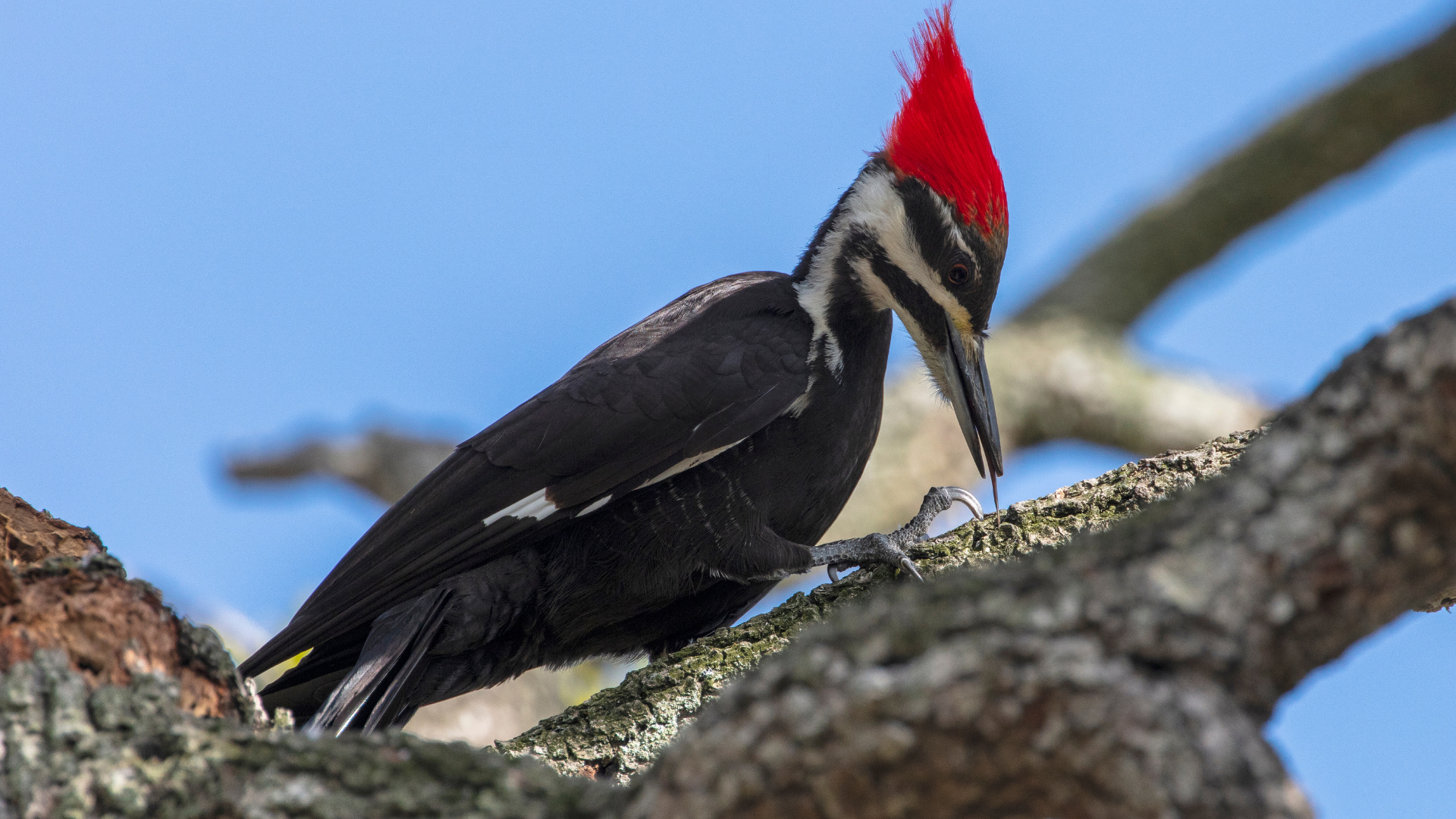
woodpecker looking for insects on a tree

Listening to Nature’s Clues

Woodpeckers are a natural part of the ecosystem, and their presence is not necessarily a cause for concern. However, significant or unusual activity on a particular tree can sometimes provide valuable clues about what is happening beneath the surface.


Midwest Tree Surgeons helps homeowners identify insect activity, evaluate tree health, and develop strategies for preserving valuable landscape trees. If you have noticed increased woodpecker activity or other signs of tree stress, a professional inspection can help determine whether pests or other underlying issues are affecting the tree.


Sometimes nature provides early warning signs. Knowing how to recognize them can help protect your trees for years to come.
July 14, 2026
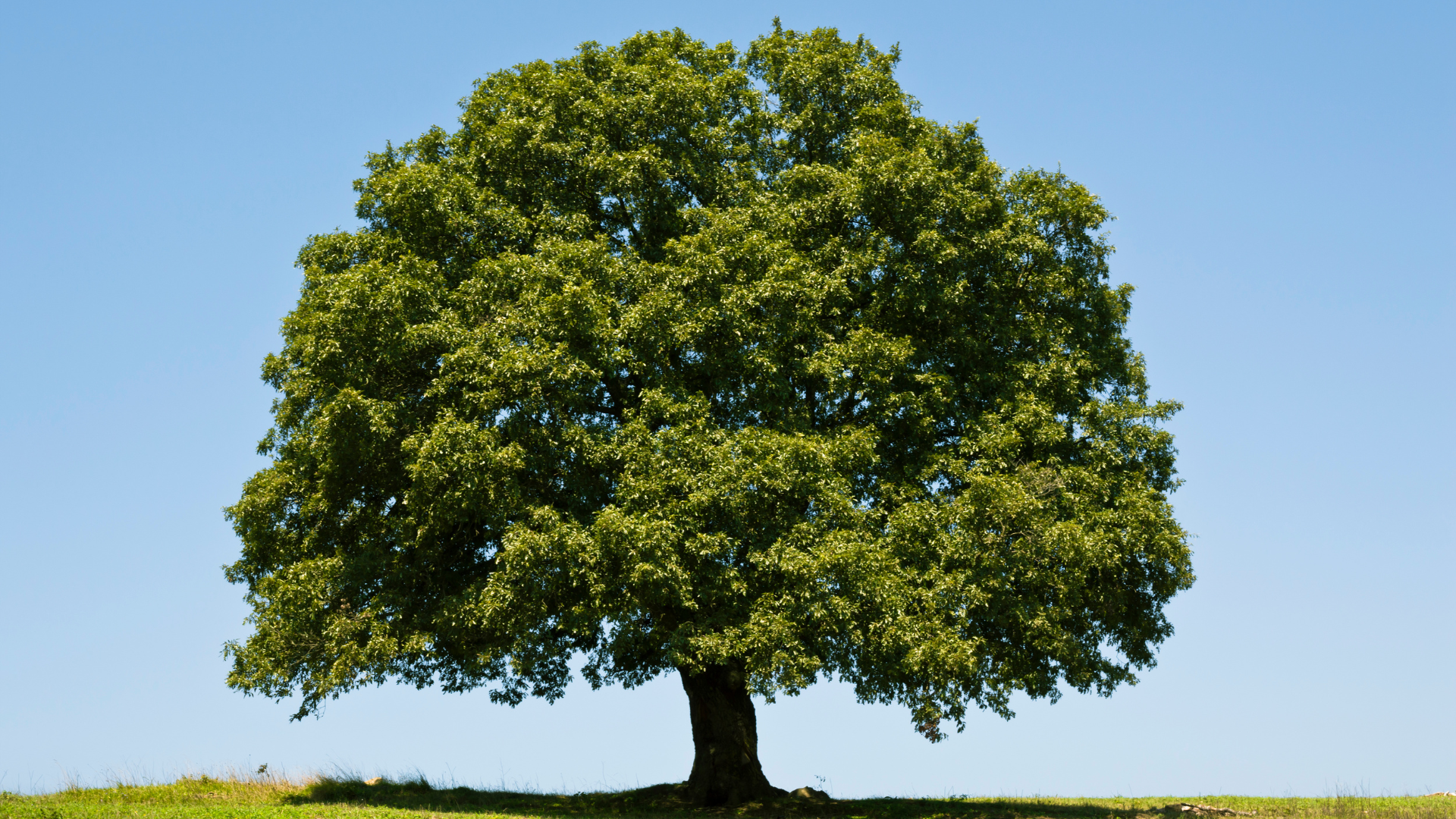
Trees are among the longest-living features on any property. A mature oak, maple, or other established tree may take decades to reach its full size, providing shade, beauty, wildlife habitat , and increased property value along the way. Because of the time and environmental benefits they represent, preserving healthy trees whenever possible is often a worthwhile investment.  Professional arborists play an important role in helping trees remain healthy, structurally sound, and capable of thriving for many years. Through regular evaluations and proactive care, they can identify potential problems early and recommend treatments that support long-term tree health.
July 8, 2026
Trees do much more than provide shade and enhance the beauty of a landscape. They are living ecosystems that support a remarkable variety of wildlife throughout every season. From nesting birds in the spring to sheltering mammals during the winter, healthy trees provide food, protection, and habitat for countless species.  For homeowners and property managers , understanding the connection between trees and wildlife offers another reason to invest in professional tree care. Proper maintenance not only helps preserve the health and appearance of trees but also supports the many forms of life that depend on them.
June 30, 2026
Trees add beauty, shade, and value to residential and commercial properties, but like any living organism, they change over time. While many trees remain healthy for decades, others may develop structural weaknesses that increase the likelihood of branch failure or even complete tree failure.  Identifying these concerns is not always straightforward. A tree may appear healthy on the outside while hiding internal defects, or it may display subtle warning signs that only a trained professional can recognize. That is why professional tree risk assessments are an important part of responsible property management. Certified arborists evaluate much more than whether a tree looks healthy. Their goal is to determine how likely a tree is to fail, what the consequences of that failure could be, and whether any corrective action is appropriate.
June 24, 2026
When planning a landscape, homeowners often focus on appearance, growth rate, shade potential, or seasonal color. While these factors certainly matter, another important consideration is whether a tree is native to the region.  Native trees have evolved alongside local soils, weather conditions, wildlife, and ecosystems for thousands of years. As a result, they often play a critical role in maintaining healthy landscapes and supporting the natural environment. Although non-native species can sometimes thrive in residential settings, native trees continue to provide unique benefits that make them valuable additions to properties and communities alike. Understanding why native trees remain important can help property owners make informed decisions about their landscapes.
June 17, 2026
Summer brings plenty of activity to the landscape , but not all of it is beneficial. While homeowners often focus on watering, mowing, and maintaining their outdoor spaces during the warmer months, another seasonal visitor can create significant problems for trees and plants: the Japanese beetle.  Japanese beetles are among the most recognizable insect pests found throughout much of the Midwest. Their metallic green bodies and copper-colored wings make them easy to identify, but the damage they leave behind is often what attracts the most attention. During peak summer months, large populations of these insects can feed on a variety of trees and ornamental plants, affecting both appearance and overall plant health. Understanding how Japanese beetles impact trees can help homeowners recognize potential problems and determine when professional assistance may be beneficial.
June 3, 2026
Summer is a busy season for trees. While homeowners often focus on growth, shade, and landscaping during the warmer months, it is also the time of year when many insect populations become more active. Among the most common tree pests are sap-feeding insects, which can quietly affect tree health without attracting immediate attention.  Many homeowners notice symptoms such as sticky leaves, discolored foliage, or unusual insect activity without realizing that sap-feeding pests may be the cause. Understanding these insects and recognizing early warning signs can help property owners address problems before they become more serious. Midwest Tree Surgeons regularly helps homeowners evaluate tree health concerns, including damage caused by insects and environmental stress. Early identification remains one of the most effective ways to protect valuable landscape trees.
May 26, 2026
Summer is often associated with healthy green landscapes and active plant growth, but extended heat and dry conditions can place significant stress on trees. While mature trees may appear stable and resilient from the outside, prolonged summer heat can quietly affect their internal health, moisture balance, and long-term structural stability.  At Midwest Tree Surgeons, we help homeowners understand how environmental stress affects trees throughout the growing season and why summer inspections can be an important part of long-term tree care.
May 19, 2026
When people think about drought conditions, they usually picture dry grass, dusty soil, and immediate signs of heat stress. Trees, however, often respond differently. Unlike lawns or smaller plants, mature trees may continue looking relatively healthy during periods of dry weather, even while internal stress is developing beneath the surface.  One of the most challenging aspects of drought-related tree damage is that symptoms are frequently delayed. In many cases, trees begin showing visible decline months after the drought itself has passed. At Midwest Tree Surgeons, we regularly help homeowners identify delayed drought stress before it progresses into larger structural or health problems.
May 13, 2026
Trees are built to withstand changing seasons, but repeated environmental stress can gradually affect their health and stability. One of the most significant seasonal stressors in many regions is the freeze-thaw cycle. While it may seem like a normal part of winter weather, this constant fluctuation between freezing and thawing can place long-term strain on trees in ways that are not always immediately visible.  Understanding how freeze-thaw cycles affect trees helps explain why early summer is an ideal time for a professional tree inspection.
May 5, 2026
Trees are often perceived as resilient and self-sustaining, capable of withstanding years of environmental stress. While this is true to an extent, injuries to a tree can initiate internal processes that are not visible from the outside. Understanding what happens inside a tree after it is injured helps explain why some trees decline over time, even when they appear stable at first.  At Midwest Tree Surgeons, evaluating these hidden processes is an important part of maintaining long-term tree health and property safety.
More Posts