Why a Tree Can Look Healthy on Top While Declining Below Ground
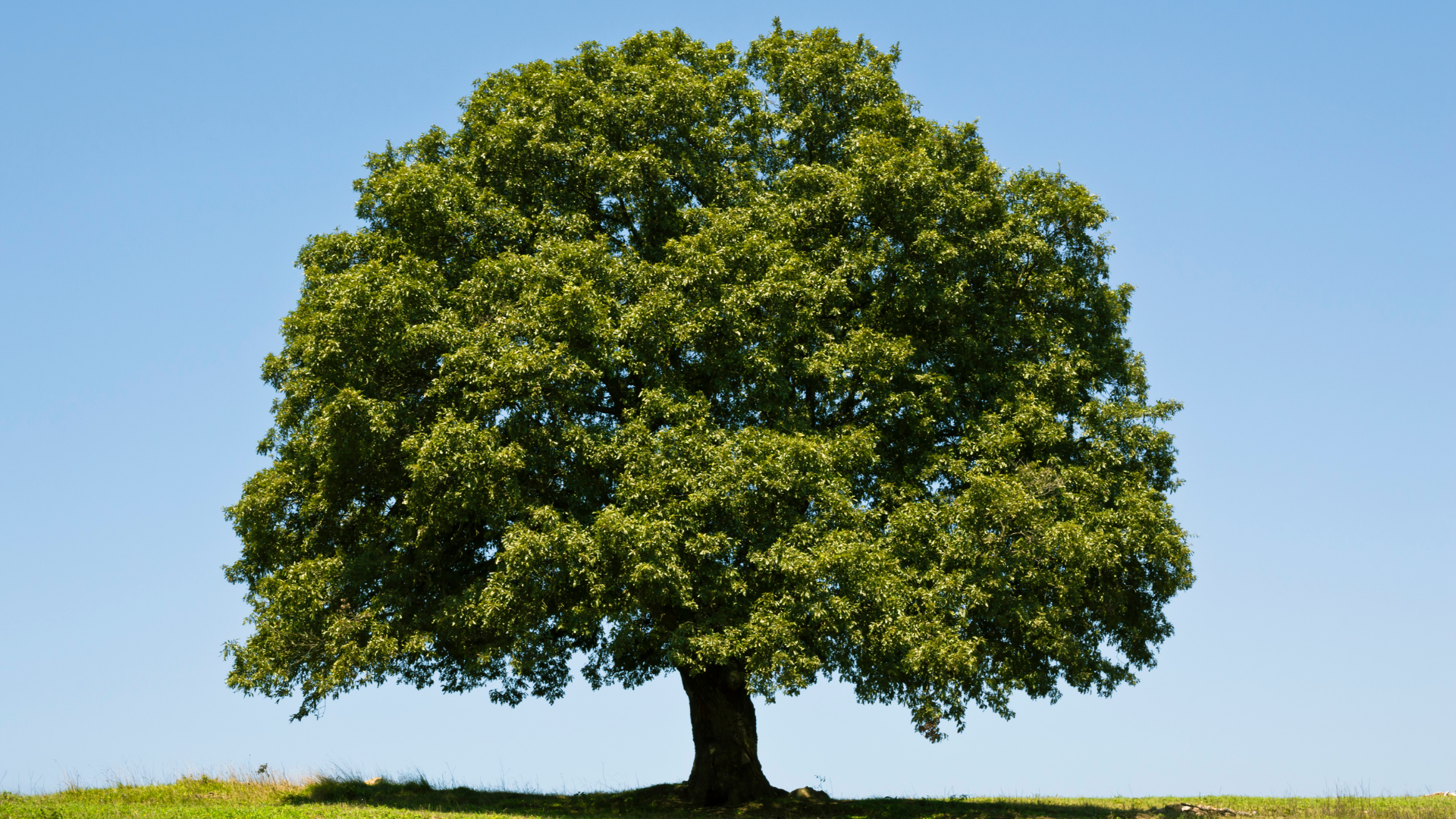
A full canopy can be reassuring.
If a tree is covered in green leaves and producing normal seasonal growth, it is easy to assume everything is fine.
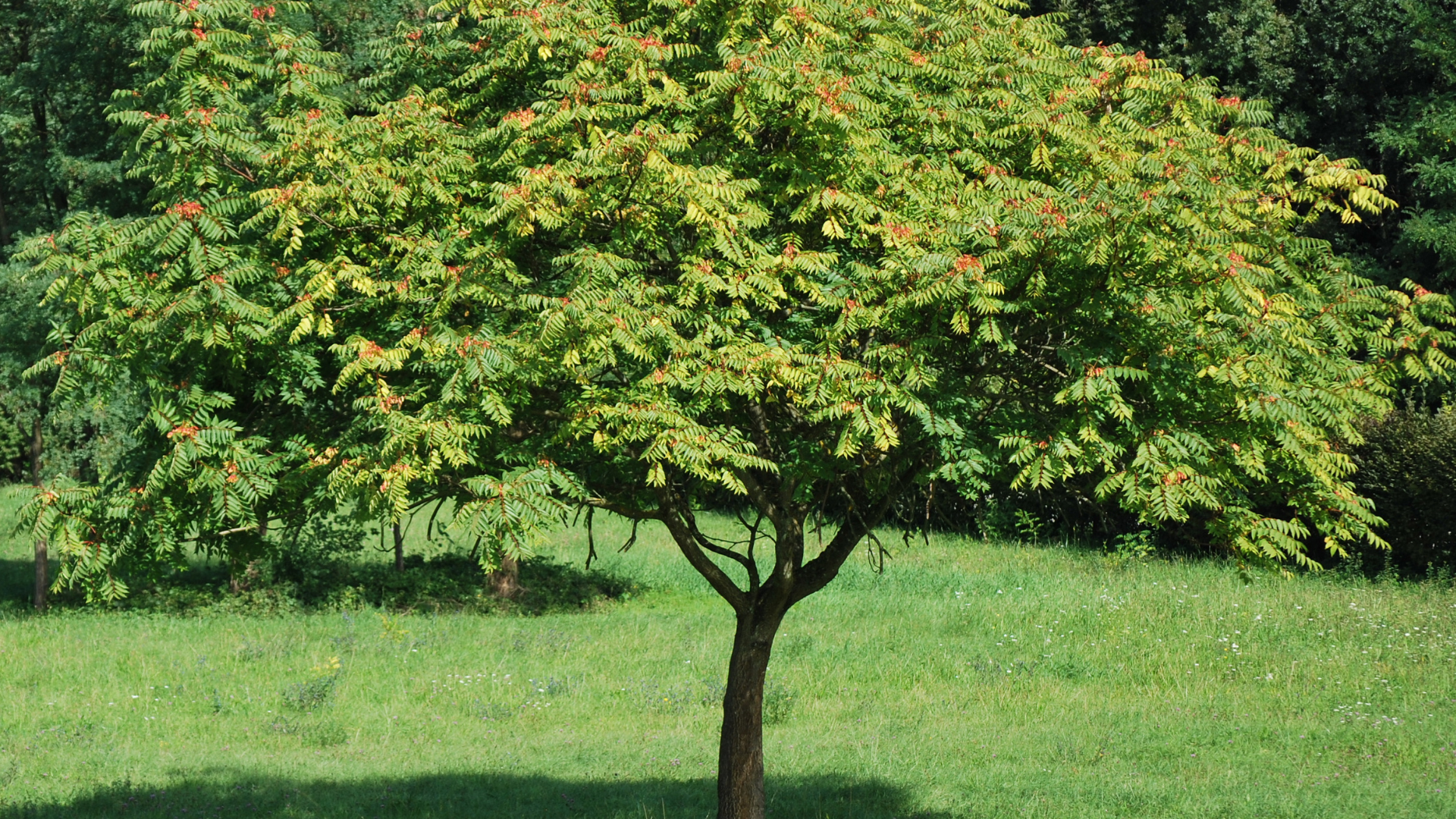
But trees can sometimes maintain a healthy-looking canopy while problems are developing below ground.
Roots, soil conditions, drainage, compaction, and structural changes around the base of the tree can all affect long-term health before the symptoms become obvious overhead.
That is why looking only at the leaves can give an incomplete picture.
Roots Do More Than Hold the Tree Up
A tree’s roots help anchor it, but they also absorb water and nutrients and support the entire canopy.
When those roots are damaged or stressed, the effects may take time to appear.
A tree has stored energy and can sometimes continue producing leaves even while part of the root system is struggling.
That delay can be misleading.
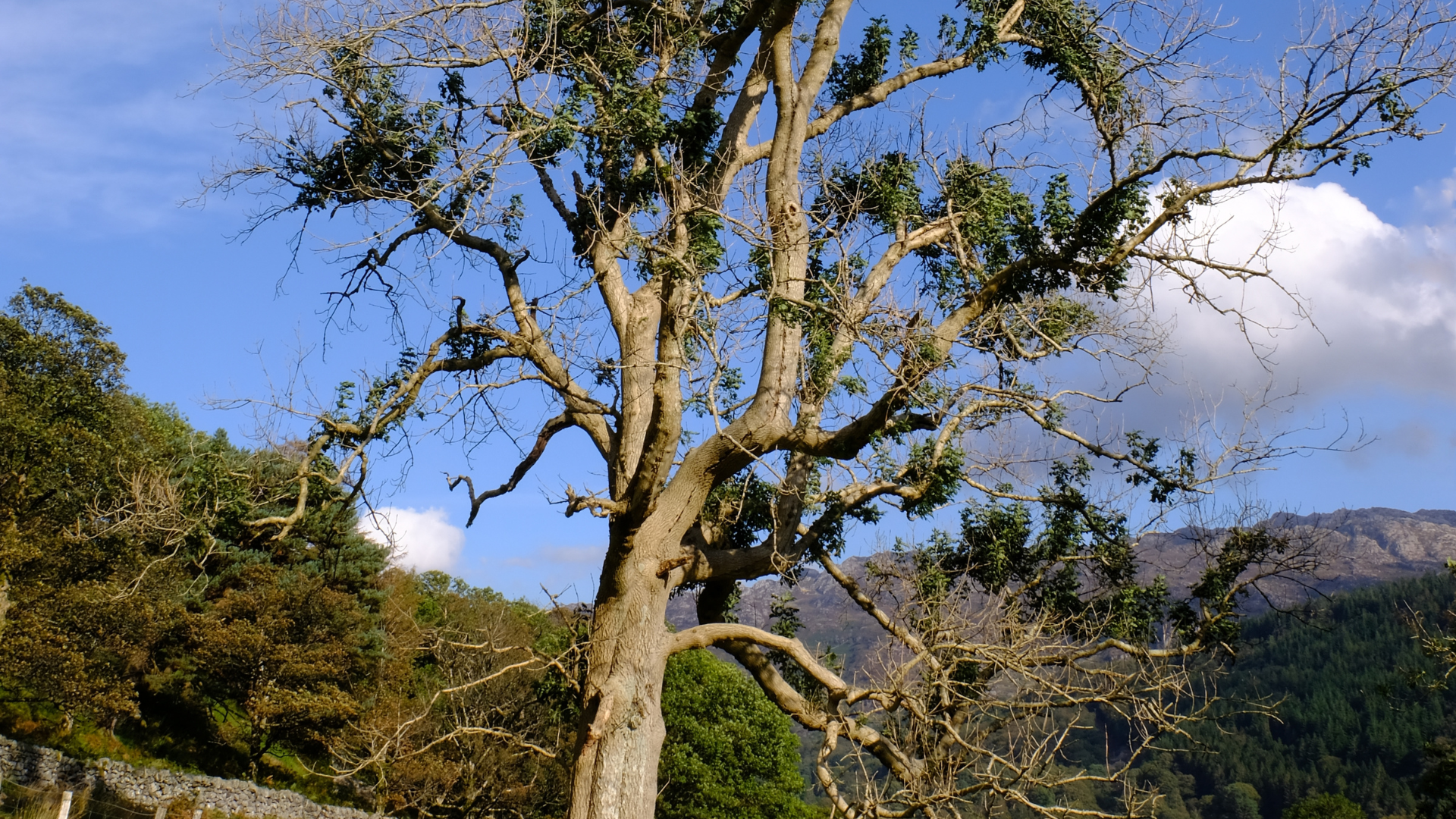
By the time significant thinning, dieback, or discoloration appears in the canopy, the underlying problem may have been developing for months or even years.

Construction Can Create Delayed Problems
One of the most common ways root systems are disturbed is through construction.
A new driveway, patio, sidewalk, utility trench, addition, or landscaping project may change the soil around a mature tree.
Roots can be cut directly.
Soil can become compacted by heavy equipment.
Drainage patterns can shift.
Additional soil may be piled over the root zone.
The tree may still look normal immediately afterward.
That does not necessarily mean the work had no effect.
Root-related stress can take time to move upward into the canopy.

Soil Compaction Can Be Easy to Miss
Healthy roots need access to both moisture and oxygen.
Compacted soil can make that more difficult.
Repeated vehicle traffic, heavy foot traffic, construction equipment, or storing materials beneath a tree can compress the soil around roots.
The ground may not look dramatically different, but the conditions below the surface can change.
Over time, reduced root function may contribute to slower growth, smaller leaves, branch dieback, or reduced resilience during drought and heat.
Drainage Changes Matter Too
Too little water can stress a tree, but too much can be a problem as well.
If grading changes cause water to collect around the root zone, some roots may remain saturated for extended periods.
Poor drainage can reduce oxygen availability in the soil and contribute to root decline.
The opposite can happen if water that once reached the tree is redirected away.
Either change may affect an established tree that had adapted to the same site conditions for years.

Look at the Base, Not Just the Canopy
The lower trunk and root flare can offer important clues.
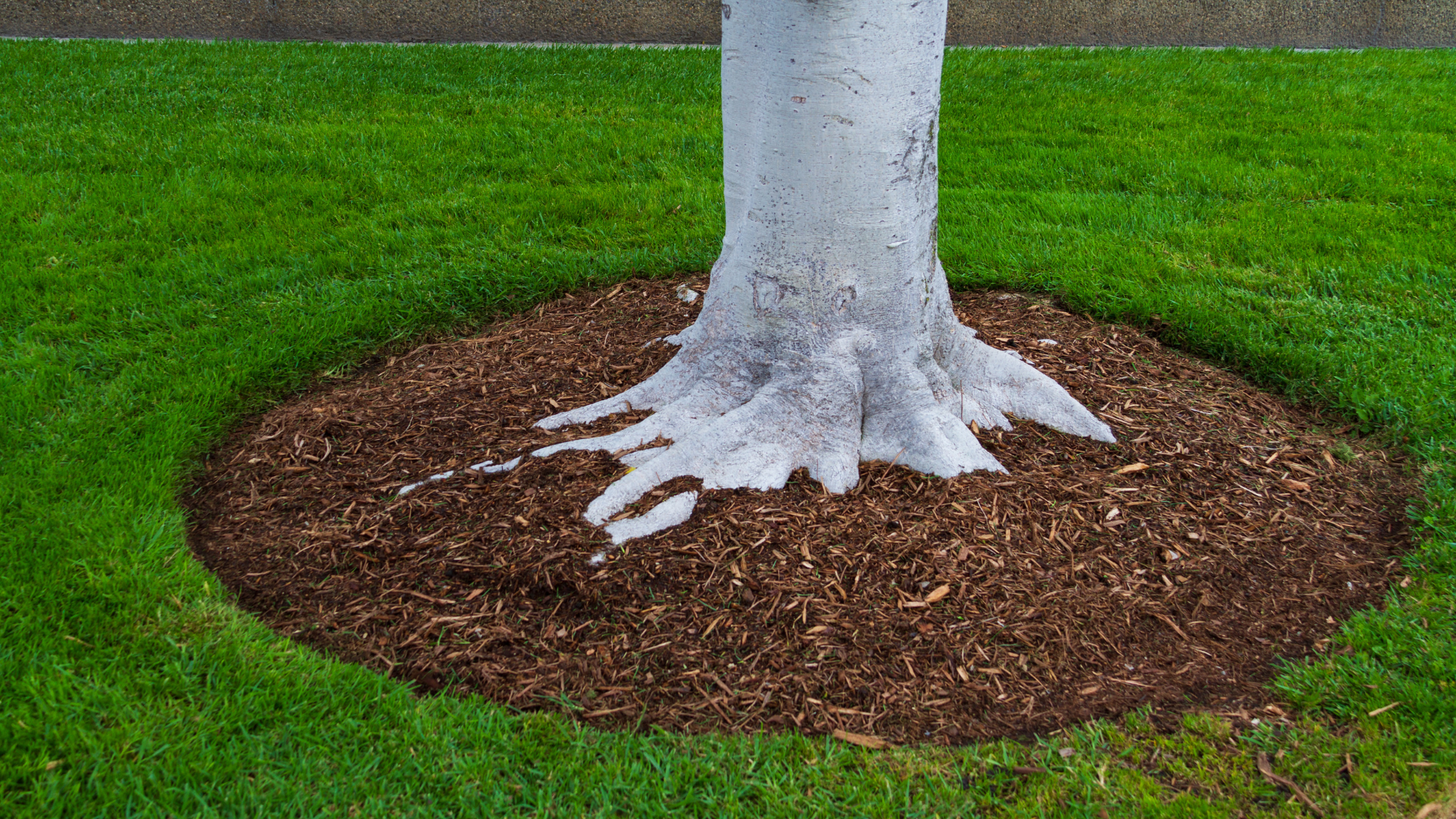
A properly developed tree usually broadens where the trunk meets the ground.
If the trunk appears to enter the soil like a pole, the root flare may be buried beneath excess soil or mulch.
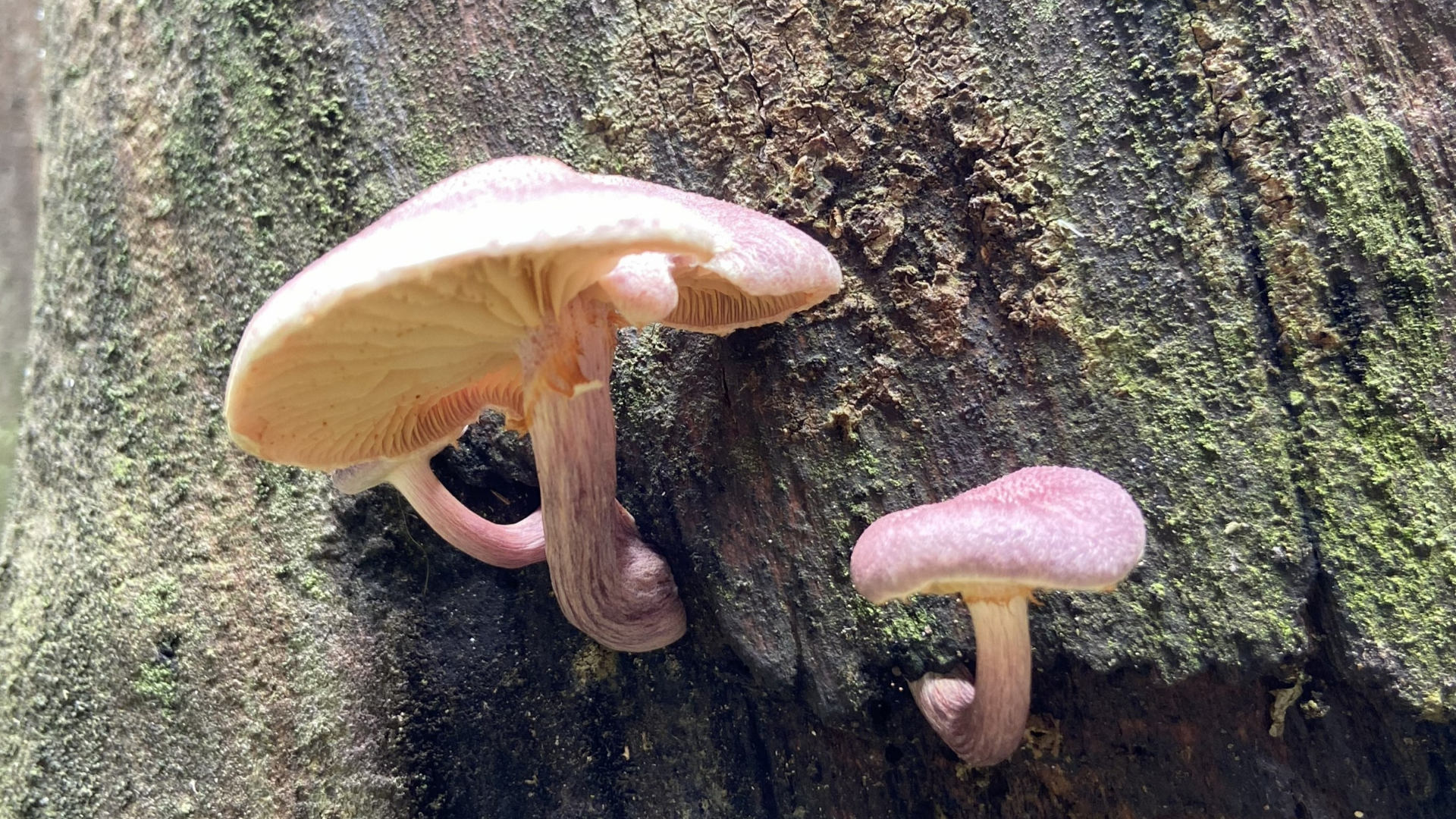
Homeowners should also watch for fungal growth near the base, cavities, damaged roots, new leaning, cracking soil, or changes in the ground around the tree.
None of these signs alone automatically means a tree is unsafe, but they deserve attention in context.
Canopy Symptoms May Show Up Later
When root problems progress, the canopy often begins to respond.
Leaves may become smaller.
Growth may slow.
Branches may die back at the tips.
One side of the crown may thin more than the other.
The tree may also become more vulnerable to insects or disease because it is already under stress.
That is why early evaluation can be valuable.

A Whole-Tree Assessment Gives Better Information
Tree health is not just about what is visible overhead.
The canopy, trunk, roots, soil, drainage, and surrounding property all interact.
Midwest Tree Surgeons can evaluate those factors together when a mature tree seems healthy but conditions around it have changed.
If construction, soil compaction, drainage problems, or root disturbance has occurred near an important tree, do not rely on green leaves alone as proof that everything is fine.
A closer assessment can help identify developing problems before the canopy tells the full story.