How a Long-Lived Tree Can Become a Valuable Part of a Property’s Identity
Some trees become more than landscaping.
They become landmarks.
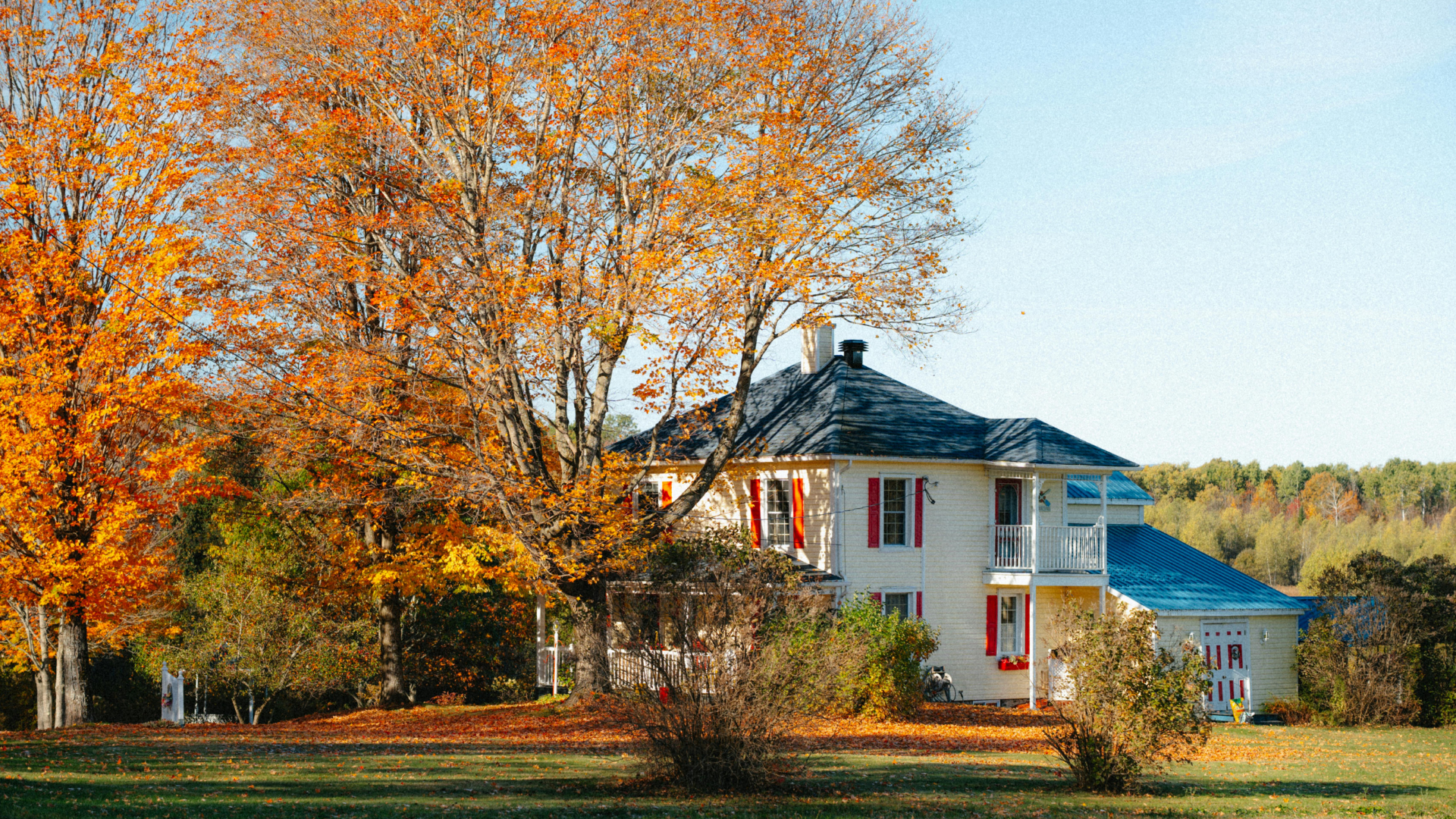
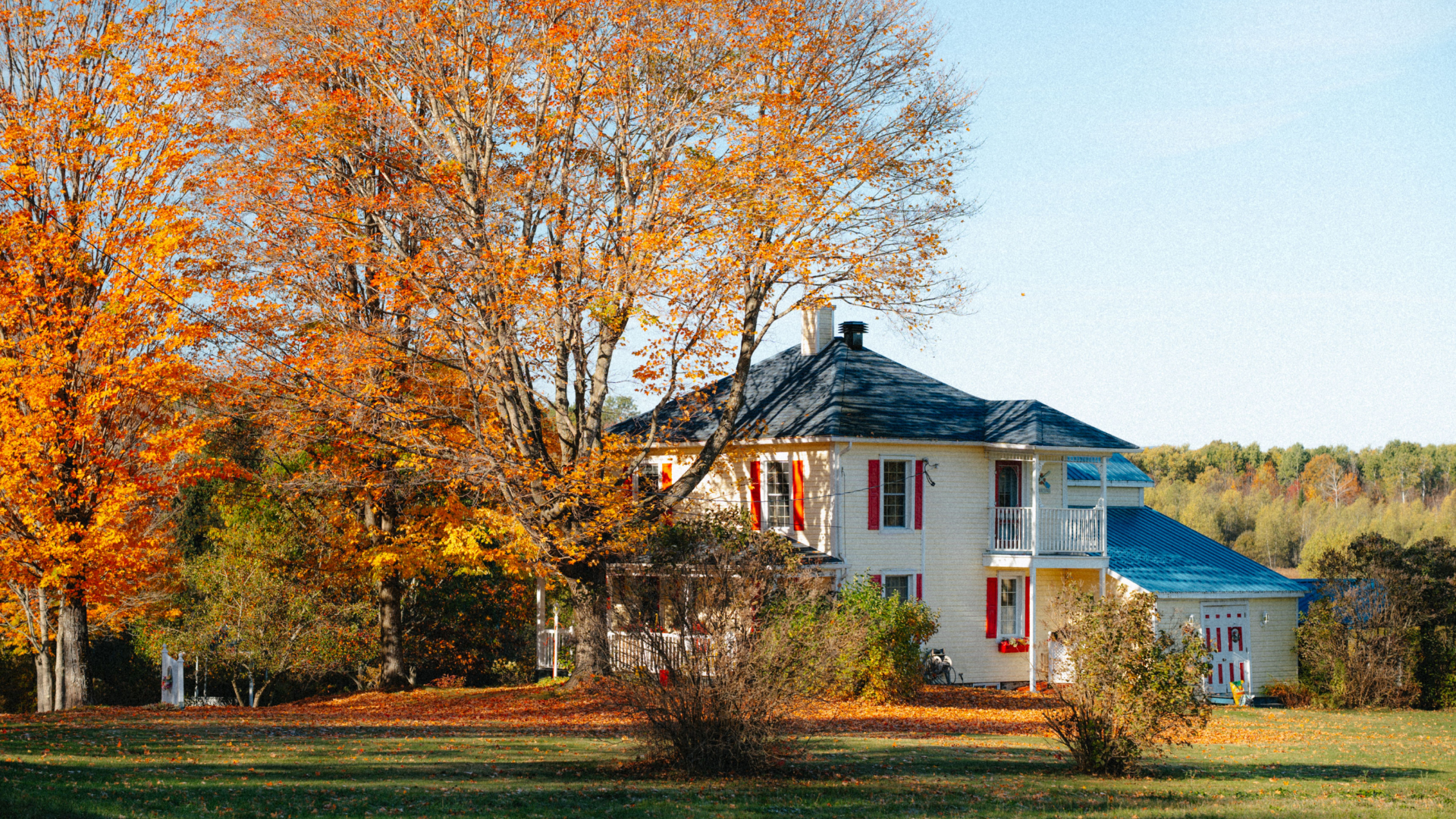
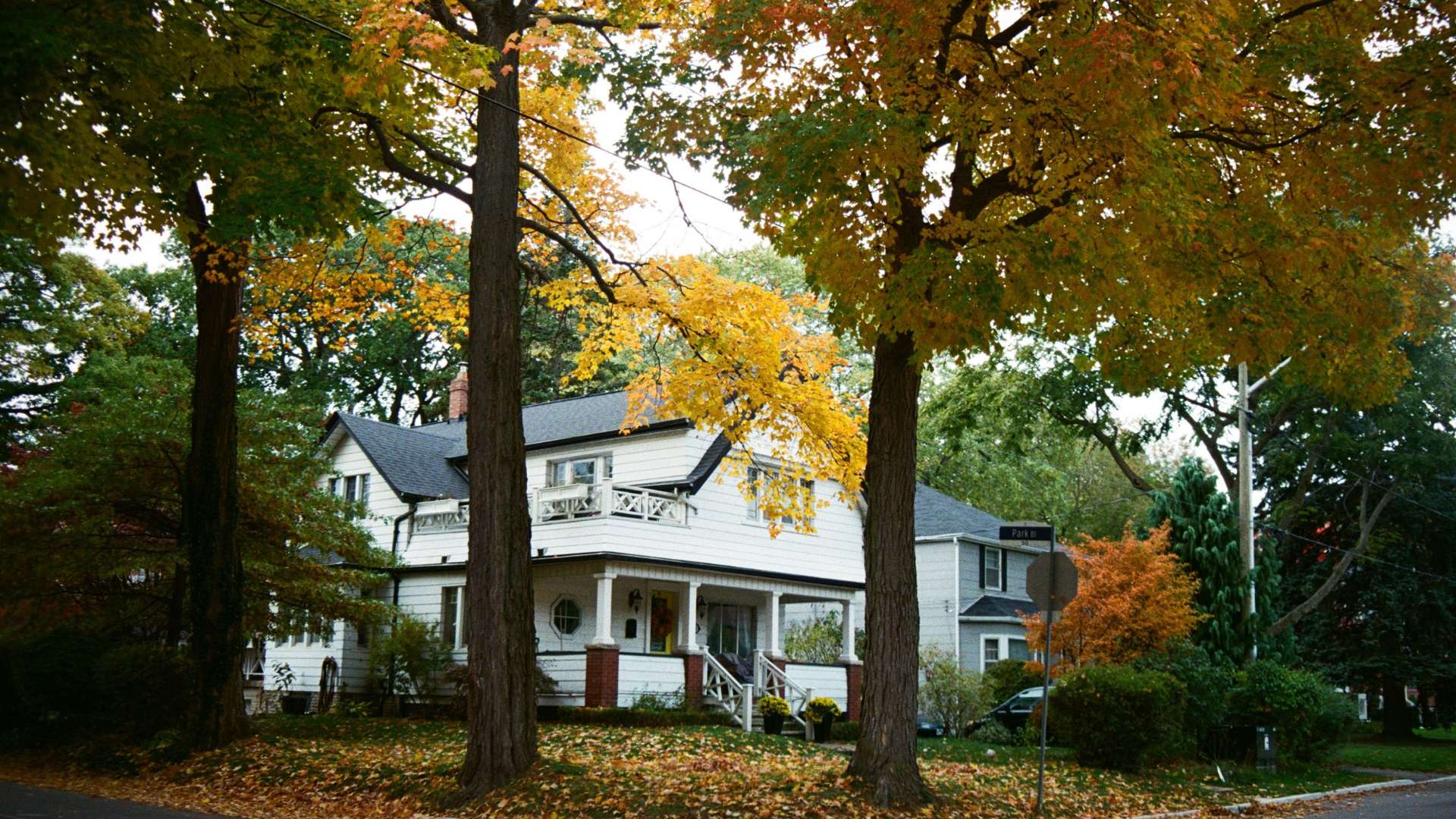
A mature oak near the driveway, an old maple shading the backyard, or a large tree that has stood beside a home for generations can become part of how people recognize and remember a property.
That kind of tree has value that is difficult to measure with size alone.
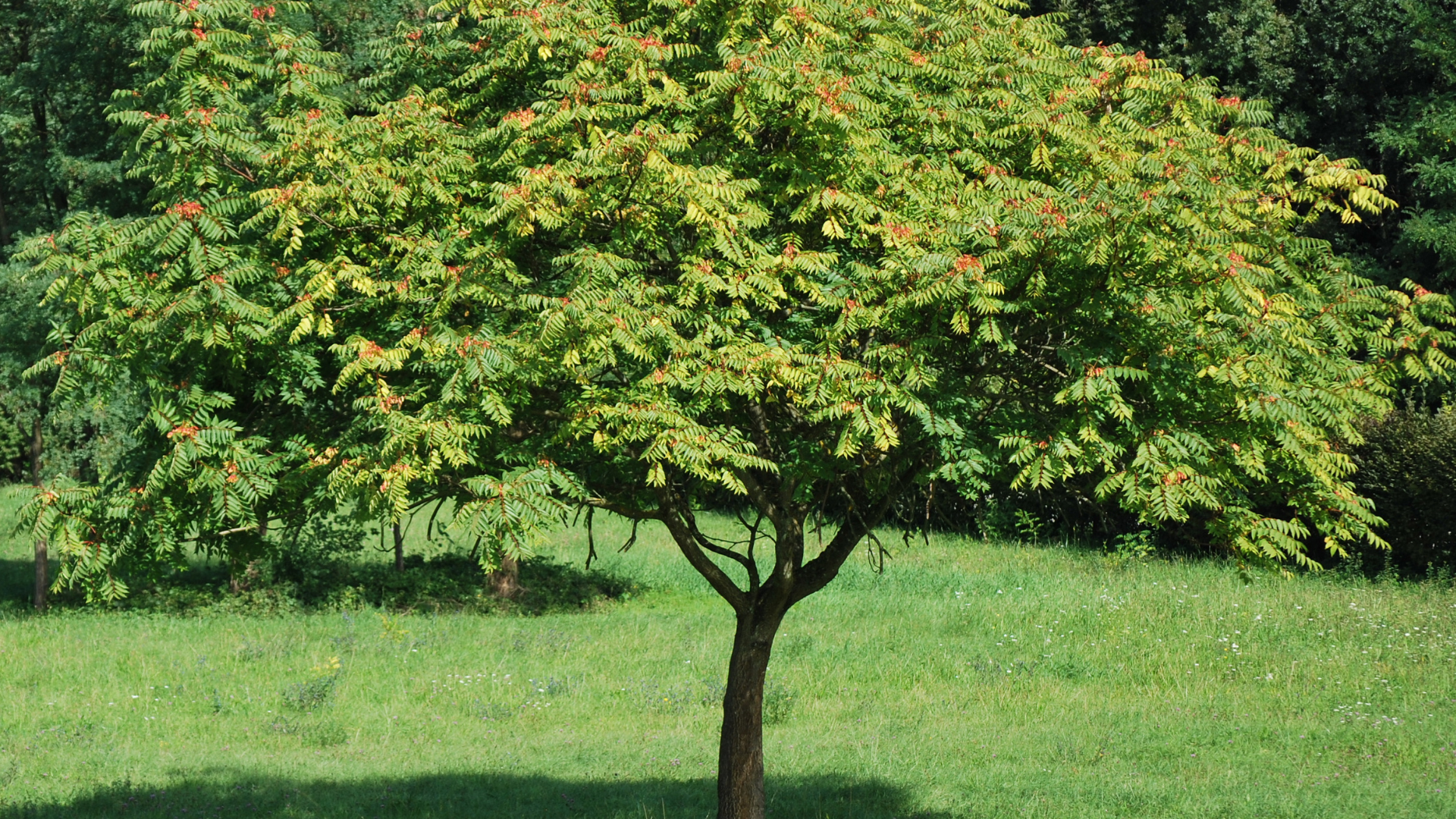
It can shape the look of the land, provide shade, frame views, and create a sense of permanence that younger landscaping simply cannot reproduce overnight.
That is why preserving a healthy, long-lived tree can be worth serious consideration.
Mature Trees Create a Sense of Place
A large established tree changes the character of a property.
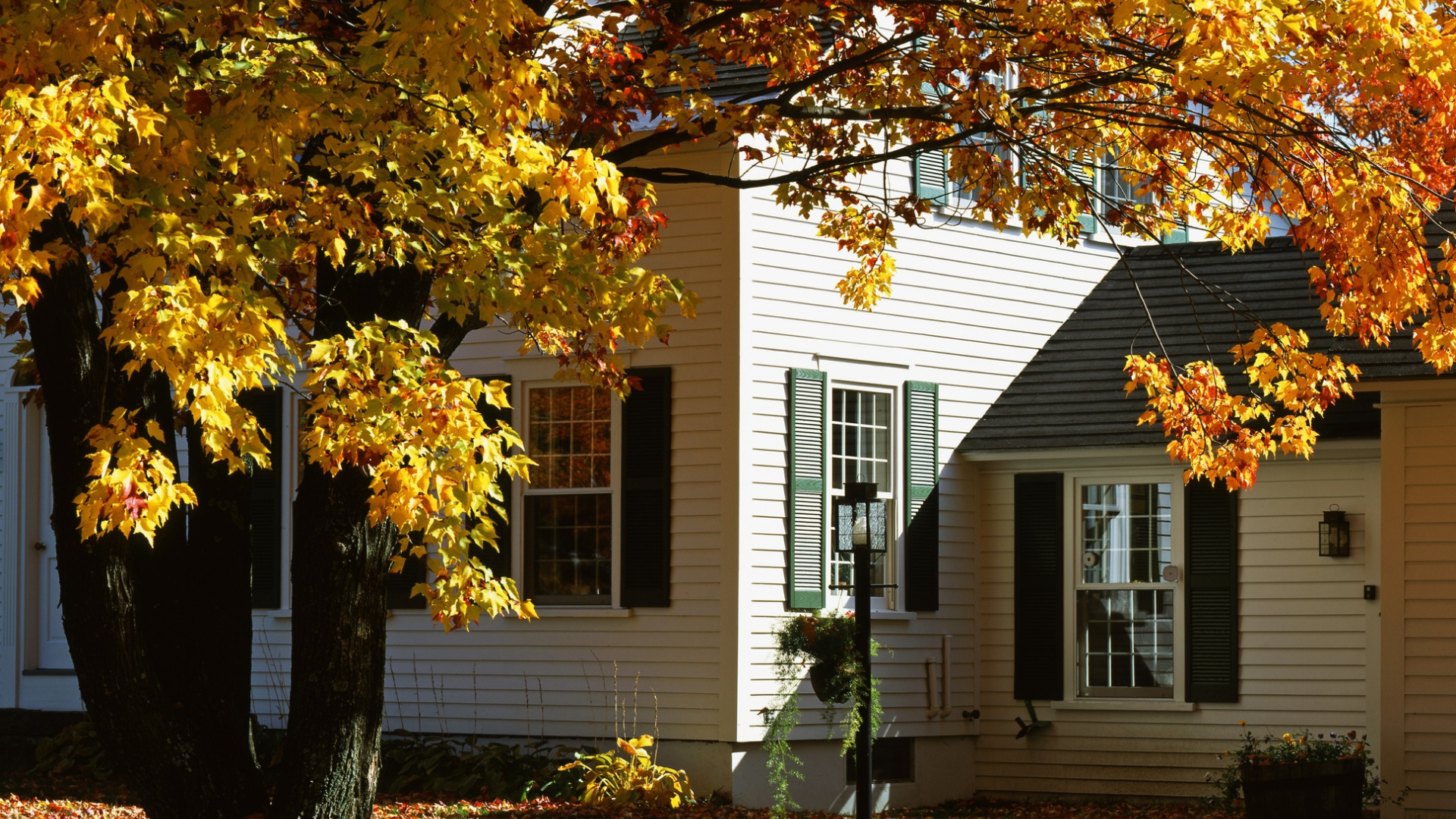
Its canopy can define an outdoor space, soften architecture, and make a yard feel settled rather than newly assembled.
Over time, people begin to associate the tree with the property itself.
That is especially true for species known for longevity.
Across the American Midwest, certain oaks, hickories, maples, sycamores, and other native trees can remain part of the landscape for many decades when conditions are favorable.
Their size and age give them a visual presence that takes years to develop.
Old Does Not Automatically Mean Unsafe
Homeowners sometimes assume that a very old tree should be removed simply because of its age.
Age alone is not enough to determine risk.
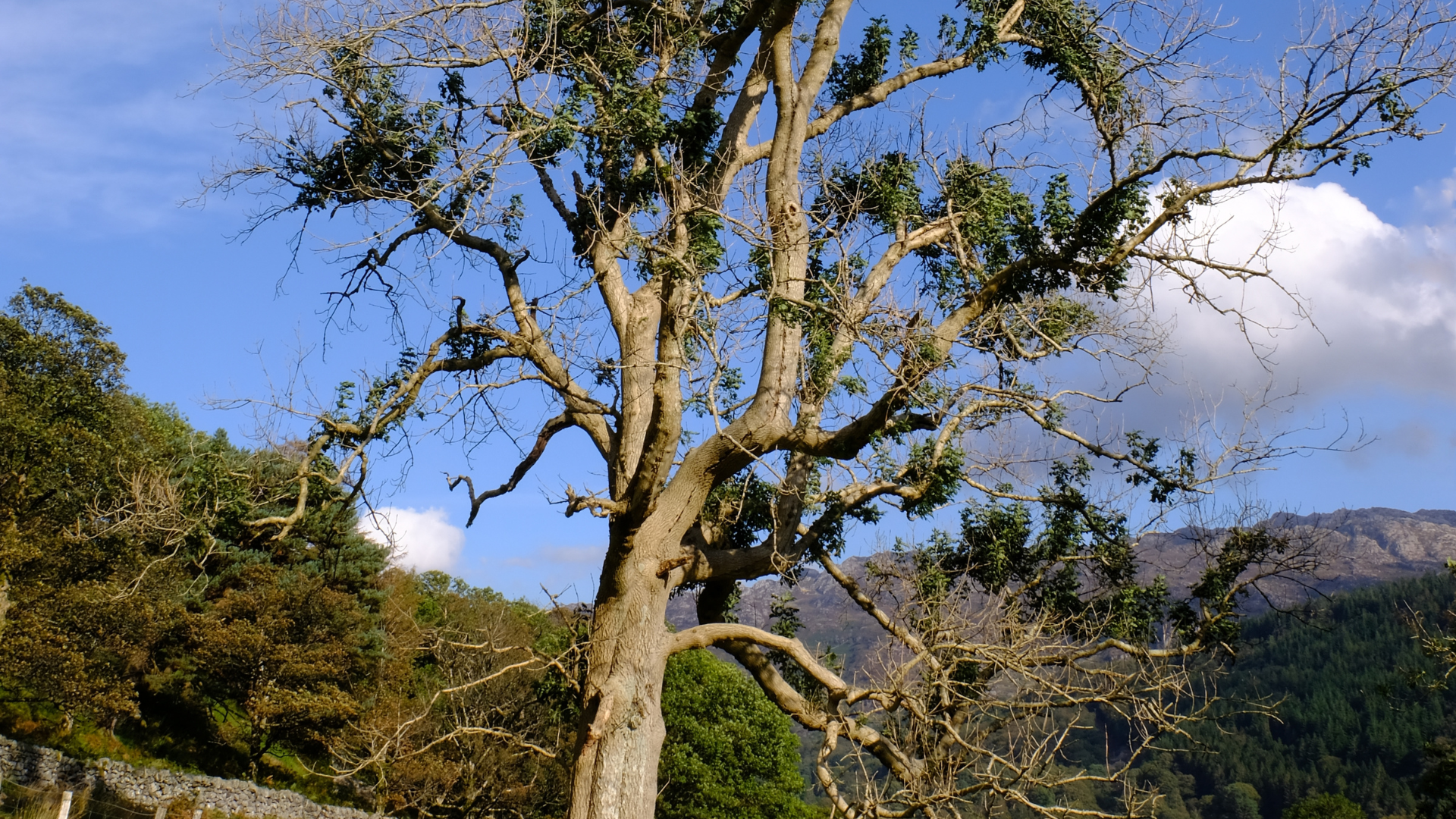
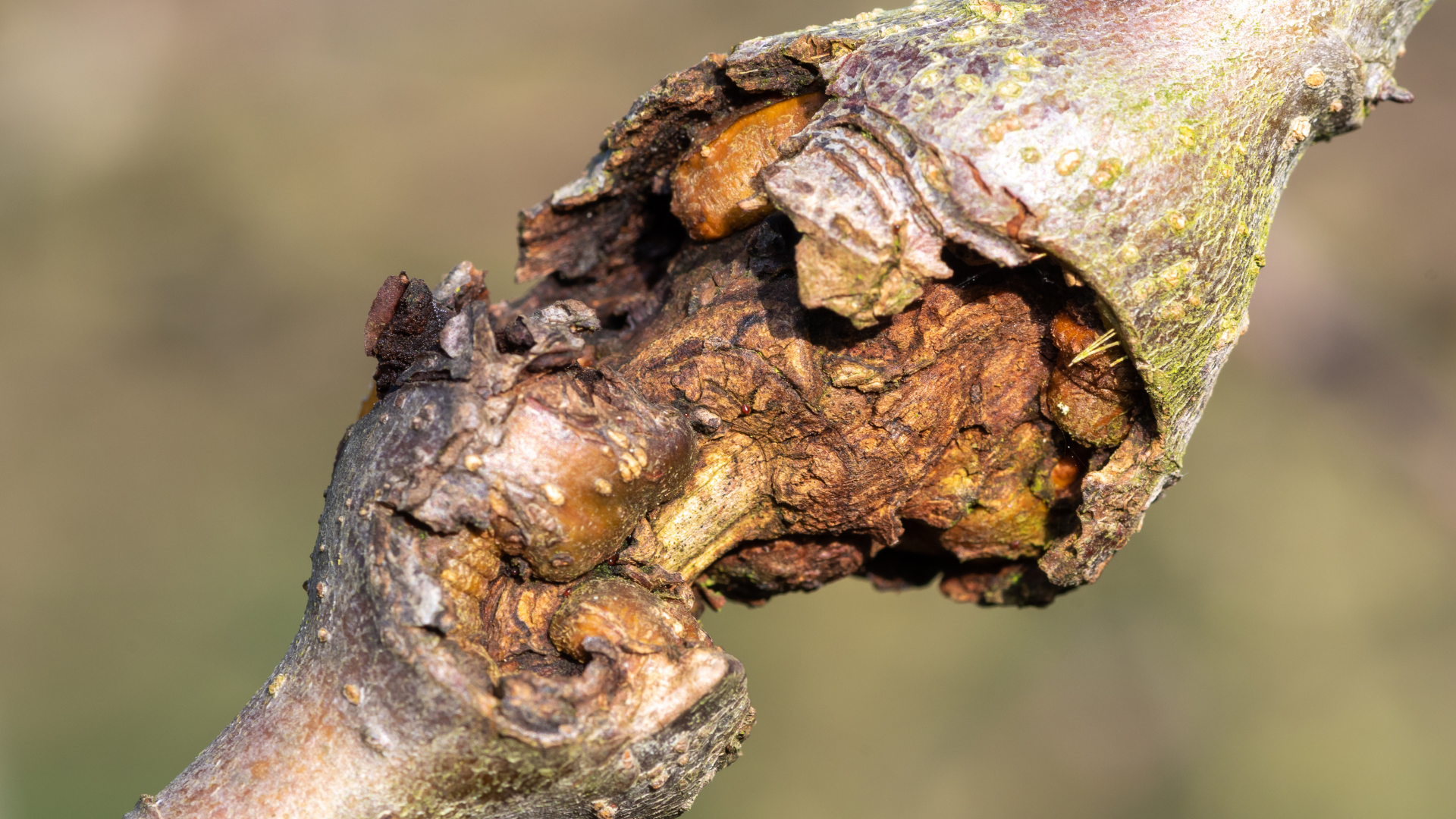
A mature tree may have cavities, deadwood, old pruning wounds, or other visible signs of age and still retain significant structural strength.
At the same time, a tree that looks healthy from a distance can sometimes have hidden weaknesses.
That is why evaluation matters.
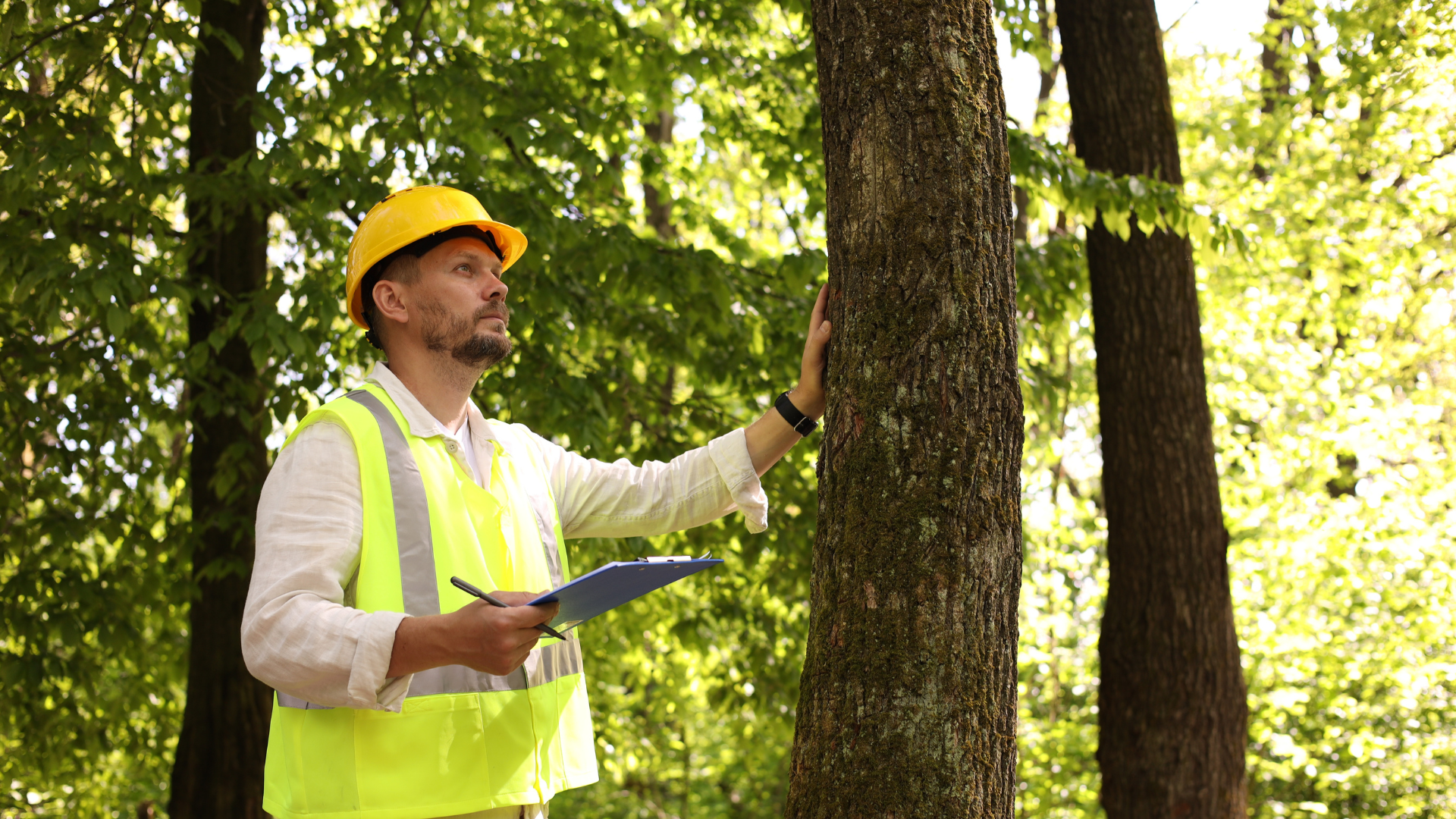
The certified arborists at Midwest Tree Surgeons can assess trunk condition, branch structure, root-zone issues, canopy health, and surrounding targets before recommending pruning, monitoring, or removal.
The goal should be to understand the tree, not judge it by age alone.
Preservation Often Depends on the Space Around the Tree
One of the biggest threats to mature trees is not always the tree itself.
It is what changes around it.
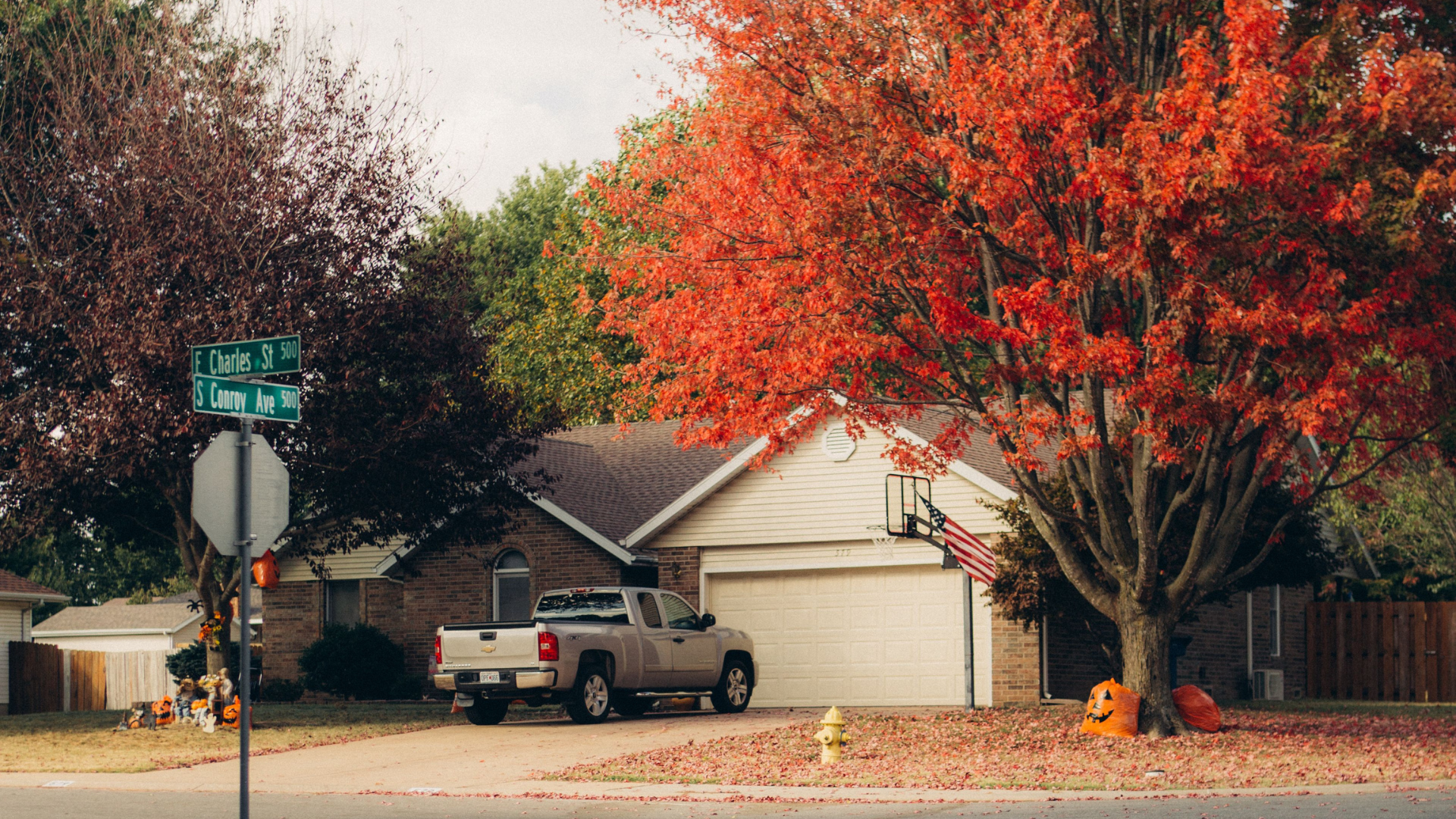
Construction, grading, trenching, new pavement, soil compaction, drainage changes, and landscaping work can all affect established root systems.
A tree that adapted to one environment for decades may struggle when that environment changes suddenly.
Even adding too much soil around the trunk or repeatedly driving heavy equipment over the root zone can create long-term stress.
Protecting a landmark tree often means protecting the ground around it too.
Pruning Should Support Structure, Not Erase Character
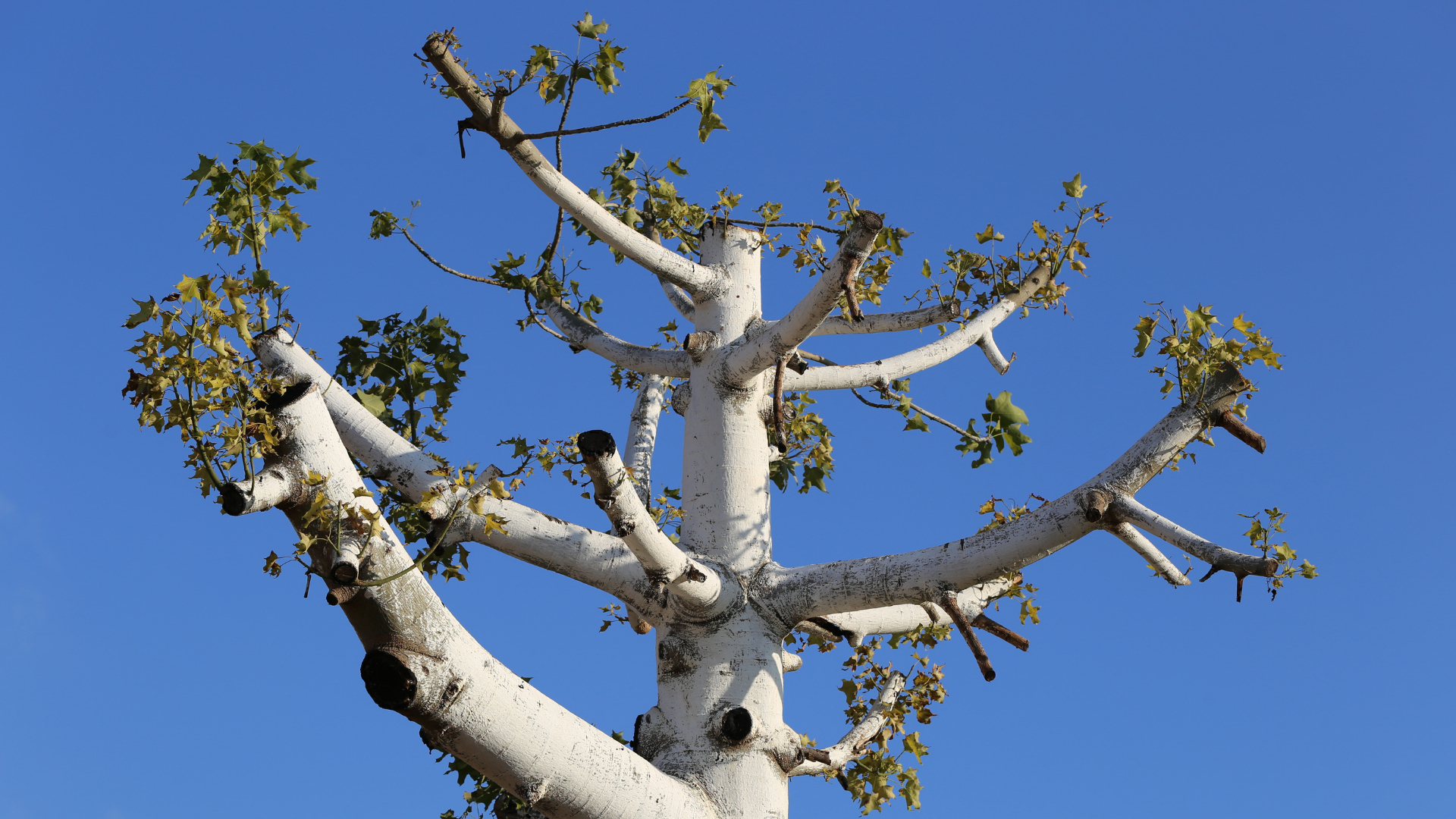
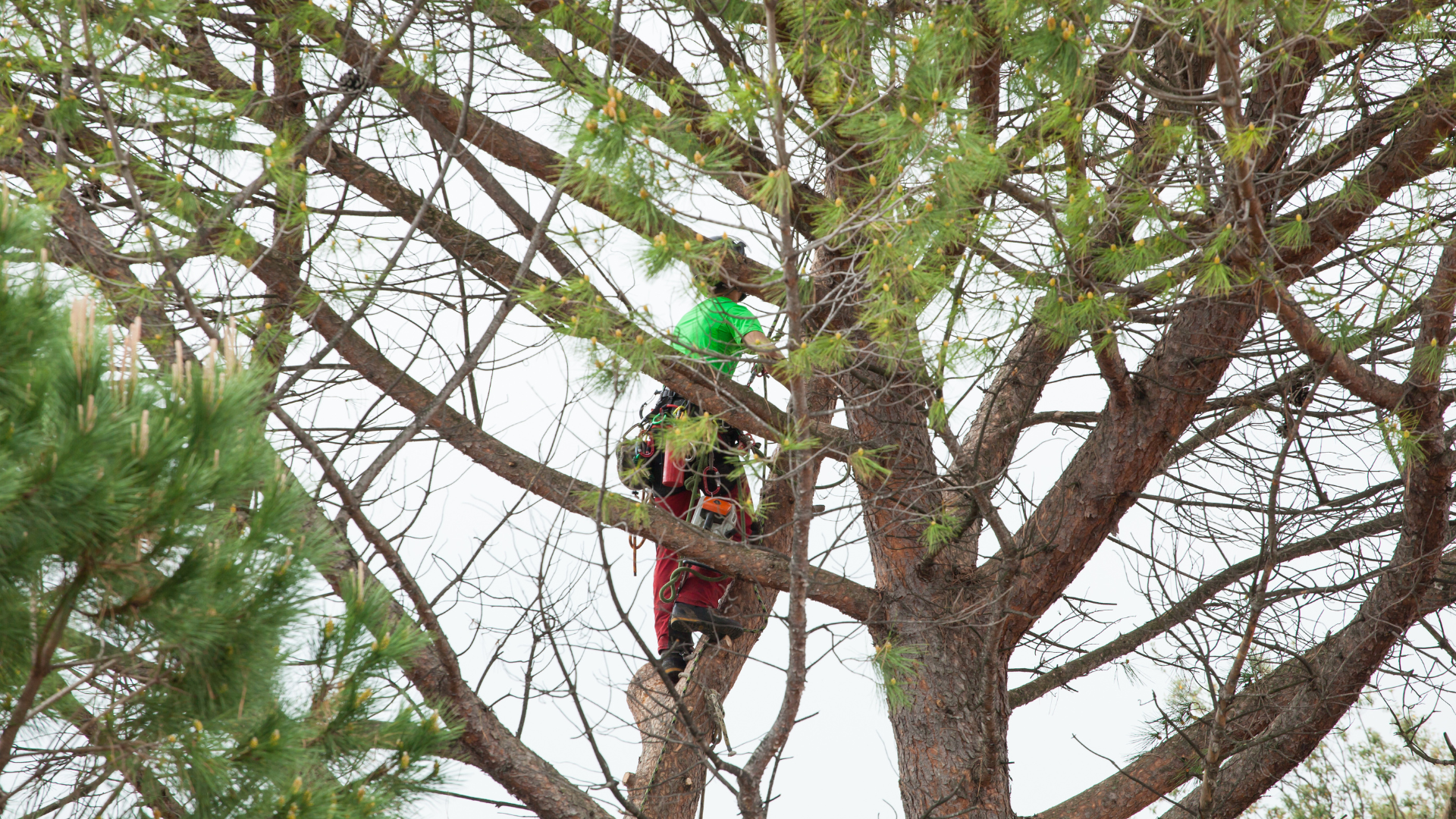
Mature trees often need pruning, but aggressive cutting can do more harm than good.
Large limbs should not be removed casually simply to make the tree look “cleaner.”
The better objective is usually to address specific structural concerns.
That may include removing deadwood, improving clearance, reducing weight on selected limbs, or managing branches with poor attachments.
Thoughtful pruning can help maintain the natural form that makes the tree distinctive in the first place.
Monitoring Can Be as Important as Immediate Work
Not every concern requires an immediate major intervention.
Some mature trees benefit from periodic monitoring.
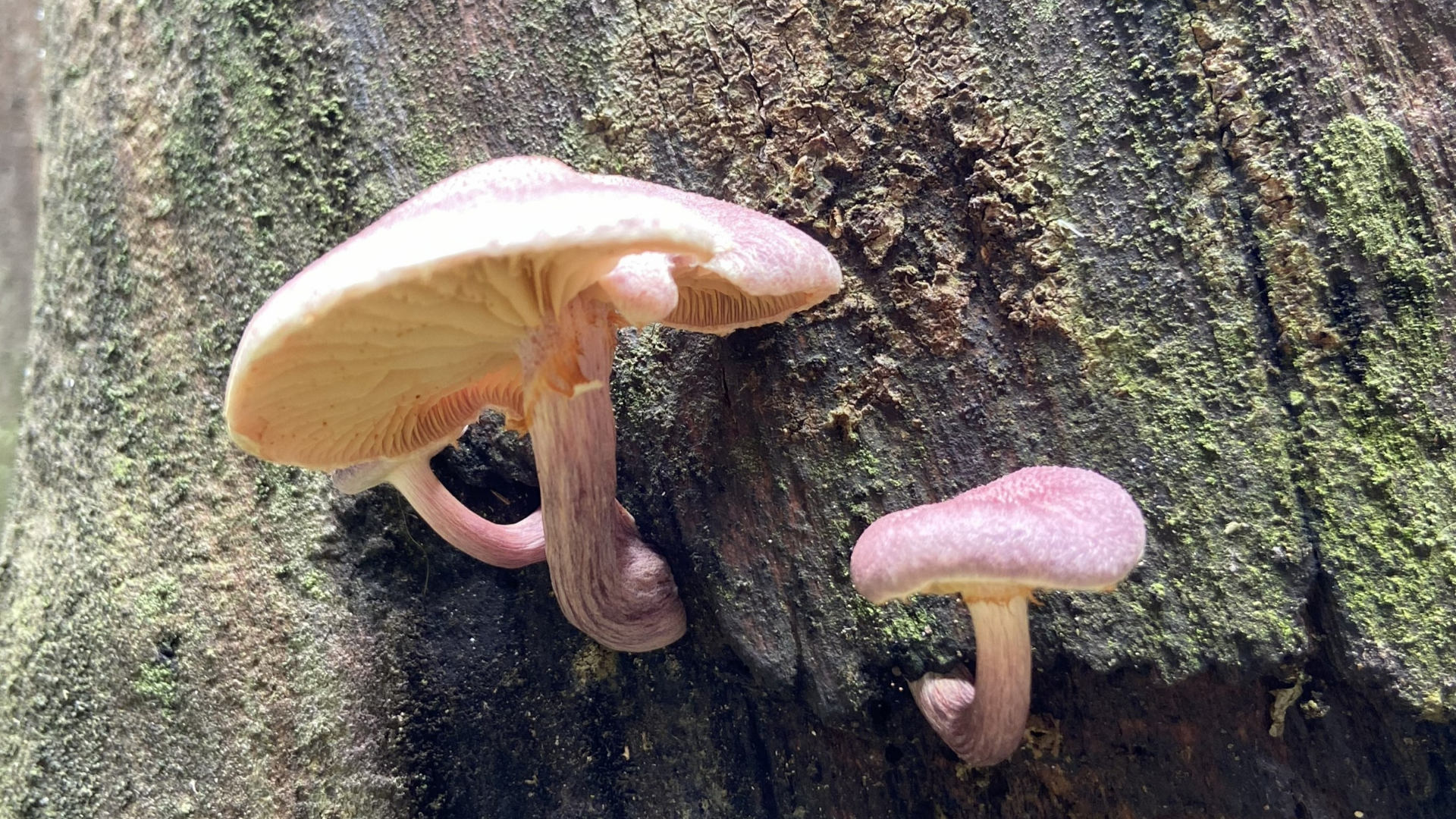
An arborist may recommend tracking changes in a cavity, watching for increasing lean, observing branch dieback, or checking whether fungal growth develops around the trunk or root flare.
This kind of year-to-year observation creates context.
A defect that remains stable may be managed differently from one that is changing quickly.
Regular assessment can help property owners make more informed decisions rather than reacting only when a storm causes visible damage.
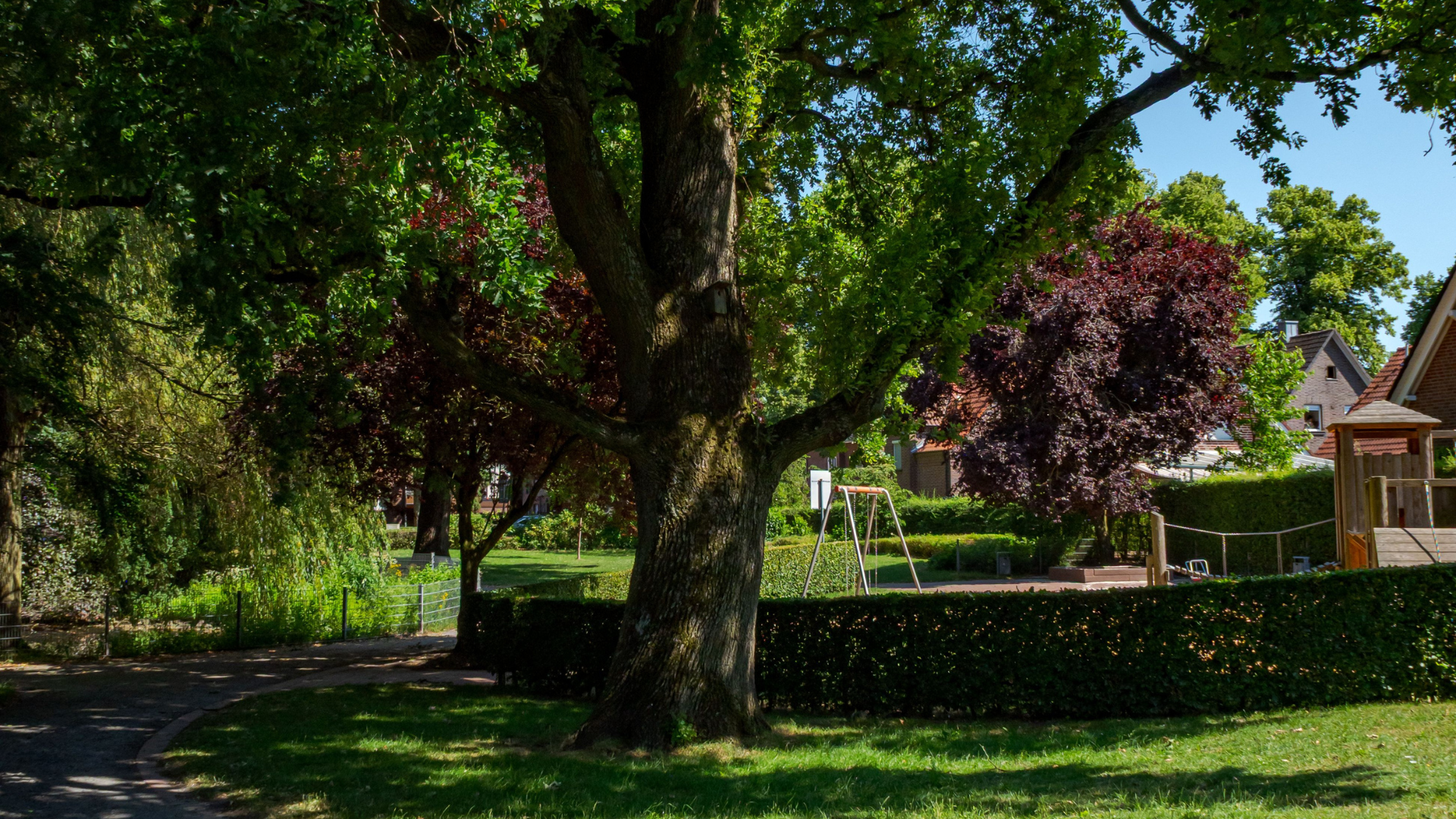
Some Trees Are Worth Planning Around
There are times when removal is necessary.
A tree may become too structurally compromised, too diseased, or too hazardous to retain safely.
But removal should not be the automatic answer simply because a tree is large or old.
A healthy mature tree may represent decades of growth that cannot be replaced quickly.
It can contribute shade, character, habitat value, and identity to the property.
Midwest Tree Surgeons helps homeowners and property managers evaluate mature trees with an eye toward both safety and preservation.
If you have an older tree that has become part of the landscape’s identity, a professional assessment can help determine whether pruning, monitoring, risk reduction, or removal is the most appropriate next step.