What Homeowners Should Know About Aphids, Scale, and Other Sap-Feeding Pests

June 3, 2026

Summer is a busy season for trees. While homeowners often focus on growth, shade, and landscaping during the warmer months, it is also the time of year when many insect populations become more active. Among the most common tree pests are sap-feeding insects, which can quietly affect tree health without attracting immediate attention.


Many homeowners notice symptoms such as sticky leaves, discolored foliage, or unusual insect activity without realizing that sap-feeding pests may be the cause. Understanding these insects and recognizing early warning signs can help property owners address problems before they become more serious.


Midwest Tree Surgeons regularly helps homeowners evaluate tree health concerns, including damage caused by insects and environmental stress. Early identification remains one of the most effective ways to protect valuable landscape trees.
What Are Sap-Feeding Pests?

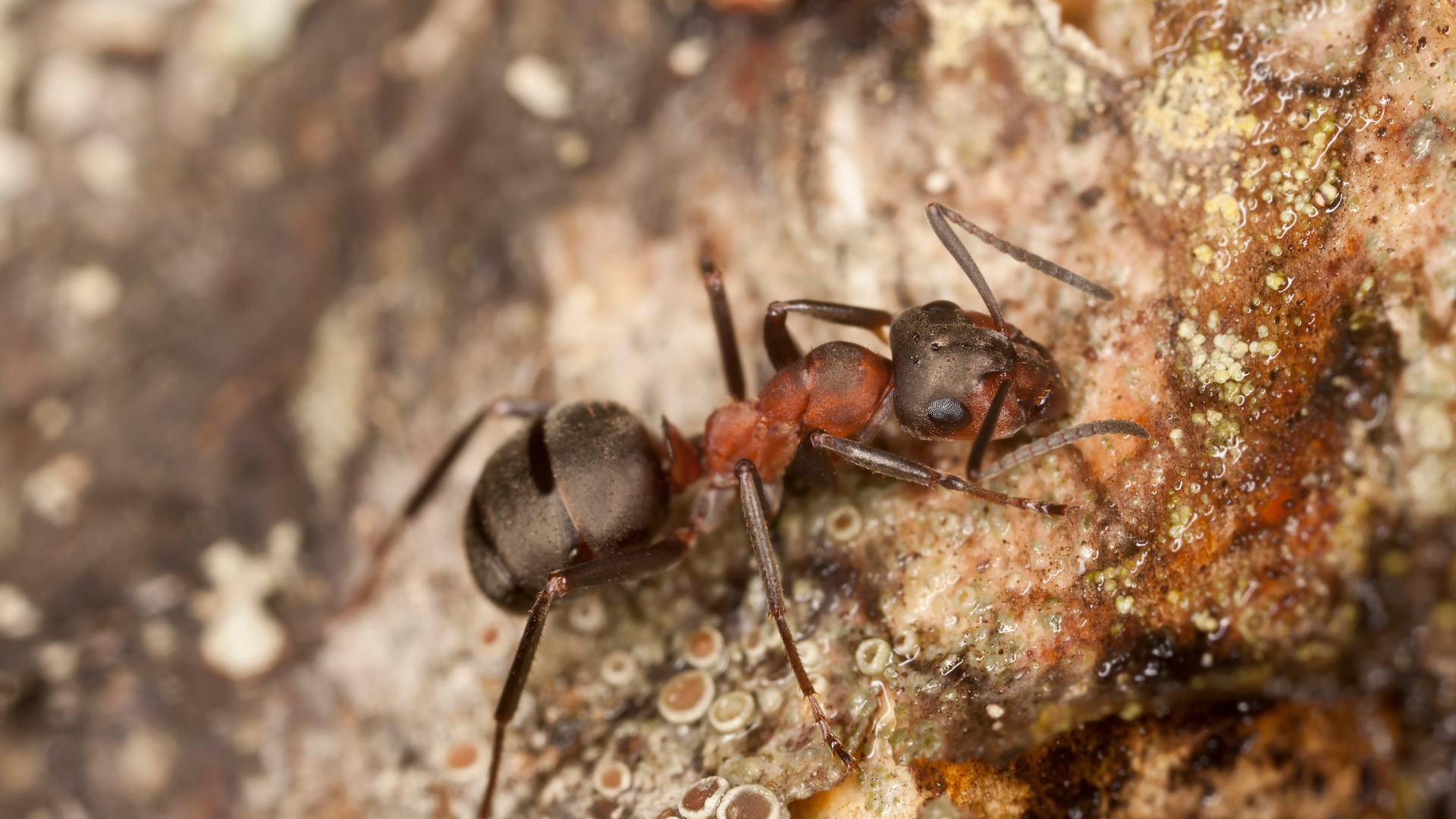
Sap-feeding insects survive by piercing plant tissue and feeding on the nutrient-rich fluids that circulate throughout the tree. Unlike insects that consume leaves directly, these pests often cause damage more gradually.


Some of the most common sap-feeding pests include:

  • Aphids
  • Scale insects
  • Leafhoppers
  • Treehoppers
  • Certain species of mites


Because many of these insects are small and difficult to see, infestations can sometimes go unnoticed until symptoms become visible throughout the canopy.
Aphids Are Small but Can Appear in Large Numbers

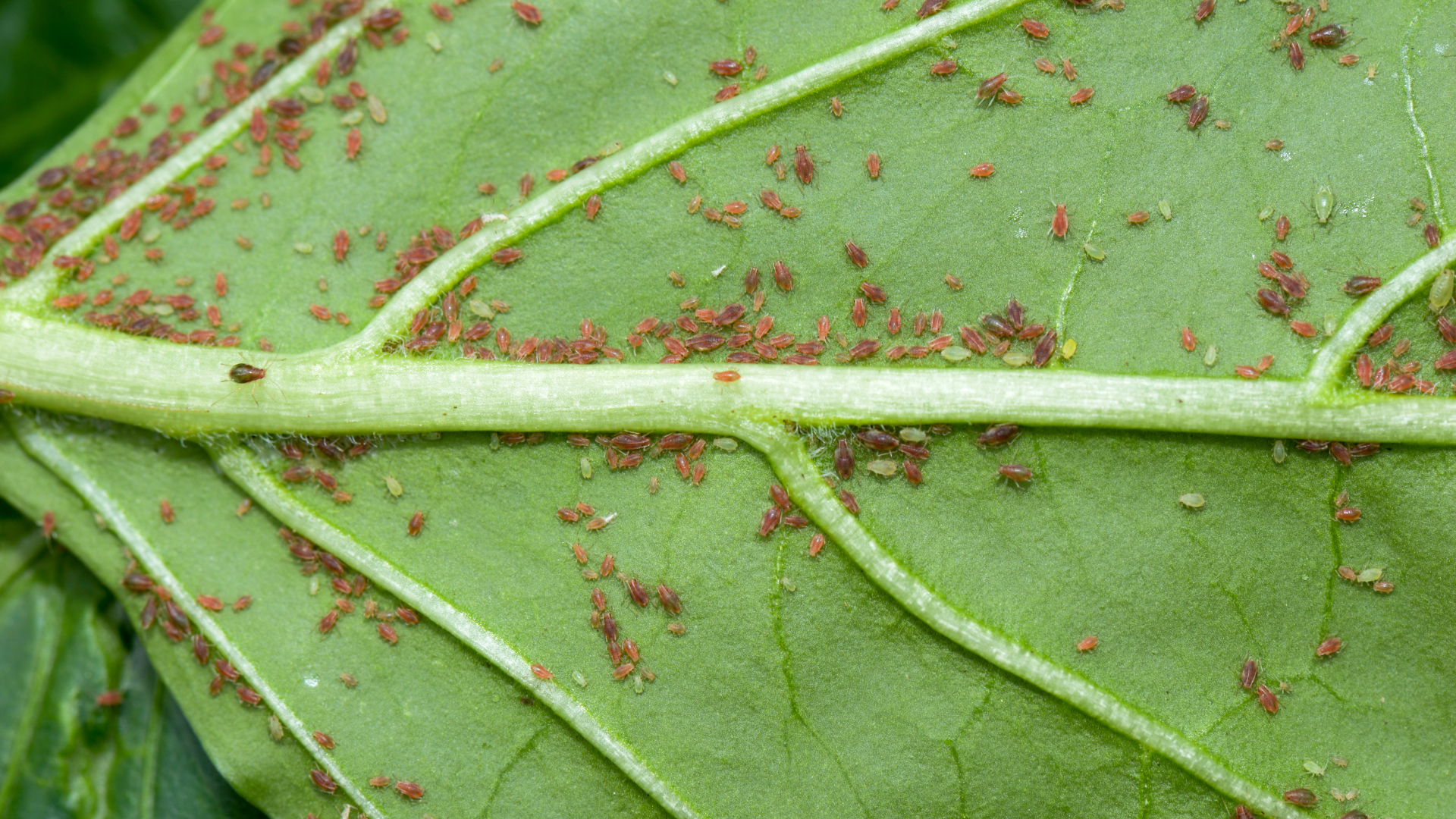
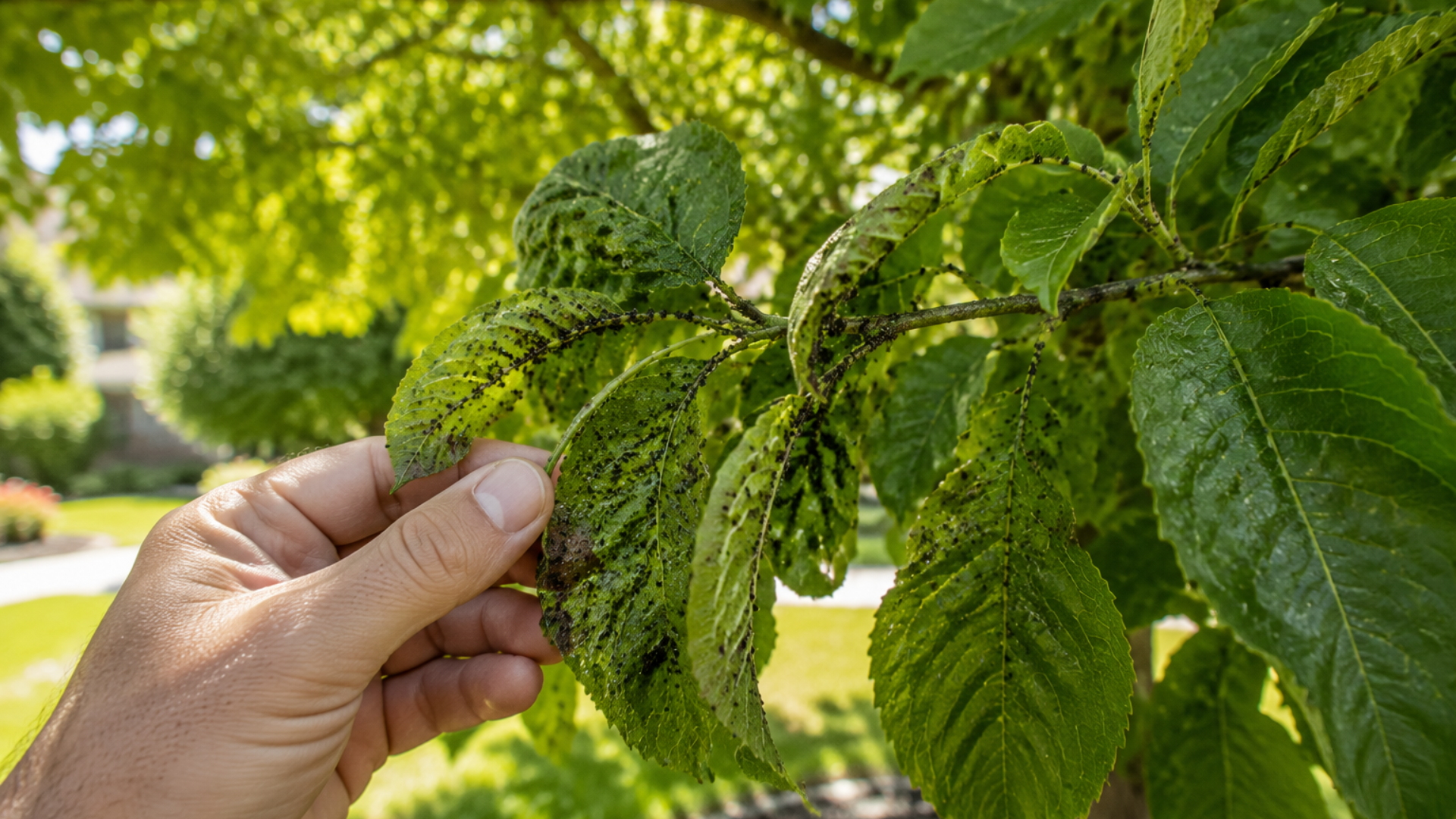
Aphids are among the most common sap-feeding insects found on ornamental and shade trees. These small insects often gather on leaves, stems, and new growth where plant tissue is softer and easier to penetrate.


While a small aphid population may not cause significant damage, larger infestations can place stress on trees by continuously removing nutrients from actively growing areas.


Homeowners may notice:

  • Curled leaves
  • Distorted new growth
  • Sticky residue on leaves or surfaces below the tree
  • Increased insect activity around the canopy


The sticky substance associated with aphids is known as honeydew, a sugary byproduct that can create additional issues.

Remember that Ladybird Beetles, “ladybugs” are a natural and voracious natural predator of aphids, so please be kind to our spotted friends!
Scale Insects Can Be Difficult to Detect

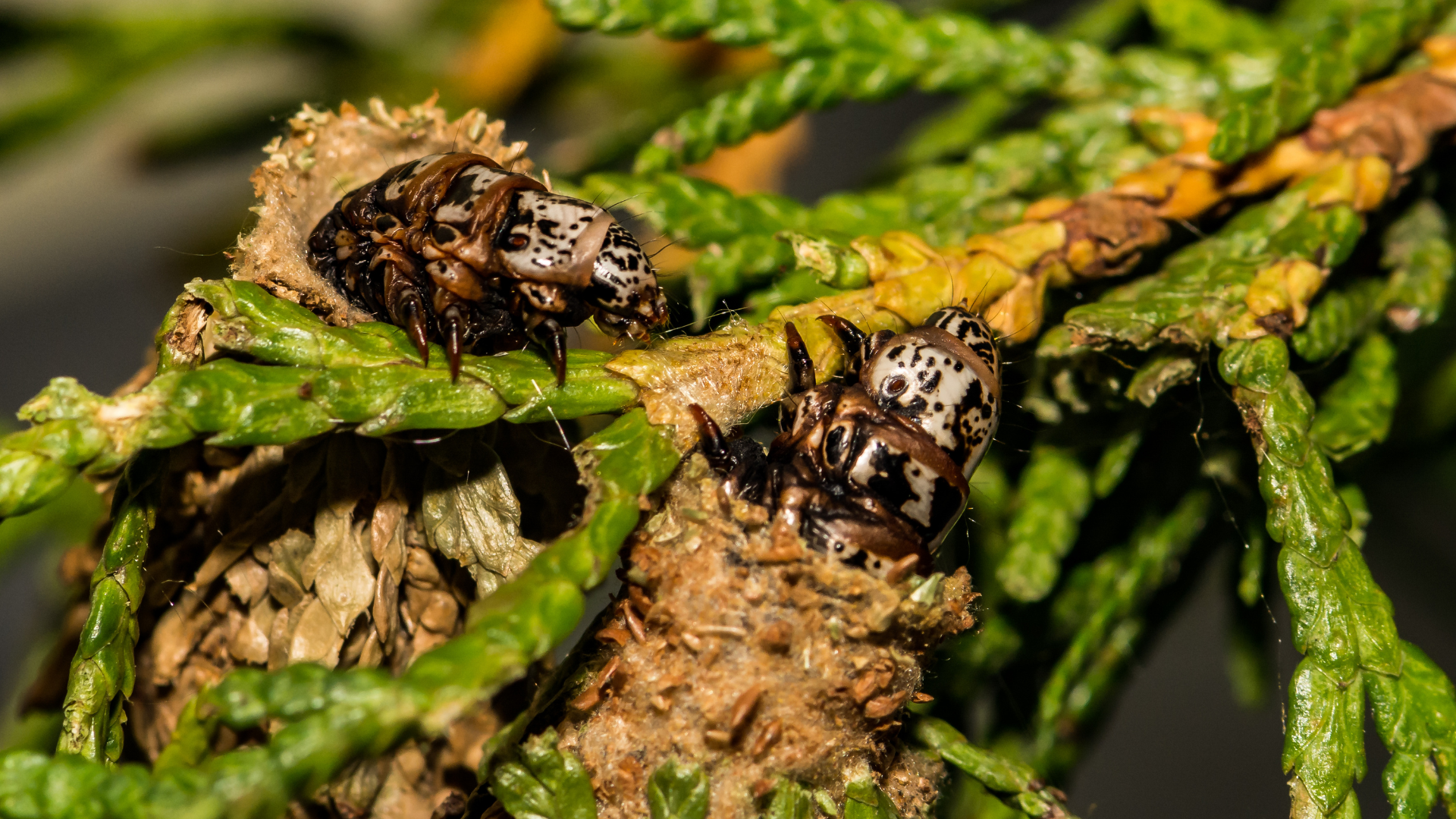
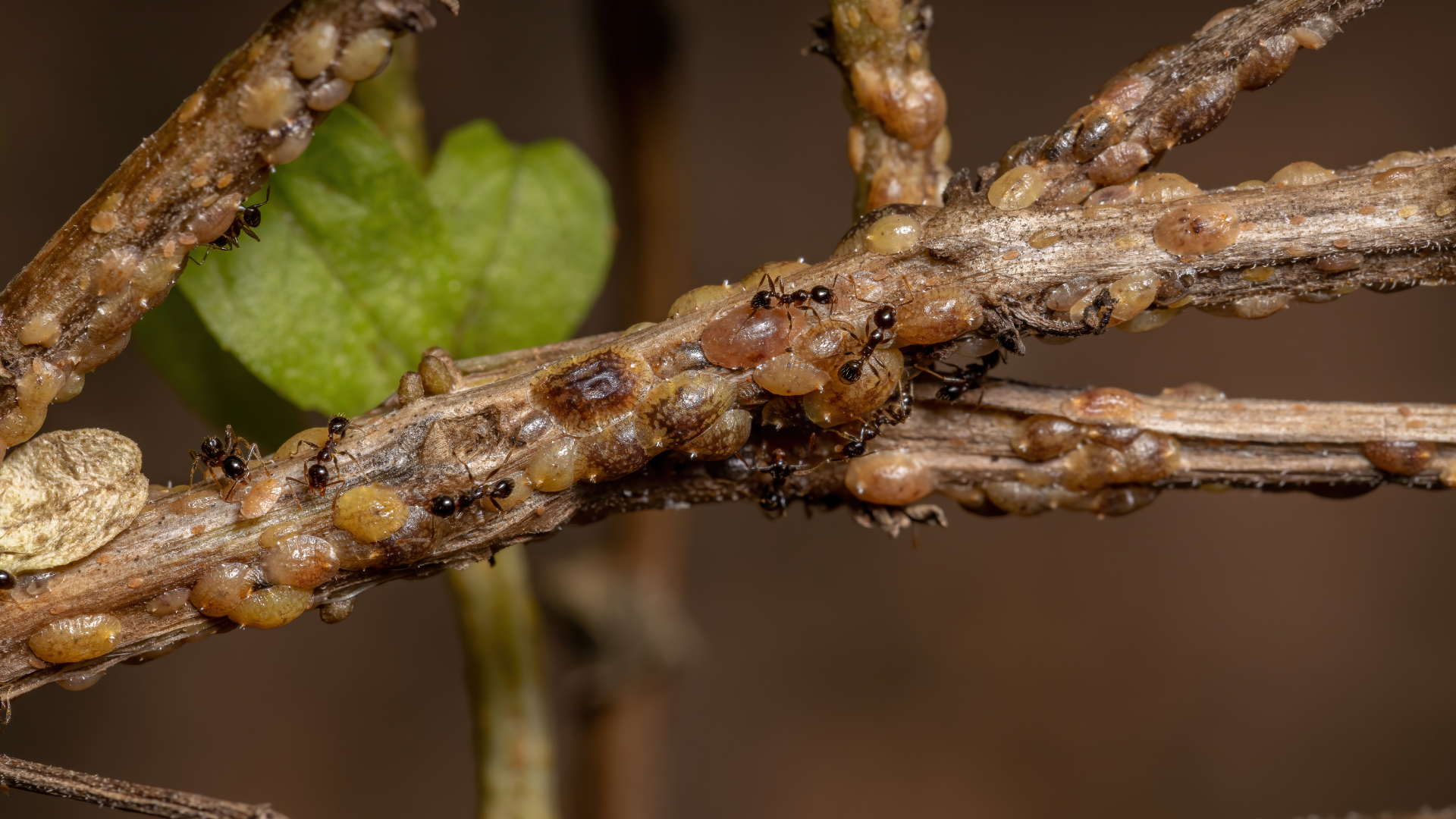
Scale insects present a different challenge because they often resemble small bumps attached to branches, twigs, or bark. Many homeowners do not recognize them as insects at all.


Once attached, scale insects remain relatively stationary while feeding on the tree’s sap supply. Over time, heavy infestations may contribute to:

  • Branch decline
  • Reduced vigor
  • Yellowing foliage
  • Premature leaf drop
  • Thinning canopies


Because scale insects are frequently mistaken for natural bark features, infestations may persist longer before being identified.
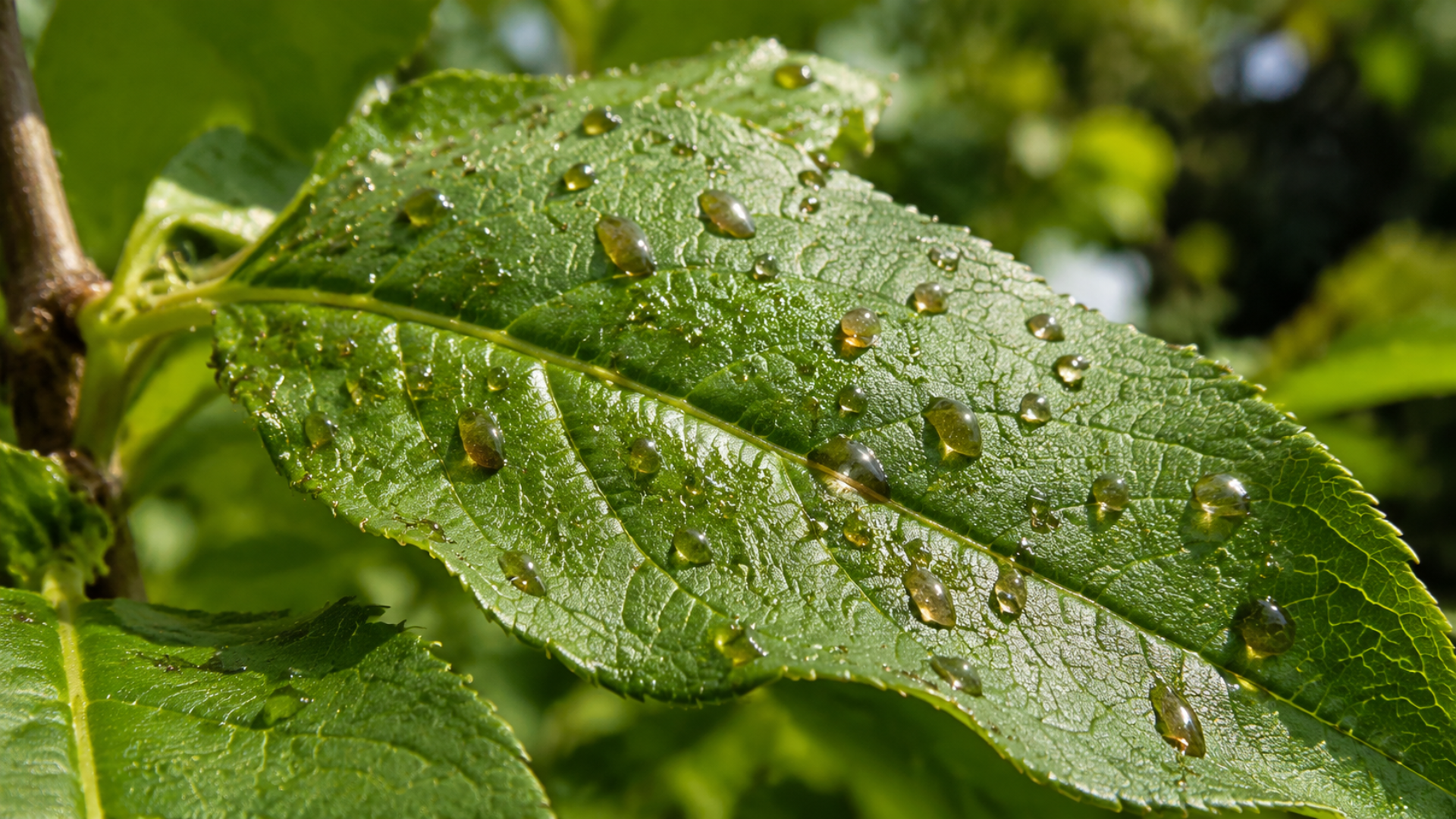
Honeydew Can Create Secondary Problems

One common characteristic of many sap-feeding pests is honeydew production. This sticky residue can accumulate on leaves, vehicles, sidewalks, decks, and outdoor furniture beneath affected trees.


Beyond being messy, honeydew often encourages the growth of sooty mold, a dark fungal coating that develops on the residue.


Although sooty mold typically does not infect the tree directly, it can reduce the visual appeal of the landscape and indicate an underlying pest problem that deserves attention.
Stressed Trees Are More Vulnerable

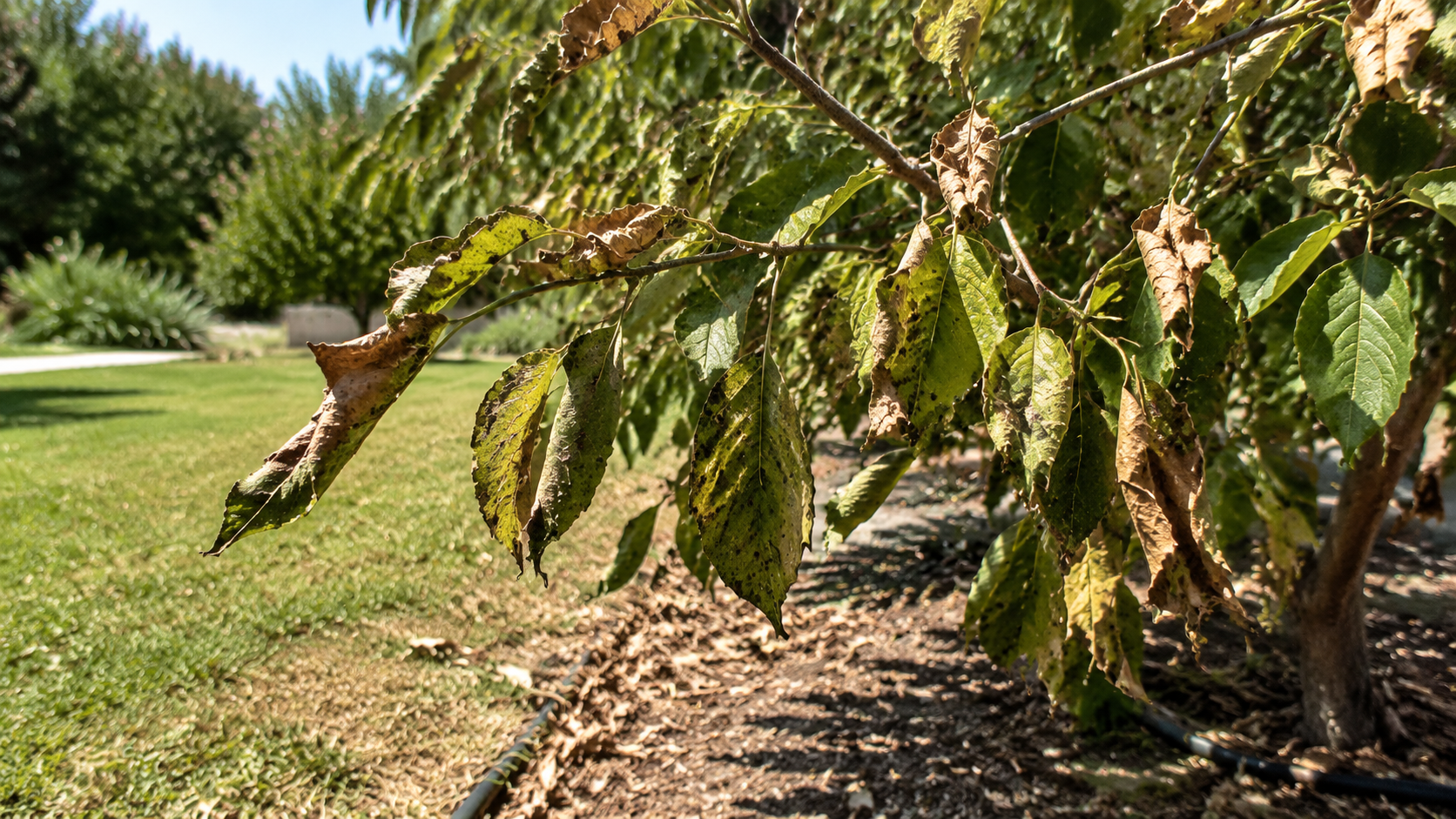
Healthy trees are often better equipped to tolerate minor pest activity. However, trees already dealing with drought, heat stress, soil issues, or other environmental pressures may be more susceptible to damage from sap-feeding insects.


Summer conditions can sometimes intensify these challenges. High temperatures and limited rainfall may place additional strain on trees while insect populations remain active.


This combination of environmental stress and insect pressure can accelerate decline in already vulnerable trees.
Professional Evaluation Can Help

Not every insect sighting requires immediate intervention, but unusual symptoms should not be ignored. Changes in canopy density, leaf appearance, branch health, or overall vigor may indicate that a closer inspection is warranted.


Professional arborists can evaluate whether insect activity is causing meaningful stress and recommend appropriate management strategies based on the tree species, infestation level, and overall condition.
Protecting Trees Through Early Detection

Sap-feeding pests such as aphids and scale insects may be small, but their impact can become significant when infestations are allowed to persist. Regular observation and prompt evaluation of unusual symptoms can help homeowners protect valuable trees before minor issues become larger problems.


Midwest Tree Surgeons provides professional tree inspections, health assessments, pruning services, and risk evaluations designed to help homeowners maintain healthy, attractive landscapes. If you have noticed unusual insect activity or signs of tree decline, our team can help determine the cause and recommend appropriate next steps.
May 26, 2026
Summer is often associated with healthy green landscapes and active plant growth, but extended heat and dry conditions can place significant stress on trees. While mature trees may appear stable and resilient from the outside, prolonged summer heat can quietly affect their internal health, moisture balance, and long-term structural stability.  At Midwest Tree Surgeons, we help homeowners understand how environmental stress affects trees throughout the growing season and why summer inspections can be an important part of long-term tree care.
May 19, 2026
When people think about drought conditions, they usually picture dry grass, dusty soil, and immediate signs of heat stress. Trees, however, often respond differently. Unlike lawns or smaller plants, mature trees may continue looking relatively healthy during periods of dry weather, even while internal stress is developing beneath the surface.  One of the most challenging aspects of drought-related tree damage is that symptoms are frequently delayed. In many cases, trees begin showing visible decline months after the drought itself has passed. At Midwest Tree Surgeons, we regularly help homeowners identify delayed drought stress before it progresses into larger structural or health problems.
May 13, 2026
Trees are built to withstand changing seasons, but repeated environmental stress can gradually affect their health and stability. One of the most significant seasonal stressors in many regions is the freeze-thaw cycle. While it may seem like a normal part of winter weather, this constant fluctuation between freezing and thawing can place long-term strain on trees in ways that are not always immediately visible.  Understanding how freeze-thaw cycles affect trees helps explain why early summer is an ideal time for a professional tree inspection.
May 5, 2026
Trees are often perceived as resilient and self-sustaining, capable of withstanding years of environmental stress. While this is true to an extent, injuries to a tree can initiate internal processes that are not visible from the outside. Understanding what happens inside a tree after it is injured helps explain why some trees decline over time, even when they appear stable at first.  At Midwest Tree Surgeons, evaluating these hidden processes is an important part of maintaining long-term tree health and property safety.
April 28, 2026
Mature trees are often seen as stable, established features of a property. Their size and presence can create a sense of permanence, leading many homeowners to assume they are less likely to fail. In reality, mature trees can carry a unique set of risks that are not always visible at first glance.  Understanding these overlooked risk factors is essential for maintaining both tree health and property safety.
April 21, 2026
Tree decline rarely happens all at once. In most cases, it follows a gradual and largely hidden progression that unfolds over time. From the outside, a tree may appear stable, even healthy, while underlying changes begin to affect its structure and resilience. This is what makes tree decline difficult to recognize and, in many cases, easy to overlook.  Understanding this “invisible timeline” can help property owners identify early warning signs and take action before more serious issues develop.
April 14, 2026
When homeowners think about tree stability, the focus is often on what is visible above ground. Branch structure, trunk size, and overall appearance tend to receive the most attention. However, one of the most important factors affecting a tree’s stability is hidden below the surface.  Soil conditions play a central role in how well a tree is anchored, how it grows, and how it responds to environmental stress. Understanding this relationship can help property owners better assess risk and make more informed decisions about tree care.
April 8, 2026
Deadwood is often dismissed as a minor issue. It may appear as a few dry branches or small sections of a tree that no longer produce leaves. Because it does not always affect the entire tree, many homeowners overlook it. However, deadwood can present a significant safety risk, particularly in residential settings.  Understanding why deadwood forms, how it behaves, and how it progresses over time can help prevent avoidable property damage and injury.
April 1, 2026
Trees are often one of the most valuable features of a residential property . They provide shade, improve curb appeal, and contribute to the overall health of the environment. However, when multiple trees share the same space, they do not simply coexist without interaction. Trees compete with one another for essential resources such as water, sunlight, and nutrients. Over time, this competition can influence how trees grow, how healthy they remain, and how stable they become.  Understanding how trees compete for resources can help homeowners make better decisions about planting, spacing, and long-term tree care. With proper planning and maintenance, it is possible to create a landscape where trees thrive rather than struggle against one another.
March 25, 2026
Trees add beauty, shade, and value to a property, but there are situations where keeping a tree is no longer the safest or most practical choice. Many homeowners prefer to preserve trees whenever possible , and in many cases, proper care and maintenance can extend a tree’s lifespan. However, when a tree becomes structurally compromised, diseased, or poses a risk to people and property, removal may be the most responsible decision.  Understanding when tree removal is necessary can help prevent accidents, reduce property damage, and protect the overall health of a landscape.
More Posts