How Summer Heat Stress Affects Tree Health
Summer is often associated with healthy green landscapes and active plant growth, but extended heat and dry conditions can place significant stress on trees. While mature trees may appear stable and resilient from the outside, prolonged summer heat can quietly affect their internal health, moisture balance, and long-term structural stability.
At Midwest Tree Surgeons, we help homeowners understand how environmental stress affects trees throughout the growing season and why summer inspections can be an important part of long-term tree care.
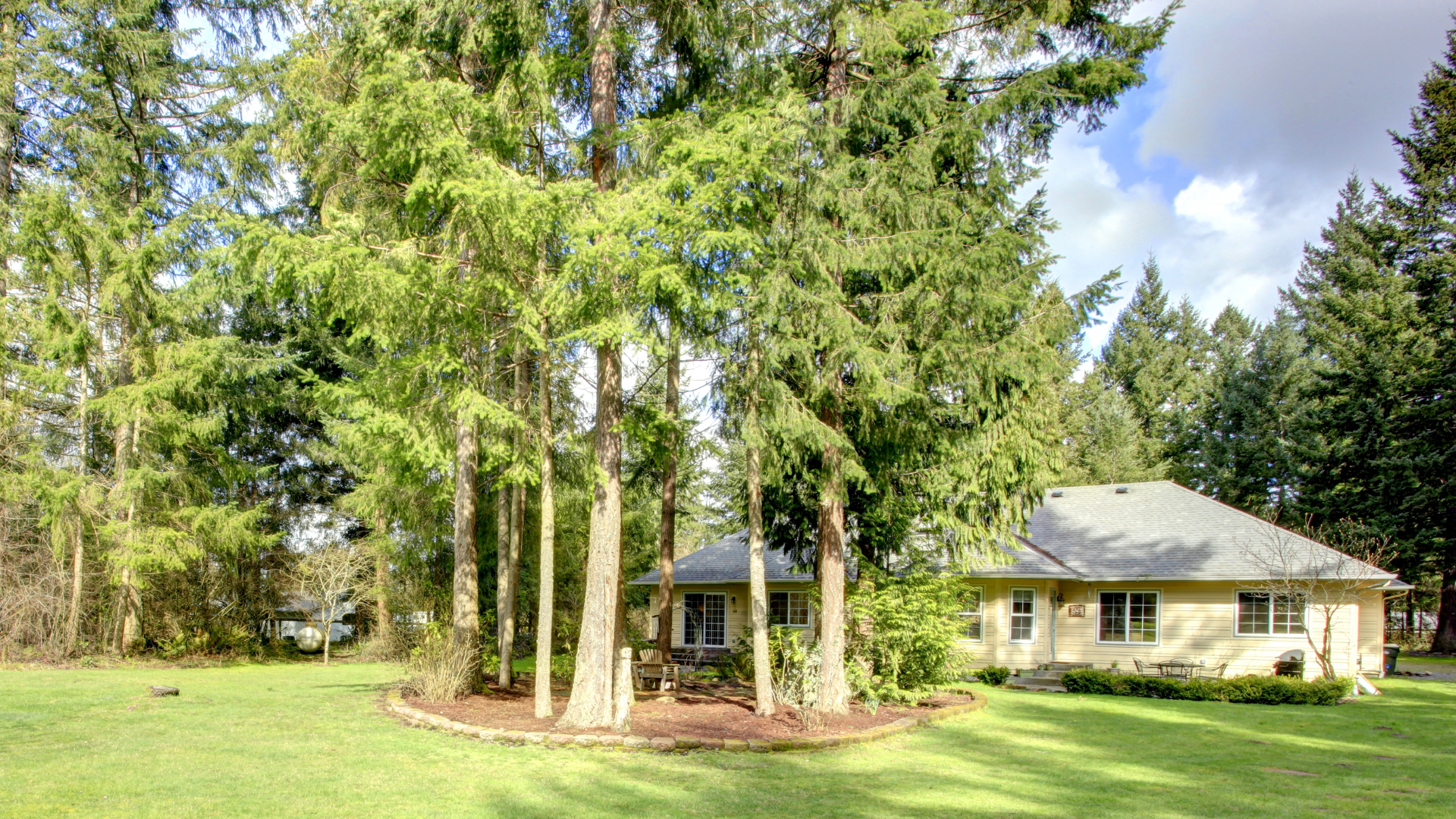
Trees Work Harder During Hot Weather
Trees constantly regulate moisture, nutrient transport, and energy production throughout the growing season. During periods of extreme heat, these processes become more difficult because the tree loses moisture more rapidly through its leaves.
To compensate, trees may begin conserving water and redirecting resources internally. While this helps the tree survive short-term stress, prolonged heat exposure can gradually weaken overall health over time.
Heat stress becomes especially significant when high temperatures combine with limited rainfall or drought conditions.
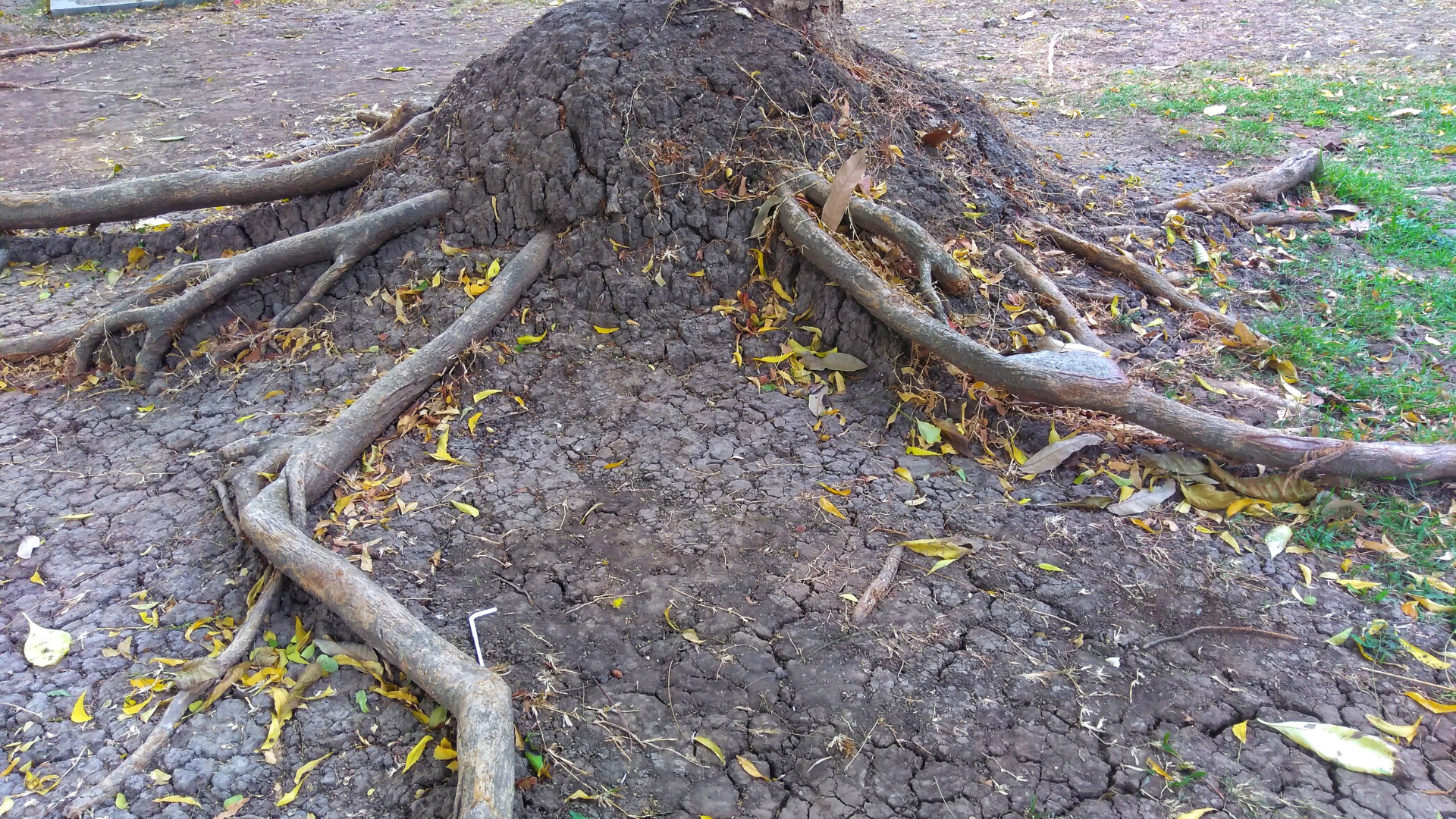
Moisture Loss Creates Internal Stress
One of the biggest effects of summer heat is increased moisture loss. Trees rely on water movement from the roots through the trunk and canopy to maintain normal biological function.
During hot weather, evaporation increases while dry soil conditions may reduce available moisture underground. As water availability decreases, the tree experiences growing internal stress.
This stress often develops long before visible symptoms appear.
In many cases, homeowners may not recognize a problem until the tree begins showing more obvious signs of decline later in the season.
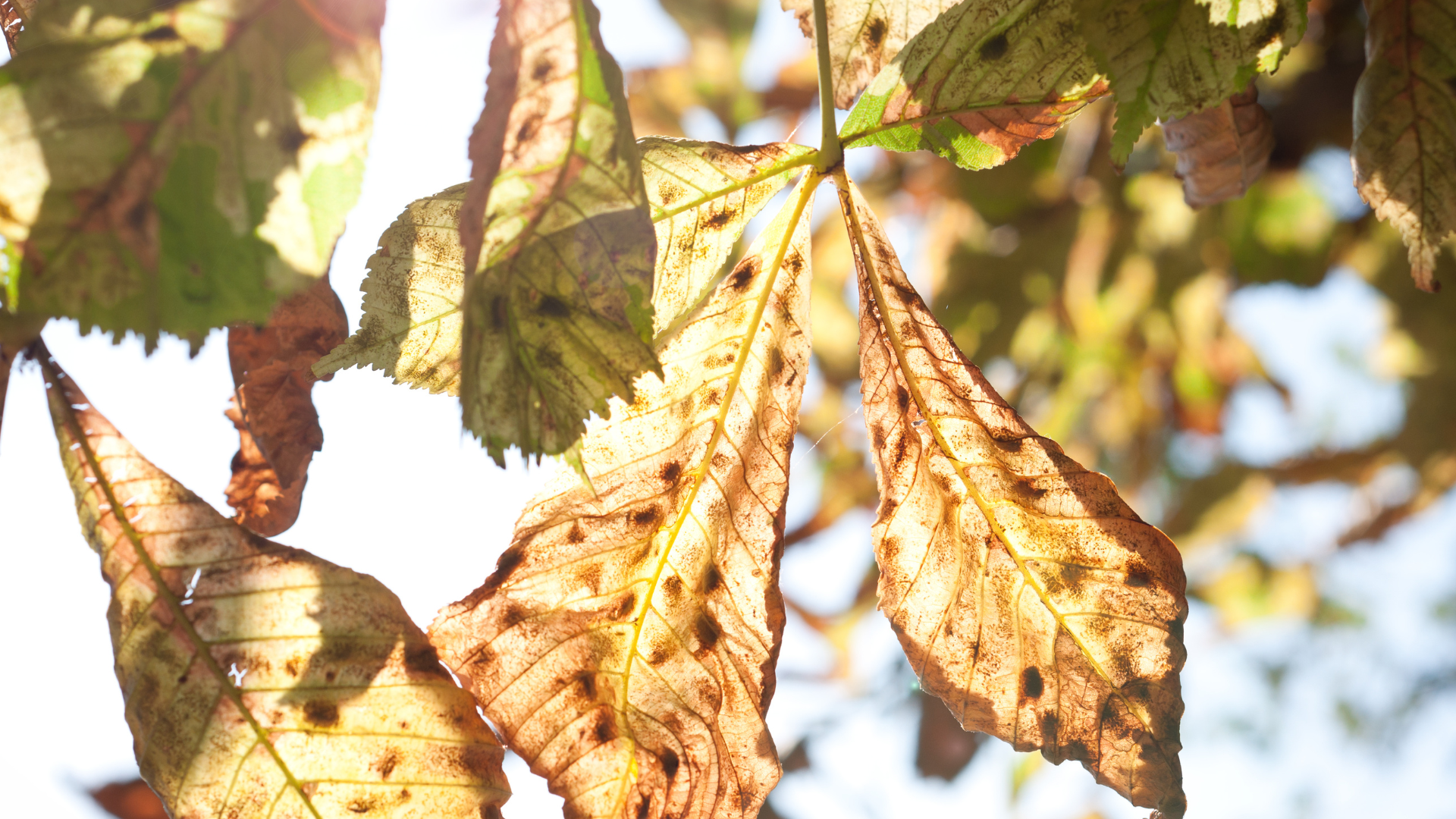
Symptoms Often Develop Gradually
Heat stress rarely causes sudden dramatic changes at first. Instead, symptoms typically appear gradually as the tree struggles to maintain normal function over time.
Common signs of summer heat stress may include:
- Wilting leaves
- Premature leaf drop
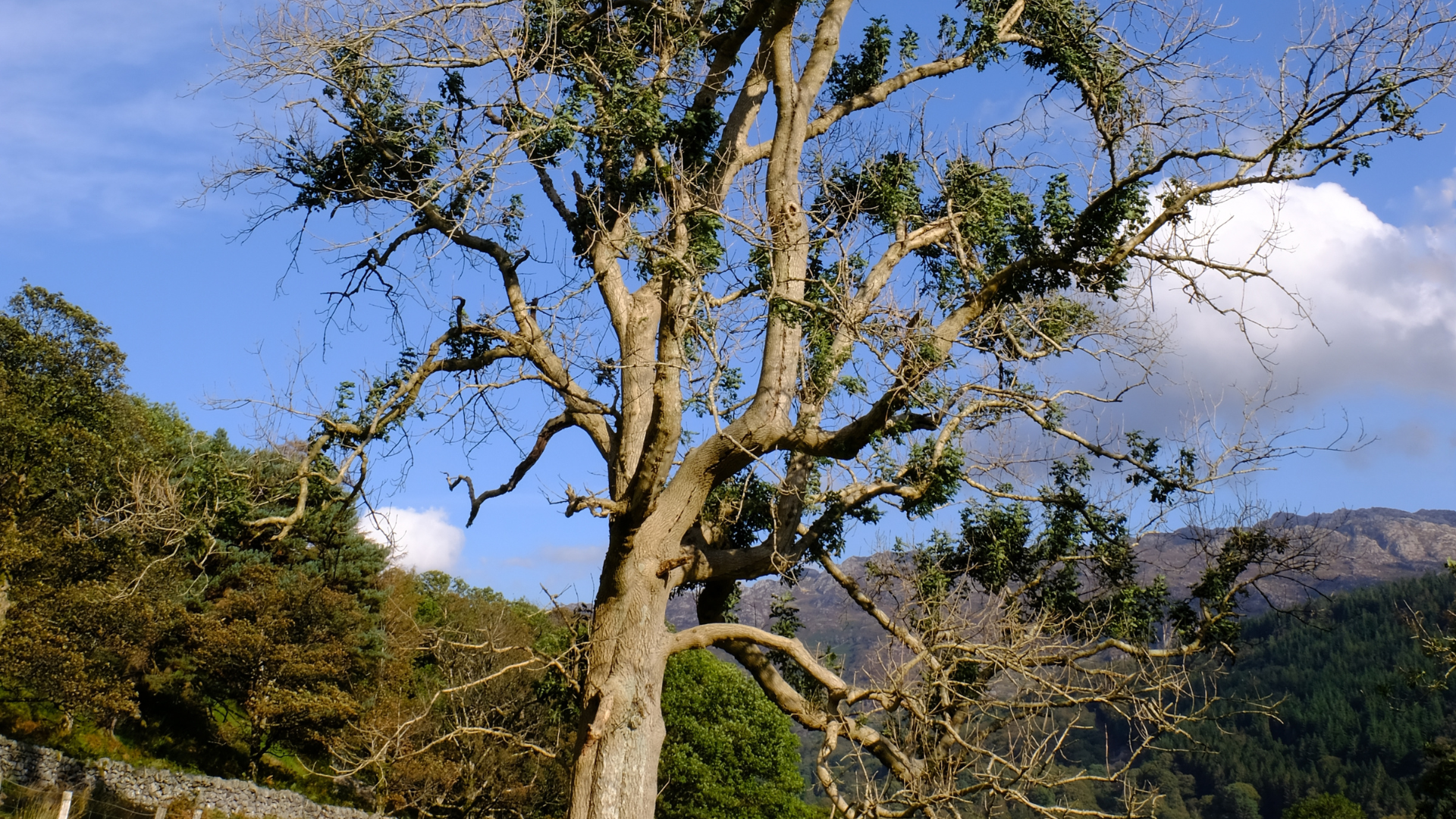
- Thinning canopy growth
- Browning leaf edges
- Smaller leaf development
- Increased deadwood
Because these symptoms can resemble seasonal aging or temporary dryness, they are sometimes overlooked during the early stages of decline.
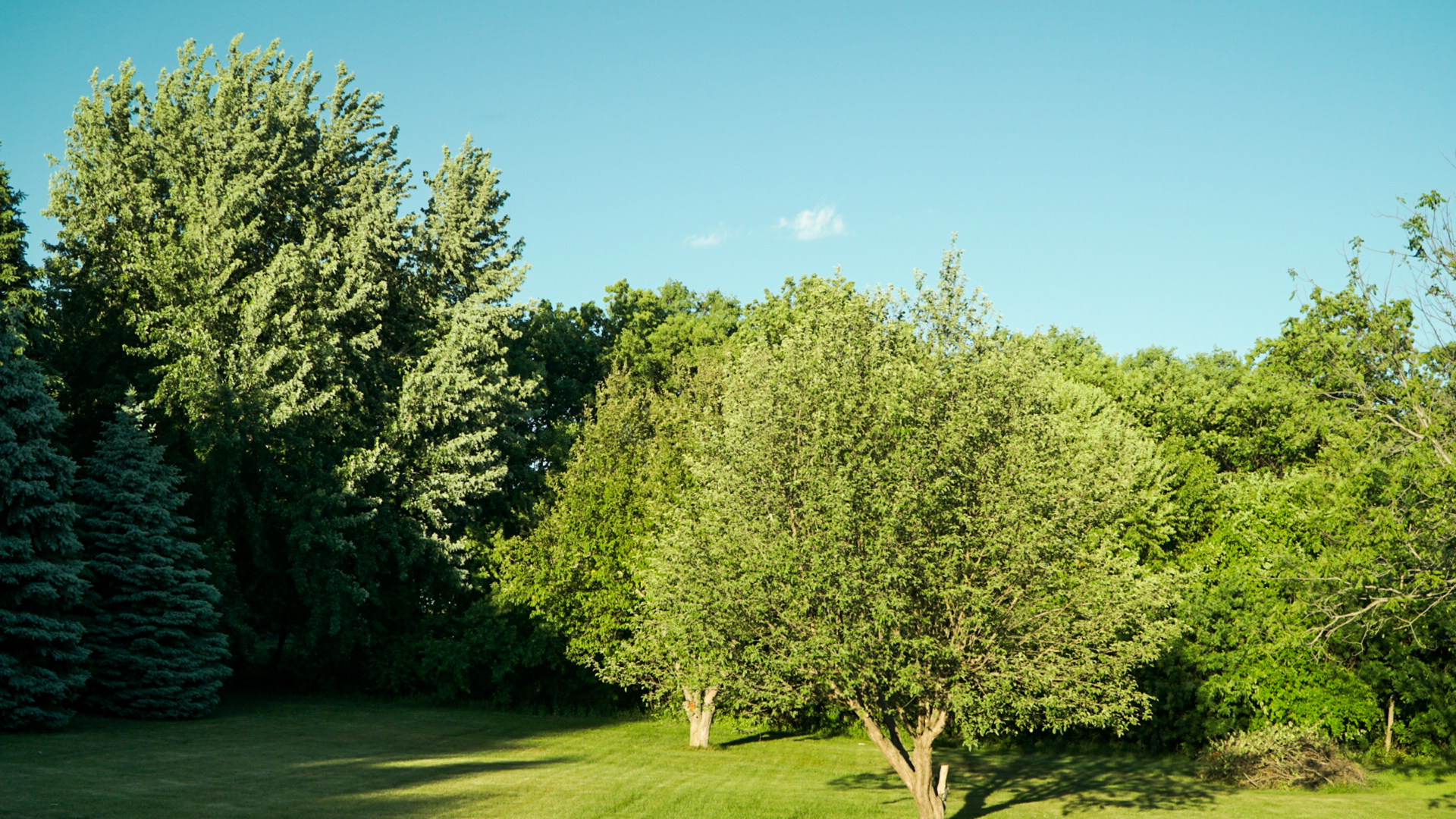
Mature Trees Are Not Immune
Many homeowners assume large mature trees are naturally protected from environmental stress because of their deep roots and size. While established trees are often more resilient than younger trees, they still remain vulnerable to prolonged heat exposure.
In fact, large trees may require substantial moisture to support their canopy and root systems during hot weather. If environmental conditions remain dry for extended periods, even mature trees can experience significant internal stress.
The effects may continue developing long after summer temperatures begin cooling.
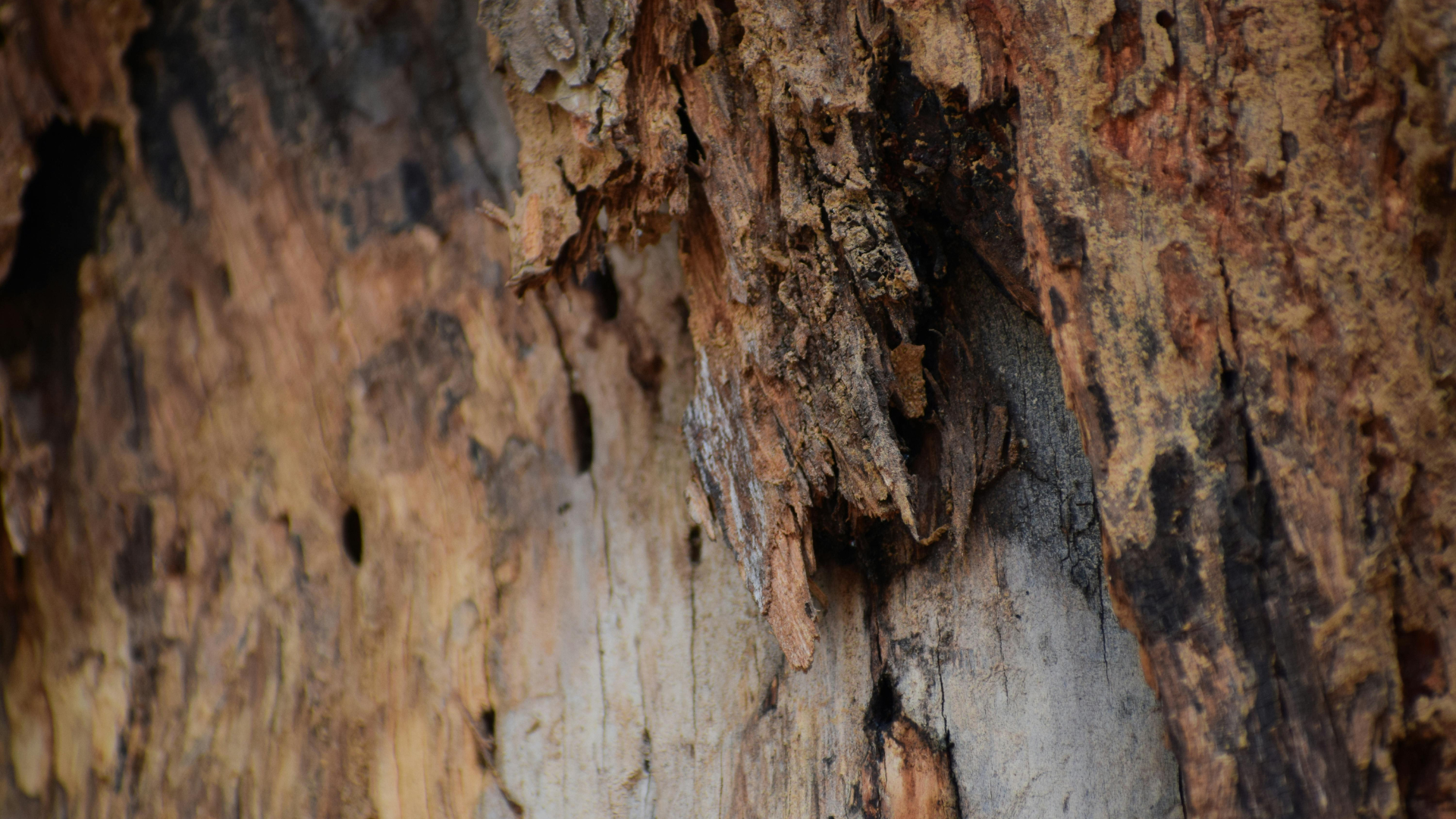
Heat Stress Can Increase Structural Risk
Summer heat stress does not only affect appearance. Over time, weakened trees become more vulnerable to additional problems such as:
- Branch failure
- Insect activity
- Disease development
- Internal decay
- Storm damage
When trees operate under prolonged stress, their ability to defend against environmental threats may decline. Limbs weakened by heat and drought conditions may become more susceptible to failure during storms or heavy winds later in the season.
This is one reason preventative tree care is important even when damage is not immediately visible.
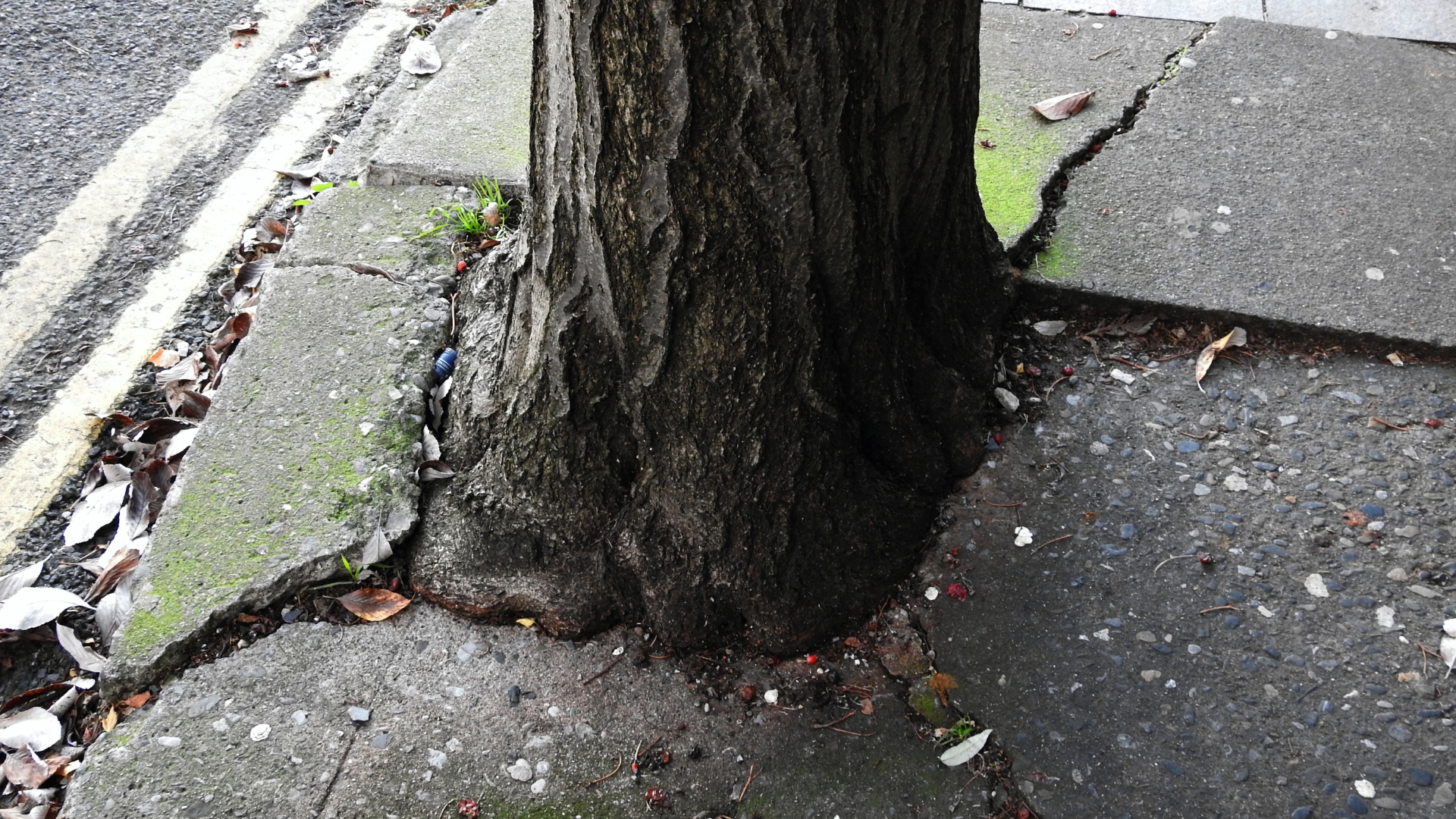
Soil Conditions Matter During Summer
Soil quality and moisture retention play a major role in how trees respond to heat. Compacted soil, poor drainage, and limited root space may all increase stress during hot weather conditions.
Urban and residential environments can create additional challenges because paved surfaces, driveways, and compacted landscapes often increase surrounding ground temperatures while limiting moisture retention.
Trees growing near structures or hardscapes frequently experience greater environmental pressure during summer heat waves.
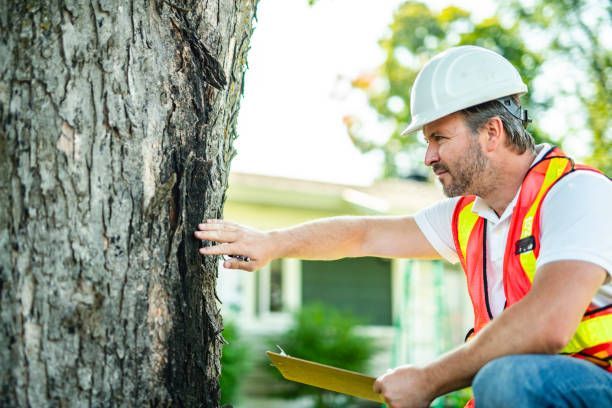
Professional Inspections Help Identify Problems Early
Because heat stress often develops gradually, professional tree inspections can help identify subtle warning signs before larger problems emerge.
At Midwest Tree Surgeons, we evaluate tree structure, canopy condition, root health, and environmental stress factors to help homeowners understand how seasonal conditions may be affecting their trees.
Early intervention may help reduce additional stress while supporting long-term tree stability and health.
Supporting Tree Health During Summer
Summer heat places significant pressure on trees, even when symptoms are not immediately obvious. Moisture loss, soil conditions, and prolonged environmental stress can all affect tree health gradually over time.
At Midwest Tree Surgeons, we help homeowners protect their trees through professional evaluations, preventative maintenance, and long-term tree care strategies designed for changing seasonal conditions.
If your trees are showing signs of stress during the summer season, contact Midwest Tree Surgeons to schedule a professional inspection and help protect the long-term health and stability of your property’s trees.