Why Some Trees Survive Storms While Others Fail

March 18, 2026

Severe storms can cause significant damage to trees and surrounding property. After strong winds or heavy storms pass through a neighborhood, it is common to see some trees still standing strong while others have lost major limbs or fallen entirely. This often leads homeowners to wonder why certain trees survive while others fail under the same weather conditions.


The answer usually involves a combination of factors including tree structure, root stability, species characteristics, and long-term maintenance. Understanding these factors can help property owners take steps to reduce the risk of storm damage and protect both their landscape and their homes.
The Importance of Tree Structure

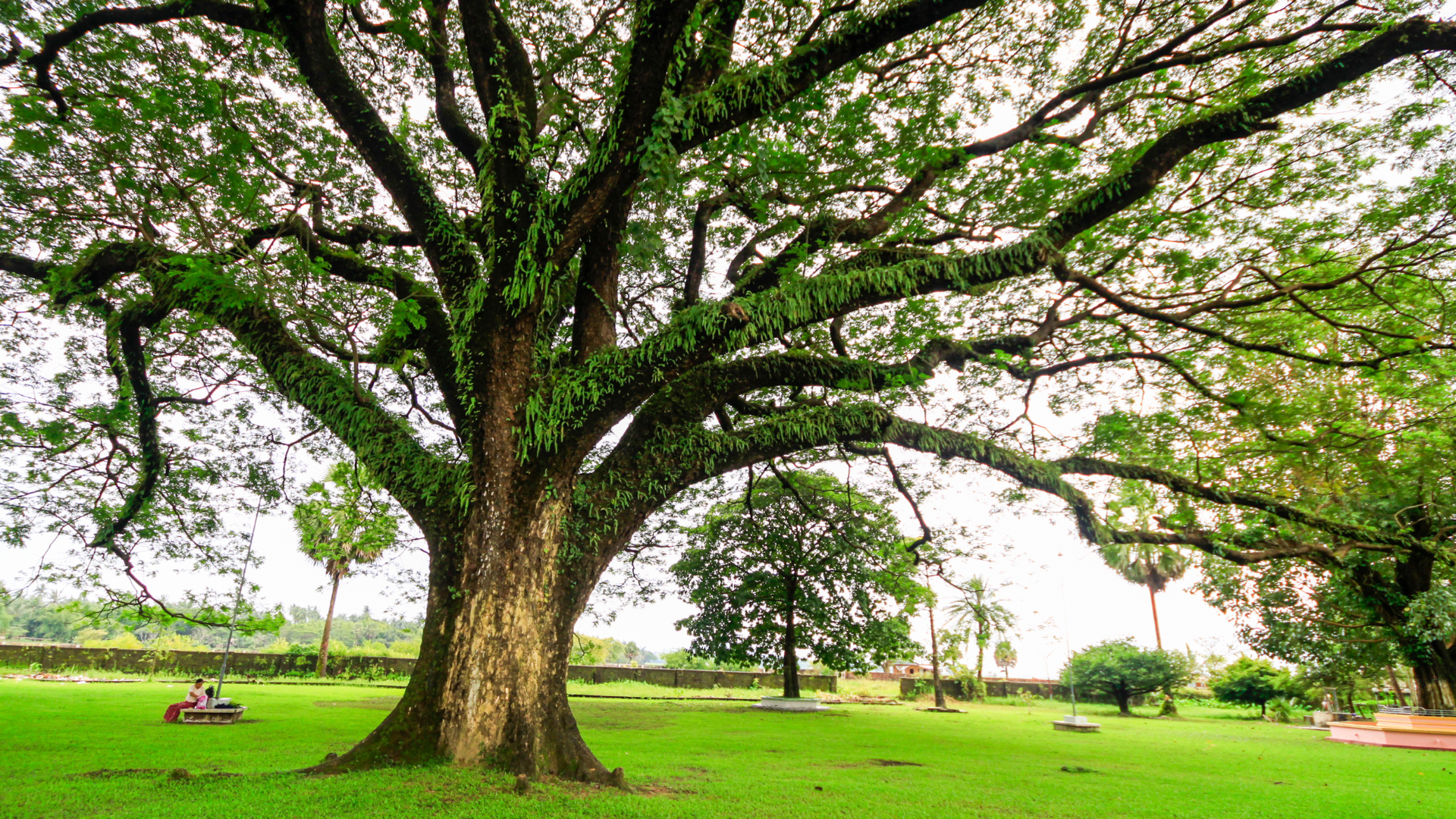
One of the most important factors in storm resistance is the structural strength of the tree itself. Trees with well-balanced branch systems are generally better able to withstand strong winds.


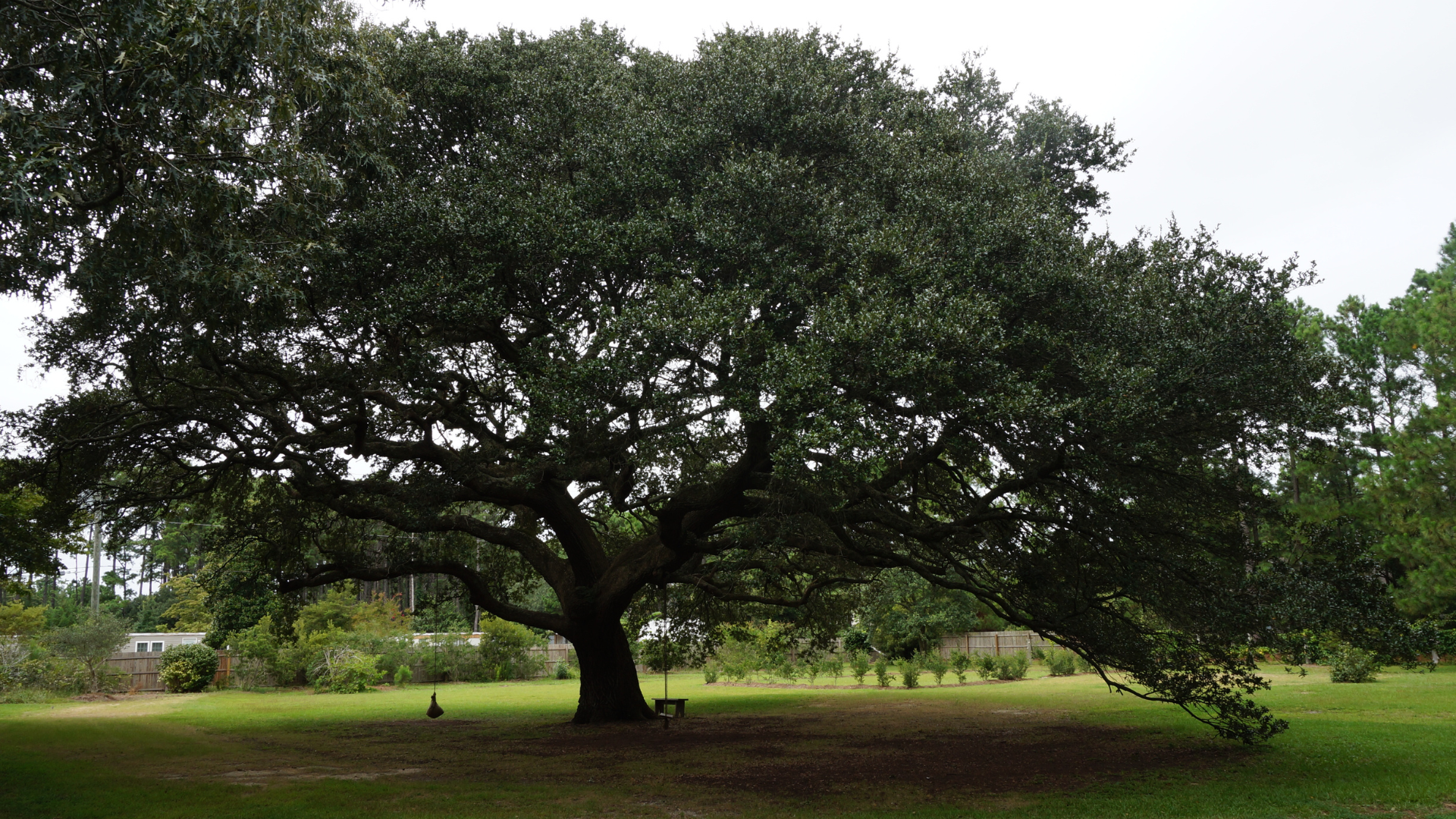
When branches grow in balanced patterns, the canopy allows wind to pass through more evenly. This reduces the amount of pressure placed on individual limbs. Trees with uneven growth or heavy branches concentrated on one side may struggle to handle strong gusts of wind.


Structural weaknesses can also occur when multiple trunks grow from the same point on a tree. These “co-dominant stems” may appear stable at first but can split apart during severe weather.


Professional pruning can help correct these structural issues by removing weak limbs and encouraging balanced growth.
Root Systems and Stability

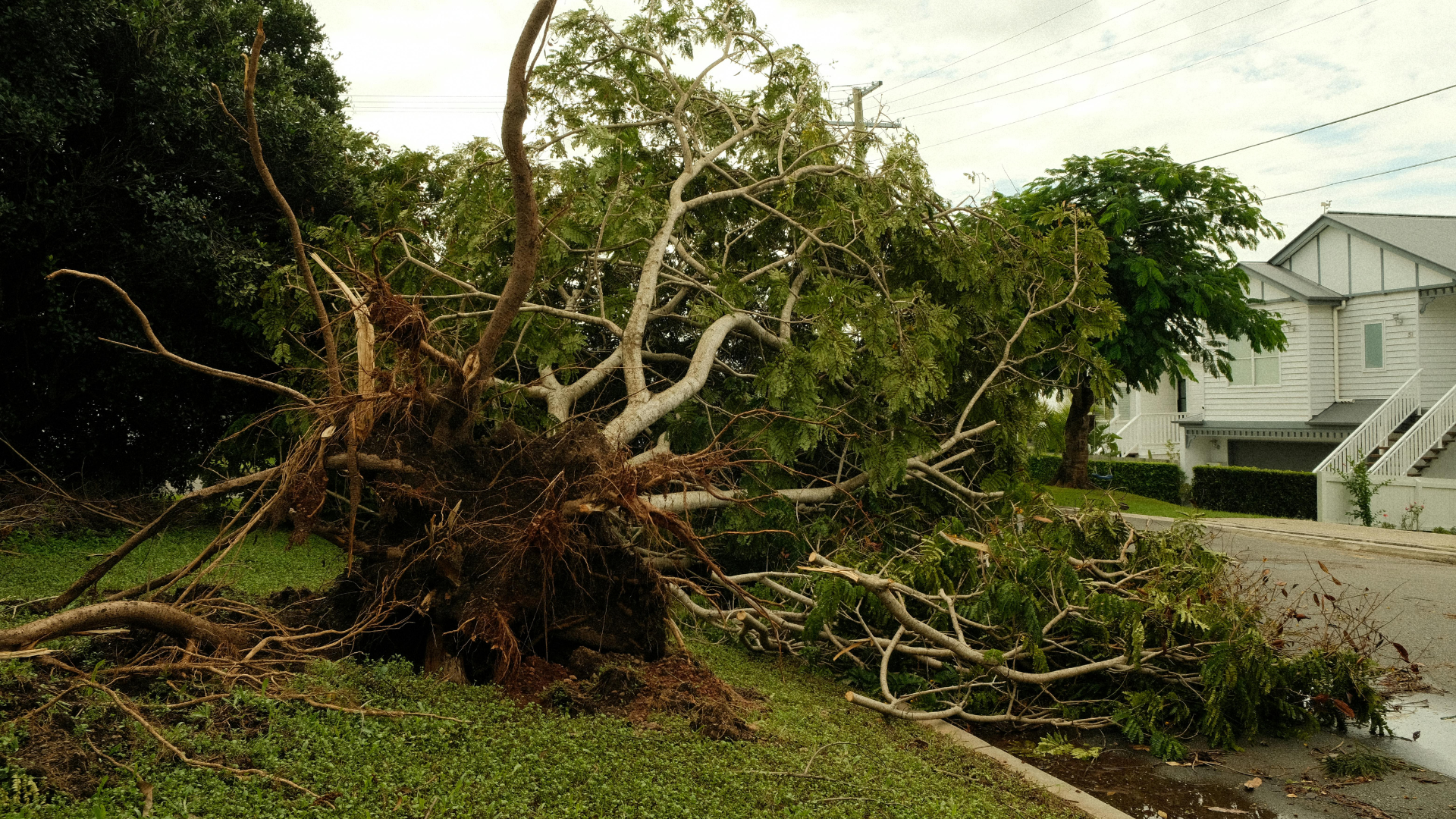
A tree’s root system plays a major role in determining whether it will remain standing during a storm. Healthy roots anchor the tree firmly in the soil and provide the stability needed to resist strong winds.


However, roots can be compromised by several conditions. Soil compaction, poor drainage, construction activity, and restricted growing space can all weaken root systems. When roots cannot expand properly, the tree may become more vulnerable to uprooting.


Trees growing in shallow soil or areas with frequent water saturation may also struggle to develop strong anchoring roots.


Because root problems often occur underground, they can go unnoticed until a storm exposes the weakness.
Tree Species and Natural Strength

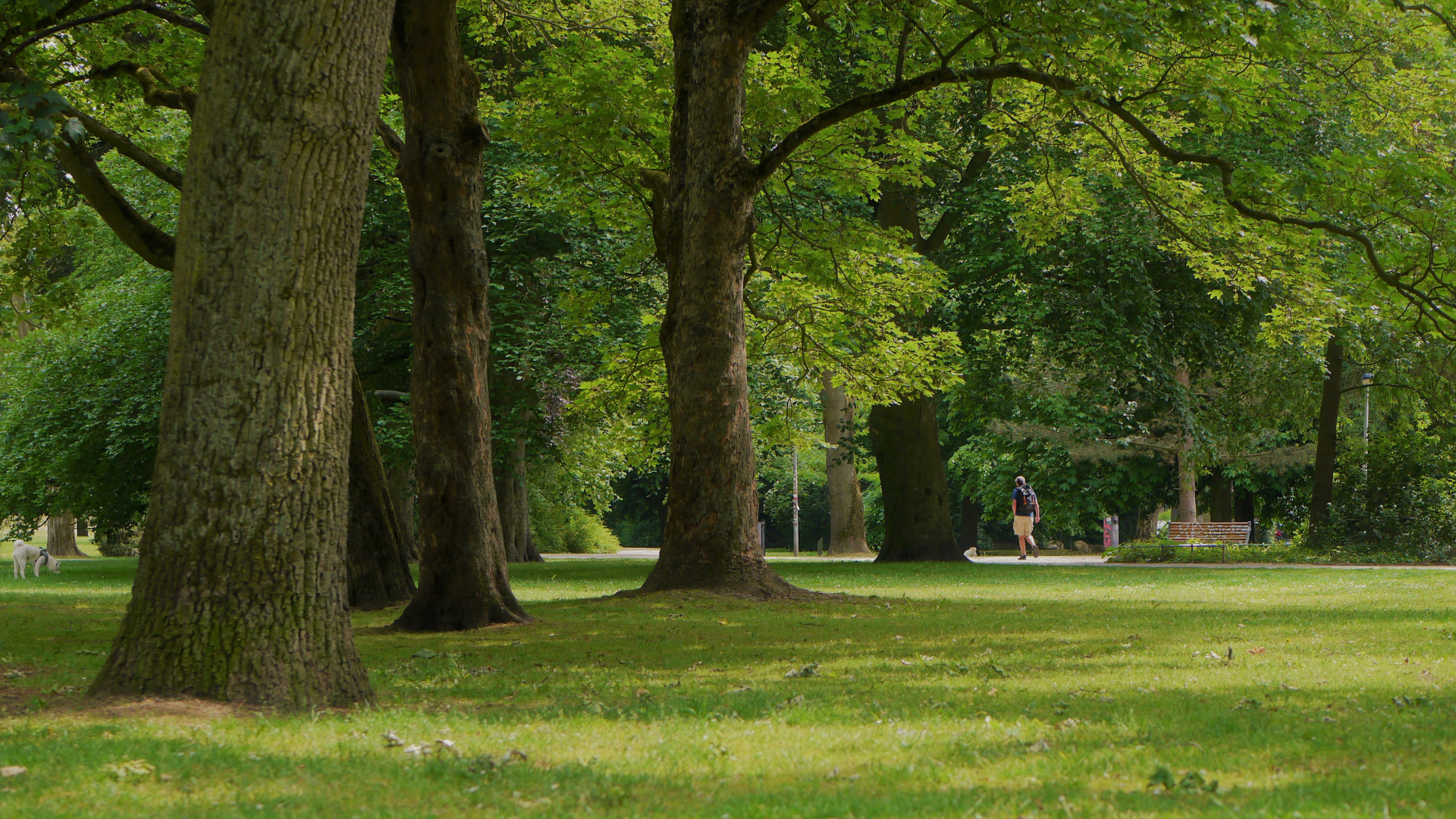
Different tree species have varying levels of natural storm resistance. Some species are known for their strong wood and flexible branches, while others are more brittle and prone to breakage.


For example, trees with dense, heavy wood often resist wind damage better than species with lighter or more brittle wood structures. Flexible branches can bend with the wind rather than snapping under pressure.


In addition, certain species naturally develop deeper root systems that provide better anchoring during storms.


Choosing the right species when planting new trees can significantly improve storm resilience over the long term.
The Impact of Tree Health

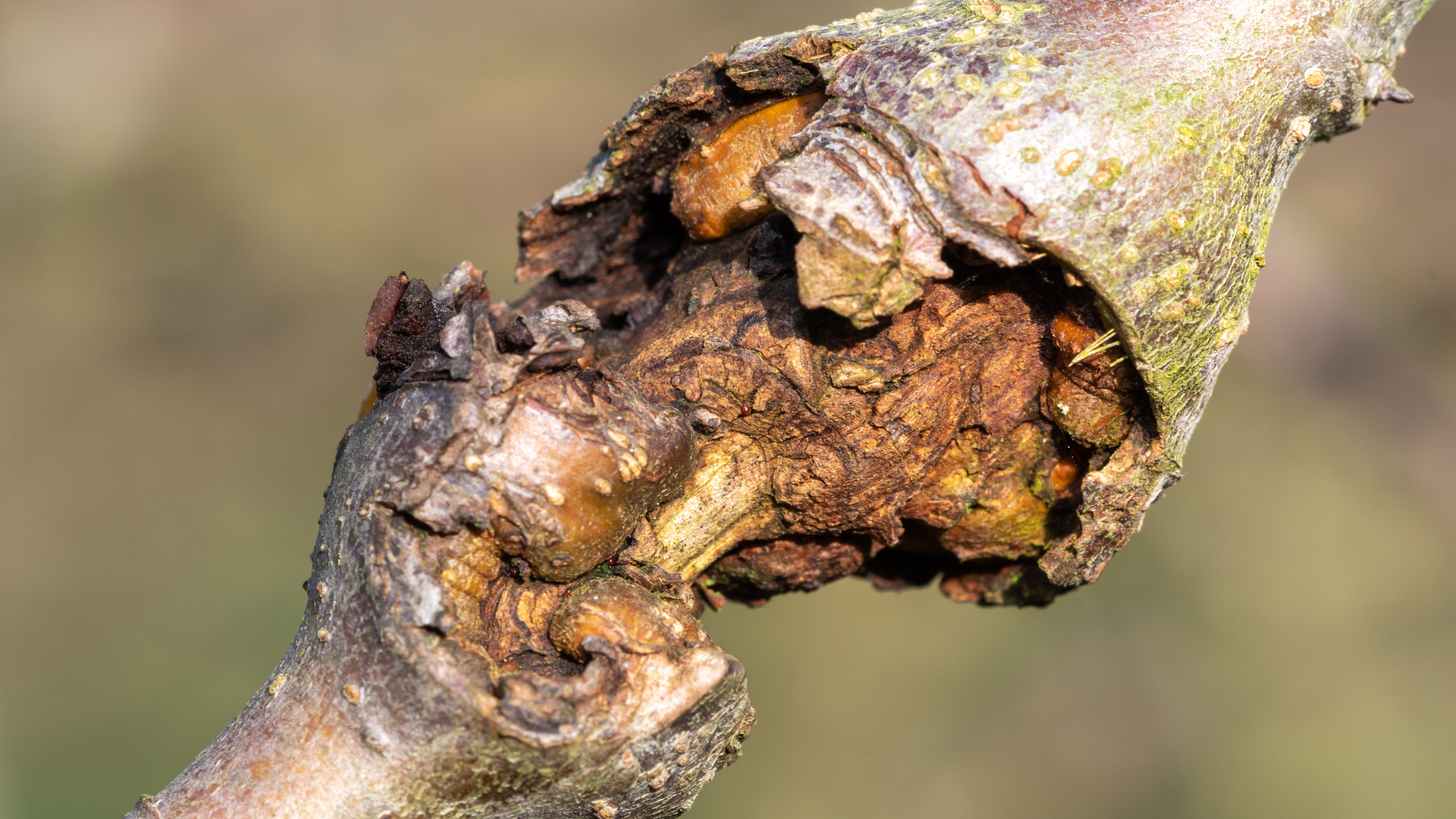
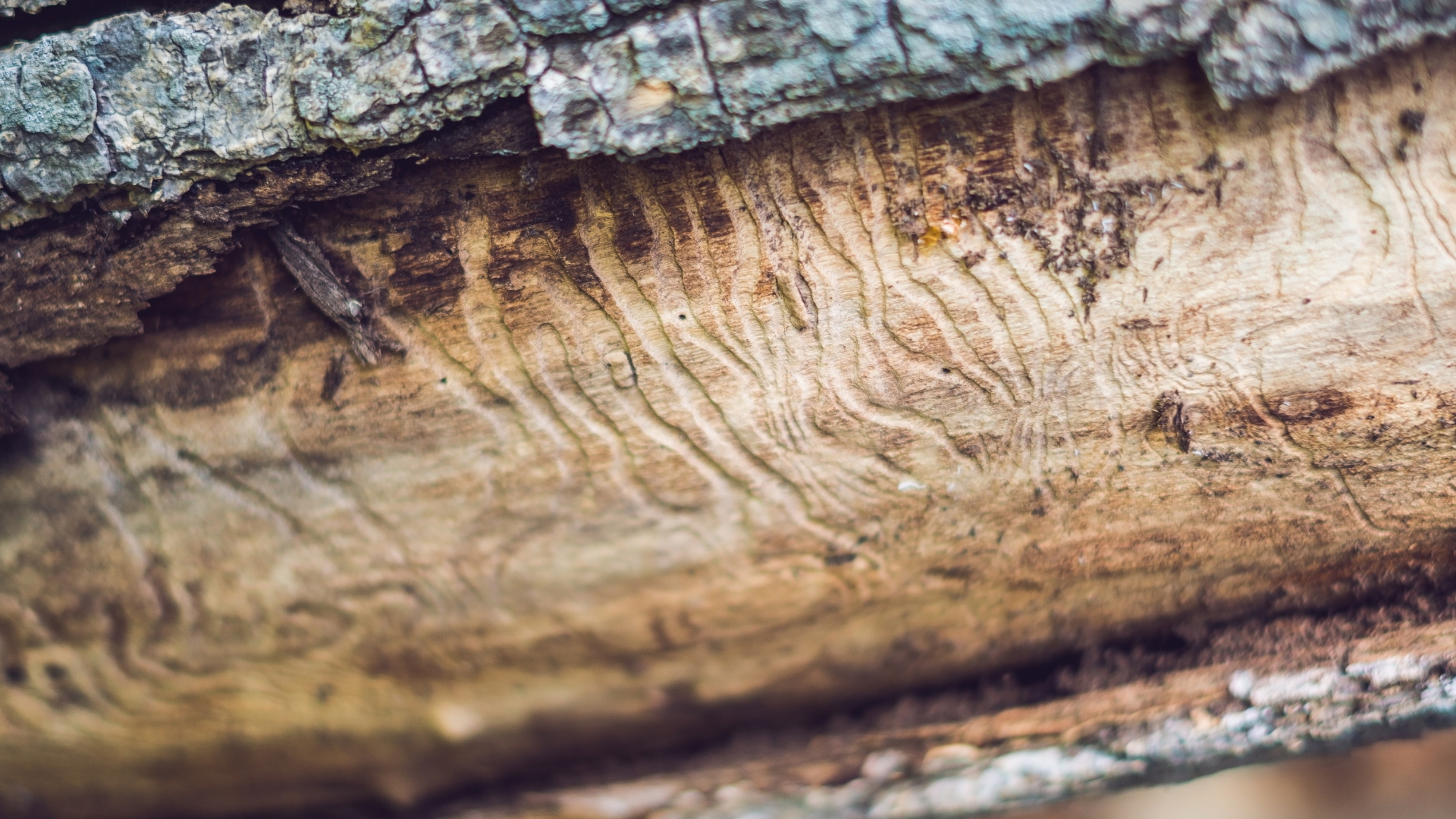
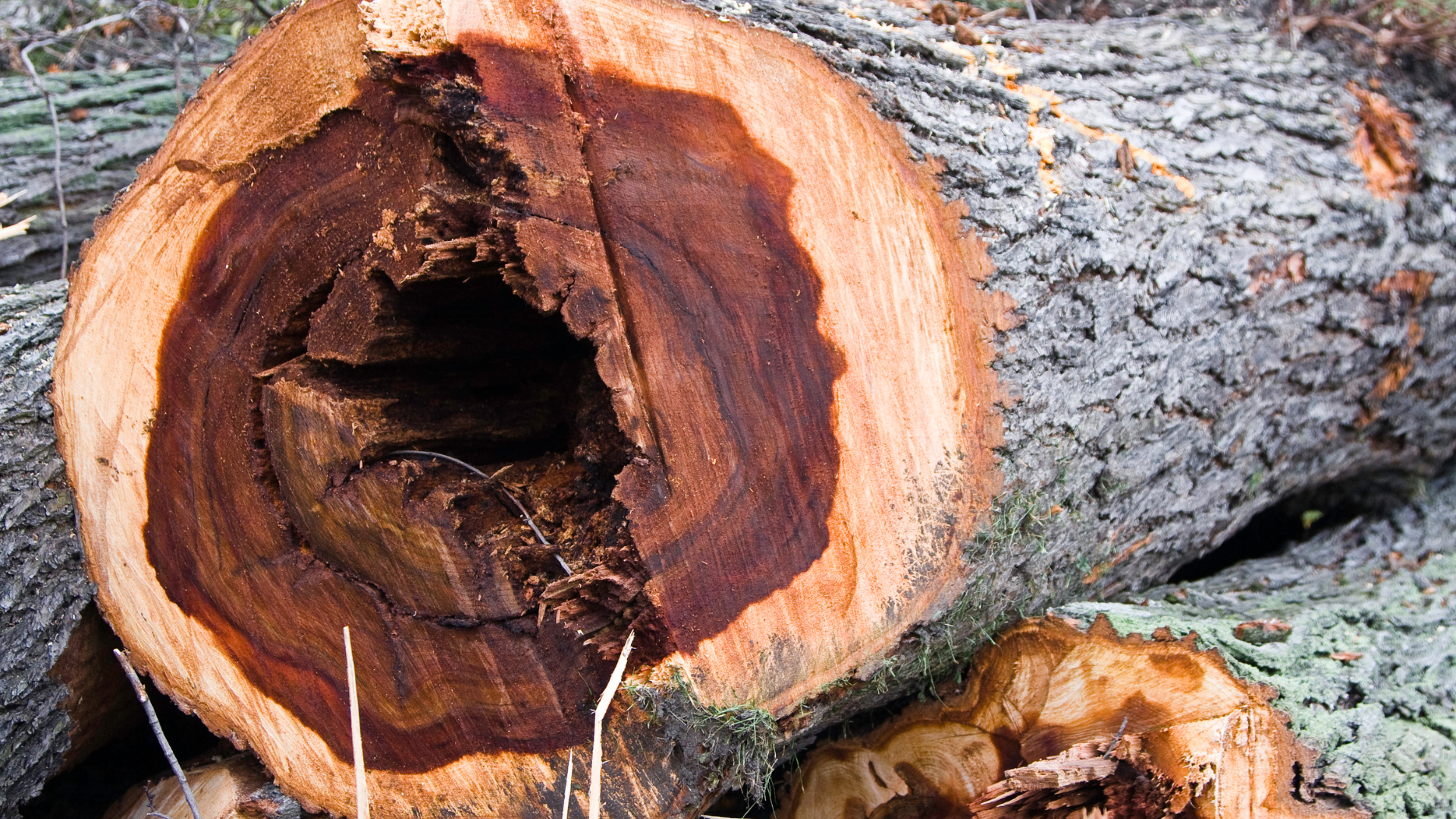
A healthy tree is much more likely to survive severe weather than a weakened one. Disease, insect damage, and internal decay can reduce the strength of branches and trunks.


Decay inside the trunk or major limbs may not always be visible from the outside. However, weakened wood is more likely to fail when subjected to strong winds or heavy rain.


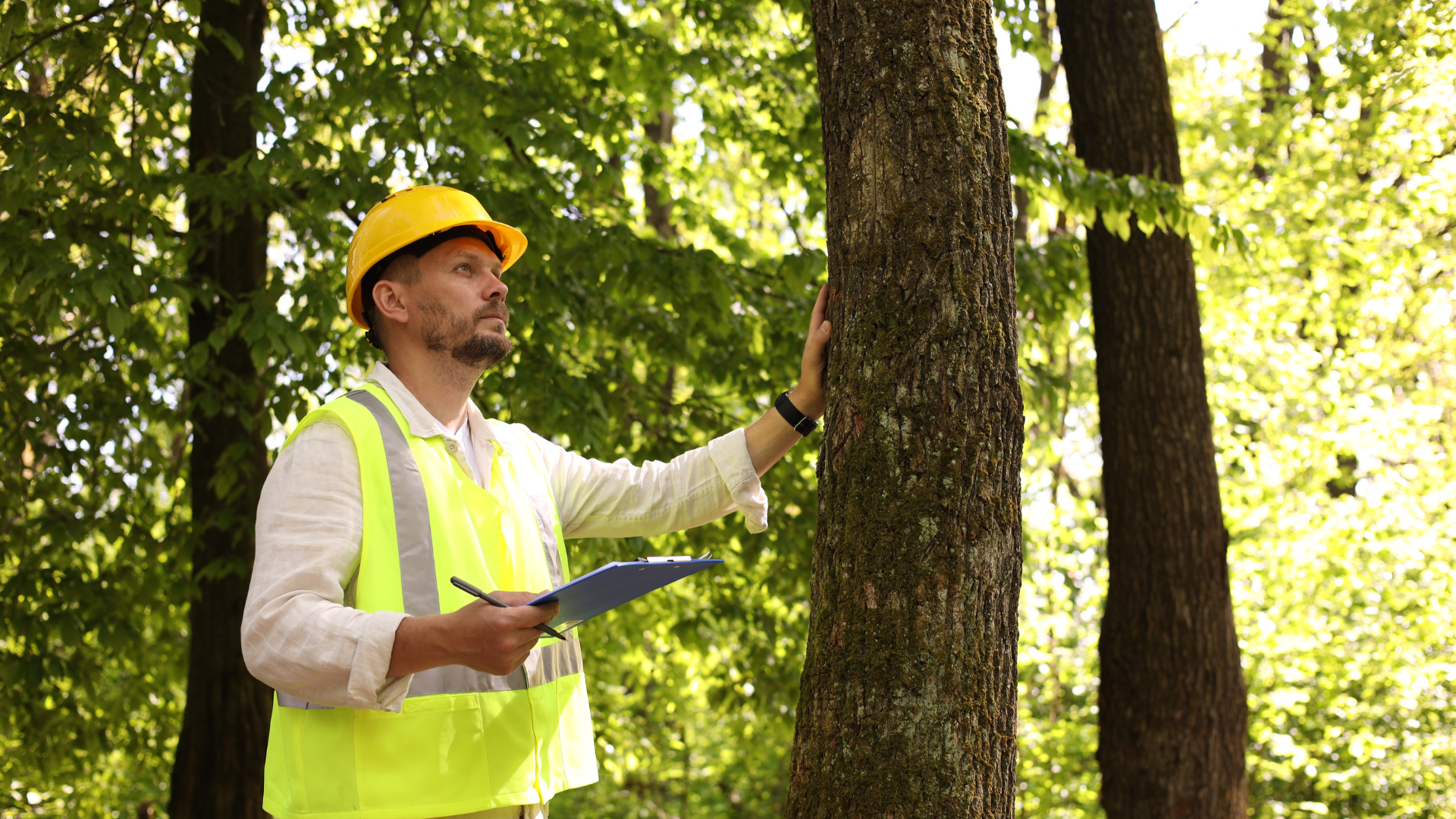
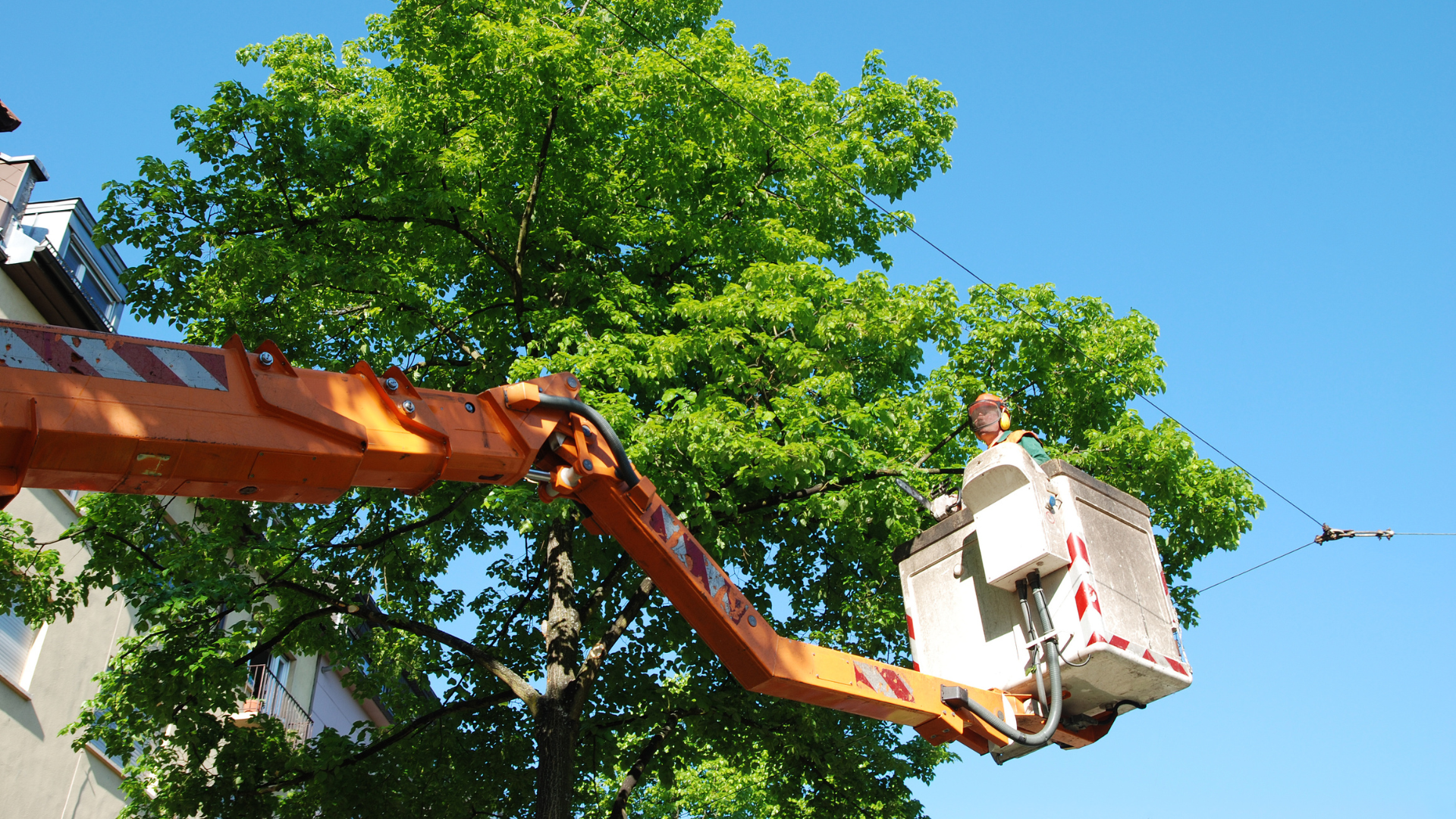
Regular inspections can help identify these issues early. Professional arborists can evaluate a tree’s overall condition and recommend appropriate care or removal if necessary.
The Role of Preventative Maintenance

Proper maintenance is one of the most effective ways to reduce storm damage risks. Regular pruning removes dead or weak branches that could break during severe weather. It also helps maintain a balanced canopy that distributes wind forces more evenly.


In some cases, cabling or bracing systems can be installed to support structurally weak trees and reduce the risk of splitting.


Routine tree care also allows arborists to monitor signs of disease, decay, or root instability before those issues lead to failure.
Protecting Your Landscape from Storm Damage

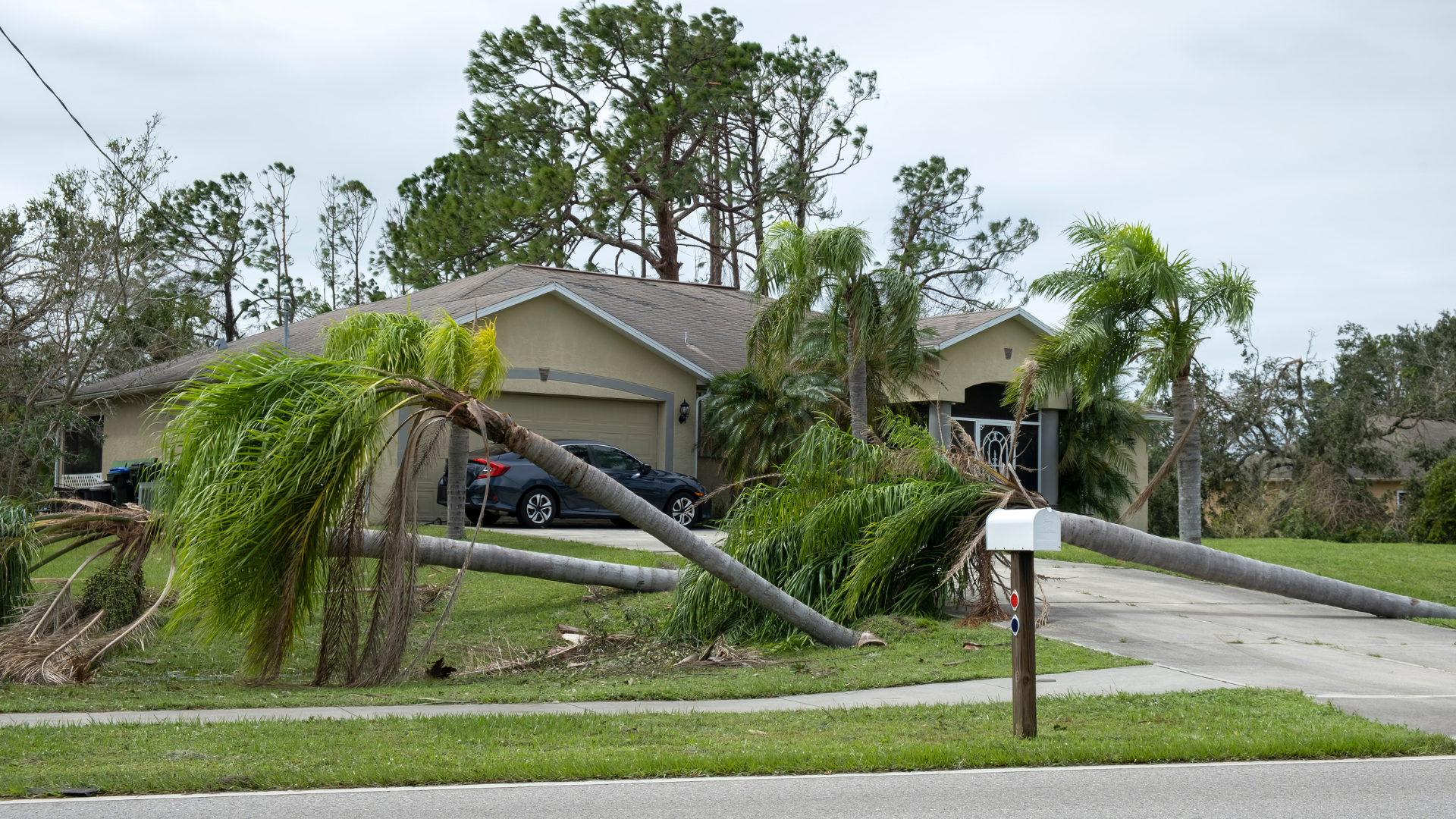
Storms are unpredictable, but property owners can take steps to reduce potential damage by maintaining healthy, structurally sound trees. Proactive tree care helps strengthen trees so they are better prepared to handle severe weather.


At Midwest Tree Surgeons, we specialize in evaluating tree health, correcting structural issues, and providing professional pruning services that improve storm resistance. Our team works with property owners to identify potential hazards and maintain the long-term health of their trees.


If you have concerns about how your trees may respond to severe weather, a professional inspection can provide valuable insight. With proper care and maintenance, many trees can remain strong and stable even when storms pass through the area.
June 3, 2026
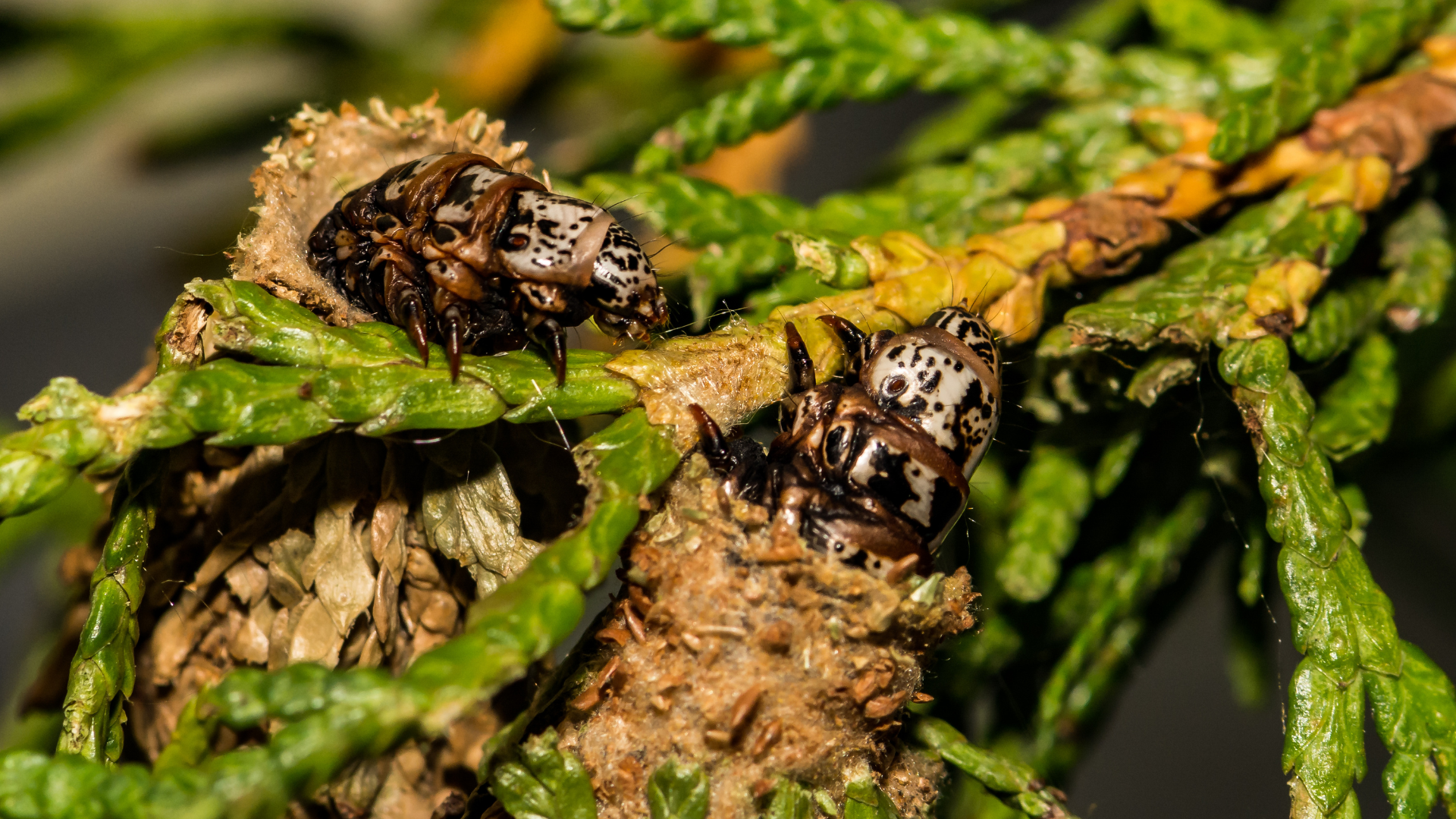
Summer is a busy season for trees. While homeowners often focus on growth, shade, and landscaping during the warmer months, it is also the time of year when many insect populations become more active. Among the most common tree pests are sap-feeding insects, which can quietly affect tree health without attracting immediate attention.  Many homeowners notice symptoms such as sticky leaves, discolored foliage, or unusual insect activity without realizing that sap-feeding pests may be the cause. Understanding these insects and recognizing early warning signs can help property owners address problems before they become more serious. Midwest Tree Surgeons regularly helps homeowners evaluate tree health concerns, including damage caused by insects and environmental stress. Early identification remains one of the most effective ways to protect valuable landscape trees.
May 26, 2026
Summer is often associated with healthy green landscapes and active plant growth, but extended heat and dry conditions can place significant stress on trees. While mature trees may appear stable and resilient from the outside, prolonged summer heat can quietly affect their internal health, moisture balance, and long-term structural stability.  At Midwest Tree Surgeons, we help homeowners understand how environmental stress affects trees throughout the growing season and why summer inspections can be an important part of long-term tree care.
May 19, 2026
When people think about drought conditions, they usually picture dry grass, dusty soil, and immediate signs of heat stress. Trees, however, often respond differently. Unlike lawns or smaller plants, mature trees may continue looking relatively healthy during periods of dry weather, even while internal stress is developing beneath the surface.  One of the most challenging aspects of drought-related tree damage is that symptoms are frequently delayed. In many cases, trees begin showing visible decline months after the drought itself has passed. At Midwest Tree Surgeons, we regularly help homeowners identify delayed drought stress before it progresses into larger structural or health problems.
May 13, 2026
Trees are built to withstand changing seasons, but repeated environmental stress can gradually affect their health and stability. One of the most significant seasonal stressors in many regions is the freeze-thaw cycle. While it may seem like a normal part of winter weather, this constant fluctuation between freezing and thawing can place long-term strain on trees in ways that are not always immediately visible.  Understanding how freeze-thaw cycles affect trees helps explain why early summer is an ideal time for a professional tree inspection.
May 5, 2026
Trees are often perceived as resilient and self-sustaining, capable of withstanding years of environmental stress. While this is true to an extent, injuries to a tree can initiate internal processes that are not visible from the outside. Understanding what happens inside a tree after it is injured helps explain why some trees decline over time, even when they appear stable at first.  At Midwest Tree Surgeons, evaluating these hidden processes is an important part of maintaining long-term tree health and property safety.
April 28, 2026
Mature trees are often seen as stable, established features of a property. Their size and presence can create a sense of permanence, leading many homeowners to assume they are less likely to fail. In reality, mature trees can carry a unique set of risks that are not always visible at first glance.  Understanding these overlooked risk factors is essential for maintaining both tree health and property safety.
April 21, 2026
Tree decline rarely happens all at once. In most cases, it follows a gradual and largely hidden progression that unfolds over time. From the outside, a tree may appear stable, even healthy, while underlying changes begin to affect its structure and resilience. This is what makes tree decline difficult to recognize and, in many cases, easy to overlook.  Understanding this “invisible timeline” can help property owners identify early warning signs and take action before more serious issues develop.
April 14, 2026
When homeowners think about tree stability, the focus is often on what is visible above ground. Branch structure, trunk size, and overall appearance tend to receive the most attention. However, one of the most important factors affecting a tree’s stability is hidden below the surface.  Soil conditions play a central role in how well a tree is anchored, how it grows, and how it responds to environmental stress. Understanding this relationship can help property owners better assess risk and make more informed decisions about tree care.
April 8, 2026
Deadwood is often dismissed as a minor issue. It may appear as a few dry branches or small sections of a tree that no longer produce leaves. Because it does not always affect the entire tree, many homeowners overlook it. However, deadwood can present a significant safety risk, particularly in residential settings.  Understanding why deadwood forms, how it behaves, and how it progresses over time can help prevent avoidable property damage and injury.
April 1, 2026
Trees are often one of the most valuable features of a residential property . They provide shade, improve curb appeal, and contribute to the overall health of the environment. However, when multiple trees share the same space, they do not simply coexist without interaction. Trees compete with one another for essential resources such as water, sunlight, and nutrients. Over time, this competition can influence how trees grow, how healthy they remain, and how stable they become.  Understanding how trees compete for resources can help homeowners make better decisions about planting, spacing, and long-term tree care. With proper planning and maintenance, it is possible to create a landscape where trees thrive rather than struggle against one another.
More Posts