The “Invisible Timeline” of Tree Decline Explained
Tree decline rarely happens all at once. In most cases, it follows a gradual and largely hidden progression that unfolds over time. From the outside, a tree may appear stable, even healthy, while underlying changes begin to affect its structure and resilience. This is what makes tree decline difficult to recognize and, in many cases, easy to overlook.
Understanding this “invisible timeline” can help property owners identify early warning signs and take action before more serious issues develop.
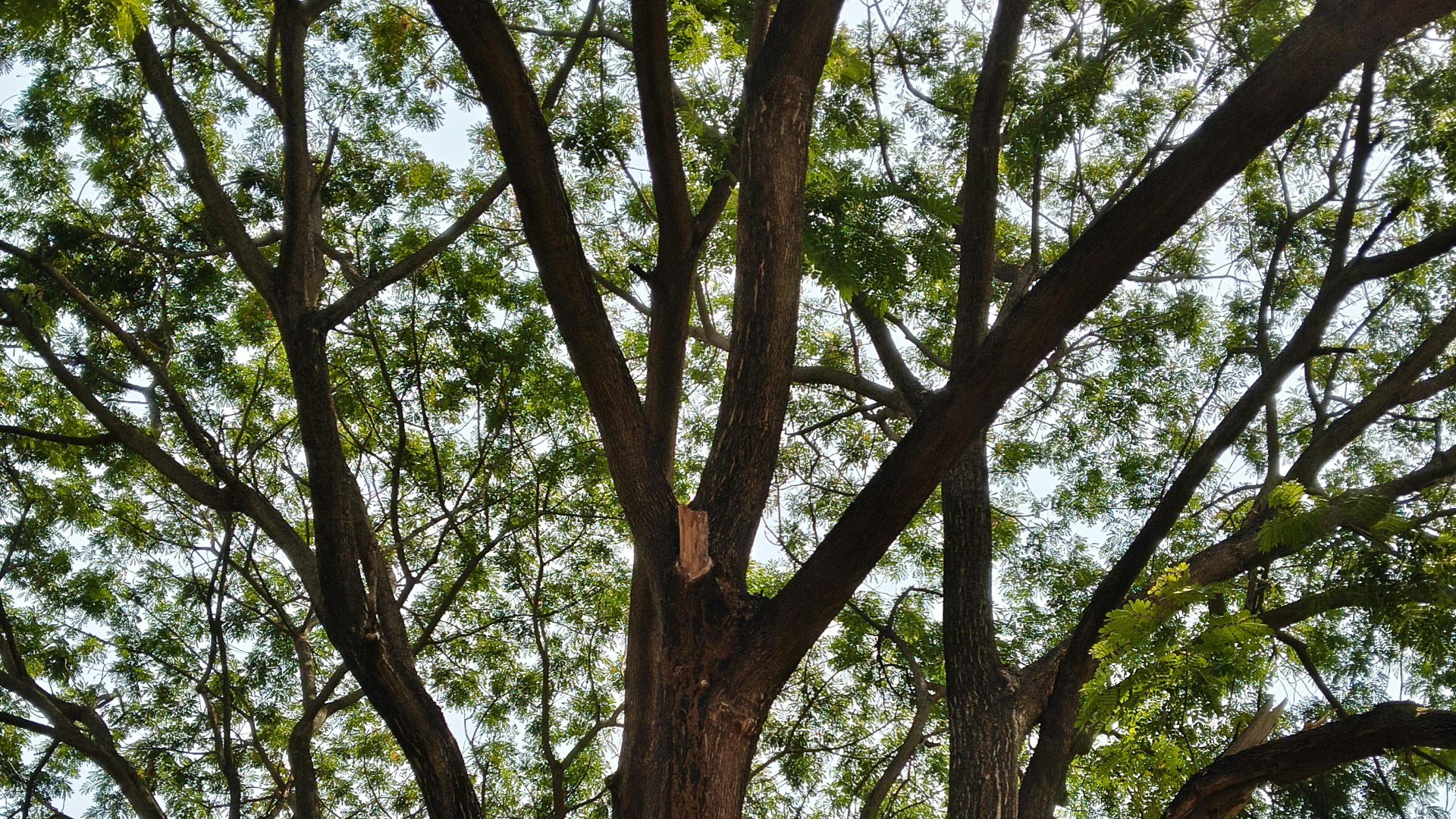
Stage One: Early Stress With No Visible Signs
The earliest stage of tree decline often begins below the surface or within the internal structure of the tree. Factors such as soil conditions, moisture imbalance, root disturbance, or environmental stress can begin to affect the tree’s health.
At this stage:
- Leaves may still appear normal
- Growth may continue at a typical rate
- No obvious structural issues are visible
Because there are no clear external symptoms, this phase is often unnoticed. However, the tree is already beginning to respond to stress.
Stage Two: Subtle Changes in Growth and Appearance
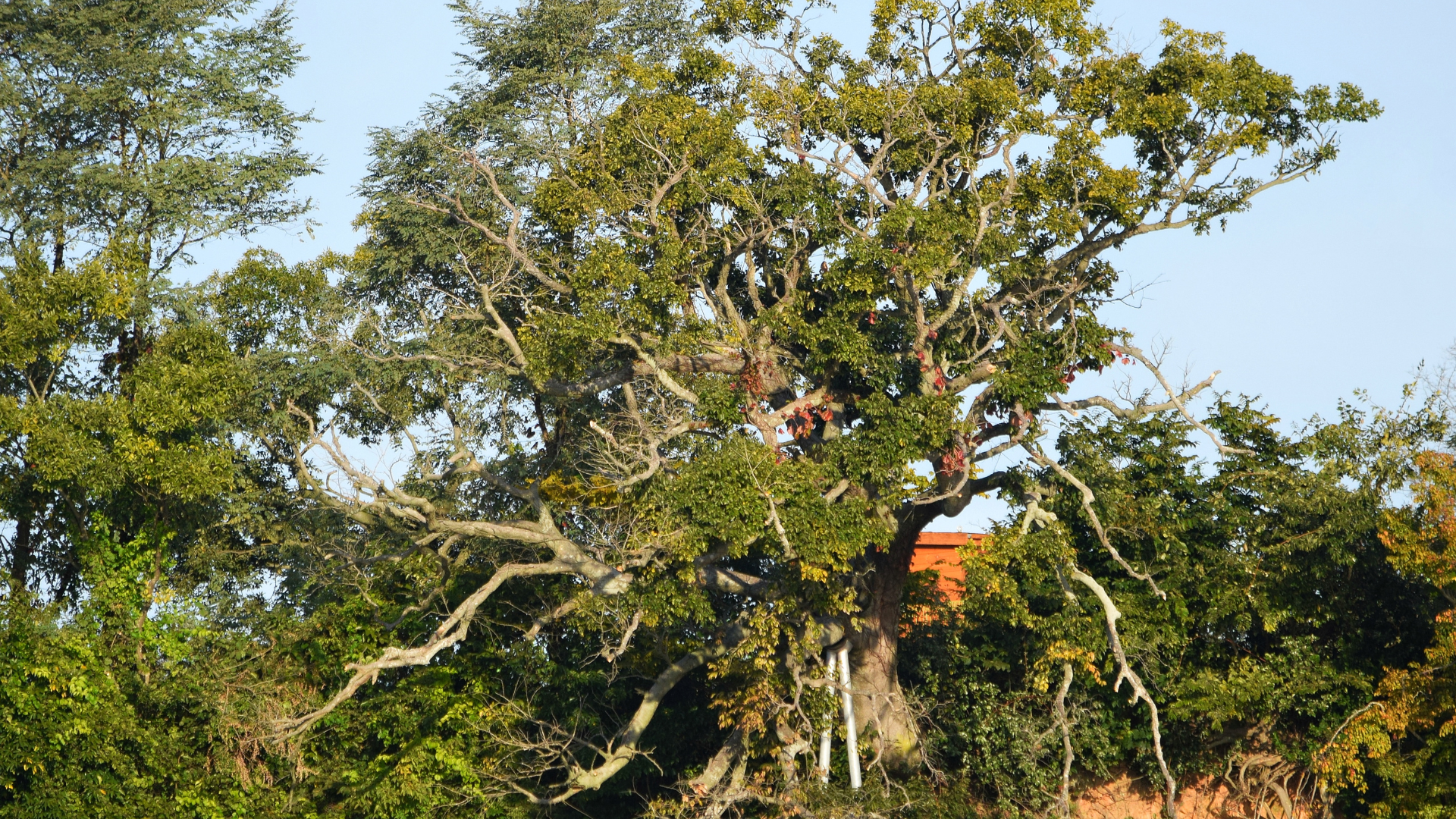
As stress continues, the tree may begin to show minor changes. These are often subtle and can be mistaken for normal variation.
Early indicators may include:
- Slight thinning of the canopy
- Smaller or less vibrant leaves
- Reduced growth compared to previous seasons
These changes can be easy to dismiss, especially if the tree still appears full overall. However, they often indicate that the tree is no longer functioning at its previous level.
Stage Three: Localized Decline
Over time, the effects of stress may become more concentrated in certain areas of the tree. This stage is often where decline becomes more noticeable, though it may still be limited in scope.
Common signs include:
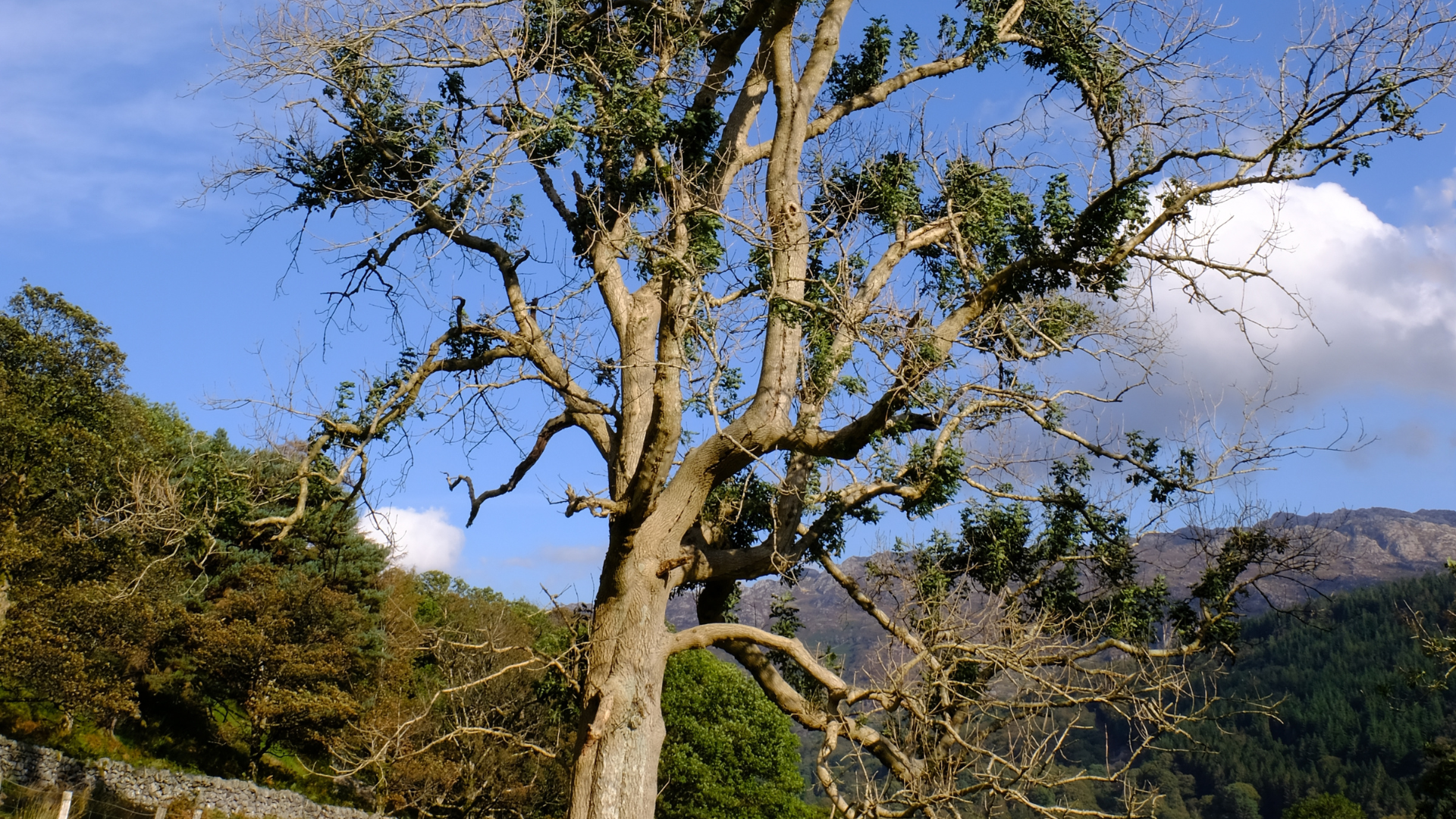
- Individual branches failing to produce leaves
- Deadwood appearing in specific sections
- Uneven canopy distribution
At this point, the tree is showing clear signs that its internal systems are under strain. While the entire tree may not be affected yet, the progression is underway.
Stage Four: Structural Weakening
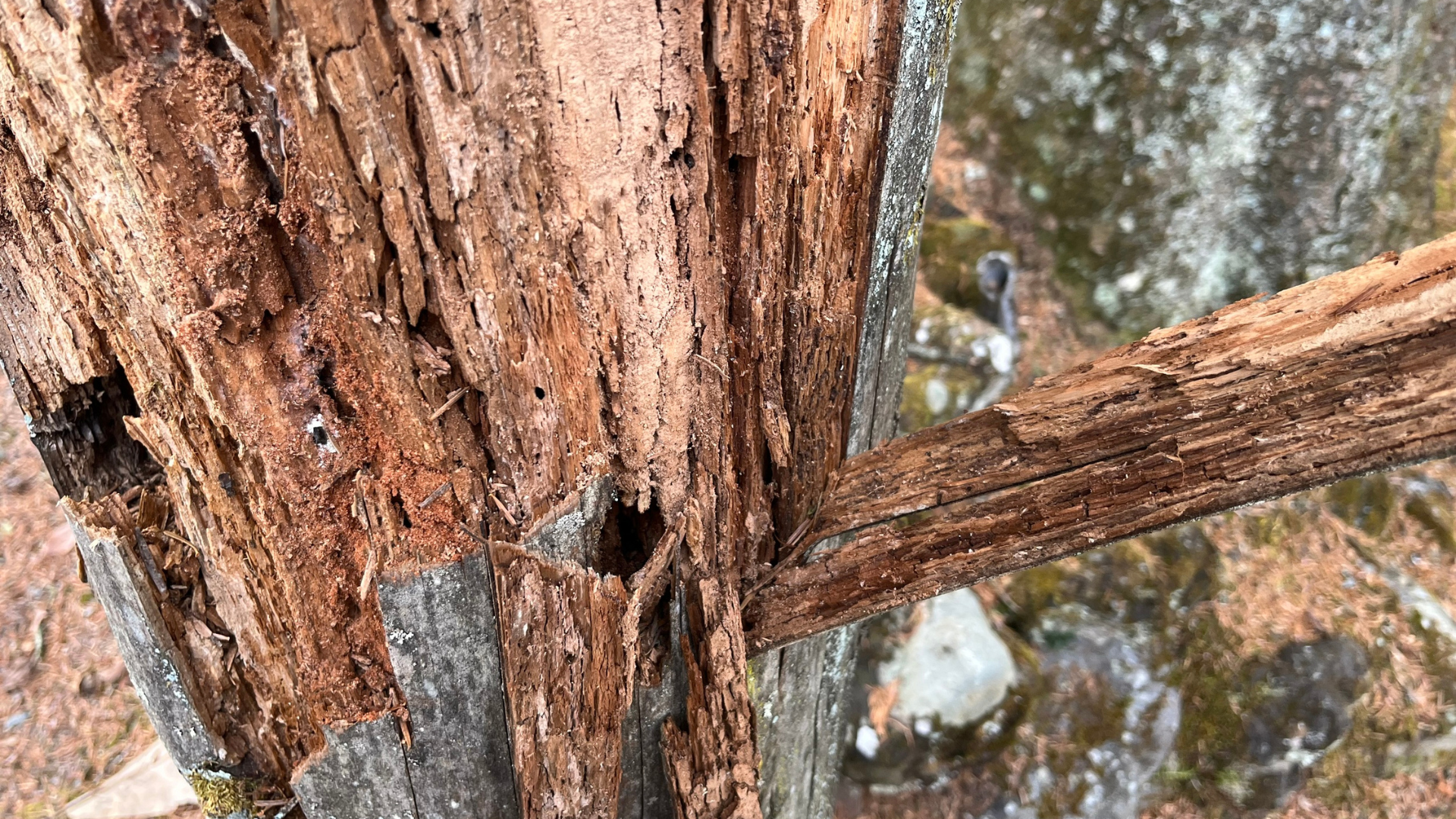
As decline continues, the structural integrity of the tree may begin to change. This stage is not always obvious from a distance, but it can significantly affect stability.
Possible developments include:
- Weak attachment points between branches and trunk
- Increased brittleness in certain limbs
- Reduced ability to withstand environmental stress
Even if the tree still appears largely intact, these internal changes can increase the risk of failure.
Stage Five: Visible and Advanced Decline
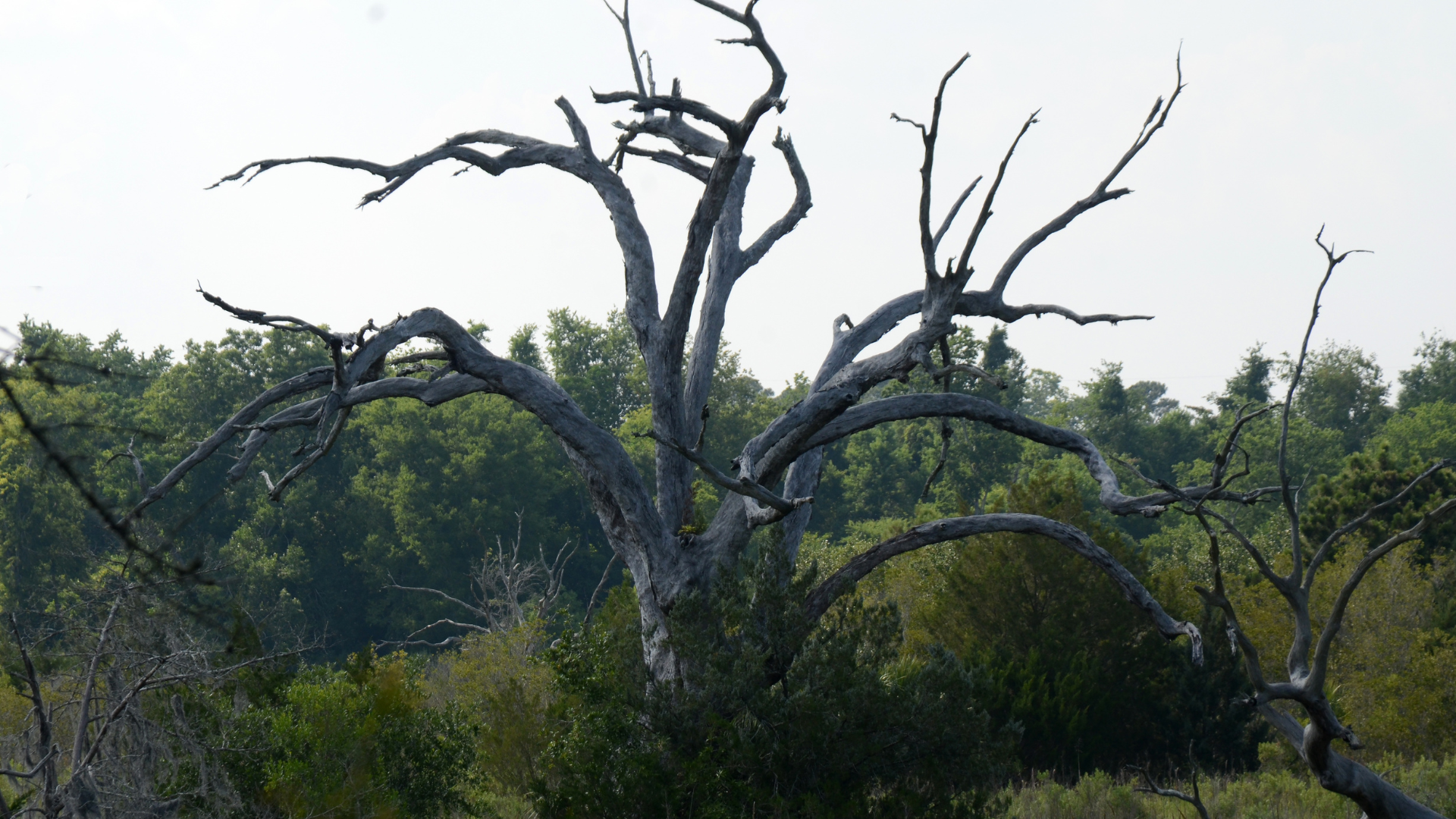
In the later stages, the signs of decline become more apparent. The tree may show widespread symptoms that are difficult to ignore.
These may include:
- Significant loss of foliage
- Large sections of deadwood
- Noticeable imbalance in structure
At this stage, the tree’s condition has progressed beyond minor issues. The likelihood of further deterioration or failure increases.
Why the Timeline Is Easy to Miss
The gradual nature of this process is what makes it difficult to recognize. Because changes occur over months or years, they can blend into the natural variation of the landscape.
Homeowners may assume that:
- The tree is simply aging
- Seasonal changes are responsible for visible differences
- No action is needed until a major issue appears
This perception can delay intervention, allowing the decline to progress further.
The Importance of Early Recognition
Identifying tree decline in its earlier stages provides more options for management. Addressing issues before they become advanced can help reduce risk and maintain stability.
Early attention may:
- Limit the spread of decline within the tree
- Reduce the likelihood of unexpected failure
- Support a more controlled approach to tree care
Waiting until later stages often results in fewer options and greater urgency.
A More Informed Approach to Tree Health
Tree decline is rarely sudden. It follows a progression that, while not always visible, can be understood and managed with the right approach.
Midwest Tree Surgeons provides professional evaluations designed to identify early signs of decline and assess overall tree condition. If you have noticed subtle changes or are unsure about the health of your trees, contact Midwest Tree Surgeons to schedule an assessment and take a proactive step toward protecting your property.