How Soil Conditions Influence Tree Stability

April 14, 2026

When homeowners think about tree stability, the focus is often on what is visible above ground. Branch structure, trunk size, and overall appearance tend to receive the most attention. However, one of the most important factors affecting a tree’s stability is hidden below the surface.


Soil conditions play a central role in how well a tree is anchored, how it grows, and how it responds to environmental stress. Understanding this relationship can help property owners better assess risk and make more informed decisions about tree care.
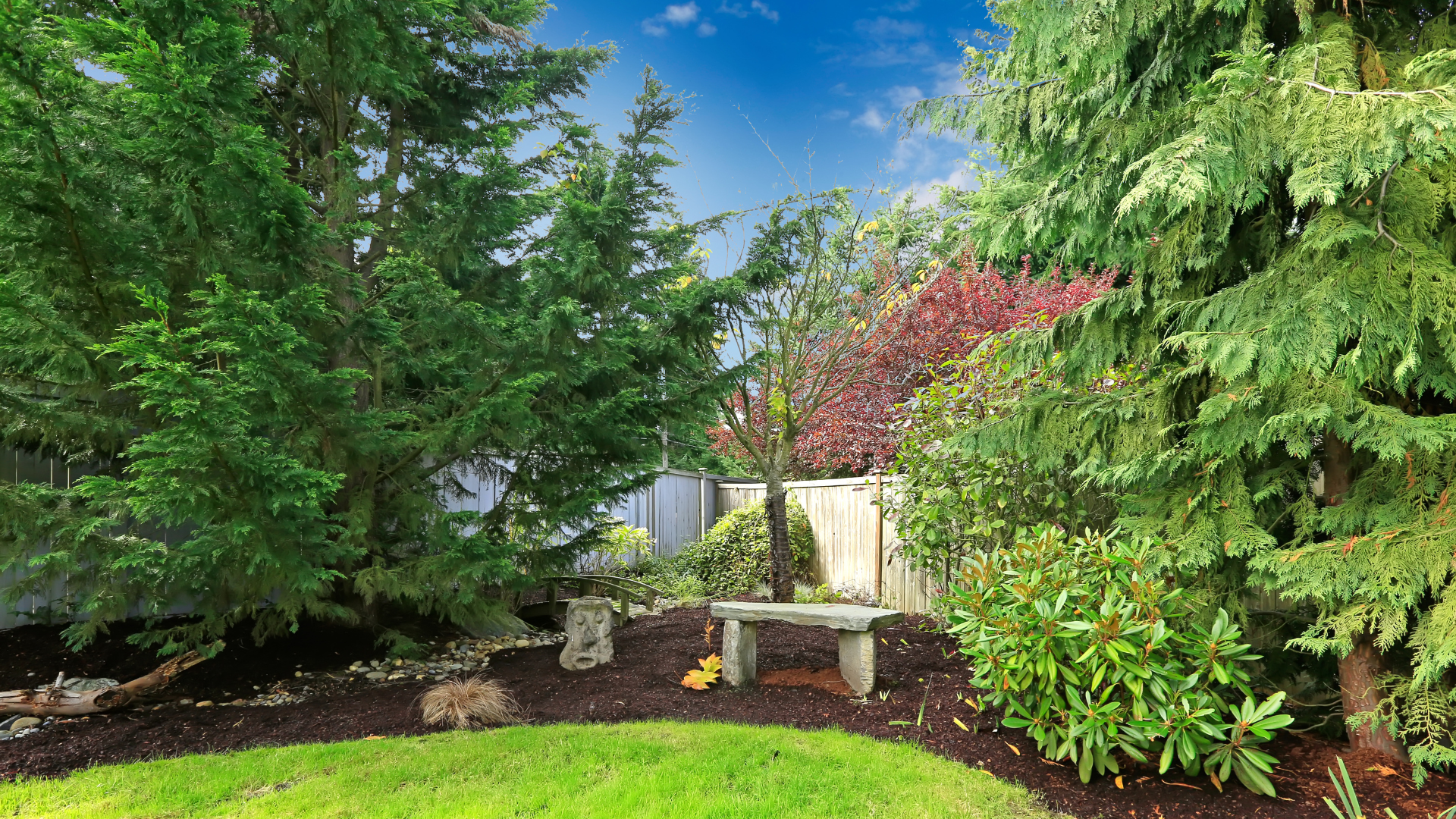
Lush backyard garden with tall evergreens, a white fence, and a bright green lawn under a blue sky

The Foundation of Tree Stability

A tree’s root system depends on soil for both support and nourishment. Healthy soil allows roots to expand, anchor the tree, and access the water and nutrients needed for growth.


When soil conditions are ideal, roots can:

  • Extend outward and downward effectively
  • Establish strong anchoring points
  • Adapt to changes in moisture and weather

This creates a stable foundation that helps the tree withstand wind and other external forces.
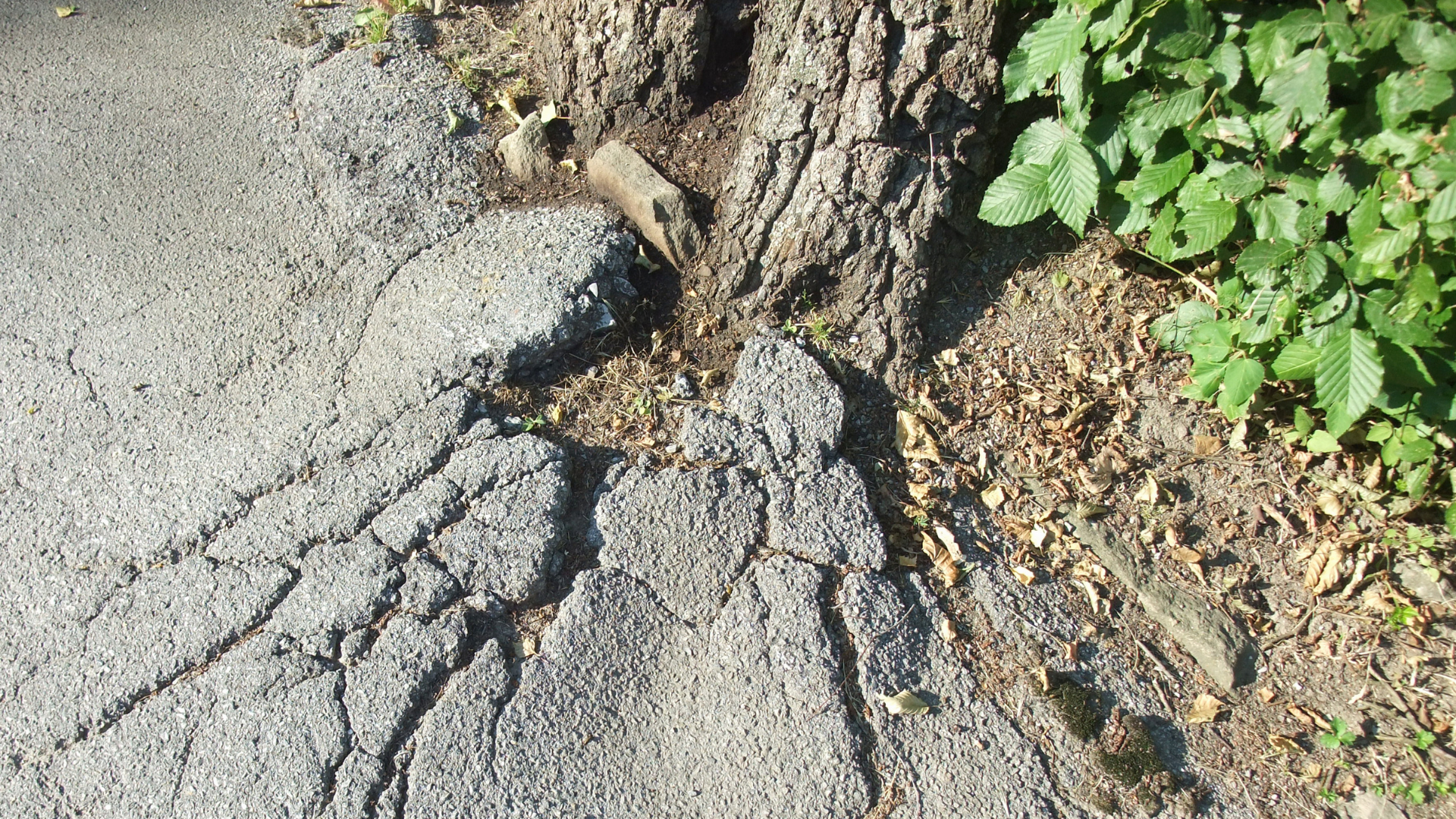
Cracked pavement meeting a tree trunk and green plants along the edge of a sidewalk

Compacted Soil and Limited Root Growth

One of the most common issues affecting soil is compaction. This occurs when soil is compressed, reducing the space between particles. Compaction can result from foot traffic, construction activity, or heavy equipment.


When soil becomes compacted:

  • Roots have difficulty expanding
  • Water may not penetrate effectively
  • Oxygen levels in the soil can decrease

These conditions limit root development, which can reduce the tree’s ability to remain stable over time. A tree may appear healthy above ground while lacking the support it needs below.
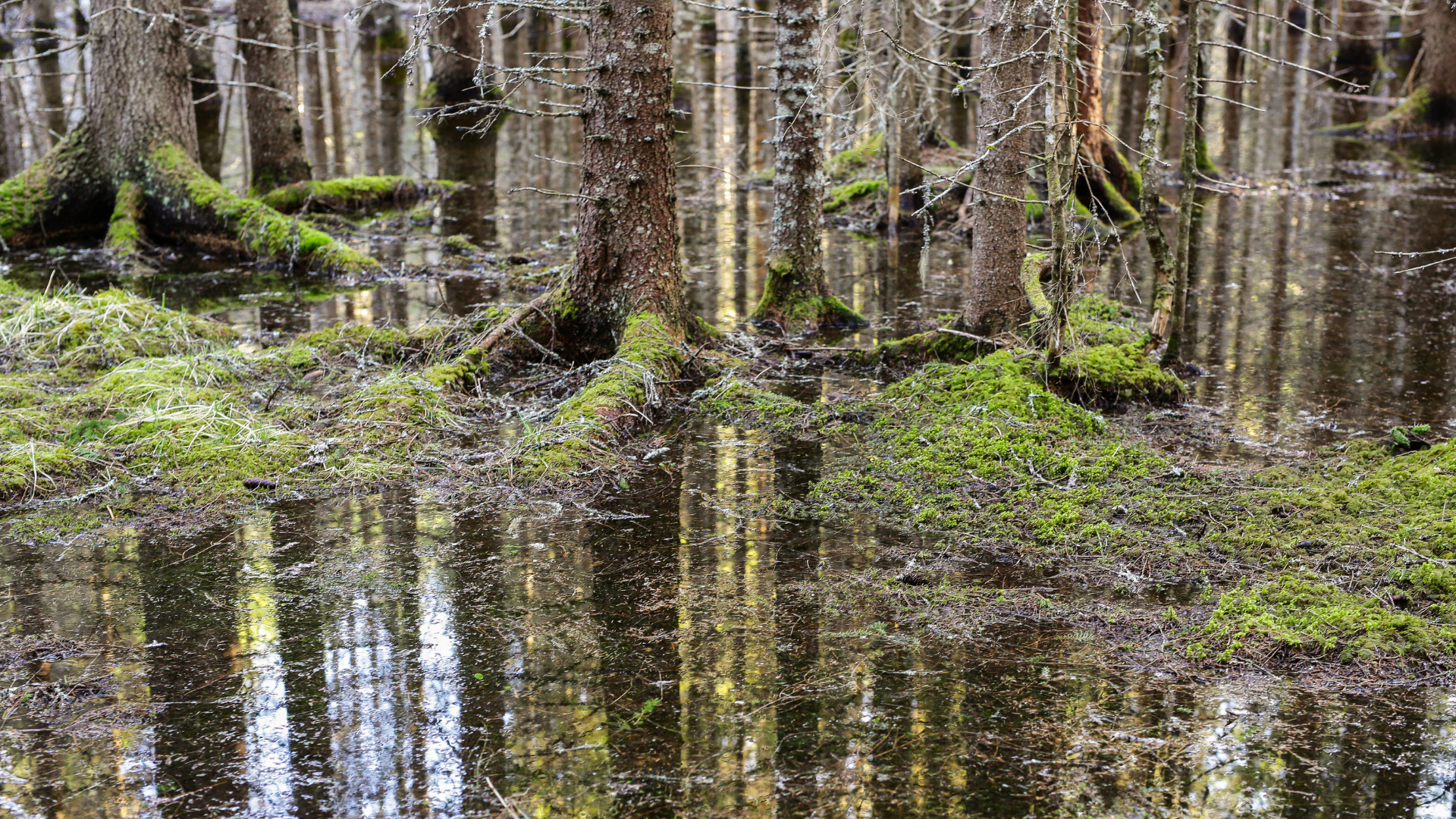
Flooded forest with leafless trees and green moss reflected in still water

The Impact of Excess Moisture

Soil that retains too much water can also affect stability. While trees require moisture, oversaturated soil can weaken the structure that holds roots in place.


Excess moisture may lead to:

  • Reduced soil strength
  • Increased risk of root rot
  • Loosening of the root system

In these conditions, even moderate wind can cause a tree to shift or lean, increasing the likelihood of failure.
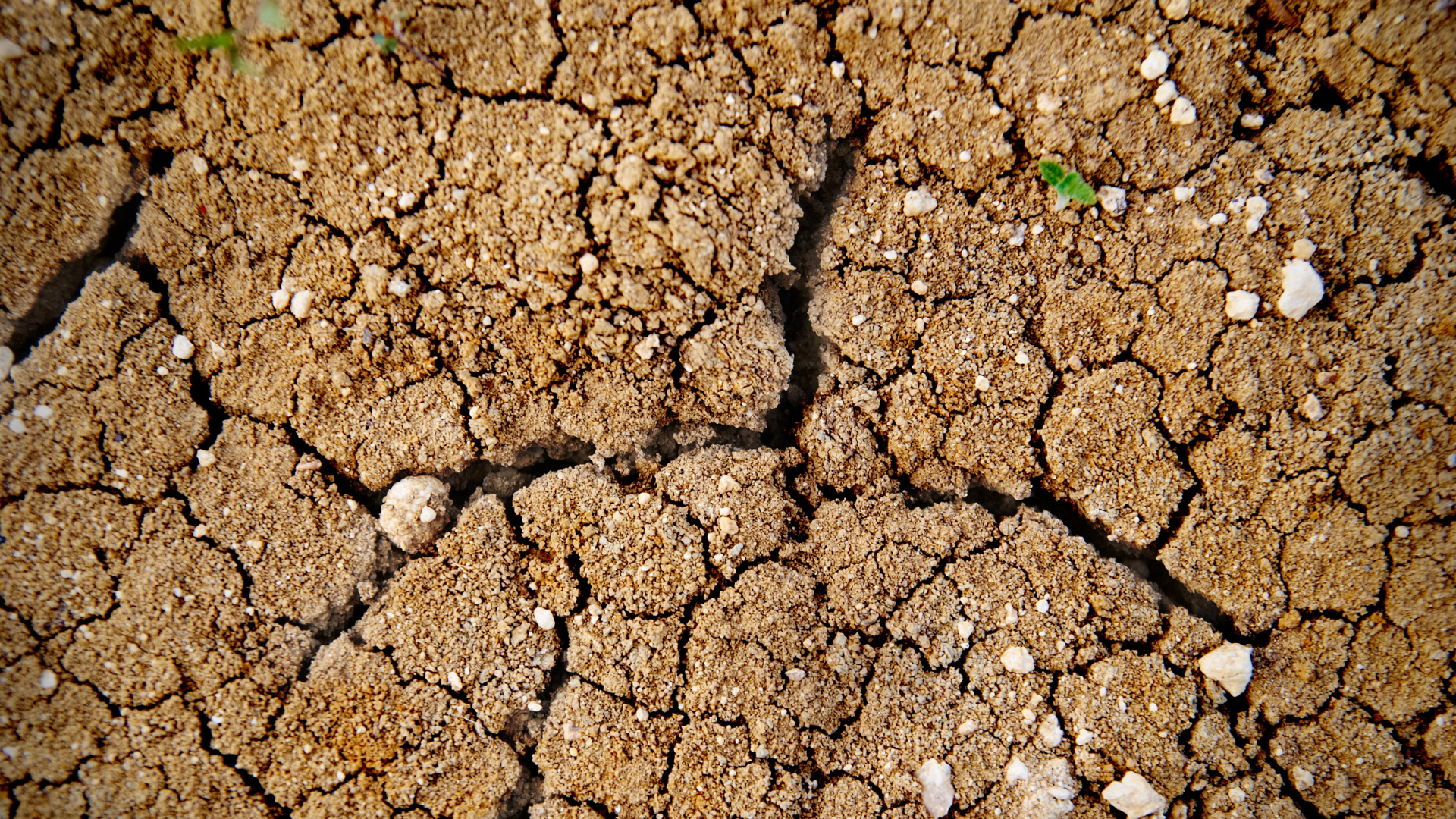
Cracked, dry soil with a few small pebbles scattered across the surface.

Dry Soil and Reduced Support

At the opposite extreme, dry soil can present its own challenges. When soil lacks adequate moisture, it can become loose and less cohesive.


This may result in:

  • Reduced grip around the root system
  • Limited nutrient availability
  • Increased stress on the tree

Over time, these factors can weaken the overall structure of the tree, making it more vulnerable to environmental pressures.
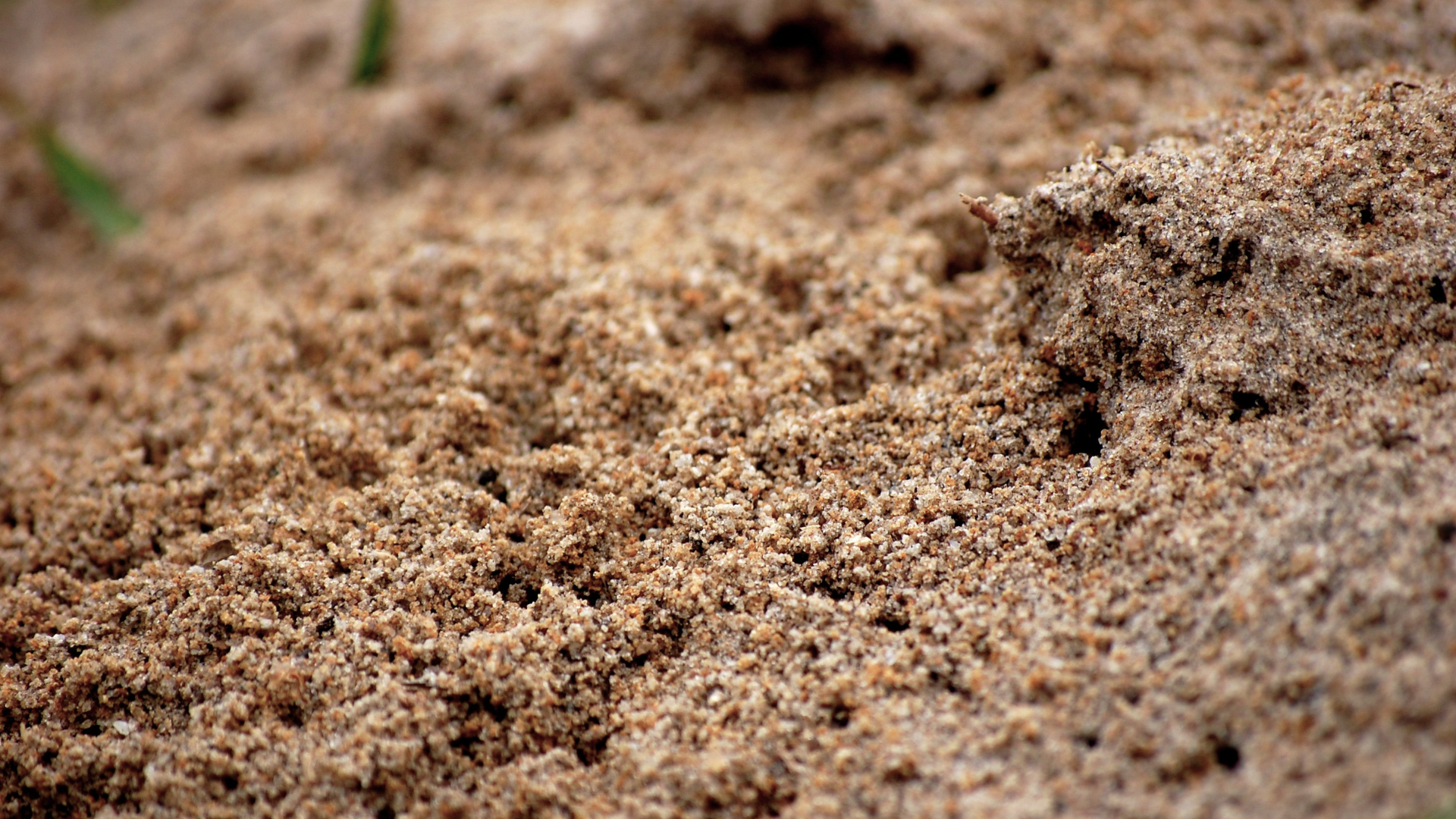
Close-up of sandy brown soil with small pebbles and rough texture

Soil Composition Matters

Not all soil types provide the same level of support. The composition of soil, including the balance of sand, silt, and clay, influences how well it can support a tree.


For example:

  • Sandy soils drain quickly but may not provide strong anchoring
  • Clay soils retain moisture but can become dense and restrictive
  • Loamy soils often provide a balance of drainage and support

Understanding soil composition helps explain why some trees remain stable while others in similar conditions may struggle.
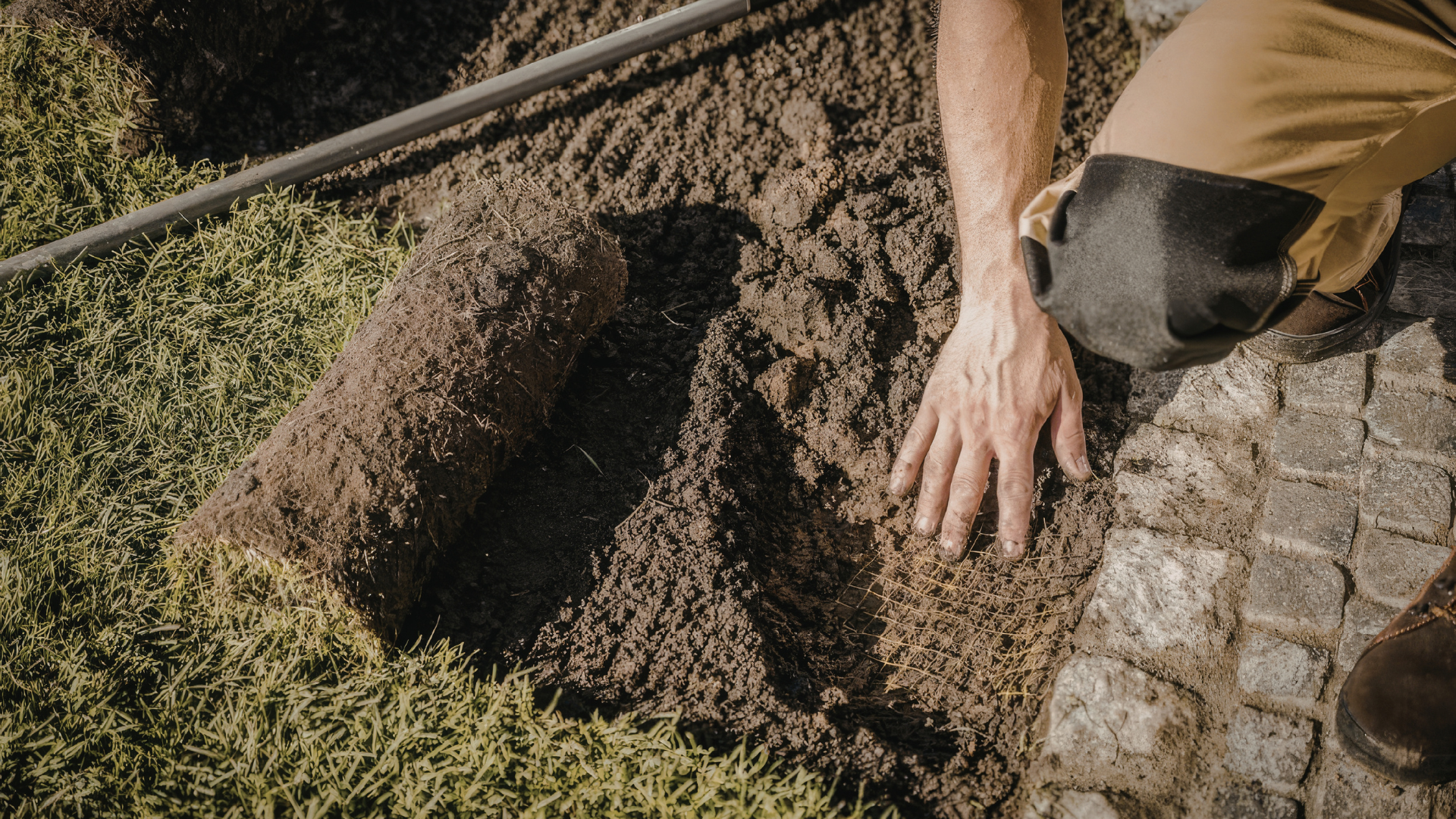
Person kneeling outdoors, digging soil beside a stone path with a shovel.

Changes Over Time

Soil conditions are not static. They can change due to weather patterns, landscaping activities, or natural settling. These changes can affect tree stability gradually, often without immediate visible signs.


For instance:

  • Heavy rainfall can alter soil structure
  • Construction can disrupt root systems
  • Seasonal changes can shift moisture levels

Because these changes occur over time, the impact on stability may not be immediately noticeable.
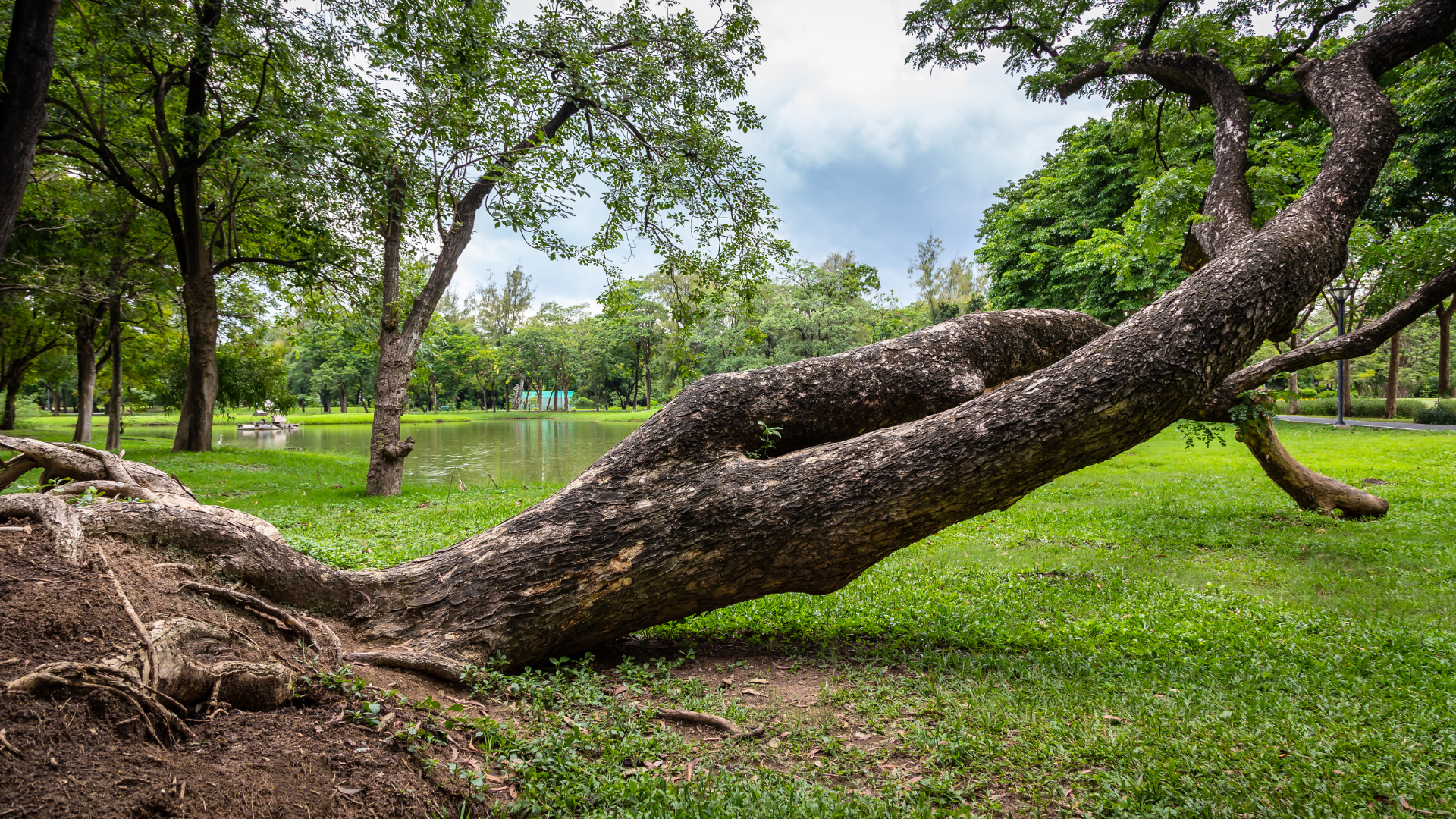
A fallen tree trunk arches across a green park lawn with leafy trees in the background.

Why Soil Issues Are Easy to Miss

Unlike visible damage to branches or trunks, soil-related problems are often hidden. A tree may look full and healthy while experiencing underlying instability.


This can lead to a false sense of security, particularly in residential settings where trees are assumed to be stable if they appear intact.


Without a closer assessment, these risks can go unnoticed until a failure occurs.
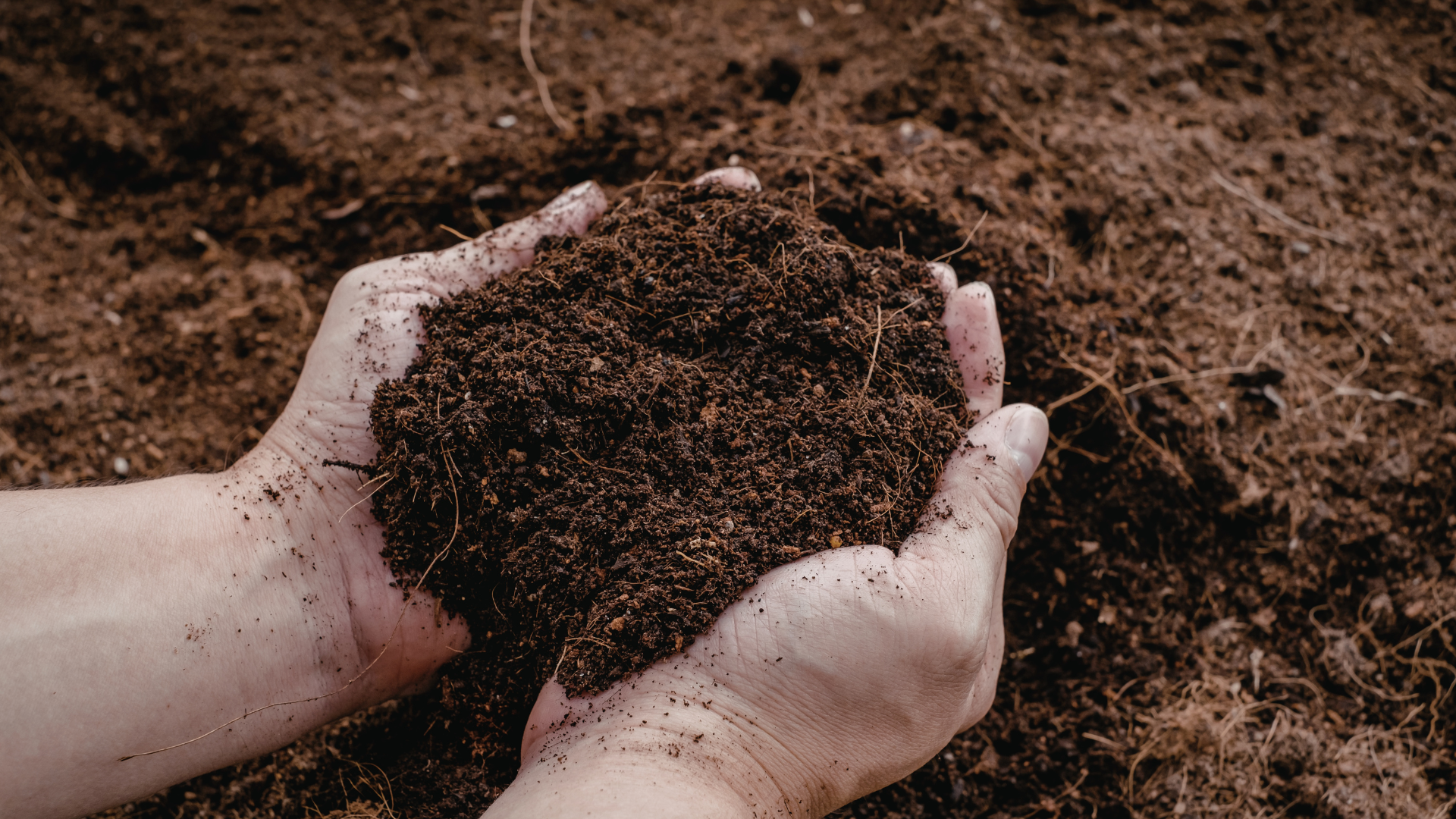
Hands holding loose soil over a pile of dark earth

The Importance of Professional Evaluation

Assessing soil conditions requires more than a surface-level inspection. It involves understanding how the soil interacts with the root system and how both respond to environmental factors.


Professional evaluation can help:

  • Identify compaction or drainage issues
  • Assess root stability
  • Determine whether corrective action is needed

Addressing these factors early can reduce the risk of unexpected tree failure.
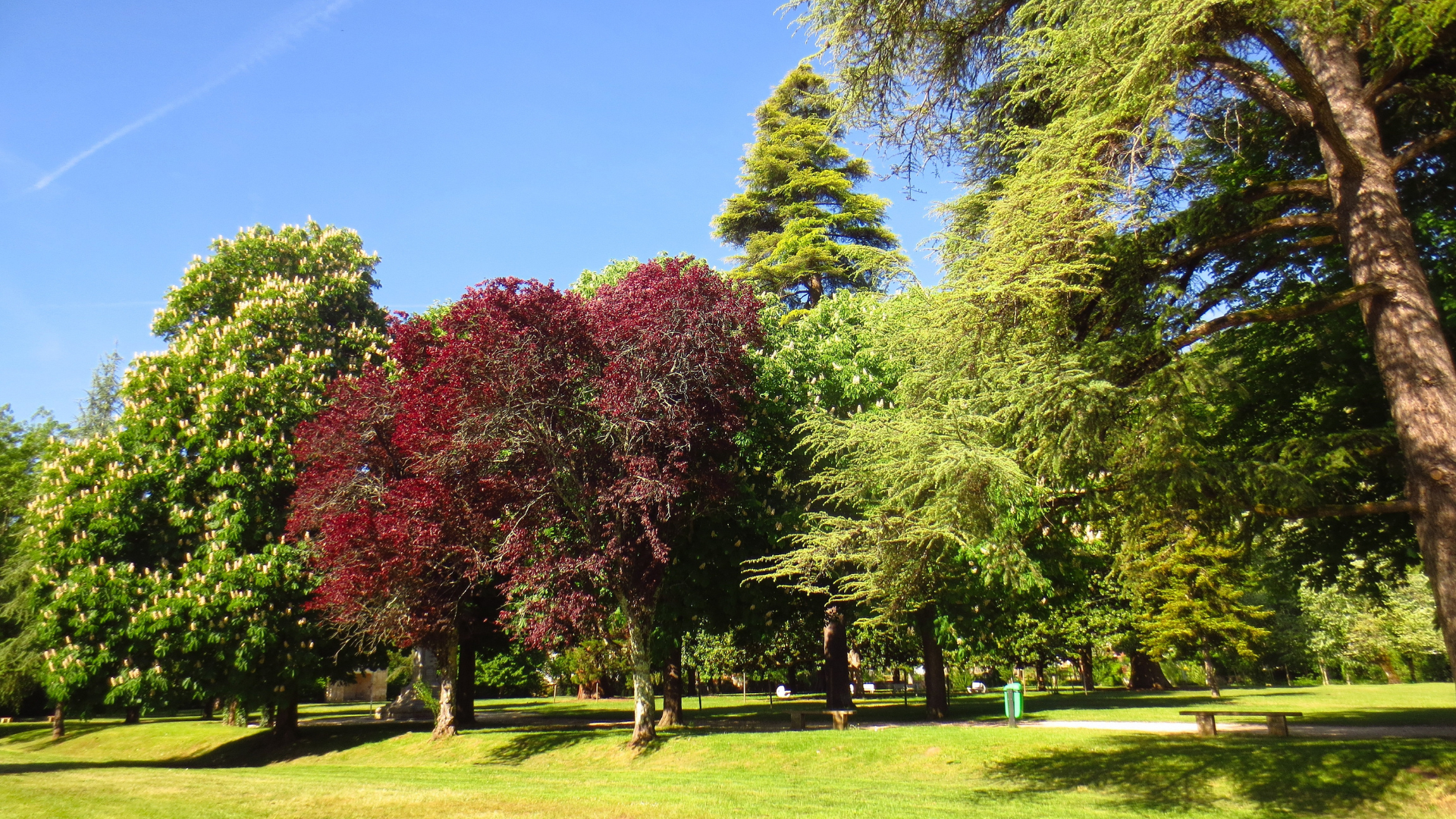
Sunny park with green grass and colorful trees, including one red-leaved tree, under a blue sky

A Strong Foundation Supports Long-Term Stability

Tree stability begins below ground. While above-ground appearance is important, the condition of the soil ultimately determines how well a tree can withstand external forces.


By understanding and addressing soil-related factors, property owners can take a more proactive approach to tree care.


Midwest Tree Surgeons provides expert evaluation and tree care services designed to identify hidden risks and improve overall stability. If you are concerned about the condition of your trees or the soil supporting them, contact Midwest Tree Surgeons to schedule an assessment and protect your property with a more informed approach.
July 14, 2026
Trees are among the longest-living features on any property. A mature oak, maple, or other established tree may take decades to reach its full size, providing shade, beauty, wildlife habitat , and increased property value along the way. Because of the time and environmental benefits they represent, preserving healthy trees whenever possible is often a worthwhile investment.  Professional arborists play an important role in helping trees remain healthy, structurally sound, and capable of thriving for many years. Through regular evaluations and proactive care, they can identify potential problems early and recommend treatments that support long-term tree health.
July 8, 2026
Trees do much more than provide shade and enhance the beauty of a landscape. They are living ecosystems that support a remarkable variety of wildlife throughout every season. From nesting birds in the spring to sheltering mammals during the winter, healthy trees provide food, protection, and habitat for countless species.  For homeowners and property managers , understanding the connection between trees and wildlife offers another reason to invest in professional tree care. Proper maintenance not only helps preserve the health and appearance of trees but also supports the many forms of life that depend on them.
June 30, 2026
Trees add beauty, shade, and value to residential and commercial properties, but like any living organism, they change over time. While many trees remain healthy for decades, others may develop structural weaknesses that increase the likelihood of branch failure or even complete tree failure.  Identifying these concerns is not always straightforward. A tree may appear healthy on the outside while hiding internal defects, or it may display subtle warning signs that only a trained professional can recognize. That is why professional tree risk assessments are an important part of responsible property management. Certified arborists evaluate much more than whether a tree looks healthy. Their goal is to determine how likely a tree is to fail, what the consequences of that failure could be, and whether any corrective action is appropriate.
June 24, 2026
When planning a landscape, homeowners often focus on appearance, growth rate, shade potential, or seasonal color. While these factors certainly matter, another important consideration is whether a tree is native to the region.  Native trees have evolved alongside local soils, weather conditions, wildlife, and ecosystems for thousands of years. As a result, they often play a critical role in maintaining healthy landscapes and supporting the natural environment. Although non-native species can sometimes thrive in residential settings, native trees continue to provide unique benefits that make them valuable additions to properties and communities alike. Understanding why native trees remain important can help property owners make informed decisions about their landscapes.
June 17, 2026
Summer brings plenty of activity to the landscape , but not all of it is beneficial. While homeowners often focus on watering, mowing, and maintaining their outdoor spaces during the warmer months, another seasonal visitor can create significant problems for trees and plants: the Japanese beetle.  Japanese beetles are among the most recognizable insect pests found throughout much of the Midwest. Their metallic green bodies and copper-colored wings make them easy to identify, but the damage they leave behind is often what attracts the most attention. During peak summer months, large populations of these insects can feed on a variety of trees and ornamental plants, affecting both appearance and overall plant health. Understanding how Japanese beetles impact trees can help homeowners recognize potential problems and determine when professional assistance may be beneficial.
June 9, 2026
Most homeowners enjoy seeing woodpeckers in their yard. These distinctive birds are a familiar part of many Midwestern landscapes and often attract attention with their unique appearance and unmistakable tapping sounds. While occasional woodpecker activity is perfectly normal, repeated pecking on a particular tree can sometimes indicate that something else is happening beneath the bark.  In many cases, woodpeckers are not interested in the tree itself. They are searching for food. When a tree begins attracting significant woodpecker activity, it may be worth taking a closer look at the tree’s overall health.
June 3, 2026
Summer is a busy season for trees. While homeowners often focus on growth, shade, and landscaping during the warmer months, it is also the time of year when many insect populations become more active. Among the most common tree pests are sap-feeding insects, which can quietly affect tree health without attracting immediate attention.  Many homeowners notice symptoms such as sticky leaves, discolored foliage, or unusual insect activity without realizing that sap-feeding pests may be the cause. Understanding these insects and recognizing early warning signs can help property owners address problems before they become more serious. Midwest Tree Surgeons regularly helps homeowners evaluate tree health concerns, including damage caused by insects and environmental stress. Early identification remains one of the most effective ways to protect valuable landscape trees.
May 26, 2026
Summer is often associated with healthy green landscapes and active plant growth, but extended heat and dry conditions can place significant stress on trees. While mature trees may appear stable and resilient from the outside, prolonged summer heat can quietly affect their internal health, moisture balance, and long-term structural stability.  At Midwest Tree Surgeons, we help homeowners understand how environmental stress affects trees throughout the growing season and why summer inspections can be an important part of long-term tree care.
May 19, 2026
When people think about drought conditions, they usually picture dry grass, dusty soil, and immediate signs of heat stress. Trees, however, often respond differently. Unlike lawns or smaller plants, mature trees may continue looking relatively healthy during periods of dry weather, even while internal stress is developing beneath the surface.  One of the most challenging aspects of drought-related tree damage is that symptoms are frequently delayed. In many cases, trees begin showing visible decline months after the drought itself has passed. At Midwest Tree Surgeons, we regularly help homeowners identify delayed drought stress before it progresses into larger structural or health problems.
May 13, 2026
Trees are built to withstand changing seasons, but repeated environmental stress can gradually affect their health and stability. One of the most significant seasonal stressors in many regions is the freeze-thaw cycle. While it may seem like a normal part of winter weather, this constant fluctuation between freezing and thawing can place long-term strain on trees in ways that are not always immediately visible.  Understanding how freeze-thaw cycles affect trees helps explain why early summer is an ideal time for a professional tree inspection.
More Posts