How Fall Weather Affects Tree Health in the Midwest

October 7, 2025

Preparing Your Trees for the Season Ahead

Fall is one of the most beautiful times of year in the Midwest. Trees turn vibrant shades of red, gold, and orange, transforming neighborhoods into stunning displays of color. Yet, while autumn appears to be a time of rest for trees, it is also a period of significant transition. The cooler temperatures, shorter days, and changes in moisture all influence tree health in important ways. At Midwest Tree Surgeons, we help property owners understand how these seasonal shifts affect their trees and what care steps can ensure their health through winter and into spring.
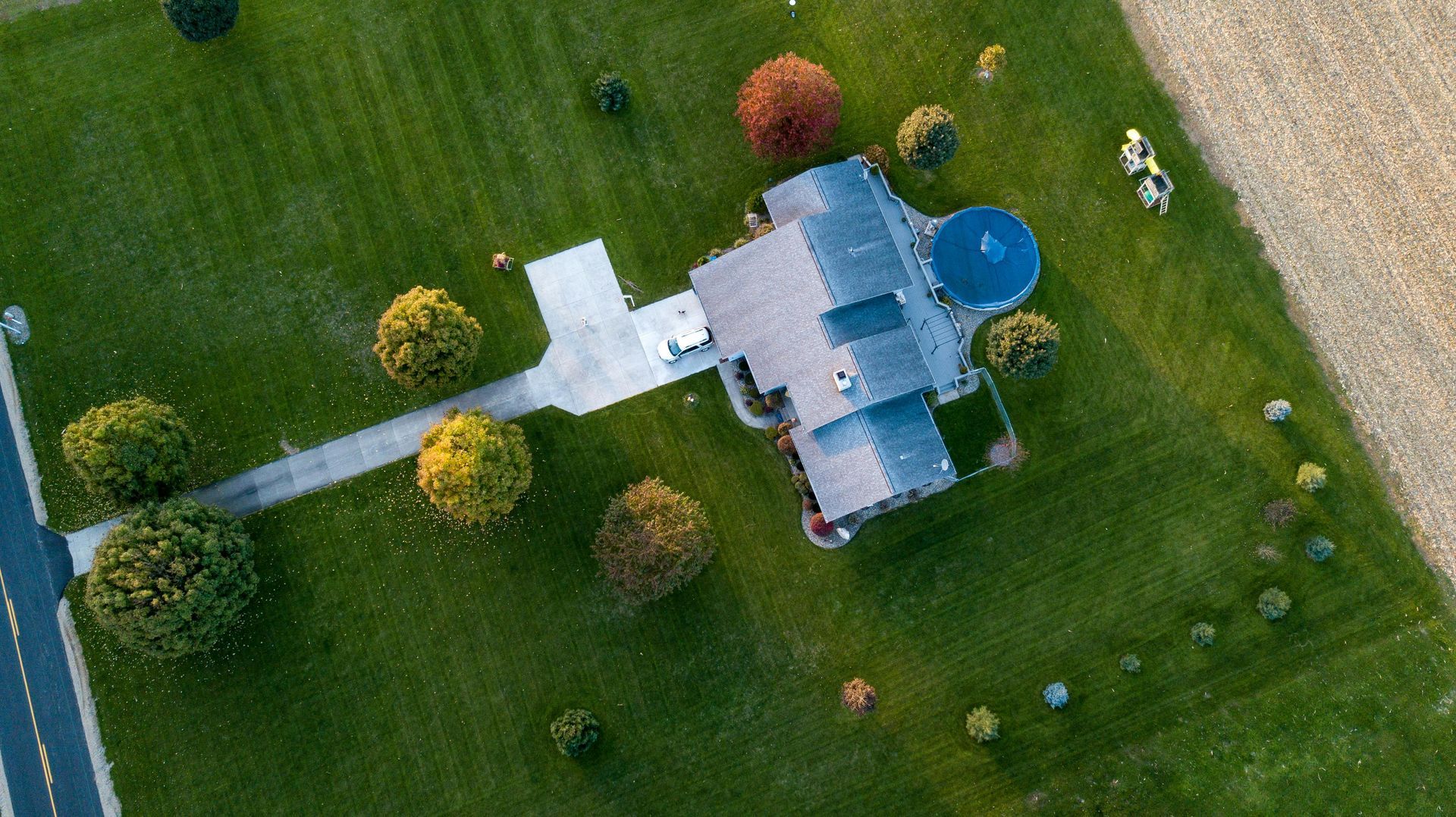
Aerial view of house with pool surrounded by lawn and trees next to a road and field.

Preparing for Dormancy

As daylight hours decrease and temperatures cool, trees begin to enter a state known as dormancy. This is the tree’s natural way of conserving energy during the cold months ahead. During this transition, trees slow their growth and redirect nutrients from their leaves to their roots. The bright colors of fall foliage occur because chlorophyll production slows, revealing the pigments already present in the leaves.


While dormancy is a natural and necessary process, it is also a vulnerable time. If trees do not receive adequate water before the soil freezes, they may struggle to remain hydrated during winter. This can lead to damage such as branch dieback or weakened root systems. For this reason, fall watering is one of the most important maintenance tasks property owners can perform.
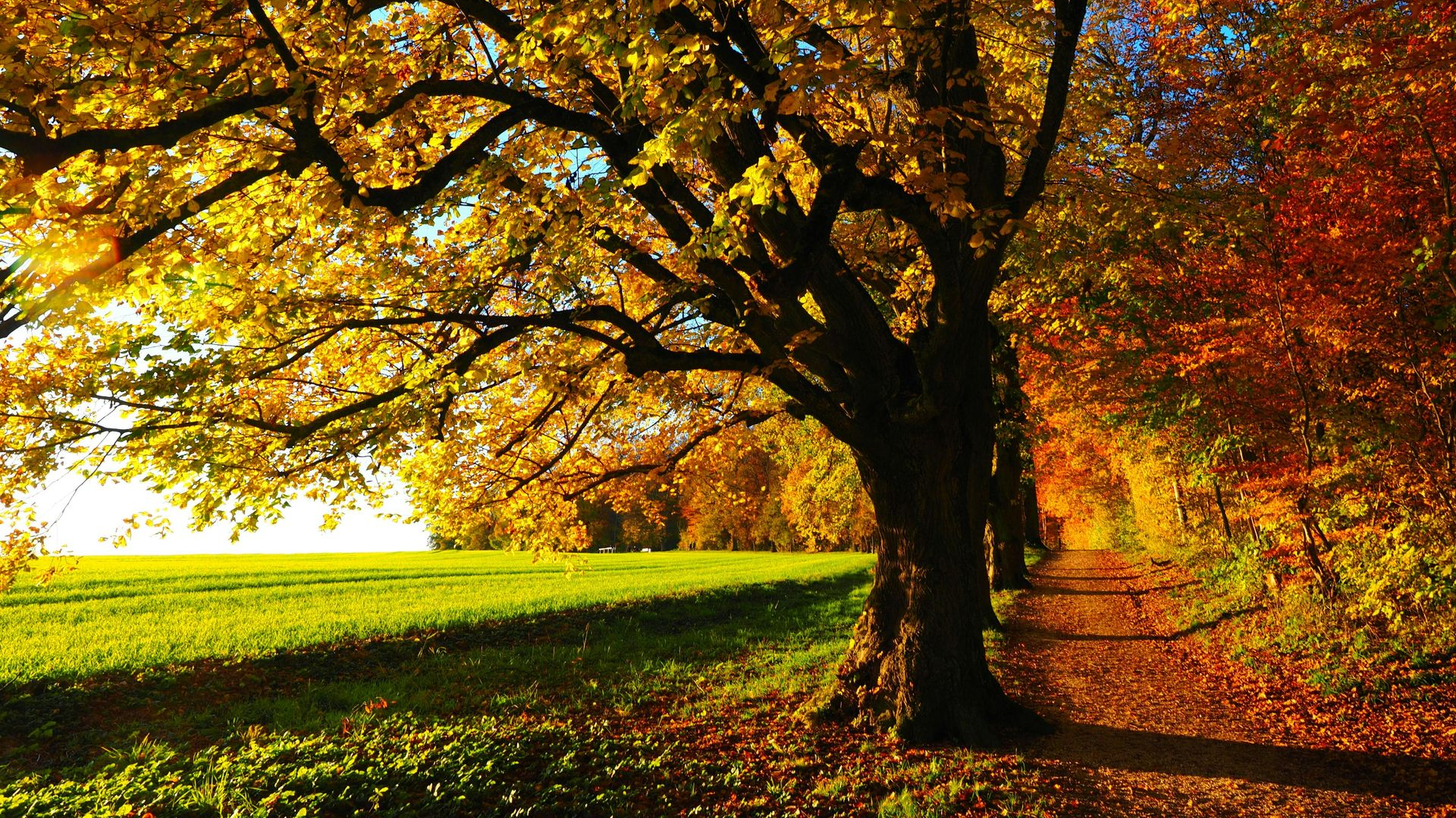
Tree with vibrant yellow leaves casts a shadow on a green lawn and a pathway lined with autumn foliage.

The Importance of Fall Moisture

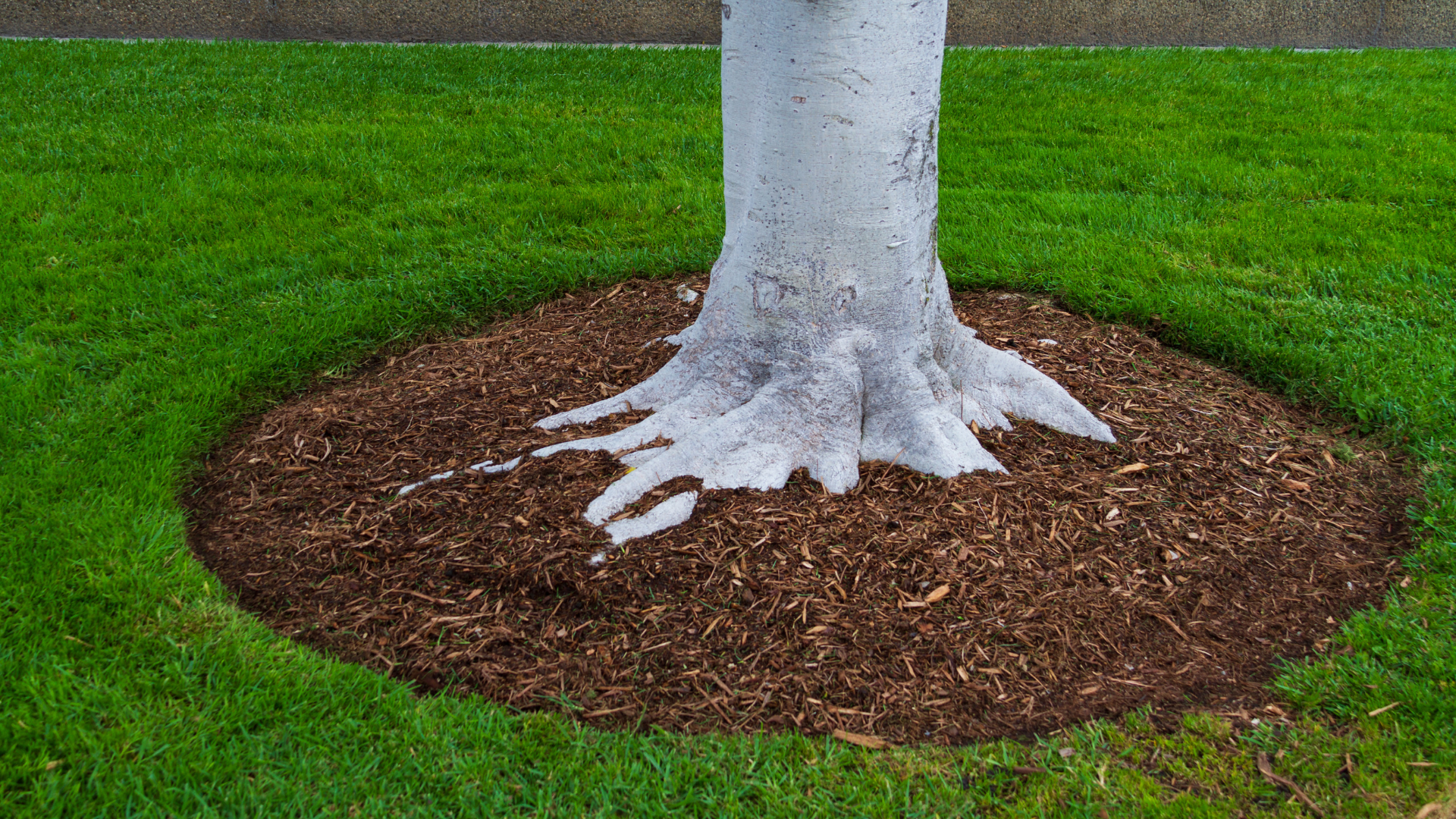
Moisture levels in the soil play a major role in how well trees handle the cold. Autumn in the Midwest can bring periods of heavy rain followed by dry spells. Extended dryness before winter can stress trees and reduce their ability to resist pests or disease. Mature trees should be deeply watered before the ground freezes to ensure that moisture reaches the entire root system. Mulching around the base of trees also helps retain soil moisture and moderate temperature fluctuations.


Nutrient Storage and Soil Health

Fall is the time when trees store the energy they will use for spring growth. Healthy soil provides the essential nutrients they need to strengthen roots and prepare for dormancy. Compacted soil, poor drainage, or a lack of organic material can prevent roots from absorbing water and nutrients effectively. Adding organic mulch or compost in the fall improves soil structure and provides a slow release of nutrients over the winter months.


At Midwest Tree Surgeons, we often perform soil evaluations and root zone treatments during the fall season. These proactive steps ensure that trees enter winter strong and capable of recovering quickly in the spring.
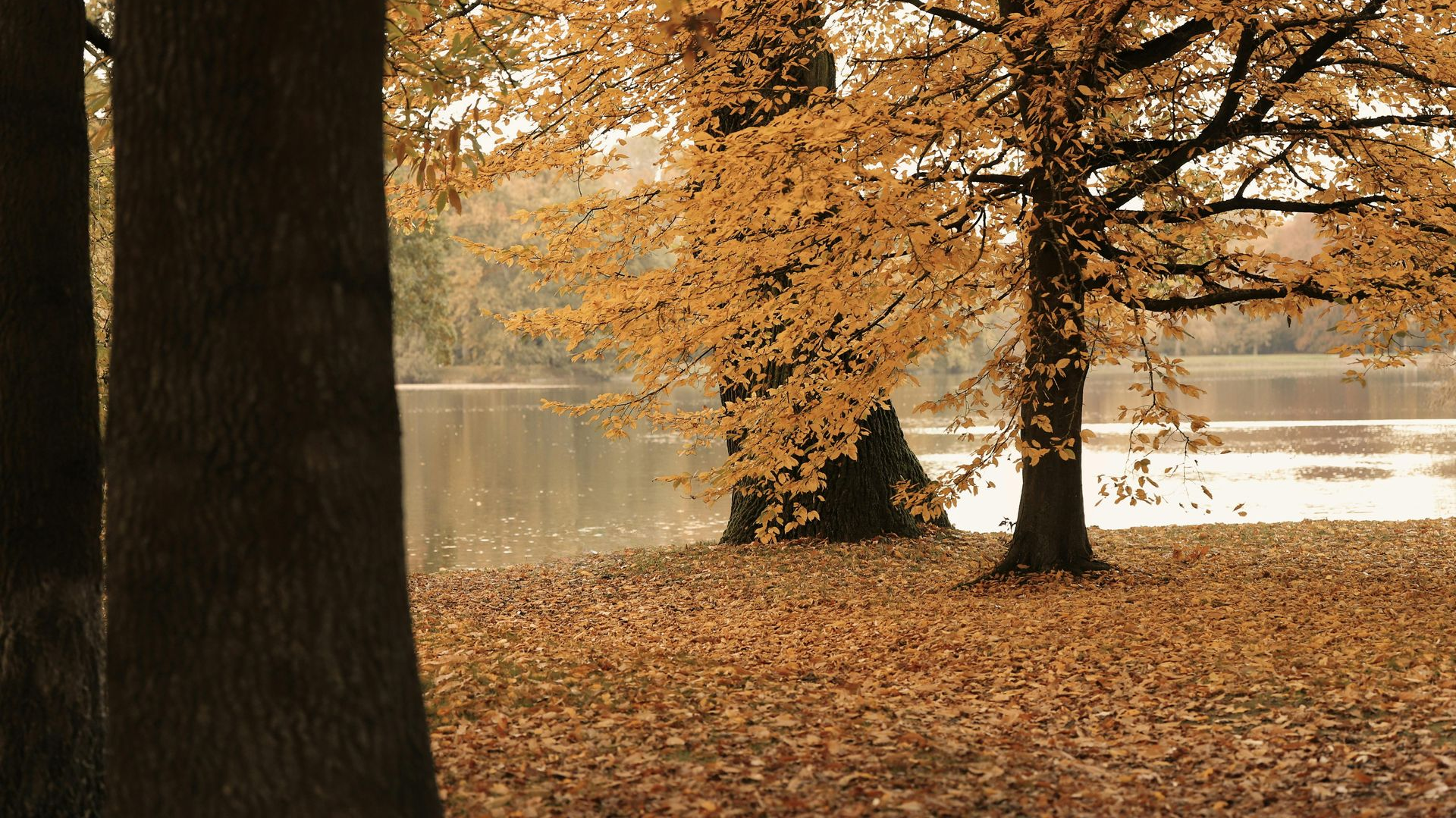
Trees with golden autumn leaves by a lake, brown leaves on the ground.

The Impact of Temperature Fluctuations

Midwestern weather can be unpredictable in the fall, with warm days followed by sudden drops in temperature. These rapid changes can cause stress in tree bark and lead to splitting, a condition known as frost crack. Young trees and those with thin bark are especially vulnerable. Wrapping the trunks of young or newly planted trees with breathable tree wrap provides protection against extreme temperature changes.


Fall Pruning and Maintenance

Pruning is another important aspect of fall tree care. Removing dead, diseased, or damaged branches prevents decay from spreading and reduces the risk of breakage during winter storms. Because most trees are entering dormancy, pruning in late fall minimizes sap loss and encourages healthy regrowth in the spring.


Additionally, removing fallen leaves from around the base of trees helps reduce the presence of fungal spores and overwintering pests. A clean base area supports both tree health and property appearance.
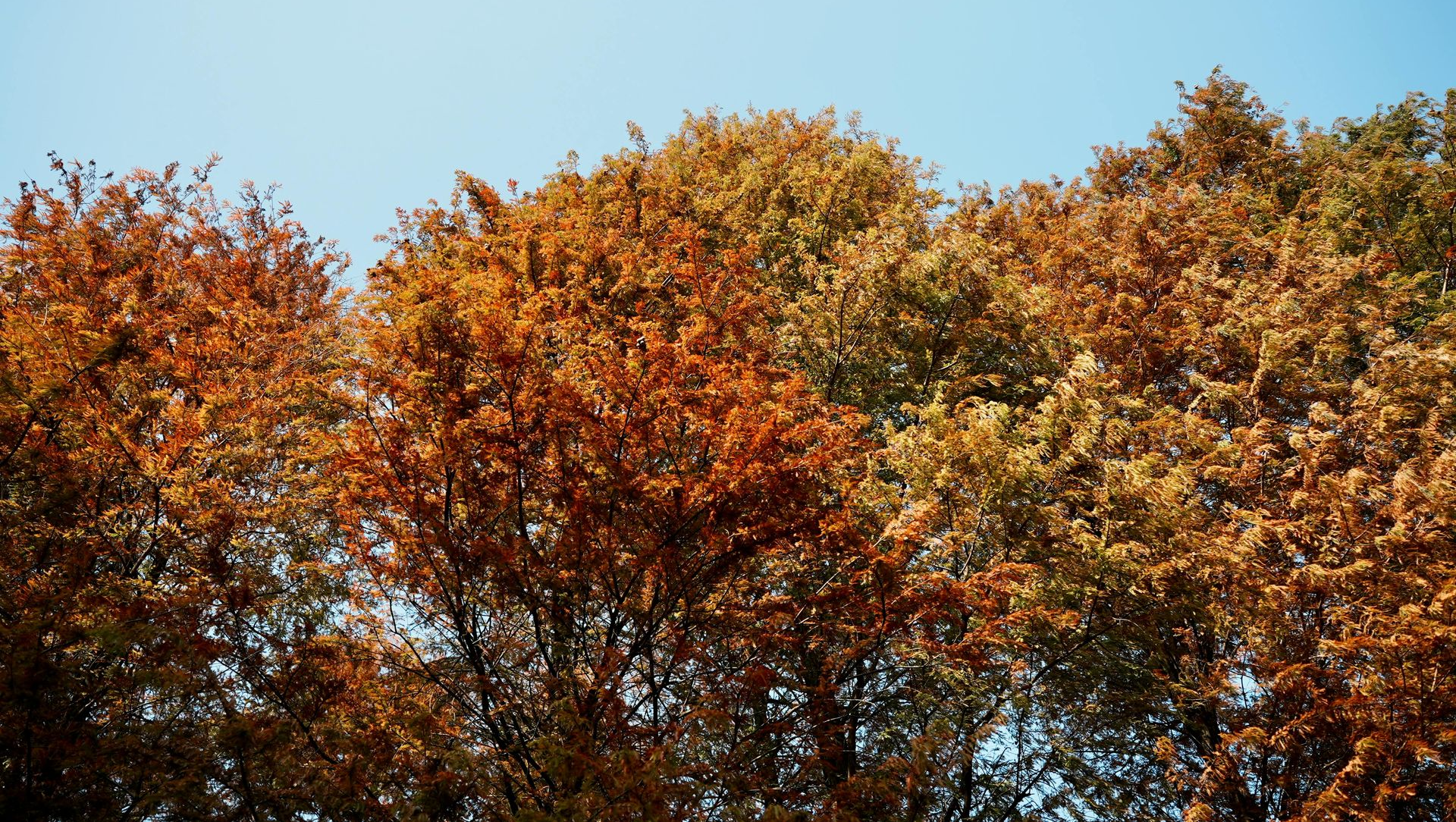
Autumn trees with vibrant orange, brown, and yellow leaves against a clear blue sky.

Final Thoughts

Fall is far more than a season of beautiful foliage. It is a critical time for maintaining the long-term health of your trees. From ensuring proper moisture levels to pruning and soil care, each step taken during autumn contributes to stronger, healthier growth when spring returns.


At Midwest Tree Surgeons, we specialize in preparing trees for the challenges of Midwestern weather. Our team provides expert assessments, soil treatments, and pruning services to help your trees thrive through every season. With the right care in the fall, your landscape will continue to grow strong, resilient, and beautiful year after year.
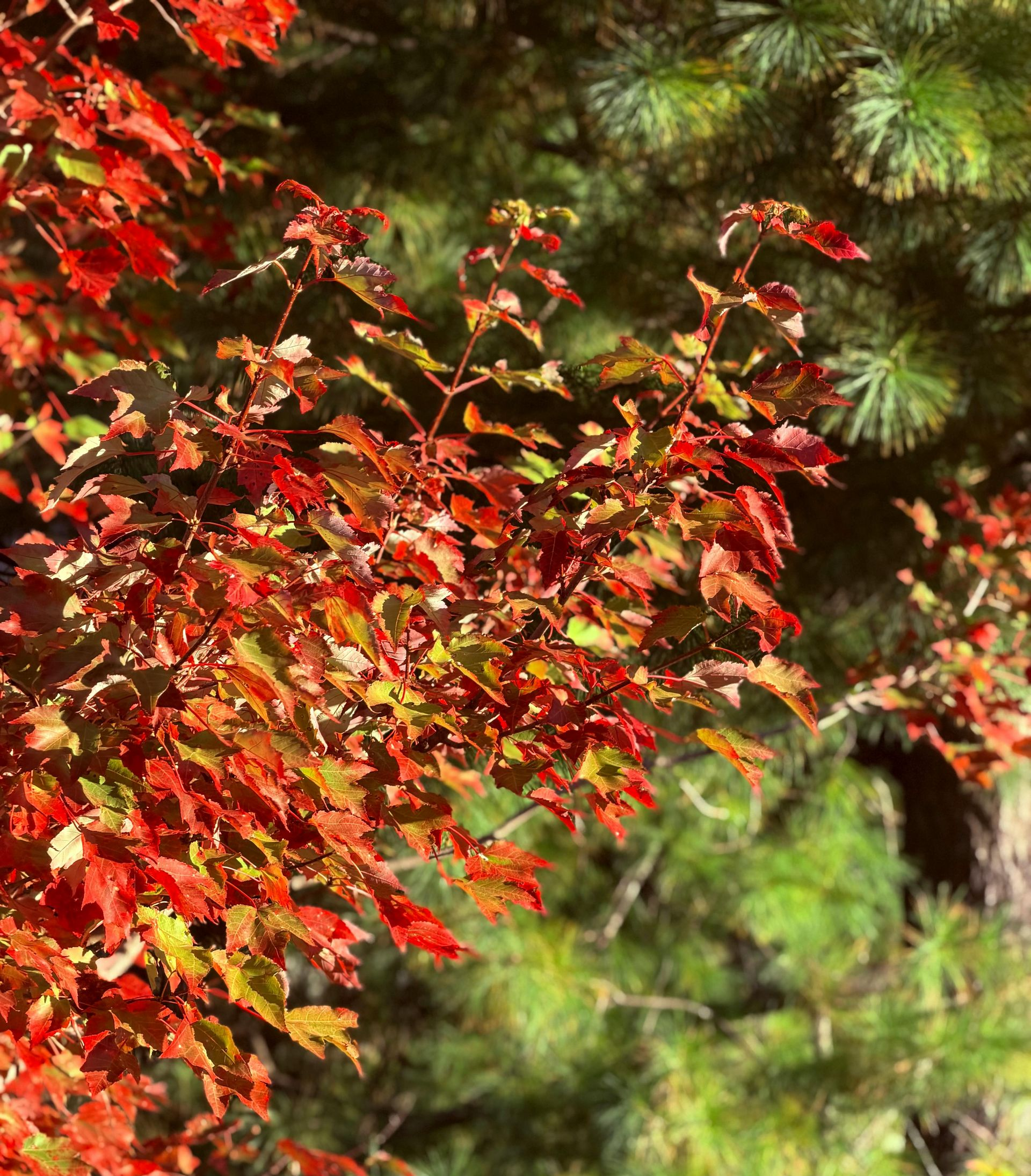
Red and orange leaves against a backdrop of green pine needles, suggesting autumn foliage.
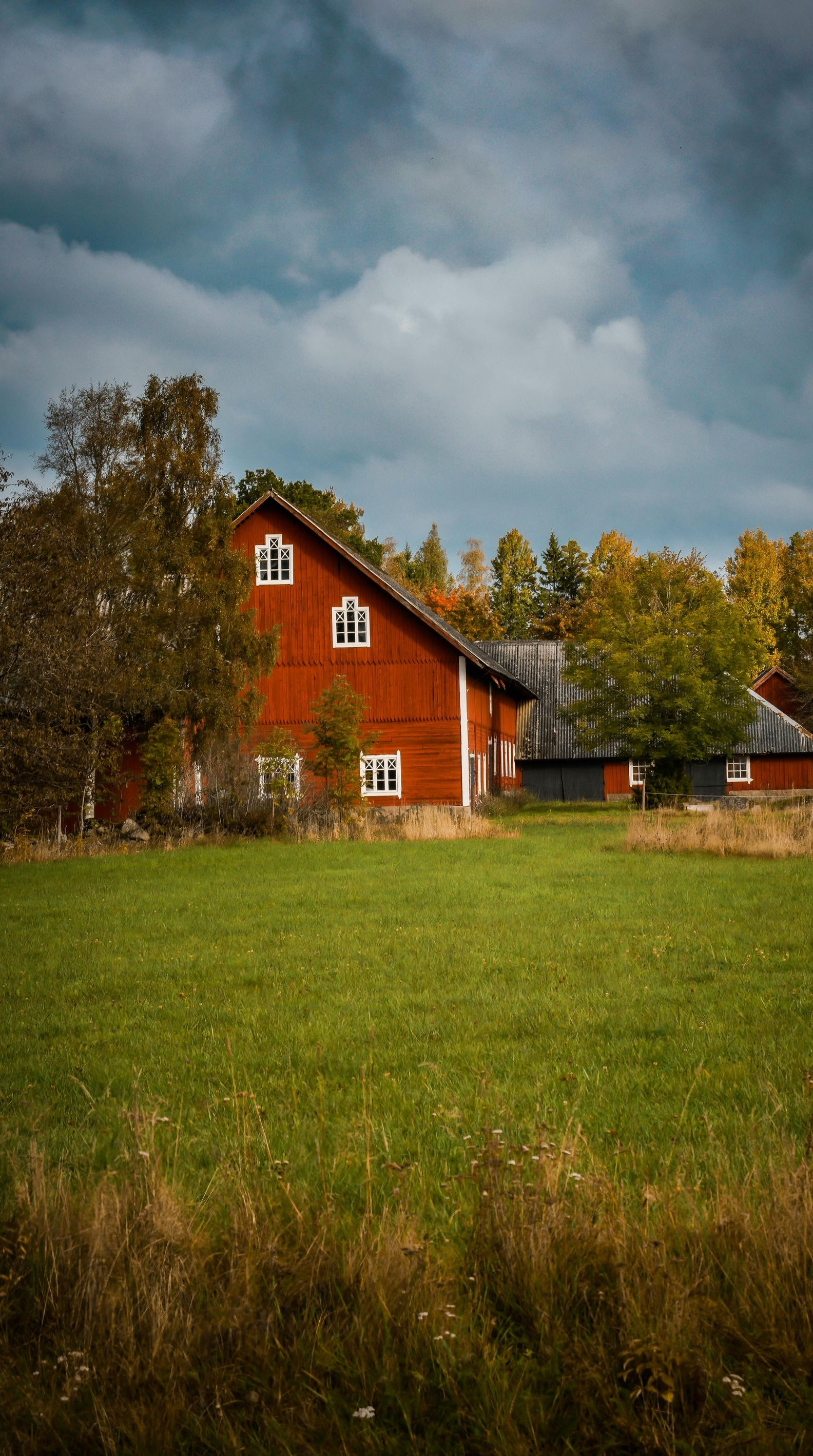
Red barn in a green field under a cloudy sky with trees, possibly autumn.
Tree trunk in the foreground, sunny grass in the background with fallen leaves.
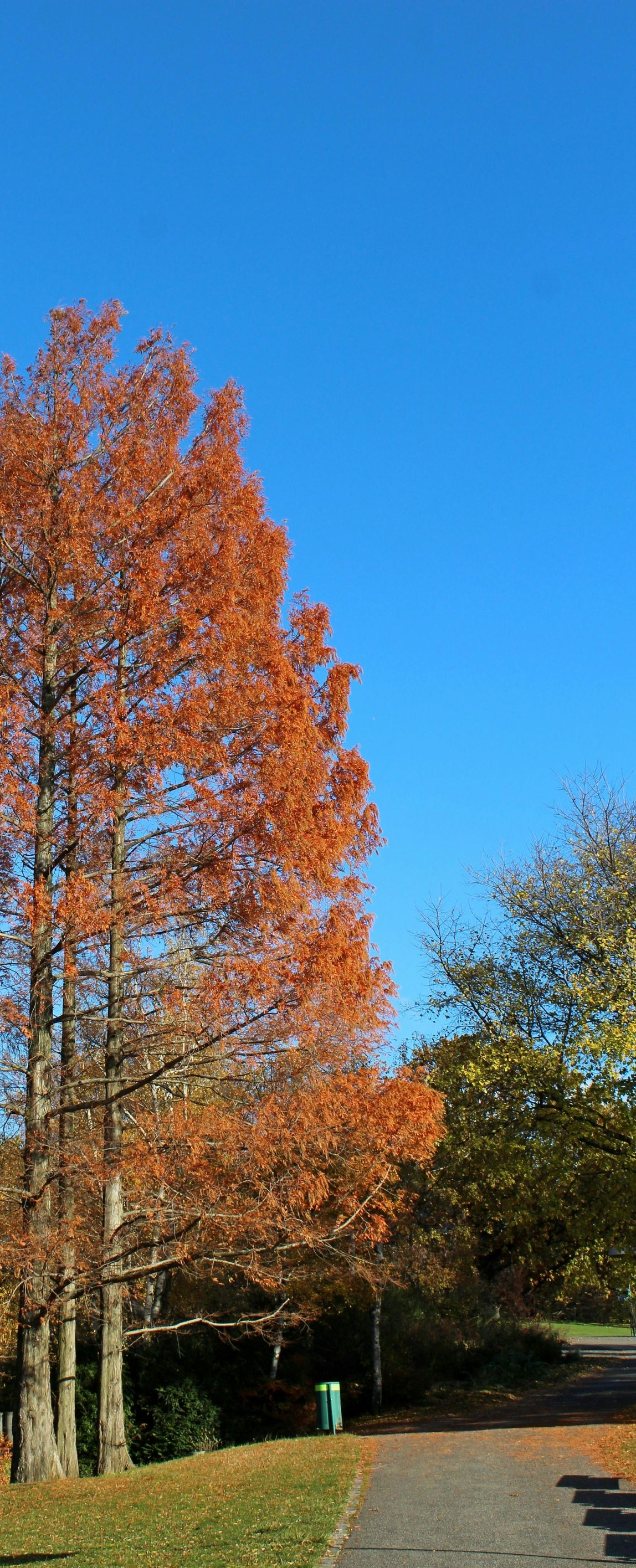
Tall trees with orange fall foliage against a bright blue sky.
Cottage with a stone facade surrounded by fallen leaves under trees in autumn.
February 4, 2026
Construction projects often focus on what is being built, but the impact on existing trees is frequently overlooked. Whether the work involves a home addition, driveway replacement, utility installation, or commercial development, construction activity can place significant stress on mature trees . Understanding how these projects affect trees helps property owners protect valuable landscape assets and avoid long term safety and health issues.
January 29, 2026
Major weather changes can place significant stress on trees, even when no obvious damage is visible. In the Midwest, trees regularly experience rapid shifts in temperature, heavy rain, high winds, ice, snow, and freeze-thaw cycles. While trees are resilient by nature, these conditions can weaken their structure and health over time.  Evaluating tree health after major weather events is an important step in protecting both the trees themselves and the surrounding property.
January 21, 2026
Trees add beauty, shade, and value to a property, but they also carry responsibility. When a tree fails and causes damage or injury, homeowners are often surprised to learn that liability can become a serious issue. Understanding how tree failure occurs and how responsibility is determined helps property owners take proactive steps to protect both people and property.
January 15, 2026
As winter fades and warmer temperatures return, spring becomes one of the most important seasons for proactive tree care. Trees begin a new growth cycle , pests become active, and issues that developed during winter storms or freezing conditions often start to reveal themselves. Planning ahead for spring tree care helps protect tree health, improve safety, and set the stage for strong growth throughout the year.
January 7, 2026
Deadwood accumulation is one of the most common and overlooked safety concerns in mature trees. While a tree may appear healthy at a glance, dead branches within the canopy can present serious risks to people and property below. At Midwest Tree Surgeons, we frequently encounter situations where deadwood has gone unnoticed until it causes damage or creates a dangerous condition. Understanding how deadwood develops and why it poses increasing hazards over time is essential for responsible property ownership.
December 30, 2025
The start of a new year is a natural time to think about safety, preparedness, and long term planning for your property. Many homeowners focus on interior projects or general maintenance goals, but one of the most important aspects of property safety is often overlooked. Tree care plays a critical role in protecting homes, vehicles, and the people who live there. At Midwest Tree Surgeons, we encourage property owners to make tree care part of their New Year planning.
December 26, 2025
The Christmas season is often associated with reflection, preparation, and planning for the year ahead. While many homeowners focus on indoor projects or holiday travel, winter is also an important time to think about the health and safety of trees on the property. At Midwest Tree Surgeons, we frequently see that proactive winter planning helps homeowners enter the new year with greater peace of mind and fewer unexpected tree related concerns.
December 16, 2025
In the Midwest, trees are exposed to some of the most challenging seasonal conditions in the country. One of the most significant stressors is the repeated freeze and thaw cycle that occurs from late fall through early spring. While trees are naturally adapted to cold weather, fluctuating temperatures can place considerable strain on their structure, root systems, and overall health. At Midwest Tree Surgeons, we regularly assess trees that have been impacted by these seasonal shifts and help property owners understand how freeze and thaw patterns affect long term tree stability.
December 9, 2025
Drought conditions place significant strain on trees, even in landscapes that typically receive adequate rainfall. When moisture becomes scarce, trees begin to redirect their energy toward survival rather than growth. This shift may create visible and invisible stress signals that, if ignored, can lead to long term decline or structural weakness. At Midwest Tree Surgeons, we help homeowners understand how drought affects tree health and what proactive steps can protect valued landscape trees before the damage becomes severe.
December 3, 2025
Trees provide shade, beauty, privacy, and environmental benefits, but they also require proper care to remain healthy and structurally safe. Many homeowners do not realize how complex tree care can be or how significantly improper techniques can affect long term tree health. When individuals attempt to handle tree work on their own or hire someone without professional training, the risk of property damage, personal injury, and irreversible harm to the tree increases considerably. Hiring certified tree professionals ensures that every aspect of tree care is handled with precision, safety, and long term health in mind.
More Posts