The Connection Between Tree Health and Pest Prevention

September 30, 2025

Healthy trees are valuable assets to any property, offering shade, beauty, and environmental benefits. However, when trees become weakened by disease, damage, or poor maintenance, they can quickly attract pests. These infestations not only harm the tree itself but can also spread to surrounding vegetation, threatening the overall landscape. At Midwest Tree Surgeons, we emphasize the importance of regular care to keep trees healthy and resilient against pests that are common in the Midwest.
Why Tree Health Matters for Pest Resistance

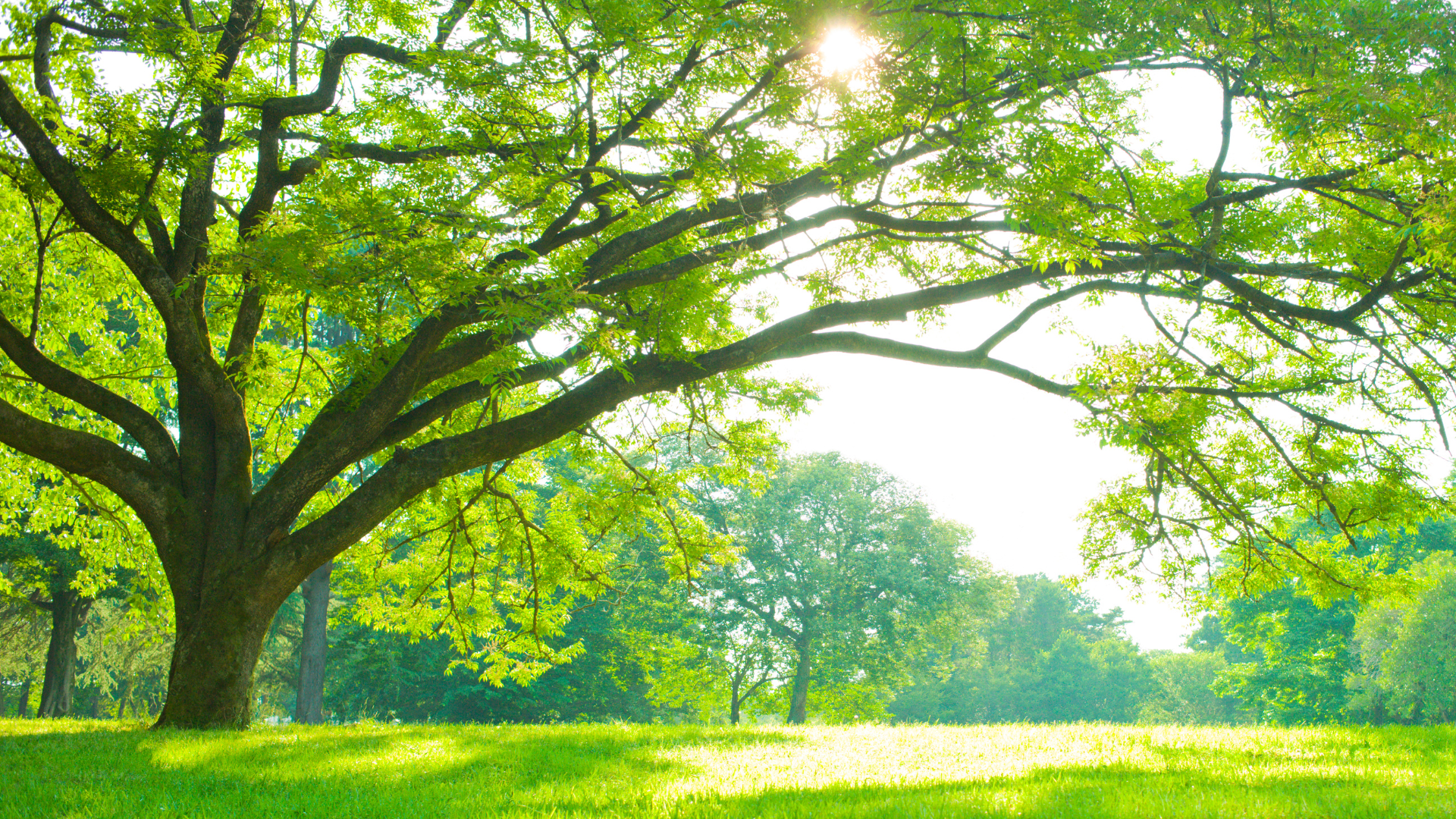
Strong, vigorous trees have natural defenses against insects. They produce protective chemicals, grow thick bark, and generate new growth that can resist minor infestations. When trees are stressed due to drought, soil compaction, or disease, their defenses weaken, making them more susceptible to insects that feed on bark, leaves, or roots. Keeping trees healthy through proper pruning, watering, and soil management is the first line of defense against pests.
Common Pests in the Midwest

Several pests are especially prevalent in this region, and understanding their behavior helps explain why tree health is so critical:

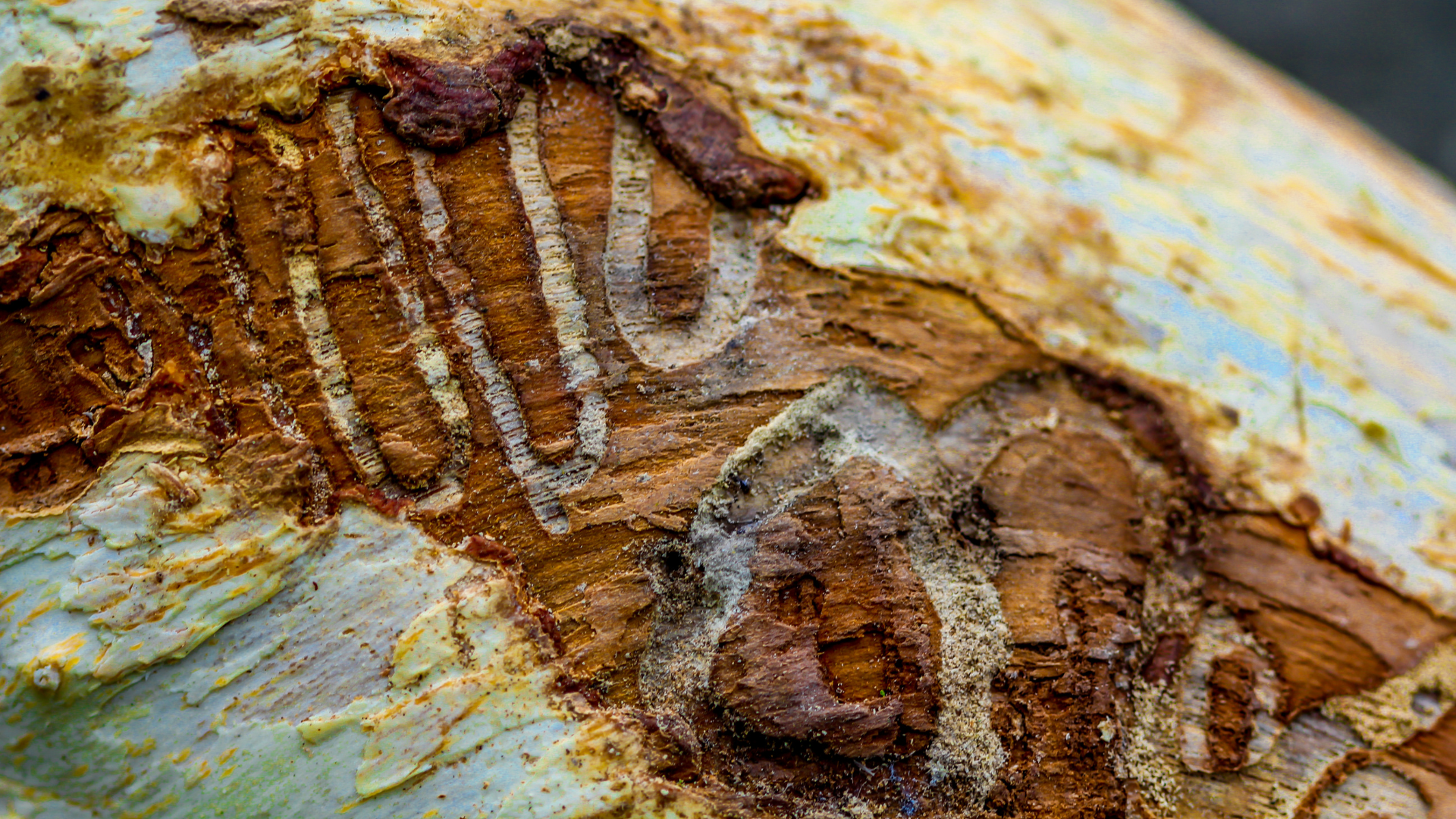
  • Emerald Ash Borer (EAB): This invasive insect has devastated ash populations across the Midwest. It targets weakened trees, burrowing into bark and disrupting nutrient flow. Healthy ash trees maintained with preventive treatments are better able to withstand early infestations.

  • Gypsy Moth Caterpillars: These caterpillars feed on a wide variety of tree leaves, including oak, birch, and willow. Repeated defoliation weakens trees, leaving them vulnerable to secondary pests and diseases.

  • Japanese Beetles: Known for feeding on leaves of linden, elm, and fruit trees, these beetles cause skeletonization of foliage. Healthy trees with strong root systems recover more easily from temporary leaf loss.

  • Aphids: Small but destructive, aphids cluster on new growth, sucking out sap and excreting honeydew that attracts mold. While aphids are common, they tend to thrive on trees already under stress.


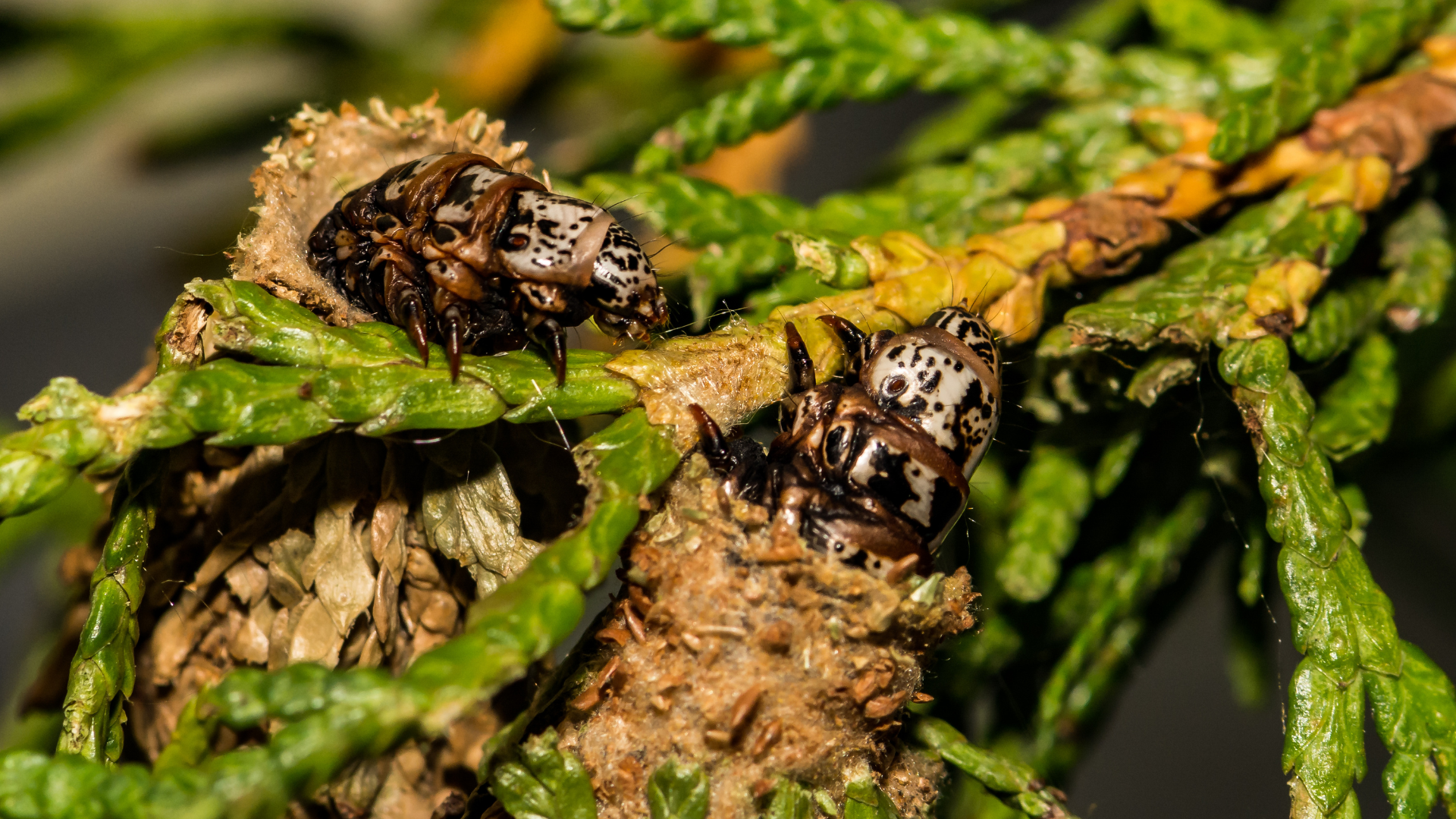
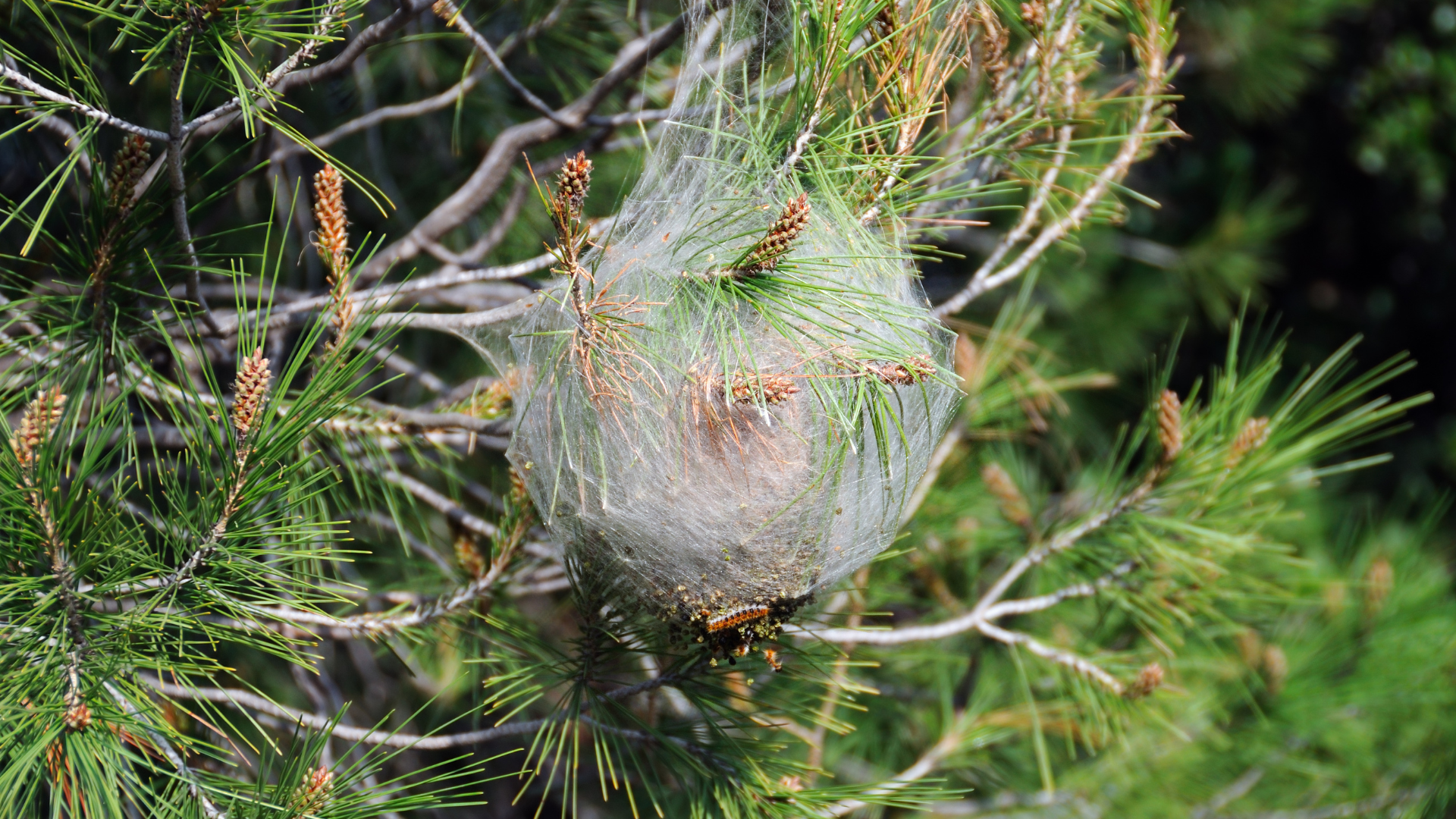
  • Bagworms: These pests affect conifers and shade trees, building protective cases and stripping foliage. Severe infestations can kill weakened trees, while healthier trees can tolerate limited feeding.
Preventing Pest Problems Through Proper Care

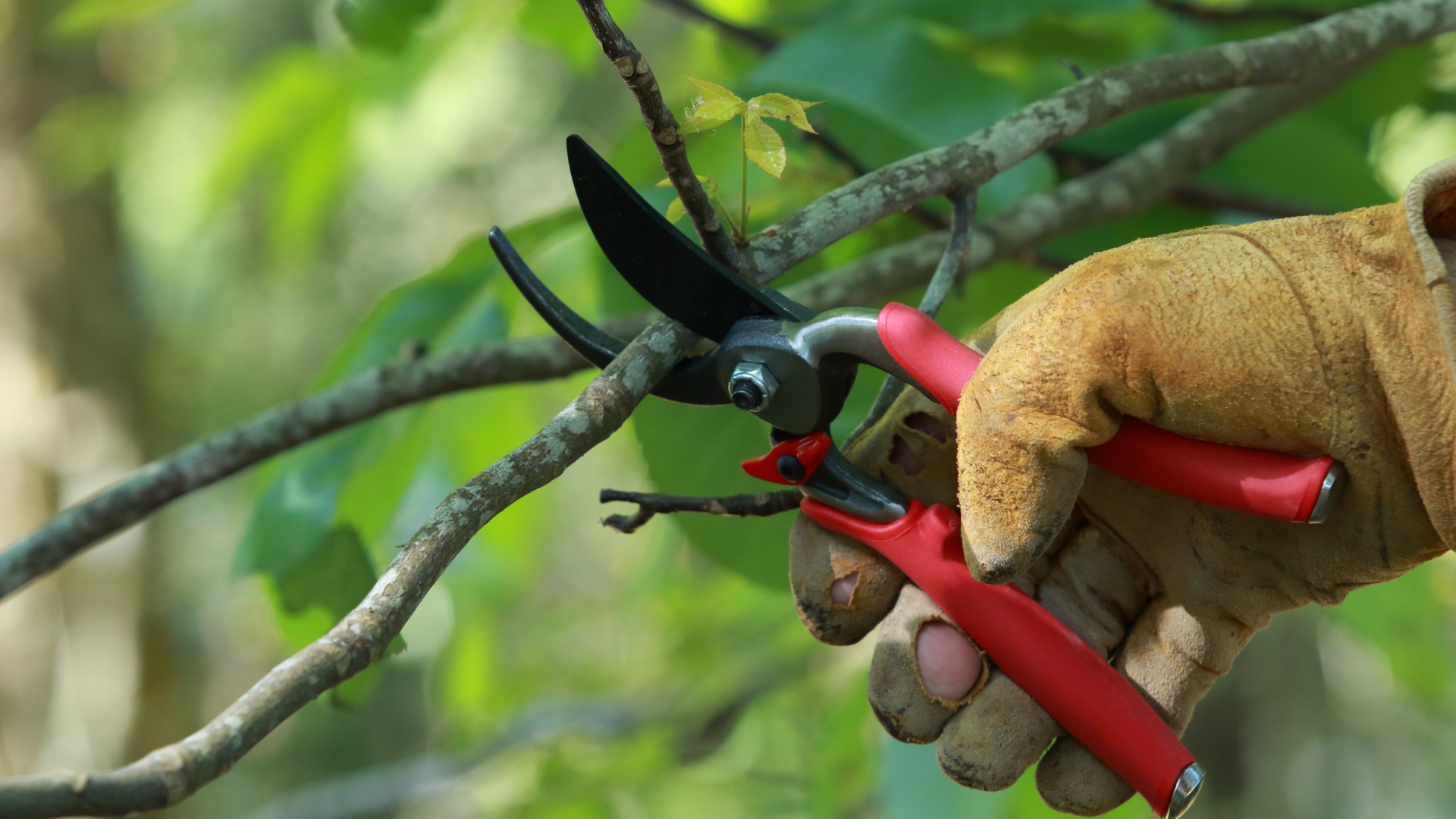
Pest prevention begins with consistent maintenance. Regular pruning removes dead or diseased branches where insects are likely to establish themselves. Proper mulching conserves soil moisture, while correct watering practices prevent drought stress. Fertilization, when necessary, provides trees with the nutrients required to support strong growth and natural resistance.


Inspections are equally important. Professional arborists can identify early signs of infestation, such as bore holes, leaf discoloration, or unusual sap flow. Addressing problems early prevents them from spreading and protects surrounding trees.
The Role of Professional Treatments

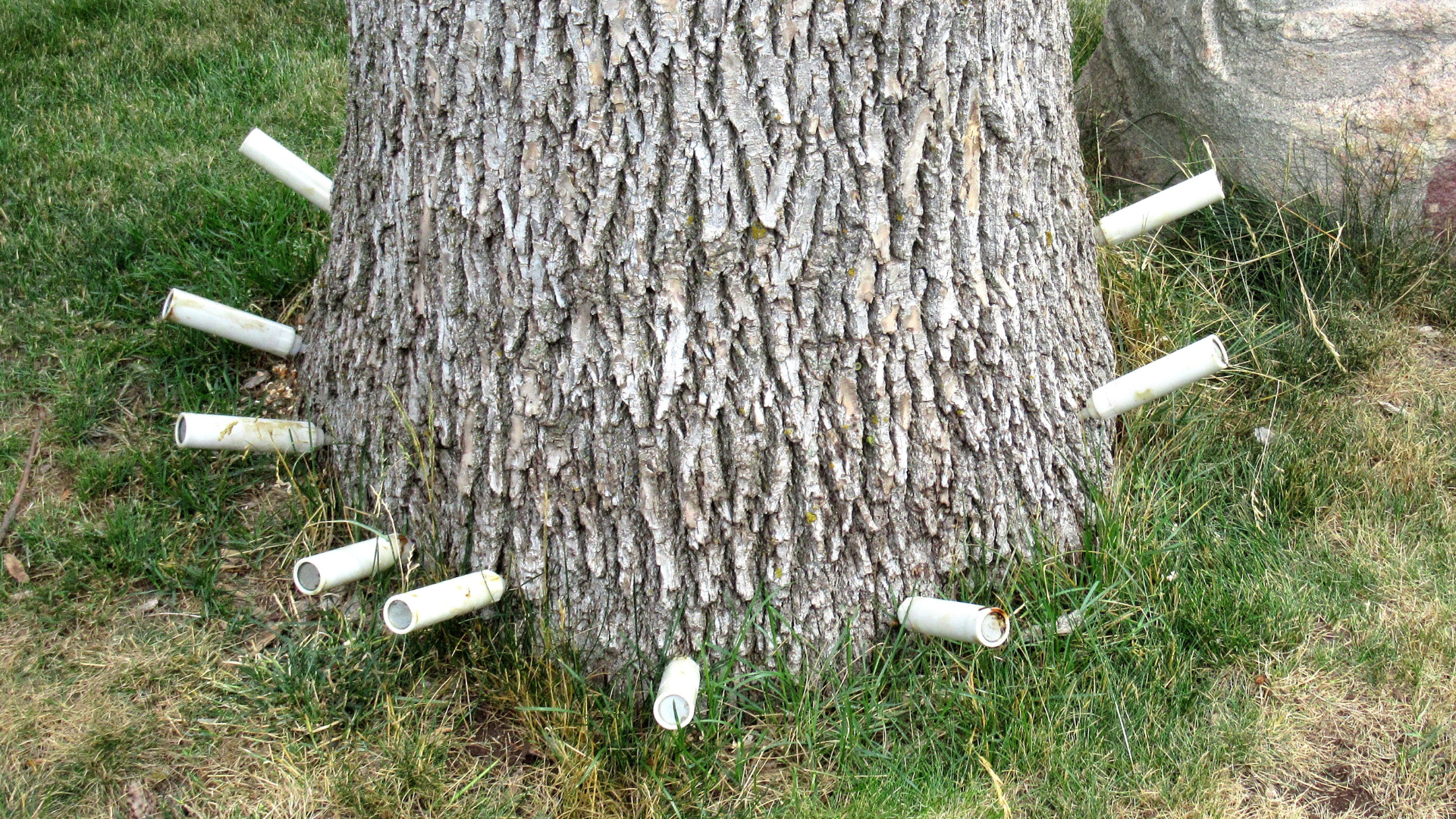
In some cases, professional treatments are necessary to prevent pests from overwhelming otherwise healthy trees. For example, systemic insecticides can protect ash trees from emerald ash borers when applied proactively. Biological controls may help reduce populations of gypsy moths or bagworms. At Midwest Tree Surgeons, we only recommend treatments when they are necessary, focusing first on natural defenses and environmental balance.
Protecting the Entire Landscape

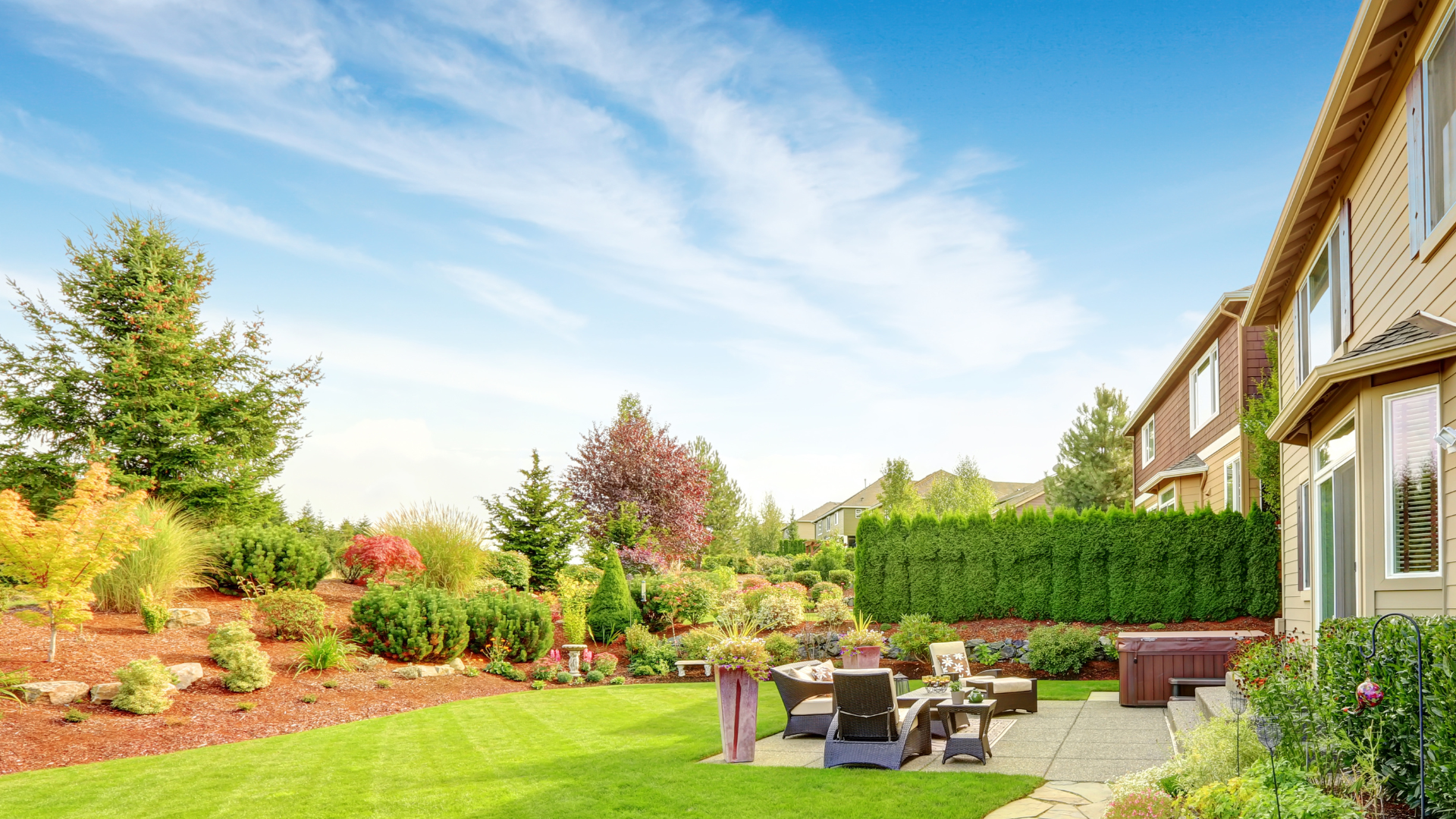
Tree health does not exist in isolation. Pests often move from one weakened tree to others in the area. By maintaining each tree in good condition, property owners reduce the risk of infestations spreading throughout their landscape. This approach protects not only the appearance of the property but also its overall safety and long-term value.
Final Thoughts

Pests are a natural part of the environment, but they become a serious threat when trees are weakened by stress or disease. By focusing on tree health, property owners create conditions where pests are less likely to thrive. Proper maintenance, regular inspections, and timely professional care are the most effective strategies for protecting trees from common Midwestern pests such as emerald ash borers, gypsy moths, and Japanese beetles.


At Midwest Tree Surgeons, we provide expert care to ensure that your trees remain strong, resilient, and pest-resistant. With the right approach, healthy trees not only withstand infestations but continue to provide beauty and benefits for many years.
February 4, 2026
Construction projects often focus on what is being built, but the impact on existing trees is frequently overlooked. Whether the work involves a home addition, driveway replacement, utility installation, or commercial development, construction activity can place significant stress on mature trees . Understanding how these projects affect trees helps property owners protect valuable landscape assets and avoid long term safety and health issues.
January 29, 2026
Major weather changes can place significant stress on trees, even when no obvious damage is visible. In the Midwest, trees regularly experience rapid shifts in temperature, heavy rain, high winds, ice, snow, and freeze-thaw cycles. While trees are resilient by nature, these conditions can weaken their structure and health over time.  Evaluating tree health after major weather events is an important step in protecting both the trees themselves and the surrounding property.
January 21, 2026
Trees add beauty, shade, and value to a property, but they also carry responsibility. When a tree fails and causes damage or injury, homeowners are often surprised to learn that liability can become a serious issue. Understanding how tree failure occurs and how responsibility is determined helps property owners take proactive steps to protect both people and property.
January 15, 2026
As winter fades and warmer temperatures return, spring becomes one of the most important seasons for proactive tree care. Trees begin a new growth cycle , pests become active, and issues that developed during winter storms or freezing conditions often start to reveal themselves. Planning ahead for spring tree care helps protect tree health, improve safety, and set the stage for strong growth throughout the year.
January 7, 2026
Deadwood accumulation is one of the most common and overlooked safety concerns in mature trees. While a tree may appear healthy at a glance, dead branches within the canopy can present serious risks to people and property below. At Midwest Tree Surgeons, we frequently encounter situations where deadwood has gone unnoticed until it causes damage or creates a dangerous condition. Understanding how deadwood develops and why it poses increasing hazards over time is essential for responsible property ownership.
December 30, 2025
The start of a new year is a natural time to think about safety, preparedness, and long term planning for your property. Many homeowners focus on interior projects or general maintenance goals, but one of the most important aspects of property safety is often overlooked. Tree care plays a critical role in protecting homes, vehicles, and the people who live there. At Midwest Tree Surgeons, we encourage property owners to make tree care part of their New Year planning.
December 26, 2025
The Christmas season is often associated with reflection, preparation, and planning for the year ahead. While many homeowners focus on indoor projects or holiday travel, winter is also an important time to think about the health and safety of trees on the property. At Midwest Tree Surgeons, we frequently see that proactive winter planning helps homeowners enter the new year with greater peace of mind and fewer unexpected tree related concerns.
December 16, 2025
In the Midwest, trees are exposed to some of the most challenging seasonal conditions in the country. One of the most significant stressors is the repeated freeze and thaw cycle that occurs from late fall through early spring. While trees are naturally adapted to cold weather, fluctuating temperatures can place considerable strain on their structure, root systems, and overall health. At Midwest Tree Surgeons, we regularly assess trees that have been impacted by these seasonal shifts and help property owners understand how freeze and thaw patterns affect long term tree stability.
December 9, 2025
Drought conditions place significant strain on trees, even in landscapes that typically receive adequate rainfall. When moisture becomes scarce, trees begin to redirect their energy toward survival rather than growth. This shift may create visible and invisible stress signals that, if ignored, can lead to long term decline or structural weakness. At Midwest Tree Surgeons, we help homeowners understand how drought affects tree health and what proactive steps can protect valued landscape trees before the damage becomes severe.
December 3, 2025
Trees provide shade, beauty, privacy, and environmental benefits, but they also require proper care to remain healthy and structurally safe. Many homeowners do not realize how complex tree care can be or how significantly improper techniques can affect long term tree health. When individuals attempt to handle tree work on their own or hire someone without professional training, the risk of property damage, personal injury, and irreversible harm to the tree increases considerably. Hiring certified tree professionals ensures that every aspect of tree care is handled with precision, safety, and long term health in mind.
More Posts