Why Tree Health Should Be Evaluated After Major Weather Changes
Major weather changes can place significant stress on trees, even when no obvious damage is visible. In the Midwest, trees regularly experience rapid shifts in temperature, heavy rain, high winds, ice, snow, and freeze-thaw cycles. While trees are resilient by nature, these conditions can weaken their structure and health over time.
Evaluating tree health after major weather events is an important step in protecting both the trees themselves and the surrounding property.
Weather Stress Is Not Always Immediate
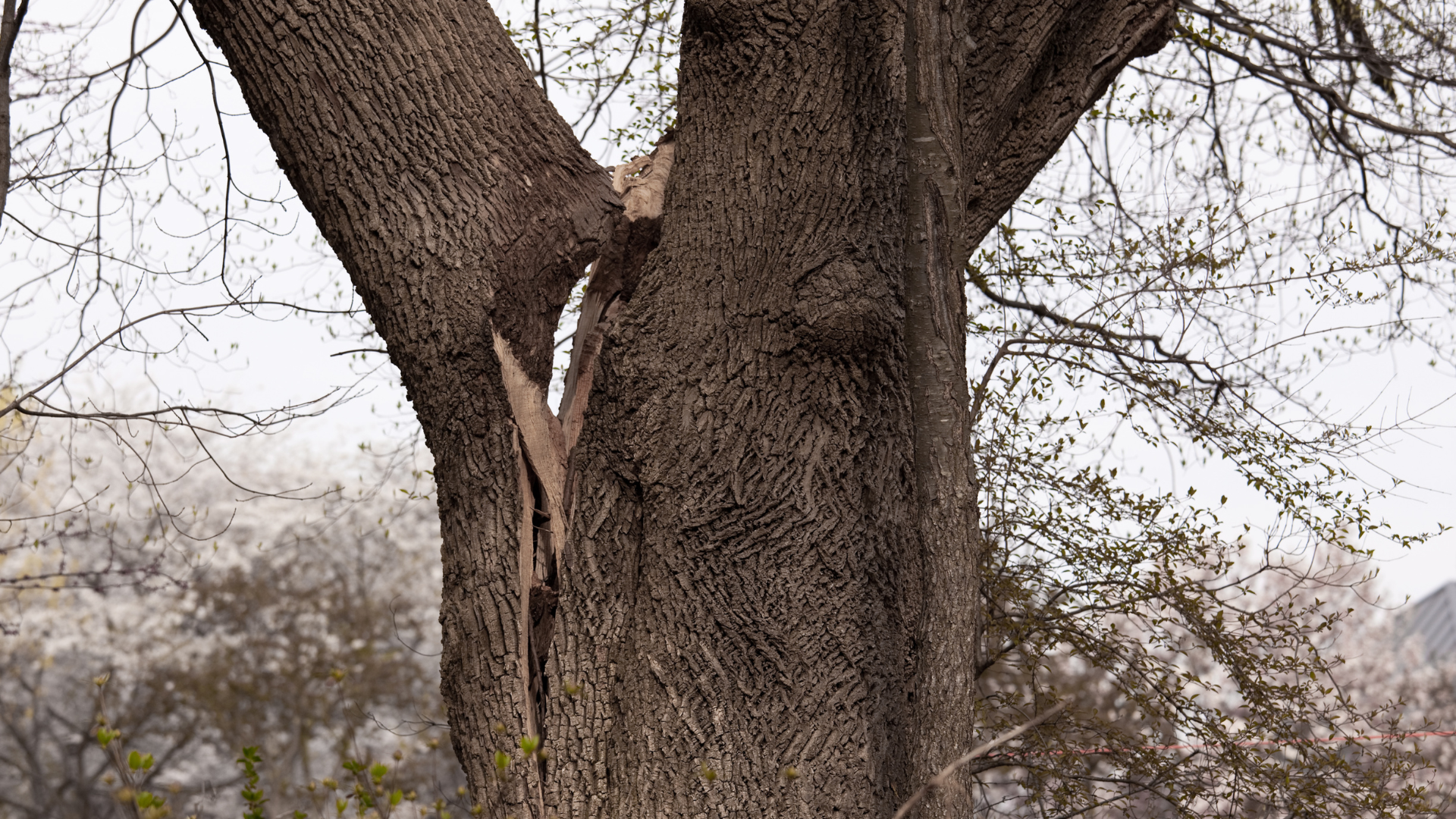
One of the challenges with post weather tree damage is that problems do not always appear right away. A tree may look stable immediately after a storm or temperature swing, but internal damage can develop gradually. Cracks in limbs, compromised root systems, or stress fractures in the trunk may worsen weeks or months later.
This delayed response is why post weather evaluations matter, even when trees appear unchanged on the surface.
The Impact of Freeze-thaw Cycles
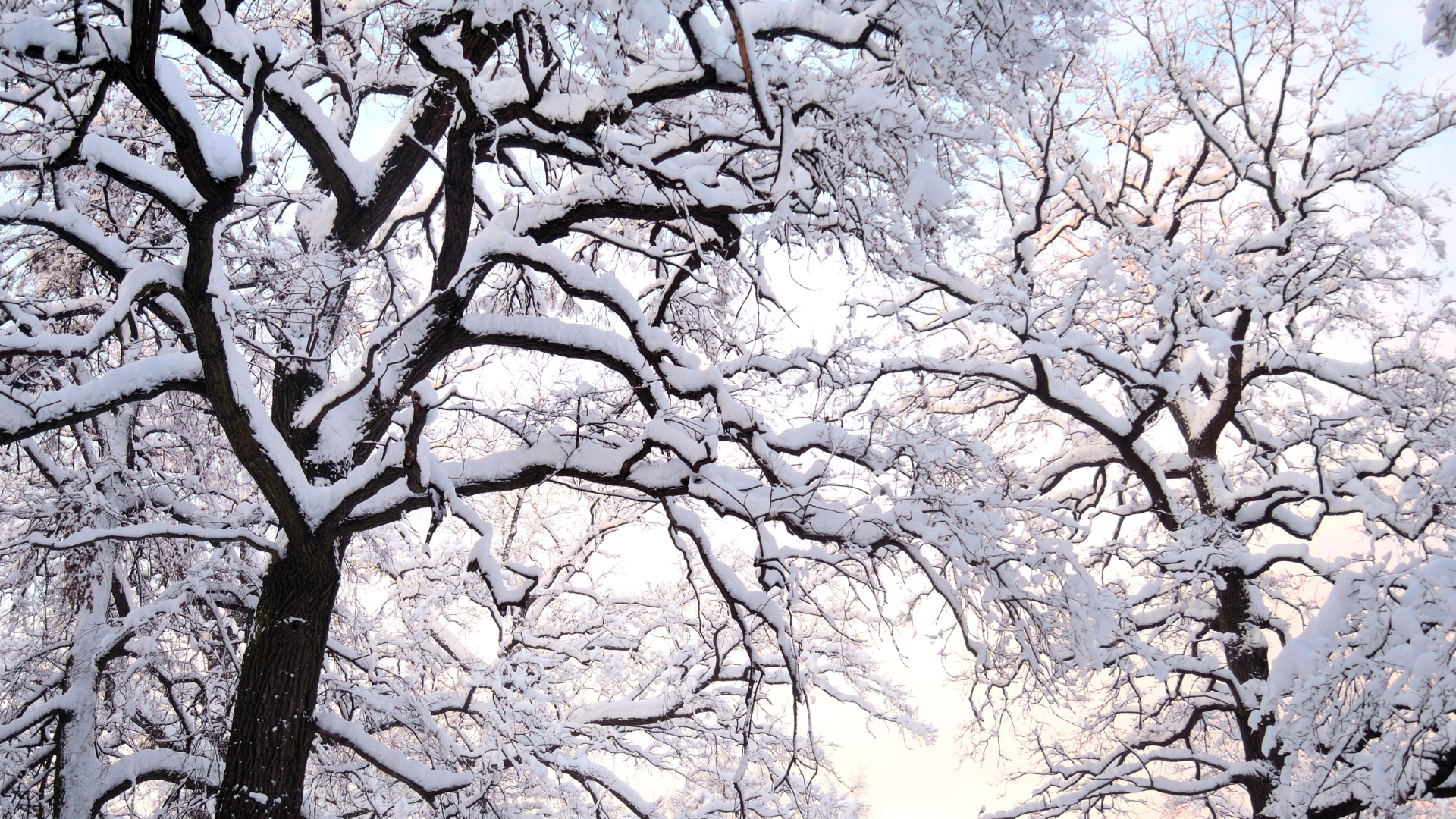
Freeze-thaw cycles are especially common in the Midwest and can be particularly damaging to trees. When temperatures fluctuate, moisture within the soil and tree tissues expands and contracts. This movement can loosen roots, create soil instability, and weaken anchoring systems.
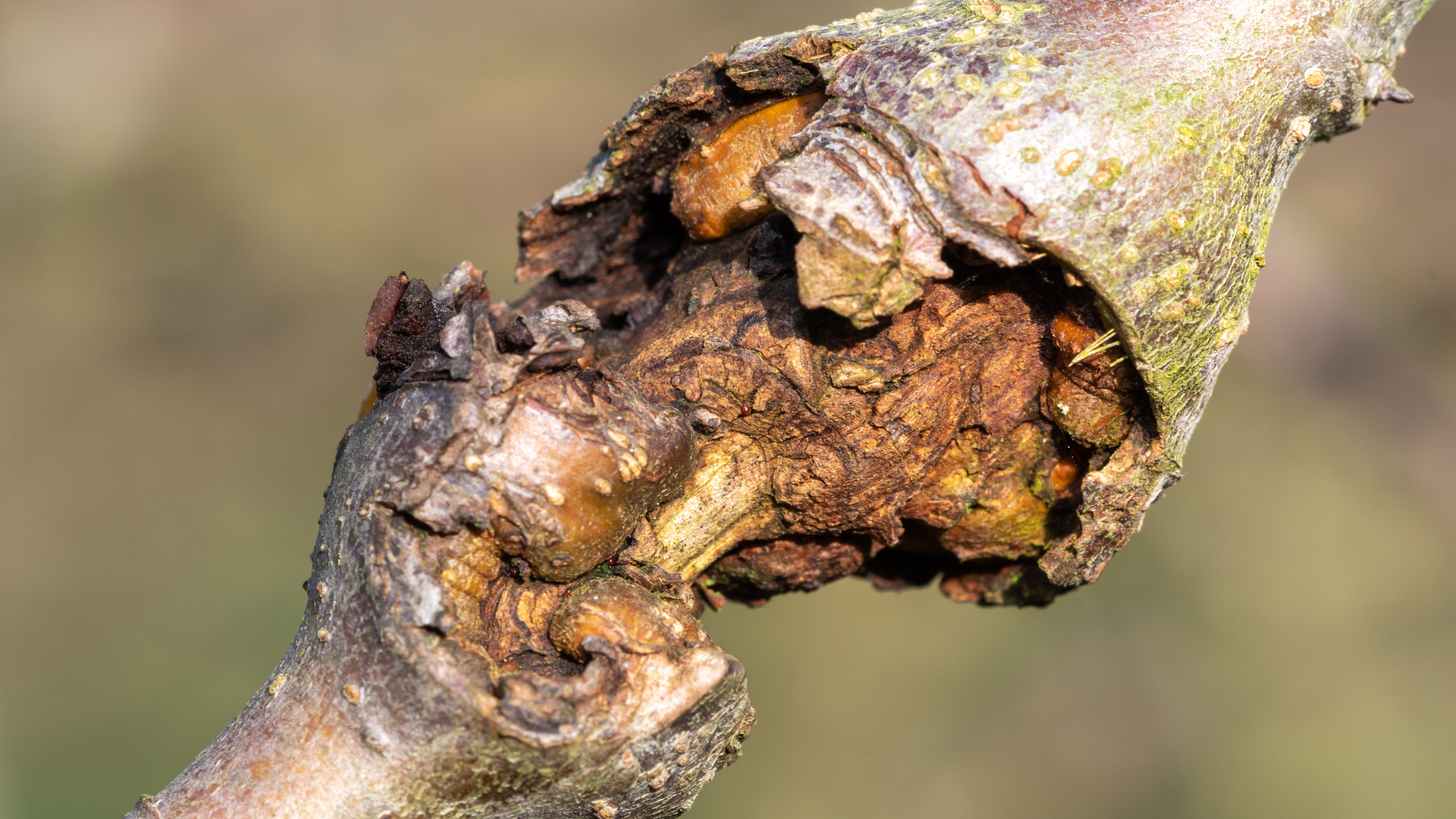
Repeated freeze-thaw cycles may also cause small cracks in bark or branches. Over time, these openings can allow pests or disease to enter, further stressing the tree.
Wind and Structural Integrity
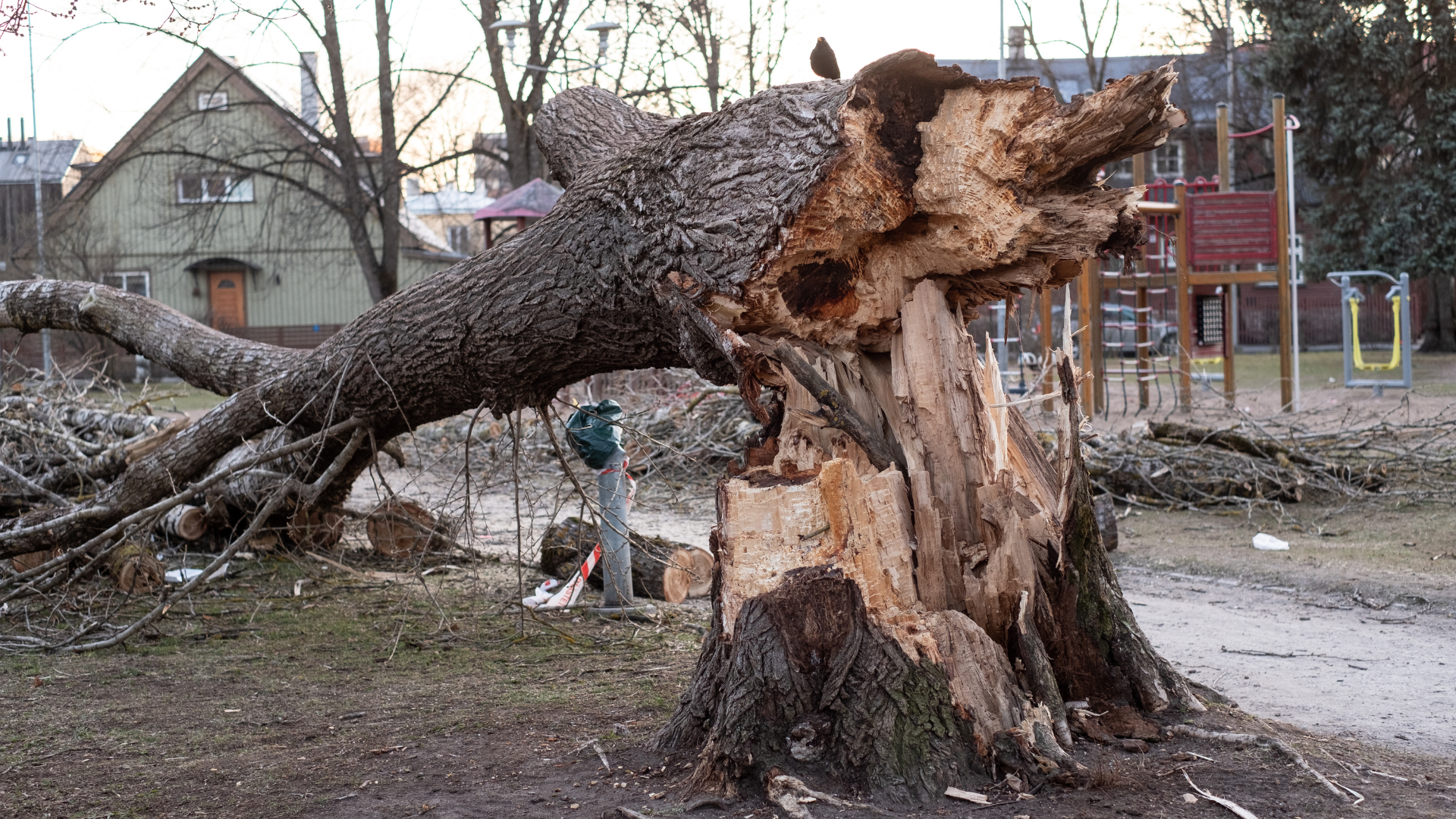
Strong winds can place uneven pressure on a tree’s canopy and trunk. Even if a tree remains upright, wind may cause hidden fractures in limbs or strain at branch unions. These weakened areas increase the risk of limb failure later, especially during future storms or under heavy snow loads.
Trees with dense canopies or unbalanced growth patterns are particularly vulnerable to wind related stress.
Soil Saturation and Root Health
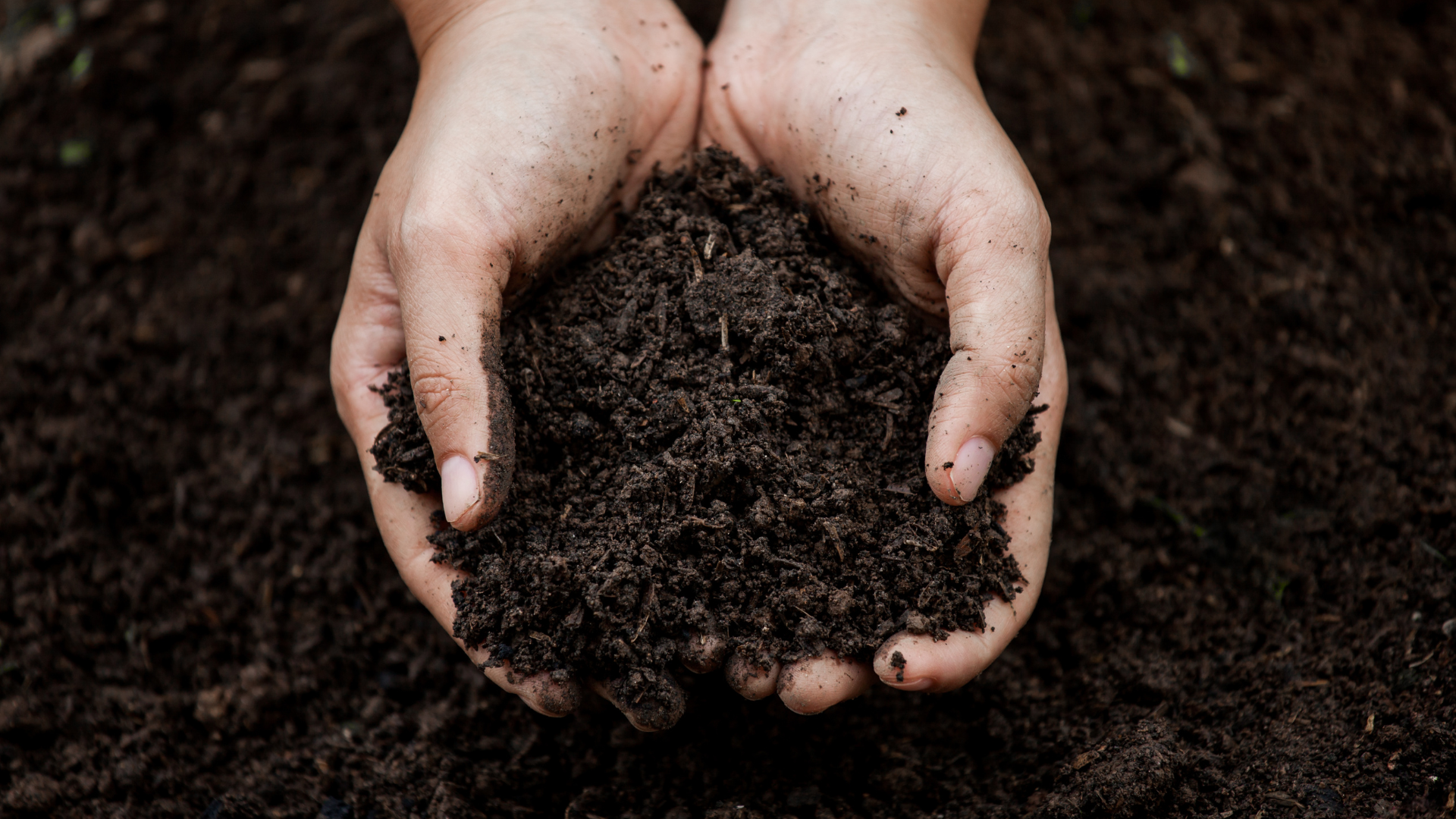
Heavy rainfall can saturate soil and reduce oxygen availability for tree roots. Prolonged saturation weakens root systems and reduces their ability to anchor the tree securely.
In some cases,
soil erosionaround the base of the tree exposes roots or changes the tree’s stability. These conditions increase the likelihood of leaning or uprooting during subsequent weather events.
Snow and Ice Accumulation
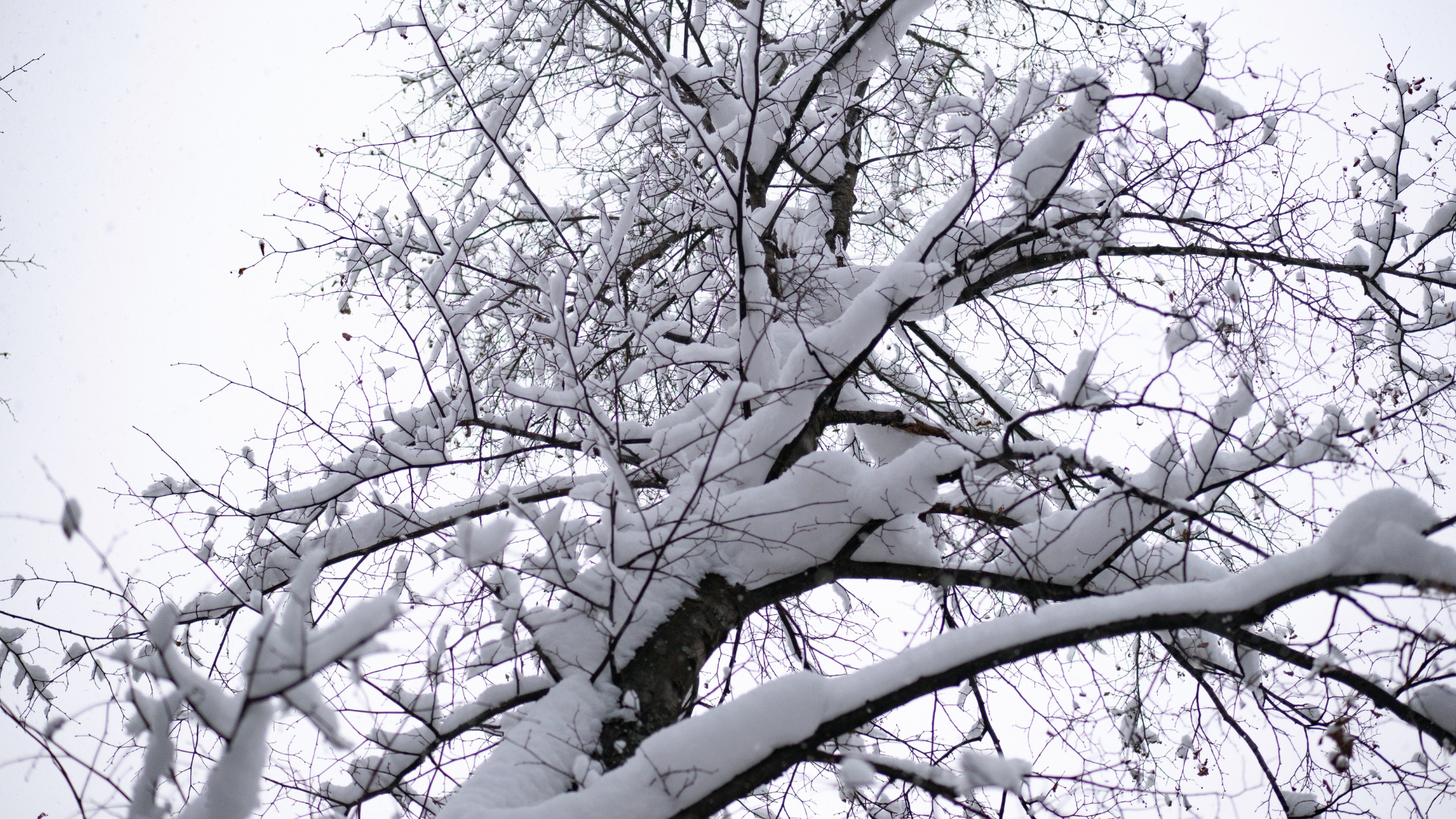
Snow and ice add significant weight to tree limbs, particularly on trees with horizontal branching patterns or dense foliage. This added load can cause limbs to bend or break, sometimes without immediate failure.
Even if branches do not snap during the event, the stress placed on them may lead to cracking or weakening that becomes apparent later.
Signs That an Evaluation Is Needed
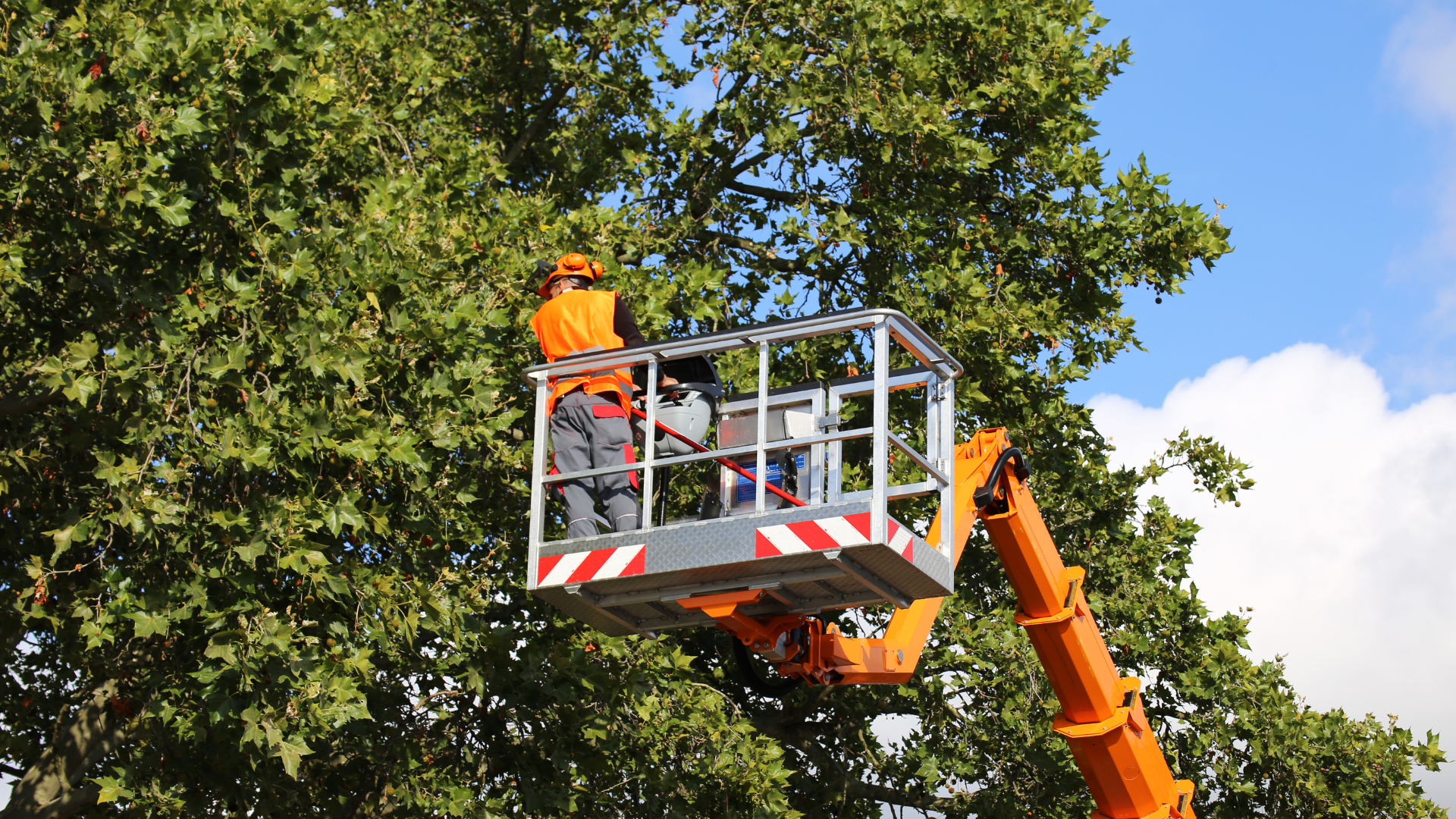
Homeowners should consider a professional evaluation if they notice leaning trees, cracked branches, hanging limbs, exposed roots, or changes in canopy shape after major weather changes. However, not all warning signs are obvious.
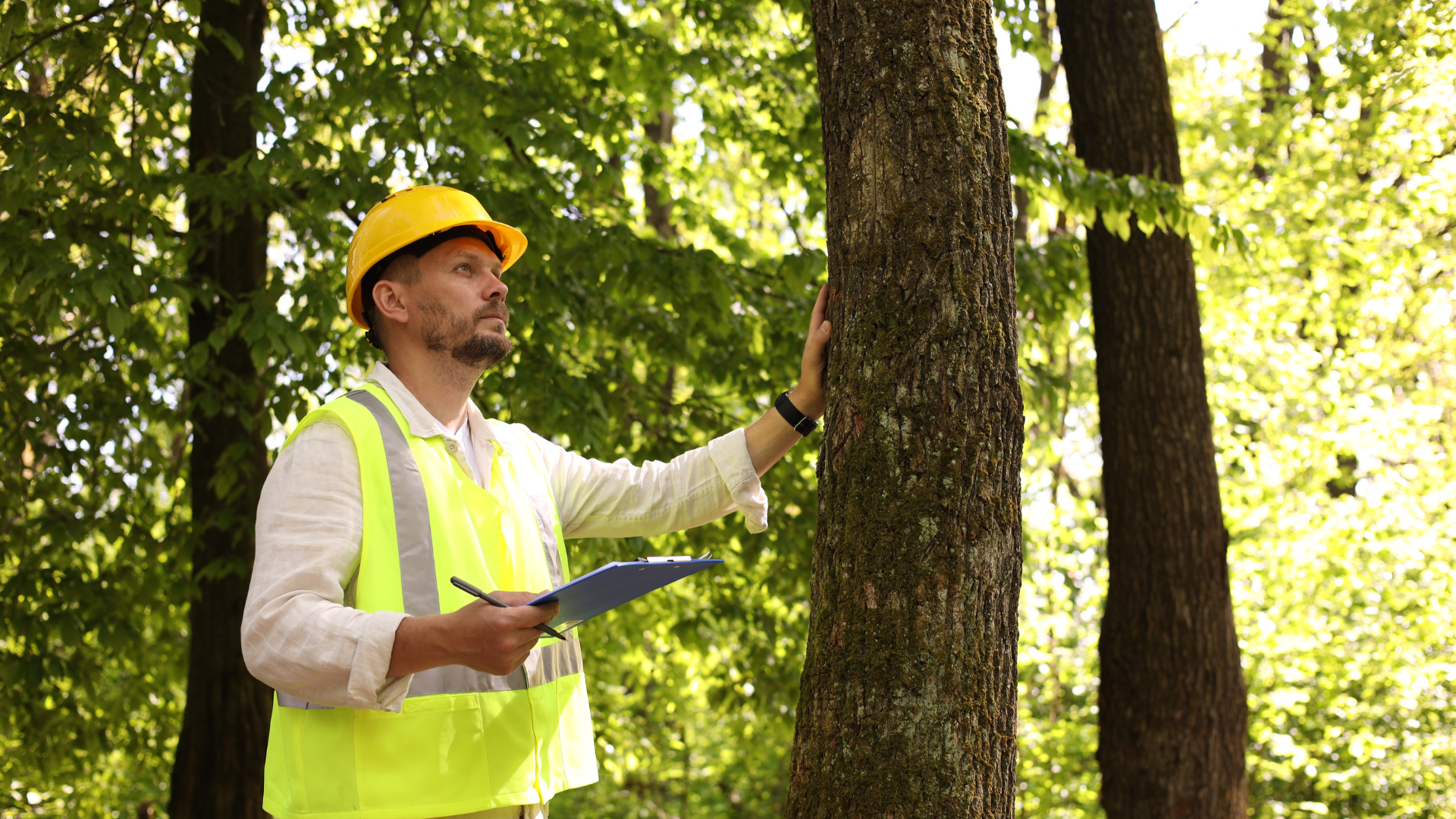
Professional evaluations look beyond visible damage and assess overall tree structure, root stability, and signs of internal stress that may not be apparent to the untrained eye.
Preventing Future Problems
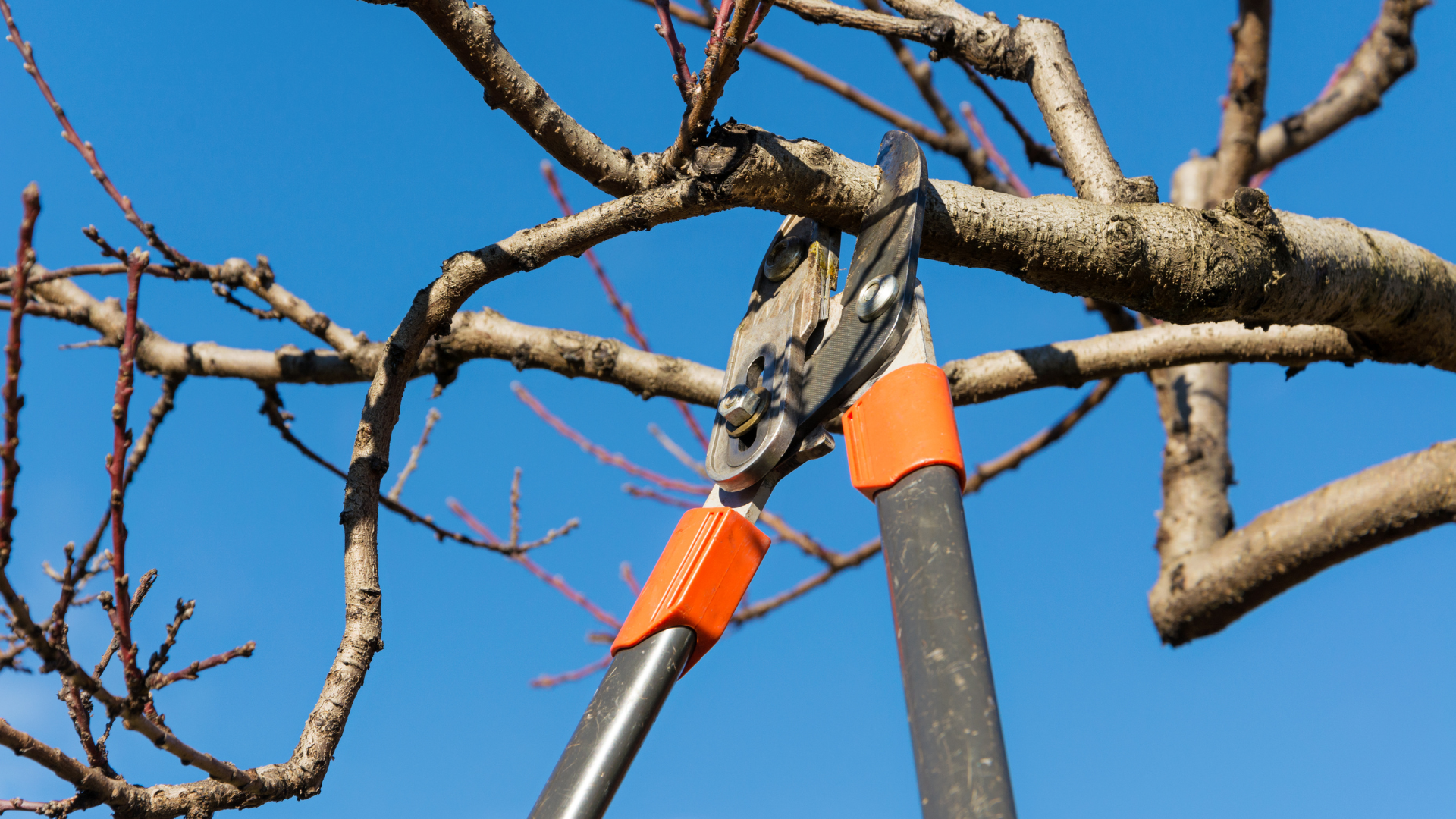
Evaluating tree health after weather events allows potential issues to be addressed before they escalate. Proactive care may include selective pruning, cabling, or removal of compromised limbs. In some cases, removing a severely weakened tree may be the safest option to protect nearby structures and people.
Early intervention often reduces long term risk and helps preserve healthy trees that might otherwise decline.
Protecting Property and Safety
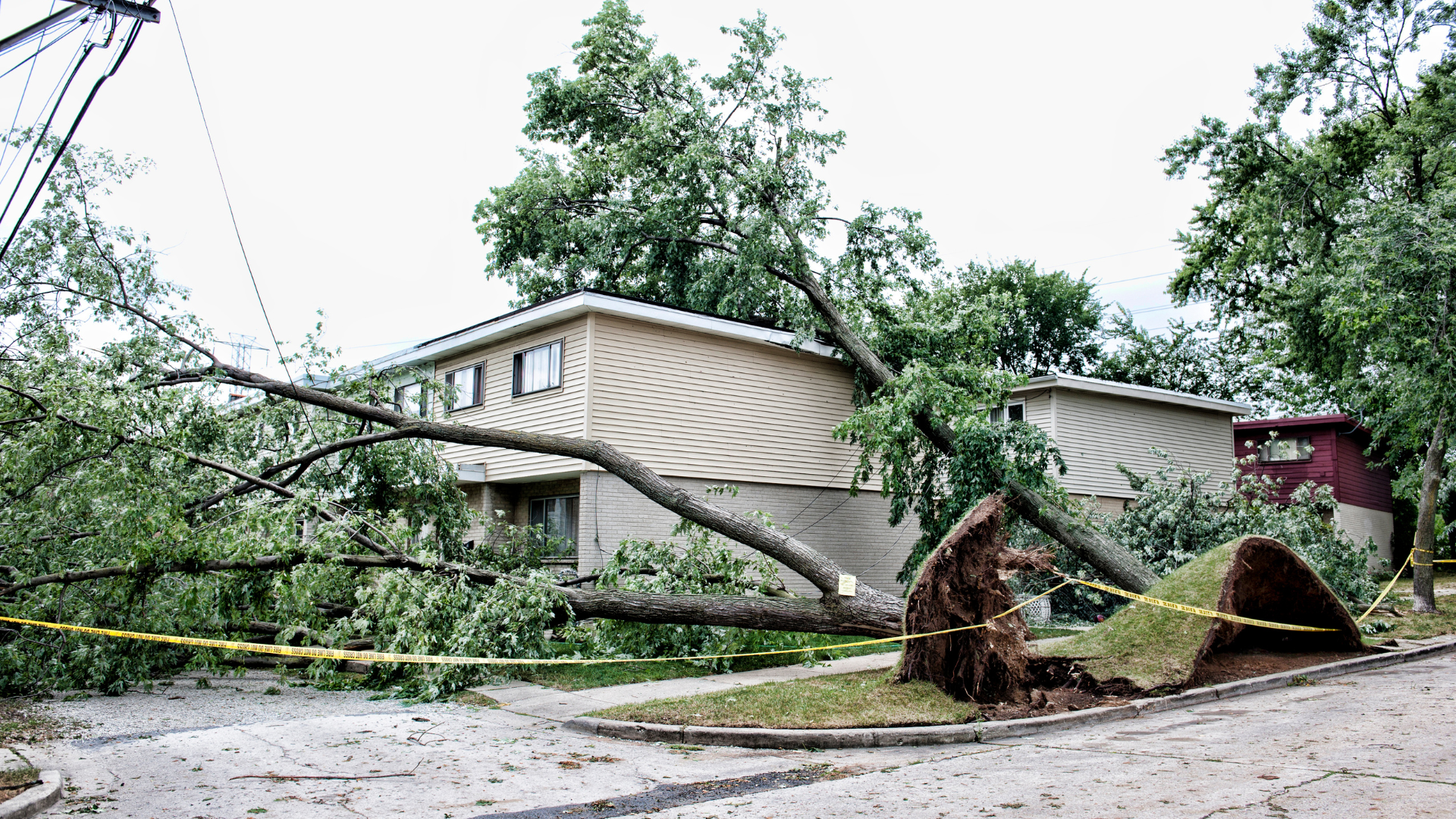
Trees that are compromised by weather can pose risks to homes, vehicles, power lines, and walkways. Addressing issues promptly helps reduce liability and prevent emergency situations during future storms.
Routine evaluations also support better planning, allowing homeowners to manage tree care on their schedule rather than reacting to unexpected failures.
A Proactive Approach to Tree Health
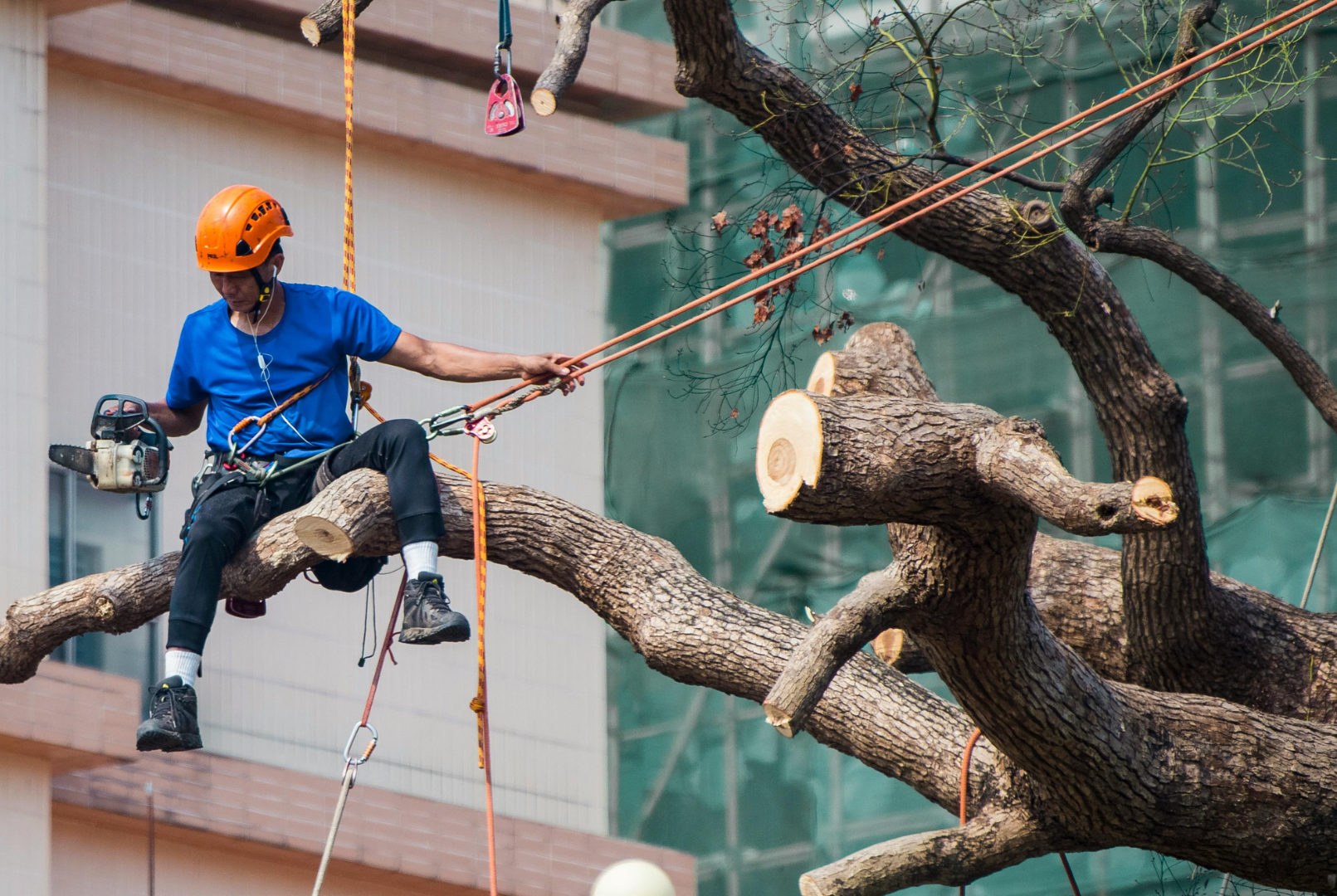
Weather changes are unavoidable, but the risks they pose to trees can be managed. Evaluating tree health after major weather events helps identify hidden damage, supports long term tree stability, and protects property.
At Midwest Tree Surgeons, we help homeowners and property managers assess how weather impacts their trees and recommend appropriate next steps. Thoughtful evaluations after major weather changes support safer landscapes and healthier trees over time.