Why Mature Trees Add More Than Shade to Your Property
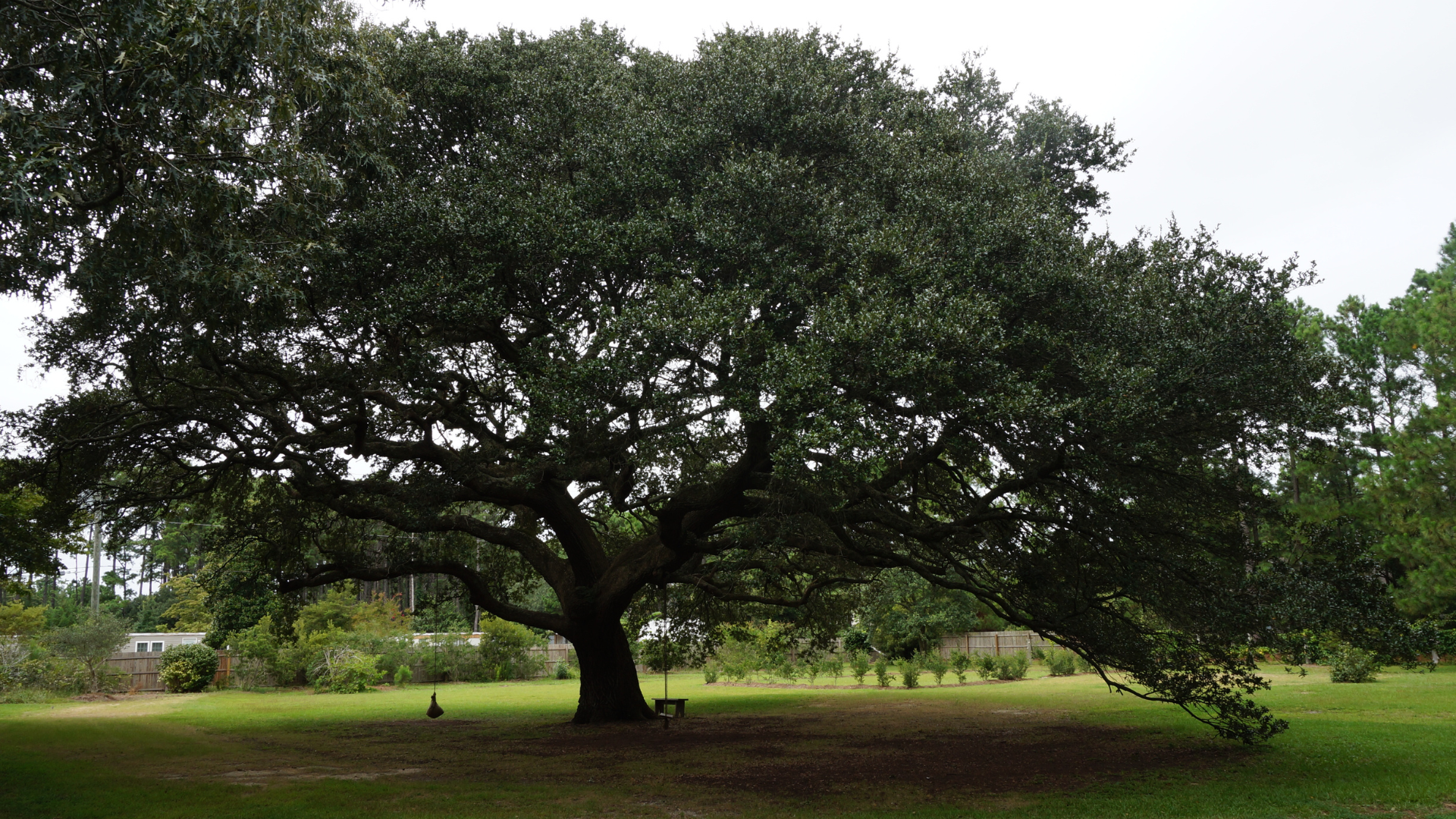
Mature trees are often appreciated for the shade they provide during hot summer months, but their value extends far beyond cooling comfort. Established trees are long-term assets that contribute to property value, environmental stability, and overall landscape health. For homeowners and property managers alike, understanding the broader benefits of mature trees can influence how they approach tree care and long-term planning.
Increased Property Value
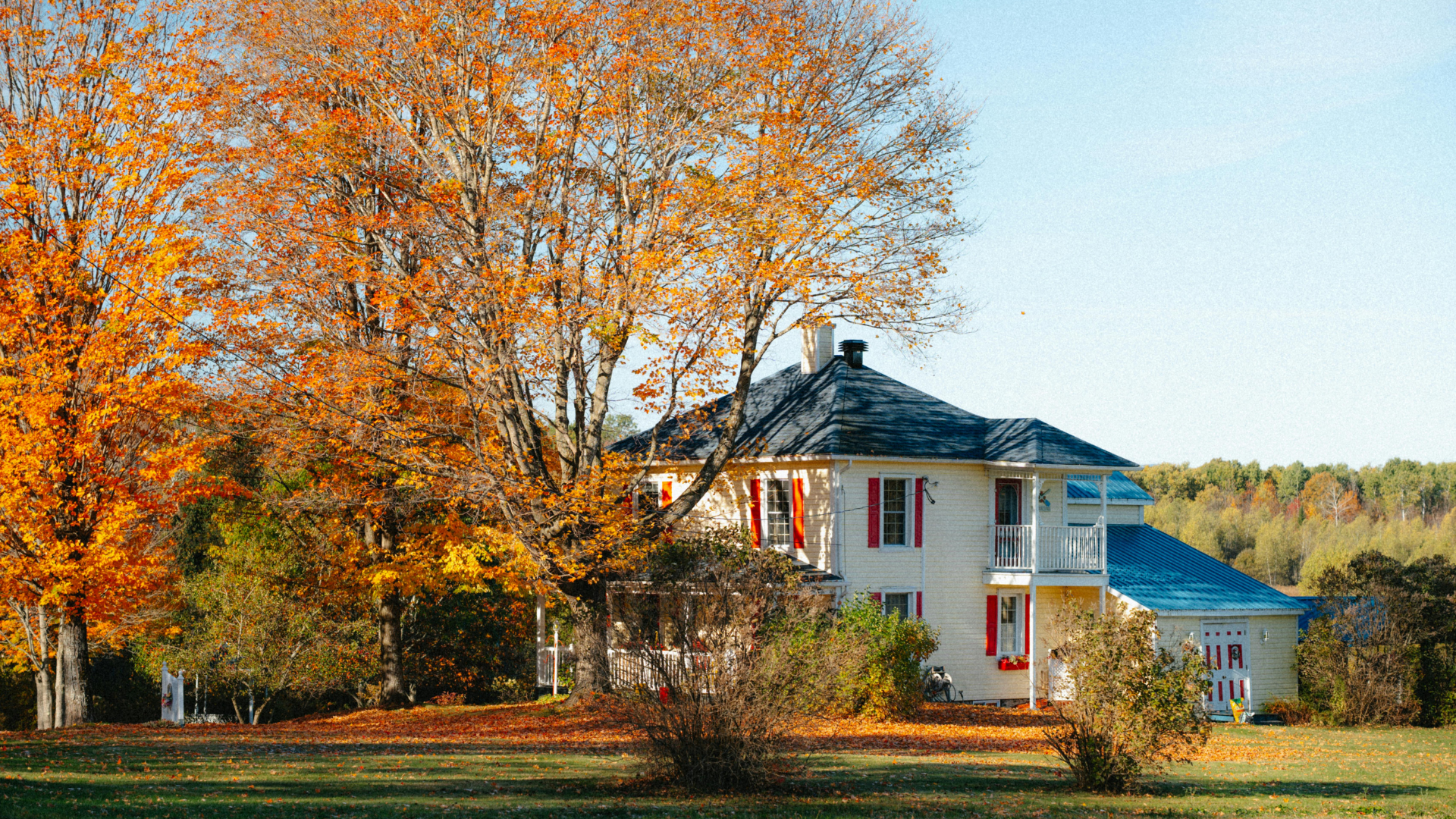
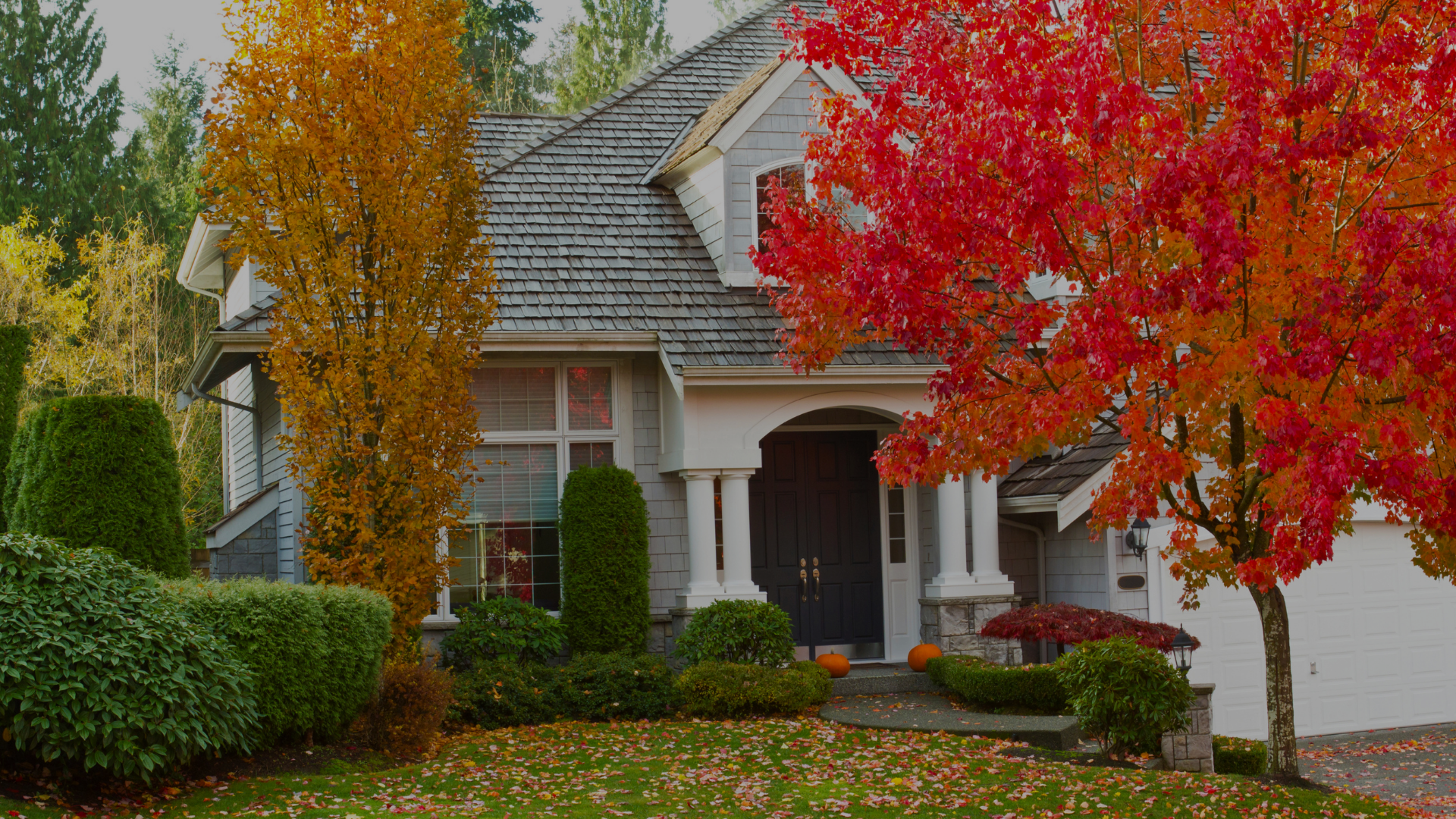
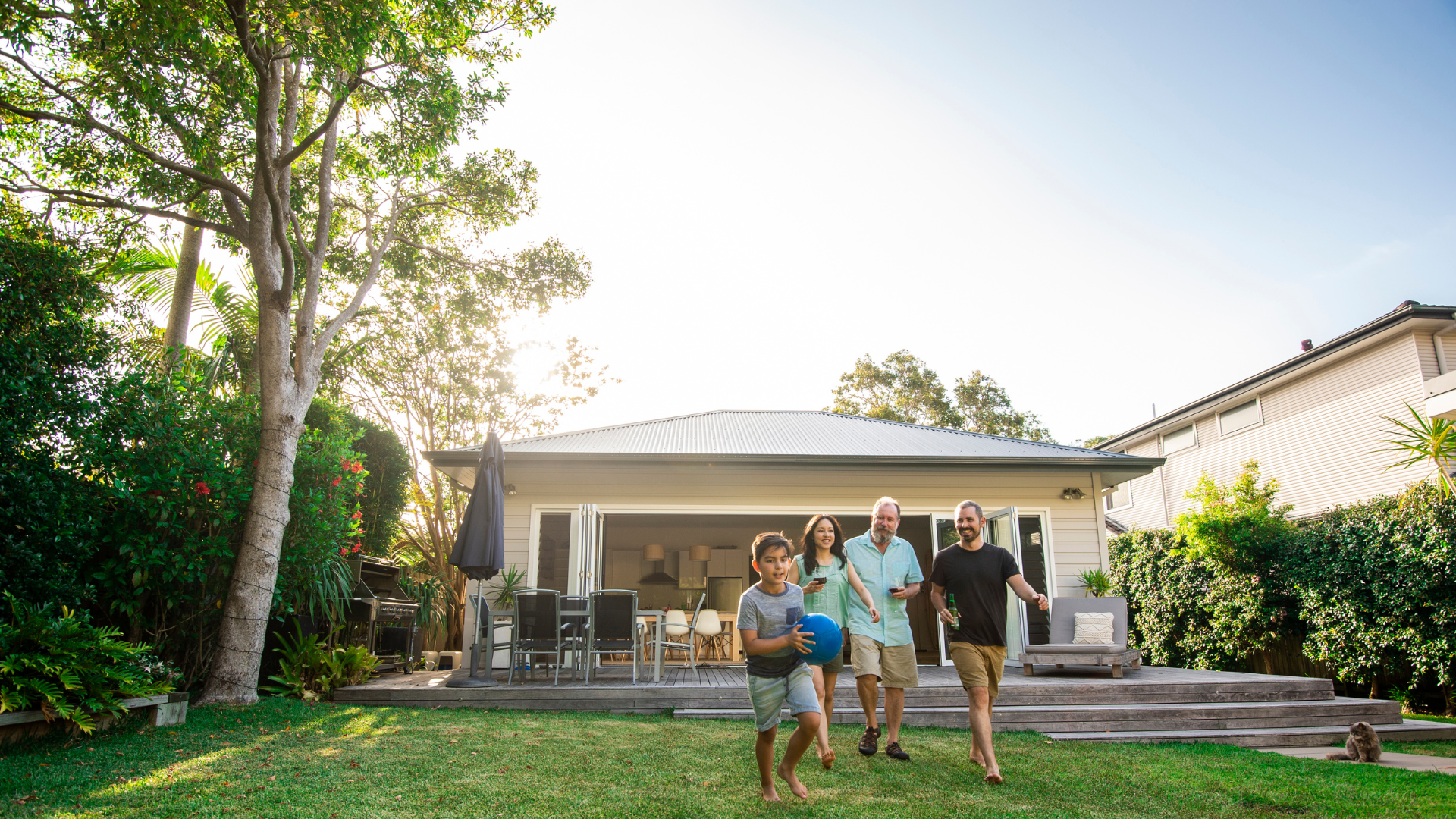
Well-maintained mature trees can enhance curb appeal and make a property more attractive to potential buyers. Studies published in the Journal of Arboriculture have found that healthy, well-placed trees can increase residential property values by several percent, depending on location and condition. Buyers often associate established trees with neighborhood stability and aesthetic quality.
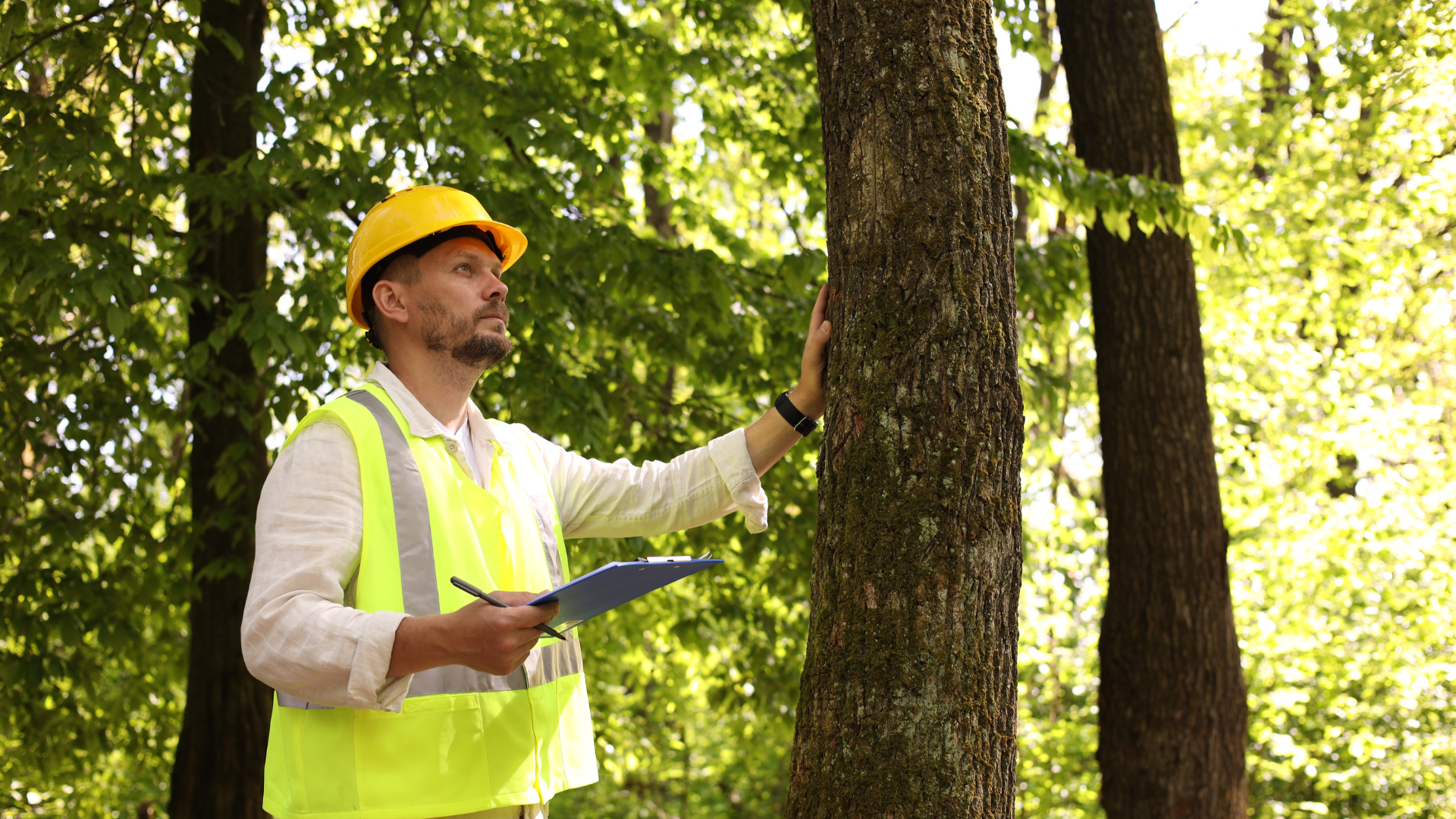
However, value depends on health and structure. A mature tree that is poorly maintained, structurally compromised, or diseased can become a liability rather than an asset. Regular inspections and professional care help ensure that mature trees continue contributing positively to the property.
Environmental and Energy Benefits
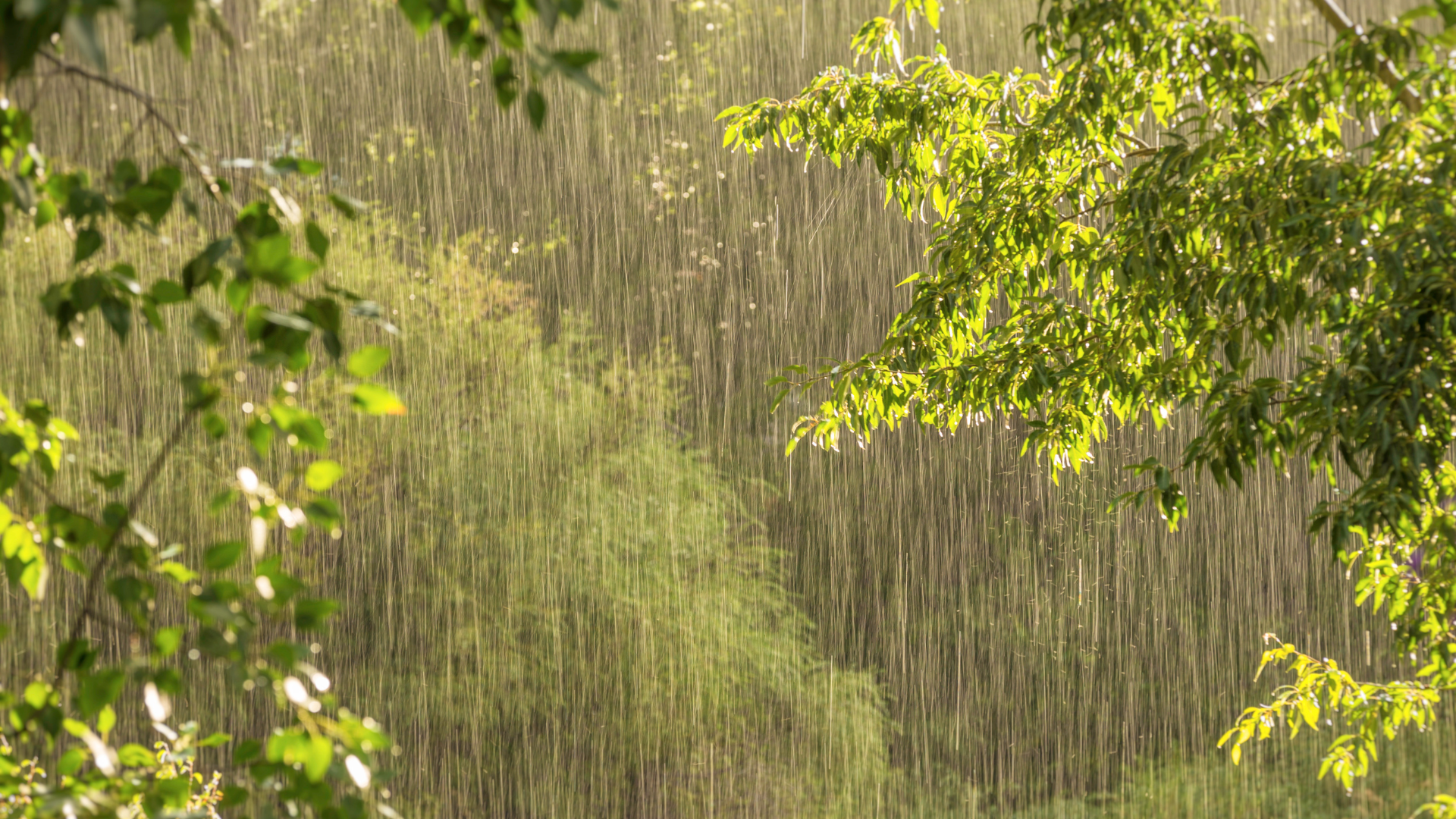
Mature trees also play a measurable role in environmental regulation. According to the U.S. Forest Service, large, healthy trees can significantly reduce stormwater runoff by intercepting rainfall and improving soil absorption. Their root systems stabilize soil, reducing erosion and protecting nearby structures.
Additionally, strategically placed trees may help reduce energy costs.
Research supported by the U.S. Department of Energyindicates that shade from trees can reduce air conditioning demand in warmer months, particularly when trees are positioned near west- and south-facing walls. Over time, this can contribute to meaningful energy savings.
Air Quality and Urban Health
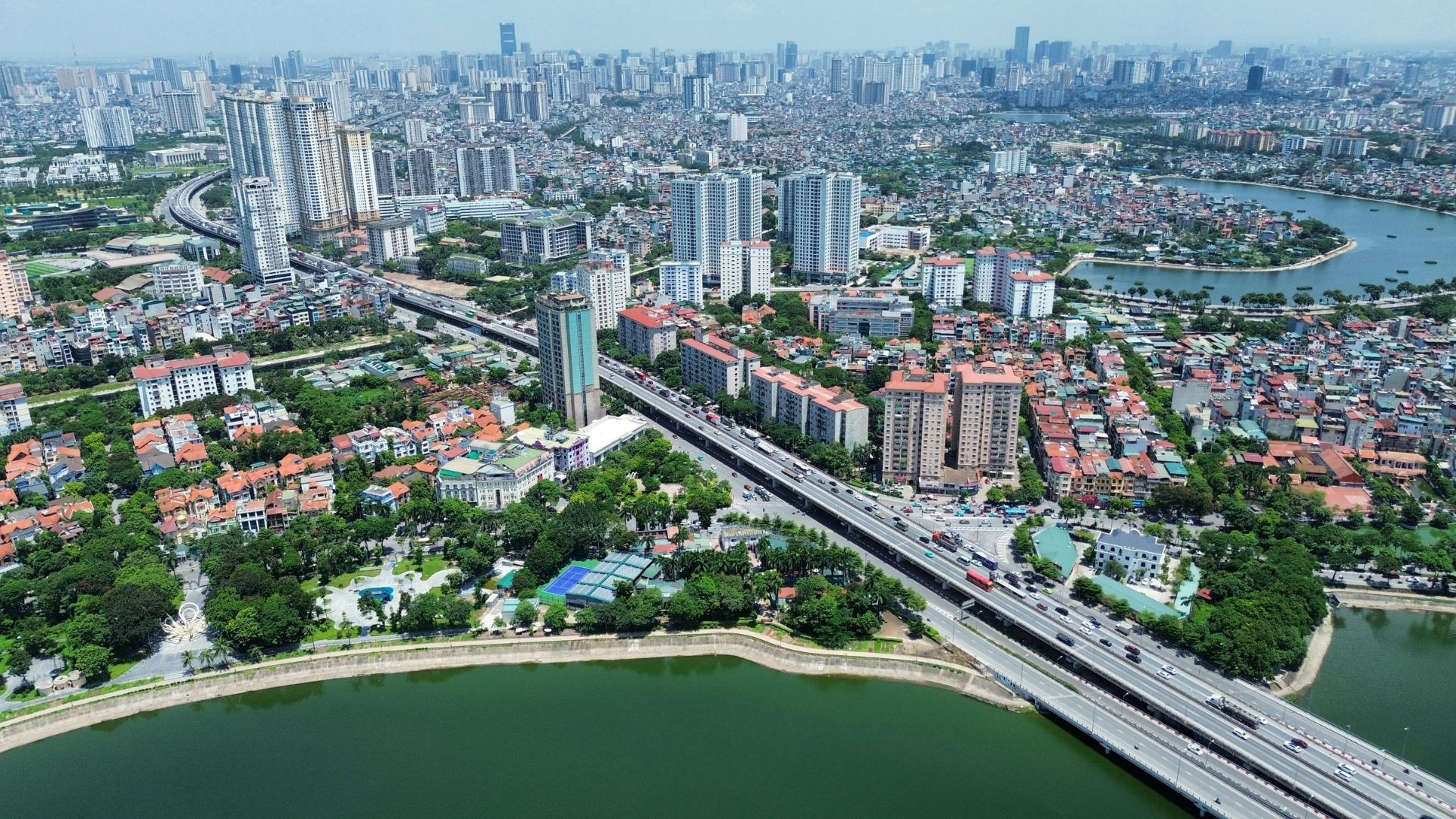
Trees contribute to improved air quality by absorbing pollutants and releasing oxygen. While a single tree does not transform air quality on its own, a canopy of mature trees across neighborhoods can collectively reduce particulate matter and contribute to healthier urban environments.
In Midwest communities where seasonal weather shifts can bring high winds, heavy rainfall, and temperature extremes, the presence of established root systems and dense canopy coverage also supports local ecosystem stability.
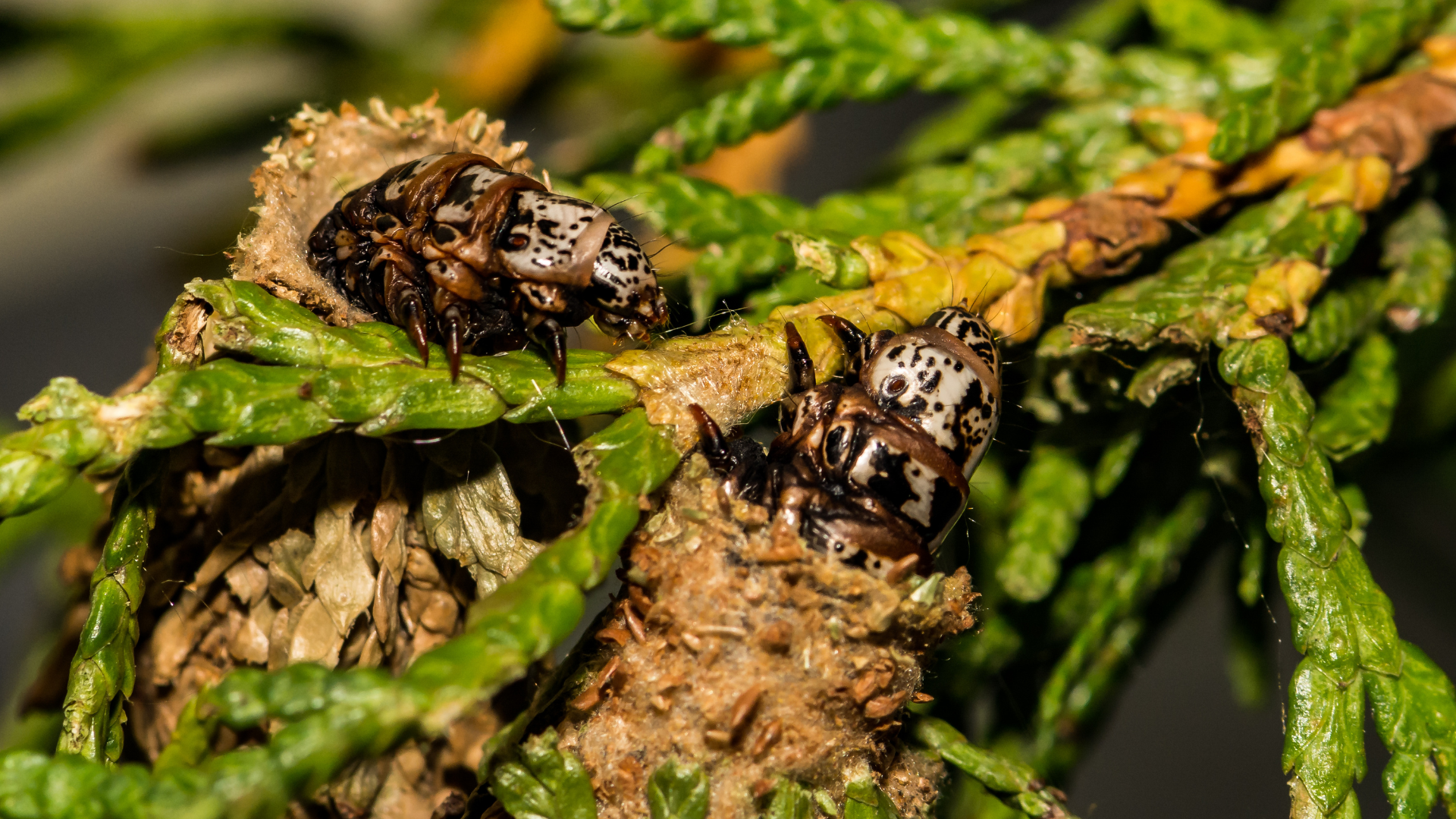
Mature trees serve as habitatfor birds and beneficial insects, helping maintain ecological balance.
Structural Strength and Longevity
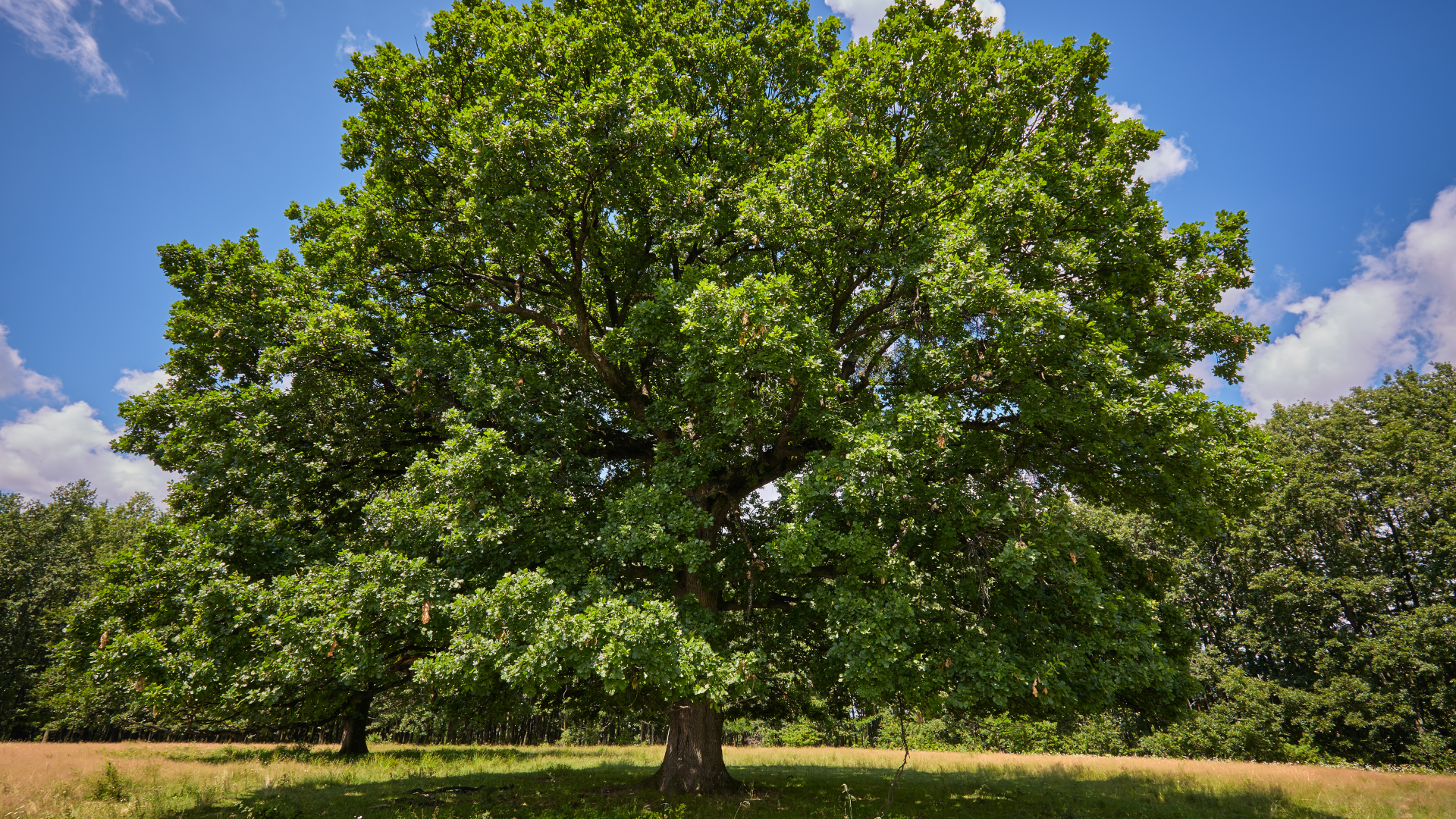
Mature trees that have developed over decades often possess stronger structural integrity than newly planted saplings, provided they have been properly maintained. Deep root systems anchor the tree securely, and established branching patterns distribute weight efficiently.
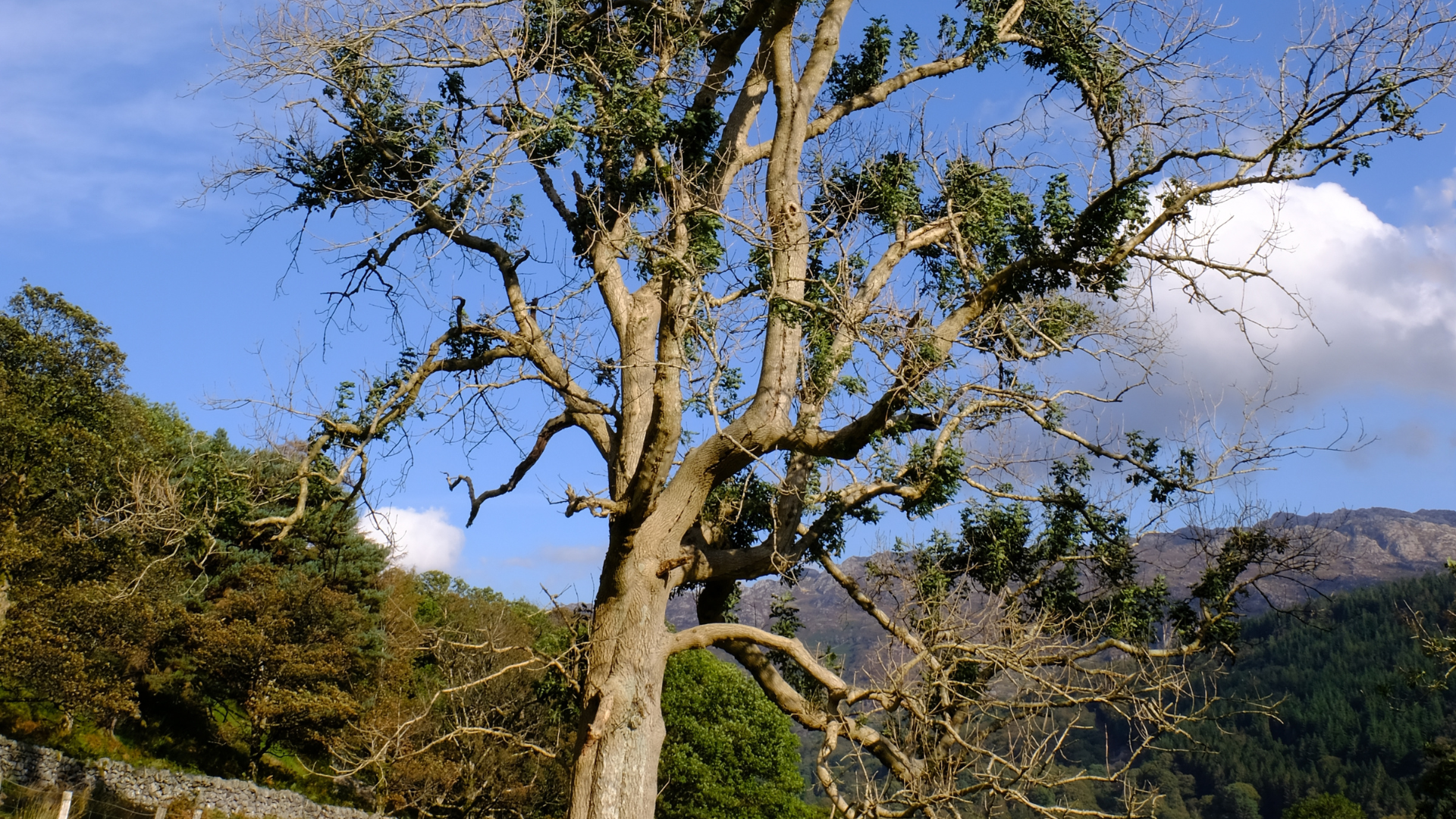
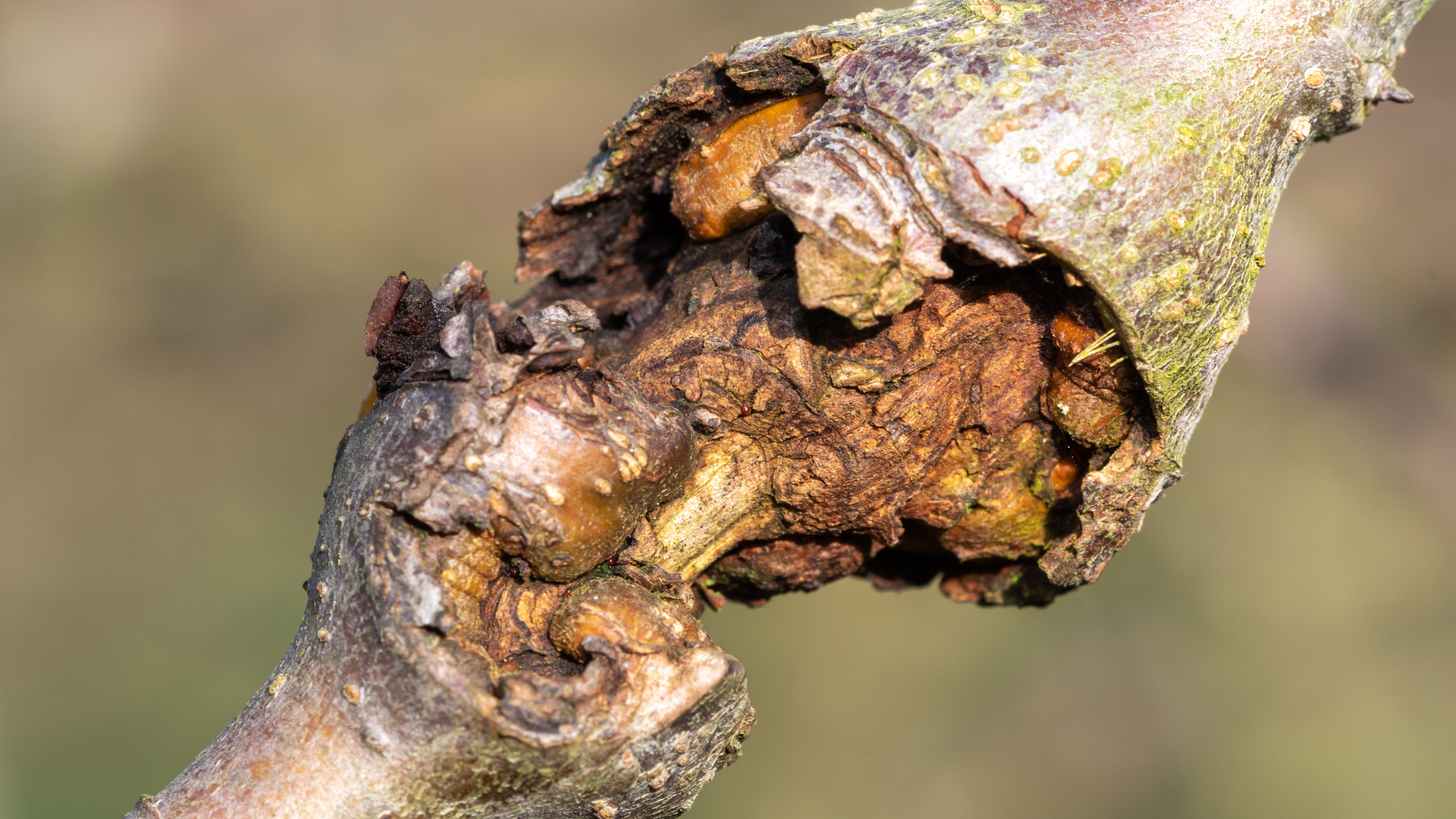
That said, maturity does not mean immunity from risk. Internal decay, storm damage, and soil compaction can compromise even long-standing trees. Regular professional evaluation helps identify early warning signs such as cavity formation, fungal growth, or canopy thinning. Addressing these issues promptly can extend the life of a mature tree and reduce the risk of property damage.
Long-Term Landscape Planning
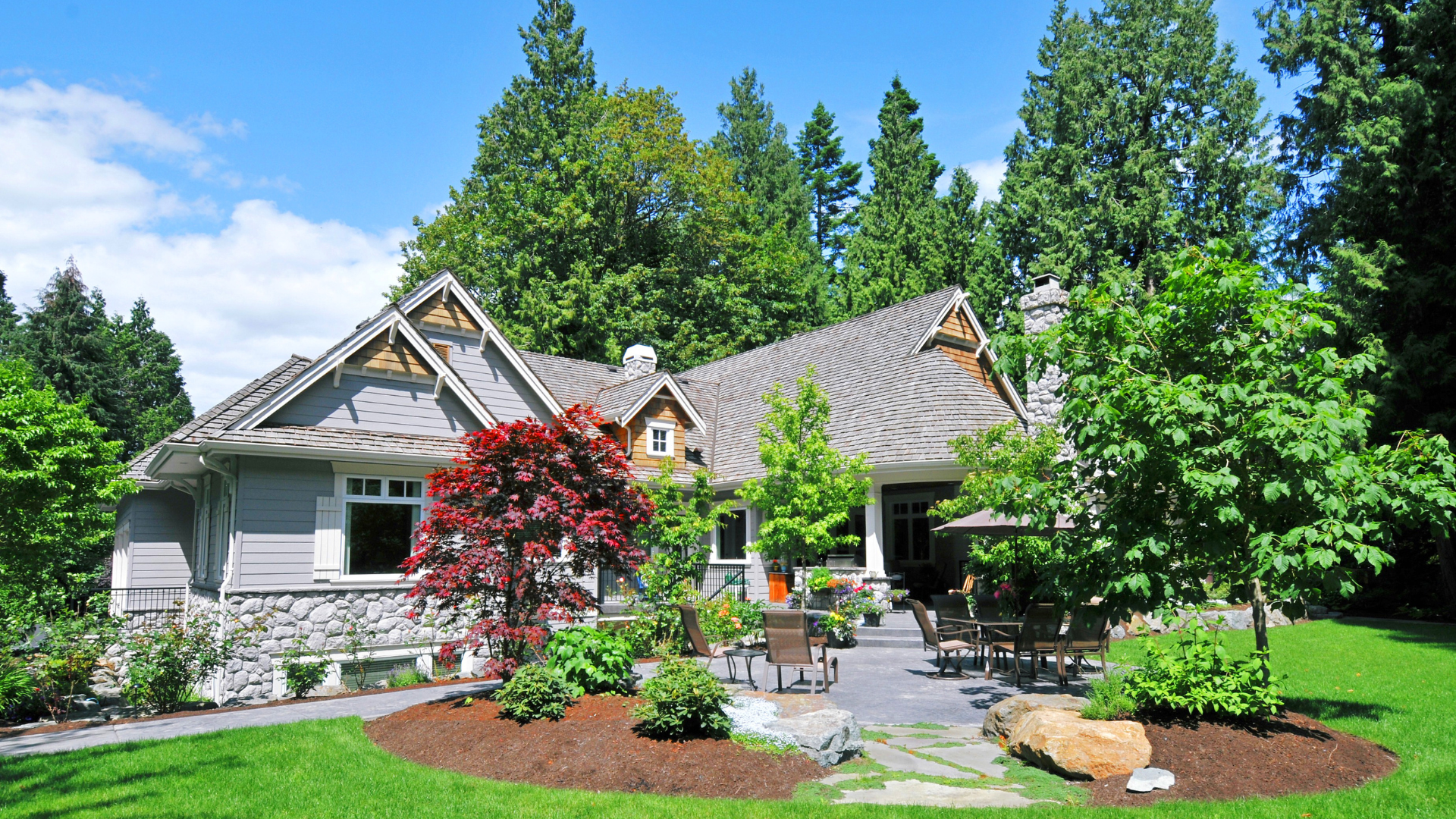
Mature trees contribute to the overall composition of a landscape. Their height, canopy spread, and root systems shape how sunlight moves across a property and influence what can grow beneath them. Thoughtful tree care involves planning around these factors rather than working against them.
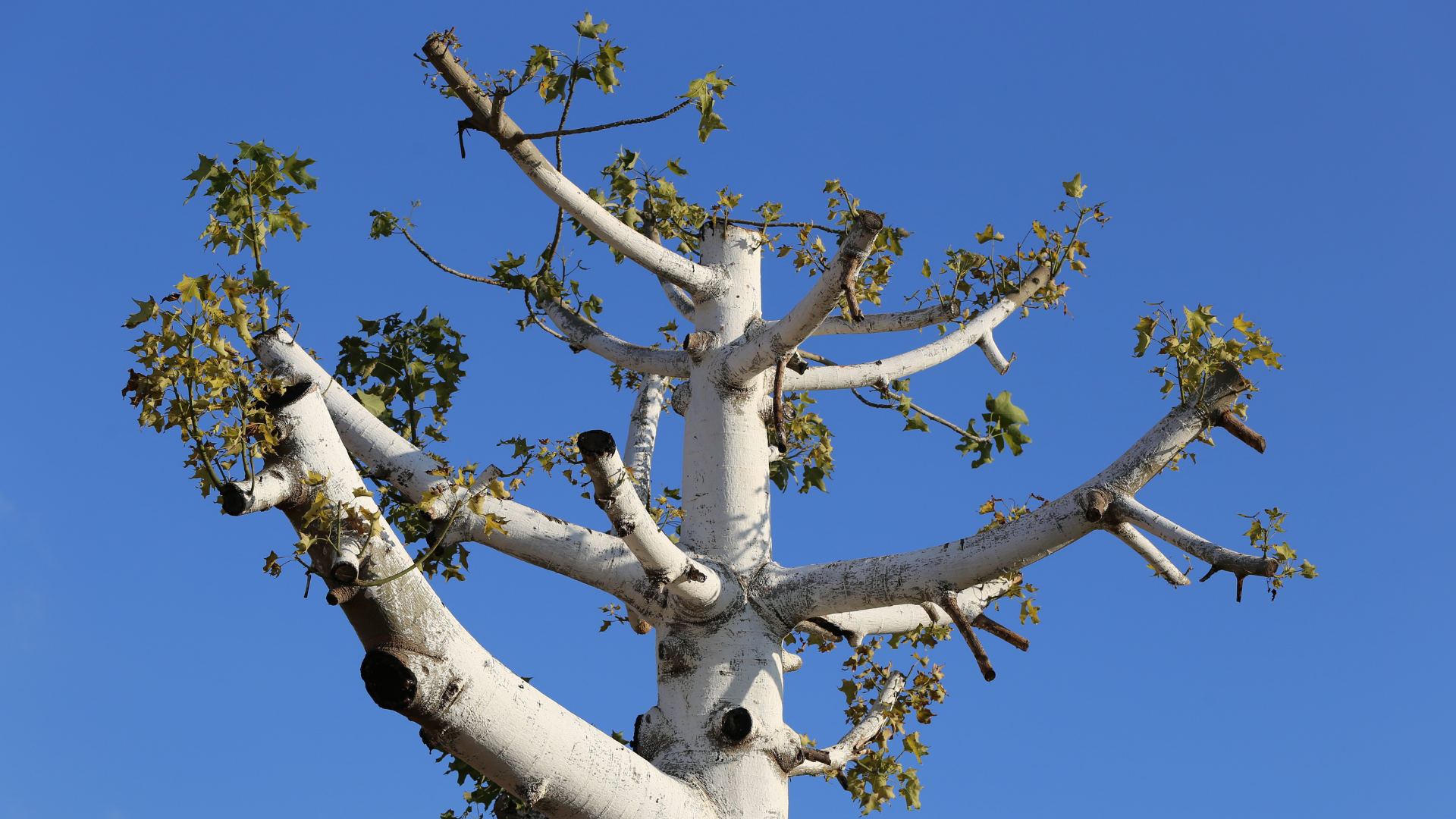
In some cases, selective pruning can improve light penetration and airflow without compromising structural integrity. In other situations, removal of a declining tree may be necessary to protect surrounding vegetation and structures. Professional assessment ensures that decisions are made with both safety and long-term landscape health in mind.
Liability Considerations
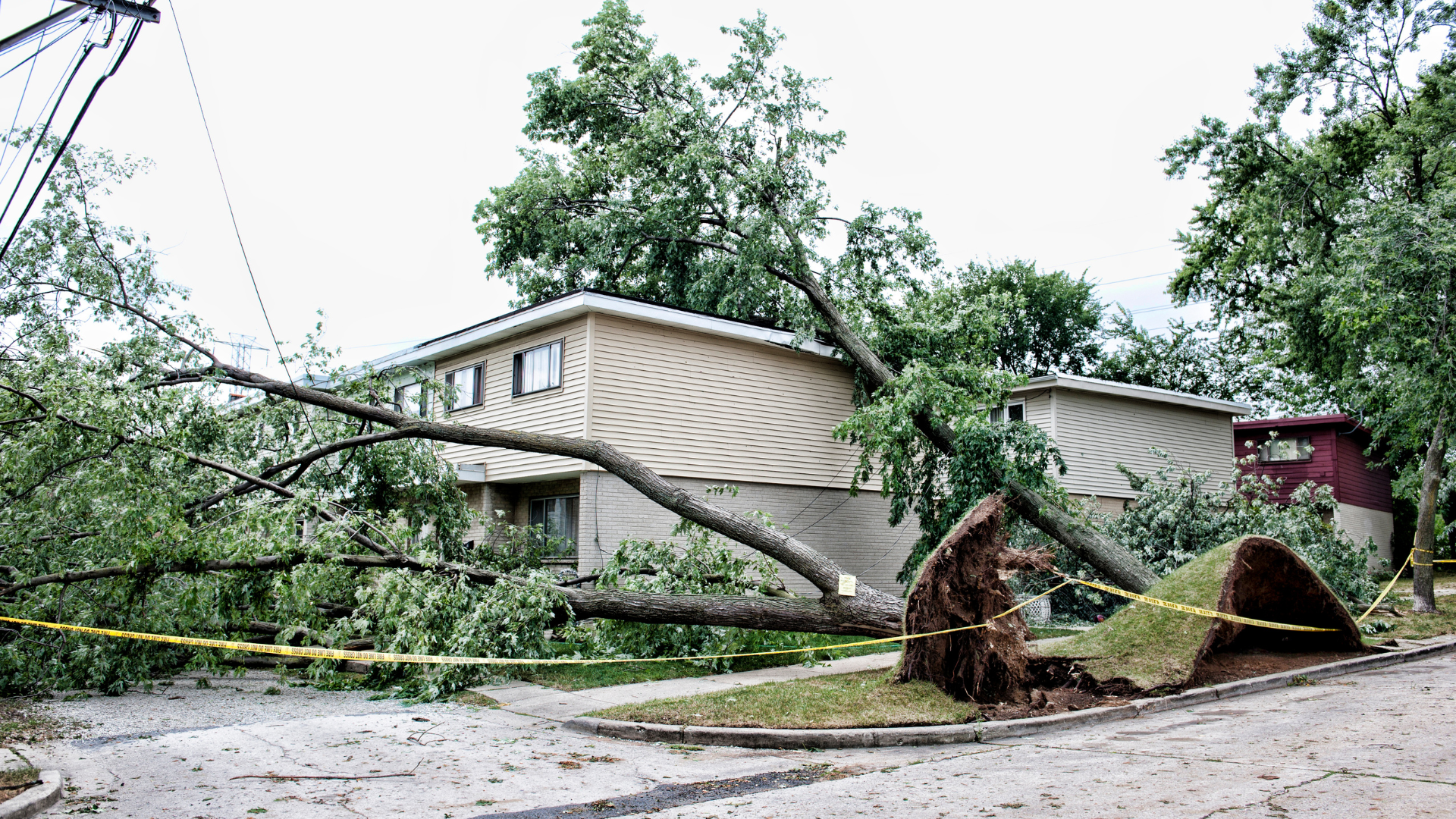
While mature trees offer substantial benefits, they also require responsible management. Property owners have a duty to address hazardous conditions, including trees that show signs of instability or disease. Failure to maintain trees can result in damage to neighboring properties or injury.
Routine inspections and proactive care reduce these risks. Early intervention is often more cost-effective than emergency removal after storm failure or structural collapse.
Preserving What Matters
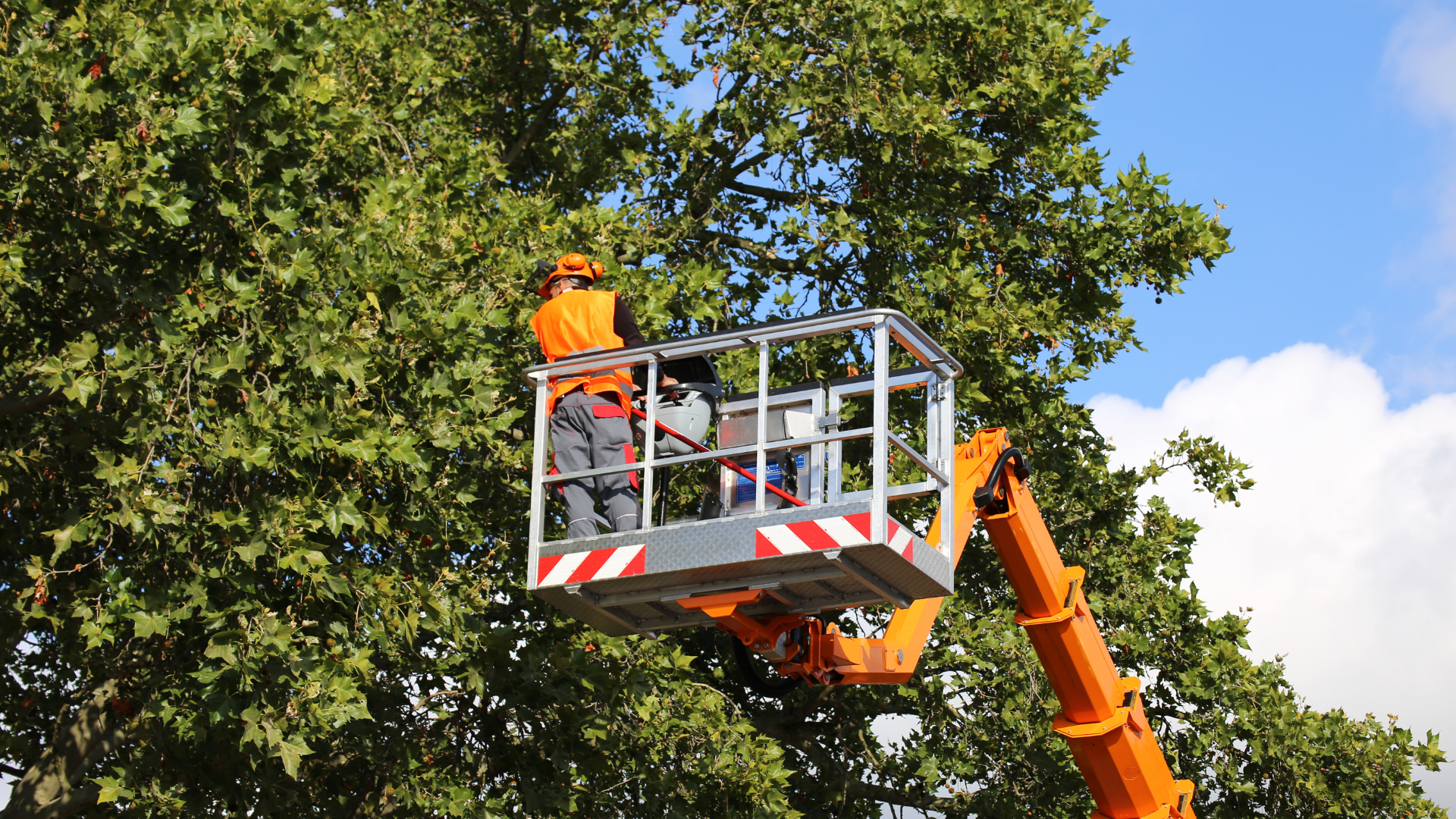
Mature trees are investments that develop over decades. They enhance beauty, contribute to environmental resilience, and can support property value when properly maintained. The key is not simply having mature trees, but caring for them consistently and professionally.
At Midwest Tree Surgeons, we understand the complexity of maintaining established trees in Midwest climates. From detailed health assessments to strategic pruning and risk evaluation, our goal is to help property owners preserve the value and safety of their landscapes. Mature trees offer more than shade, and with proper care, they can remain strong, healthy, and beneficial for years to come.