Why Large Tree Removals Should Always Be Handled by Trained Specialists
Large trees provide beauty, shade, and structure to a property, but when a tree becomes hazardous or must be removed for safety or landscaping reasons, the process requires expertise, equipment, and careful planning. Removing a large tree is far more complicated than cutting smaller branches or clearing minor debris. At Midwest Tree Surgeons, we emphasize the importance of hiring trained specialists for any large tree removal because the risks of attempting it without proper training are significant. Professional removal protects people, property, and the surrounding landscape while ensuring that the job is completed safely and efficiently.
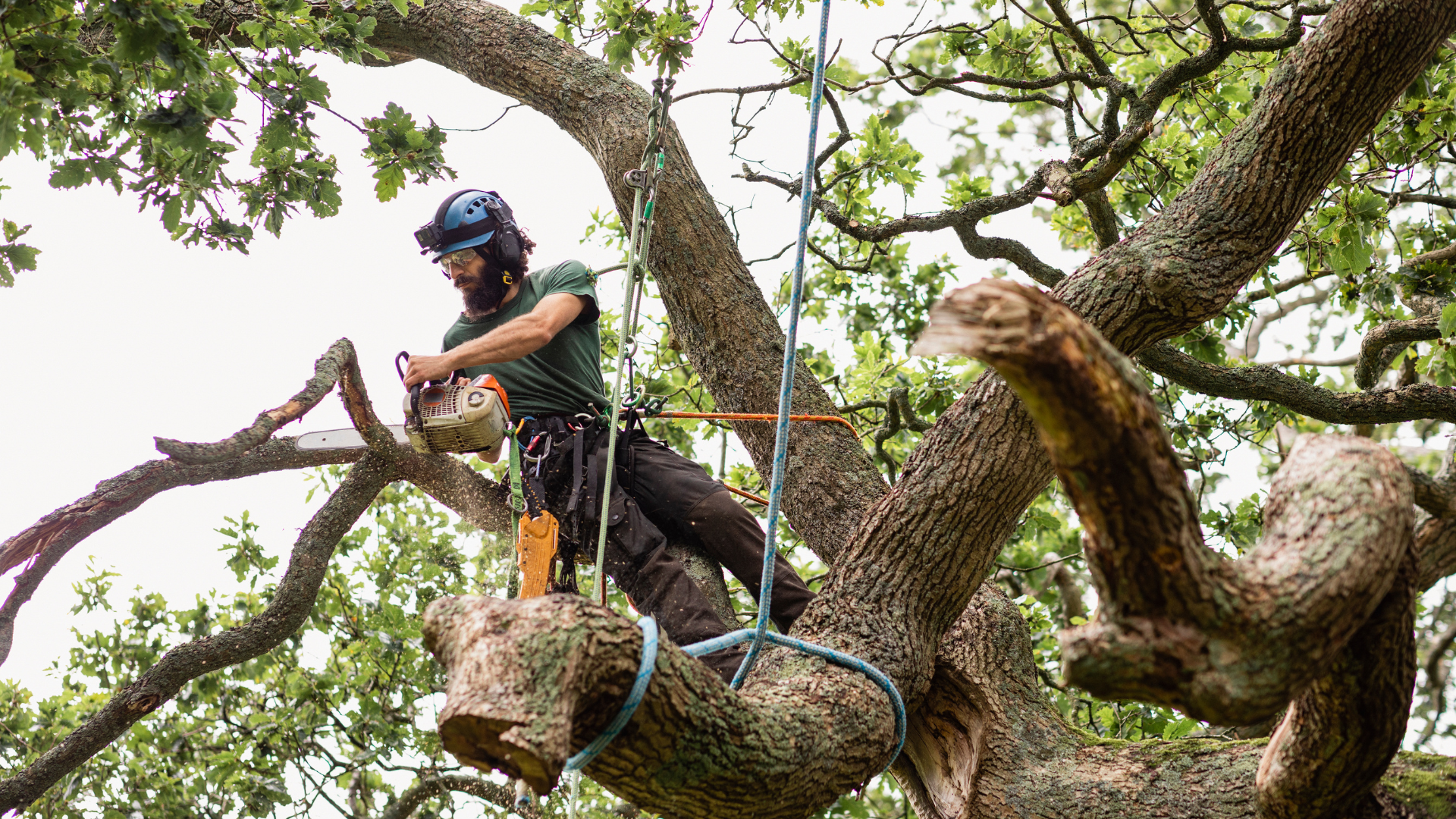
The Complexity of Large Tree Structure
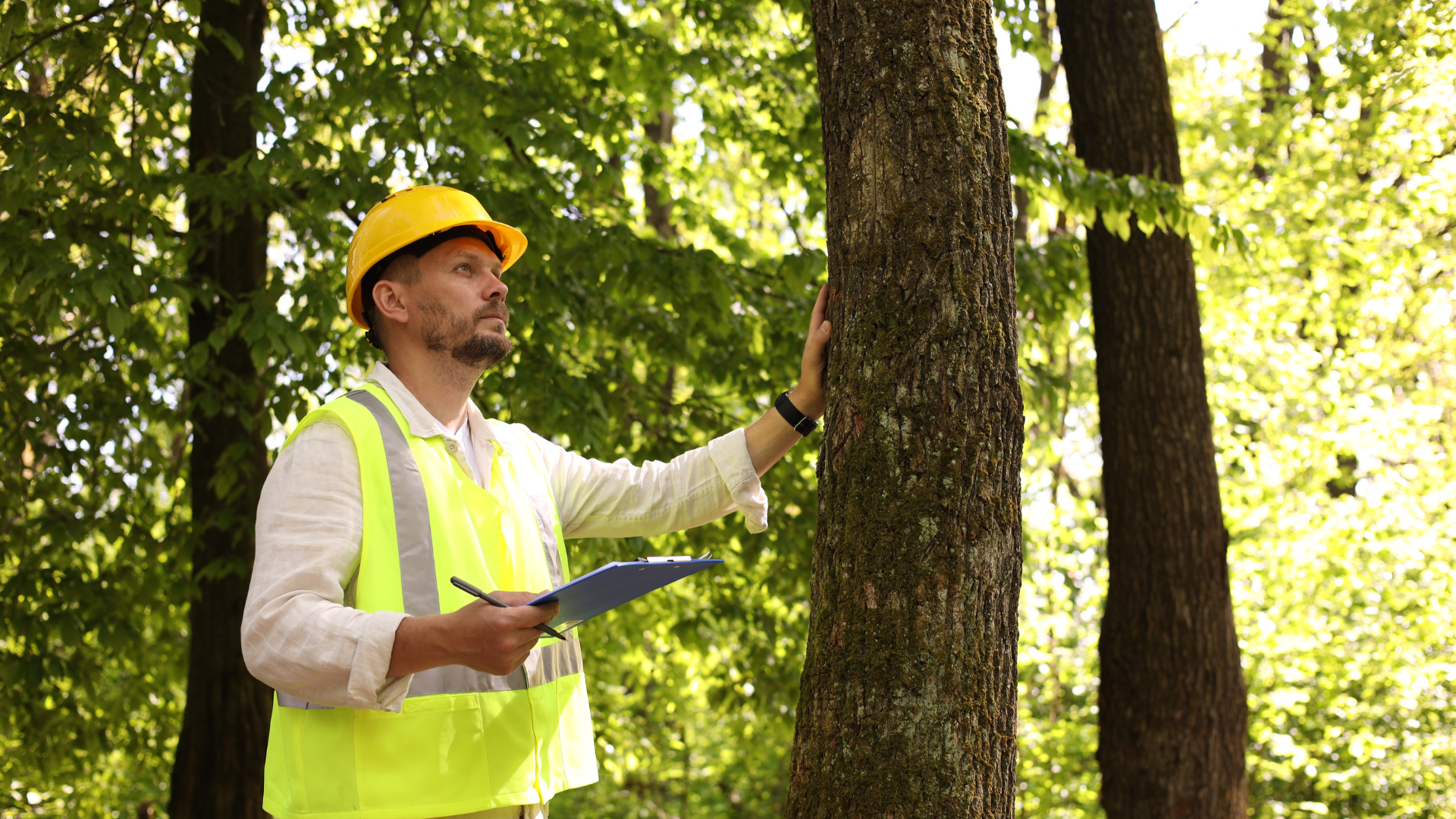
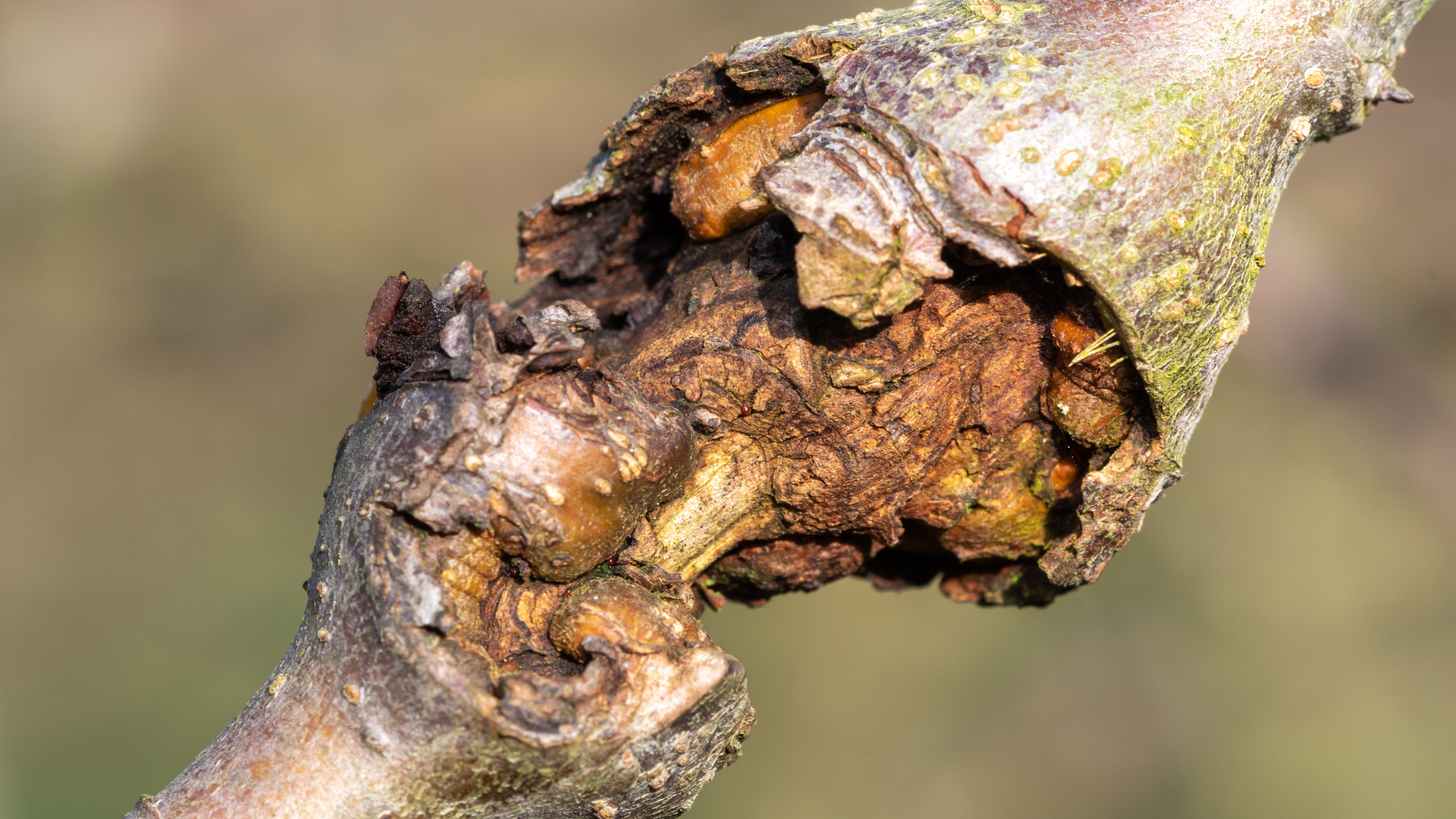
Large trees have extensive root systems, wide canopies, and significant internal weight. When a tree reaches a certain size, every cut affects the balance of the entire structure. If the tree is already weakened by disease, storm damage, or age, its internal stability may be unpredictable. Understanding how a tree will respond when sections are removed requires experience. Our team evaluates lean direction, trunk condition, canopy weight, and potential failure points before any work begins. This careful assessment prevents uncontrolled falls and reduces the risk of unpredictable movement.
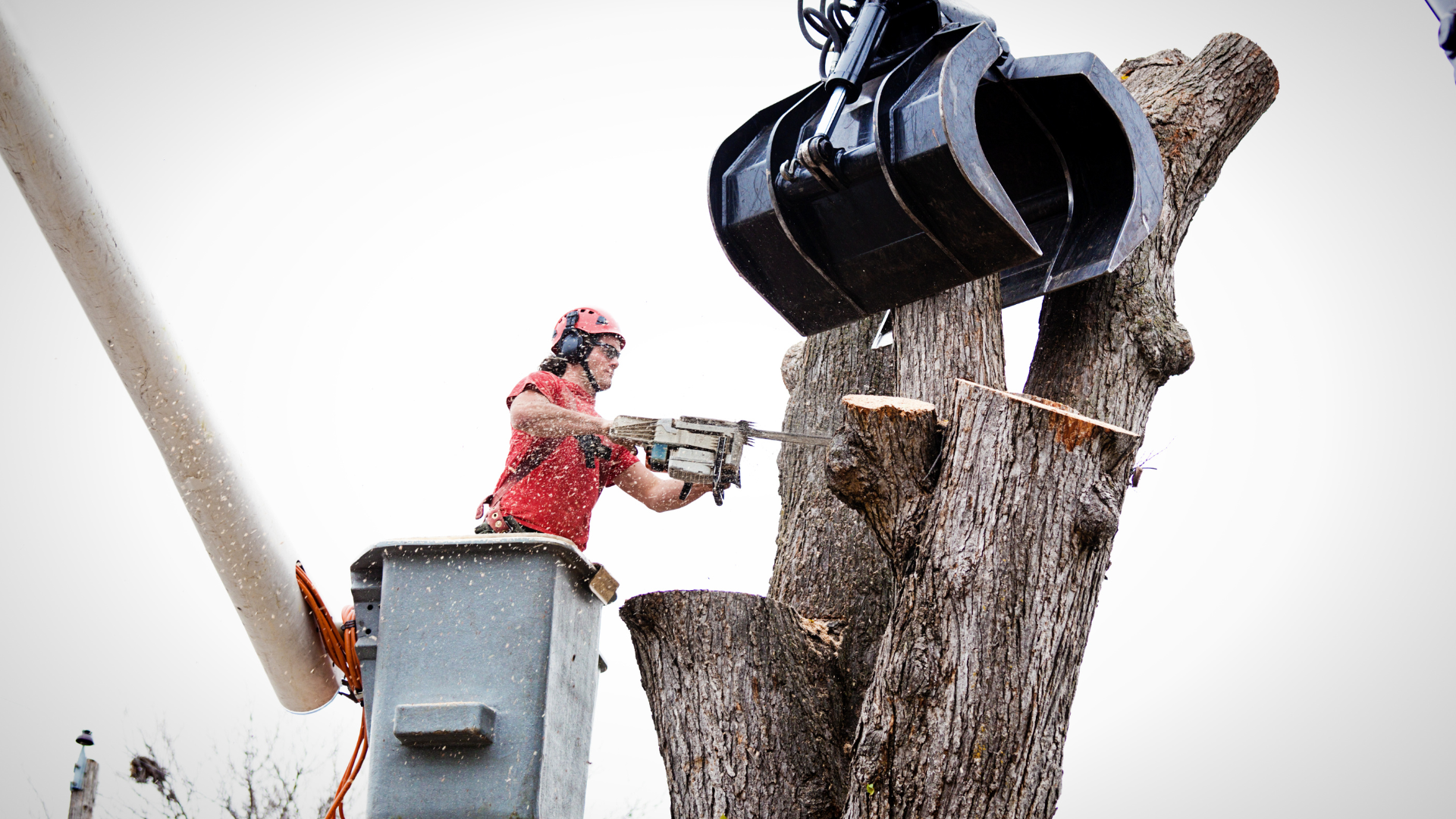
The Importance of Specialized Equipment
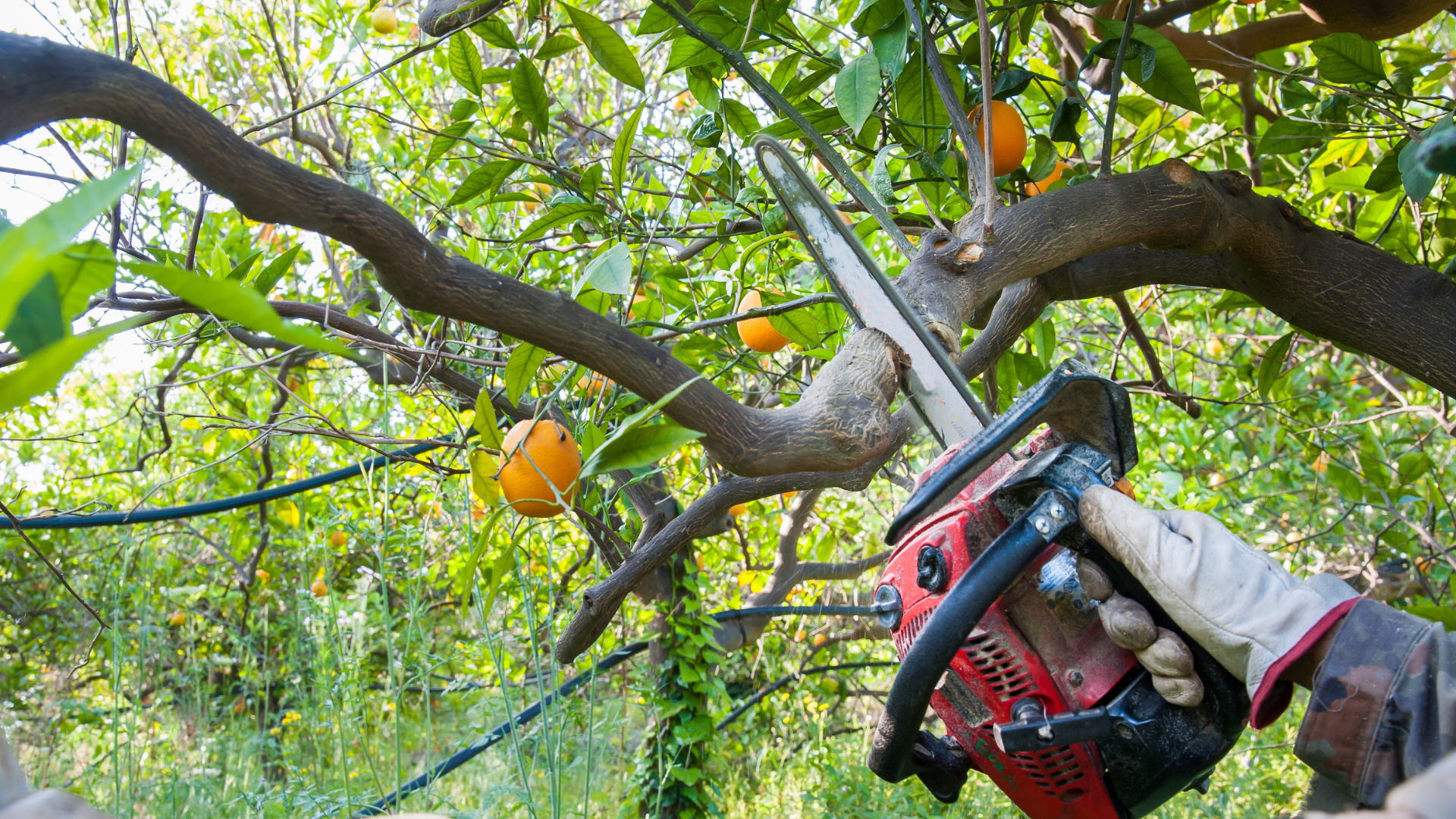
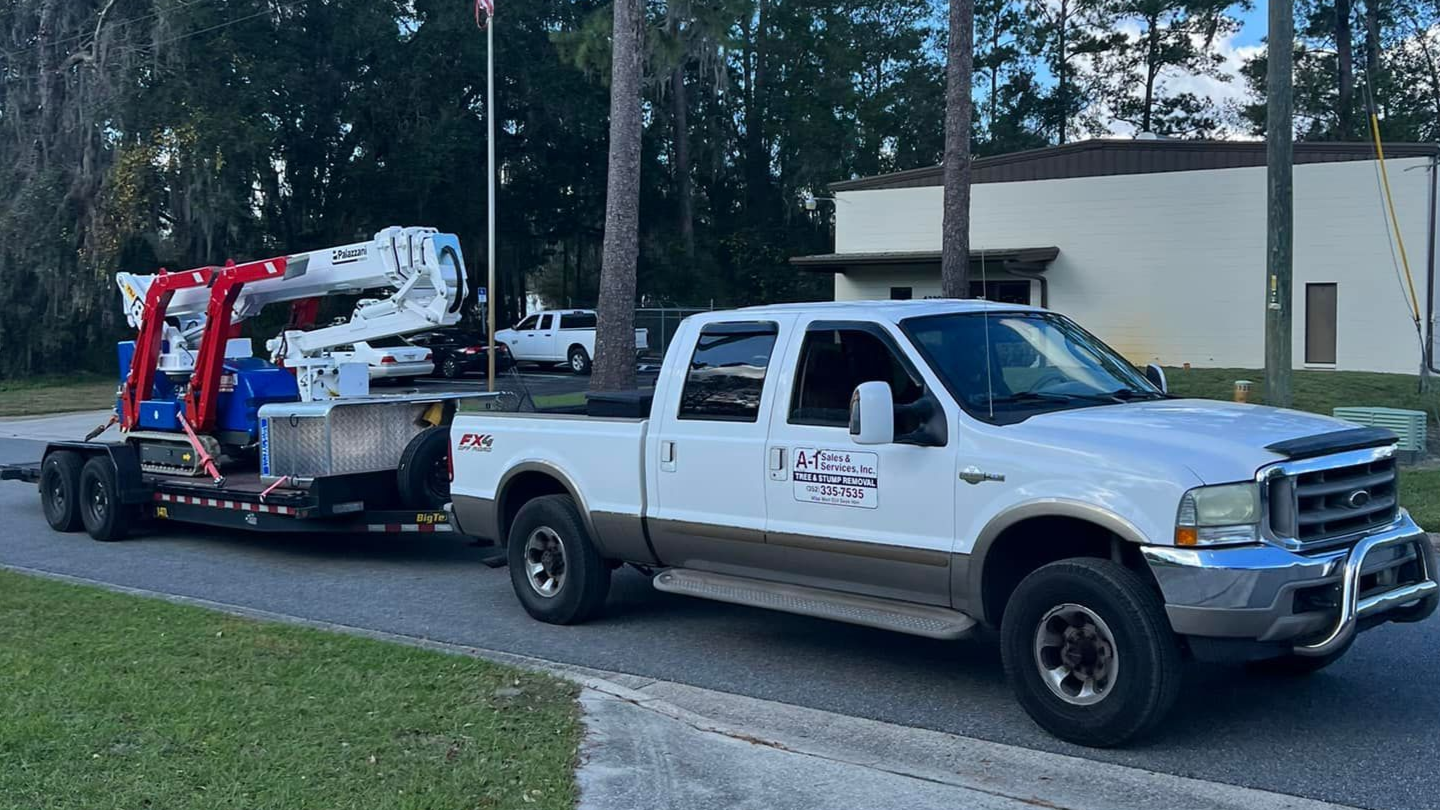
Large tree removals cannot be performed safely with basic tools. Professional removals require chainsaws of different sizes, climbing gear, rigging ropes, heavy duty harnesses, and sometimes cranes or bucket trucks. This equipment allows specialists to remove trees in sections rather than allowing the entire tree to fall at once. Controlled sectional removal is essential for trees located near homes, fences, garages, or power lines.
Using professional grade equipment without proper training is extremely dangerous. Our team is trained to manage the equipment carefully, maintain secure anchor points, and lower heavy sections of the tree safely to the ground. This level of control protects the property and keeps workers and homeowners safe throughout the process.
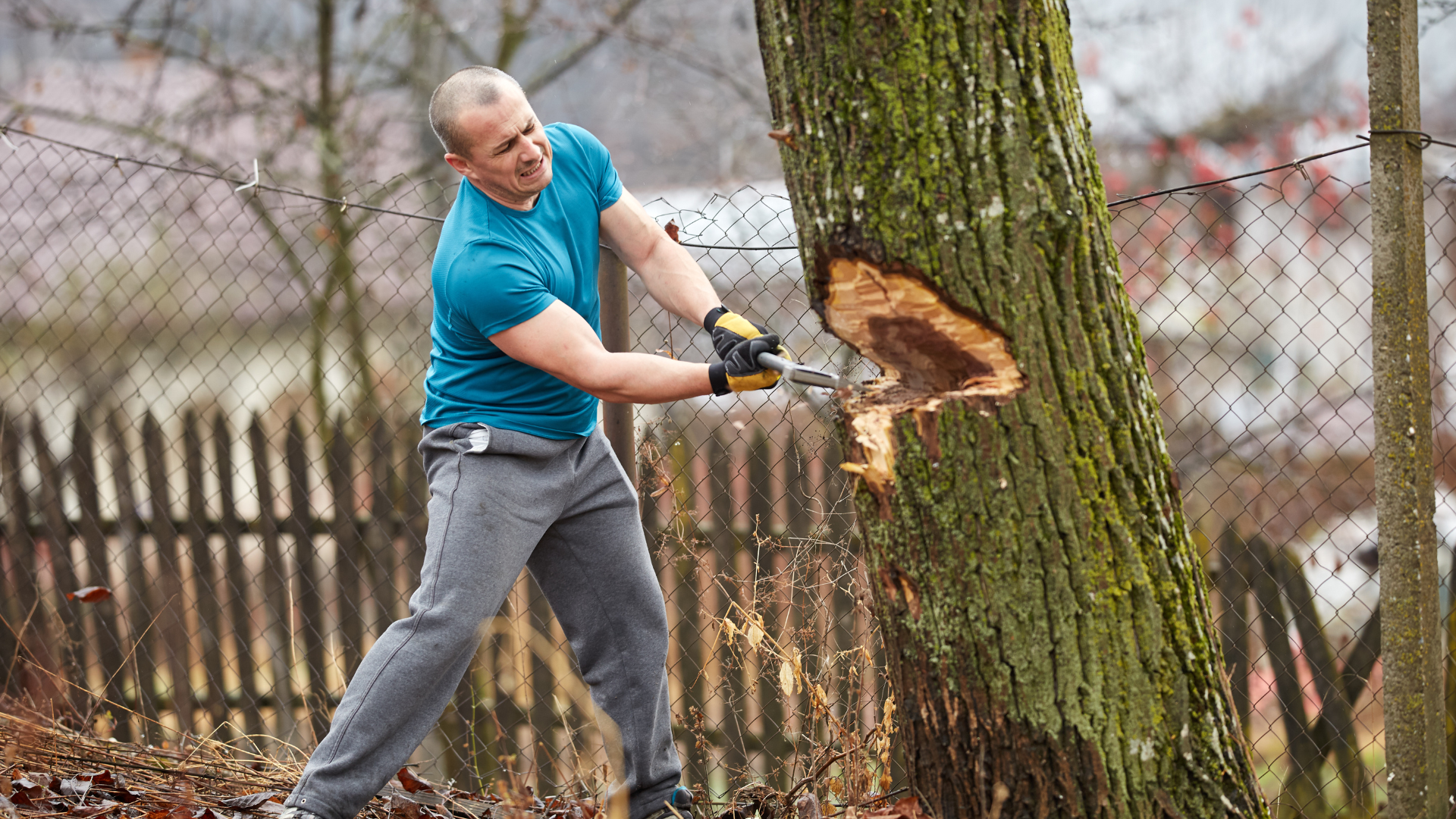
Safety Risks for Homeowners and Untrained Workers
Attempting to remove a large tree without proper training exposes homeowners and unqualified workers to a number of risks. Falling limbs are unpredictable and can cause severe injury. Trees can twist or roll unexpectedly once cuts are made, especially if the internal structure is compromised. In addition, climbing a large tree without proper training, harness systems, and communication procedures significantly increases the risk of falls.
Even cutting from the ground can be hazardous. Chainsaws require knowledge of kickback zones, cutting pressure, and safe operating angles. When used on unstable trunks or limbs, chainsaws can bind or recoil, putting the operator in harm’s way. Professional tree specialists spend years learning to anticipate these risks and avoid dangerous mistakes.
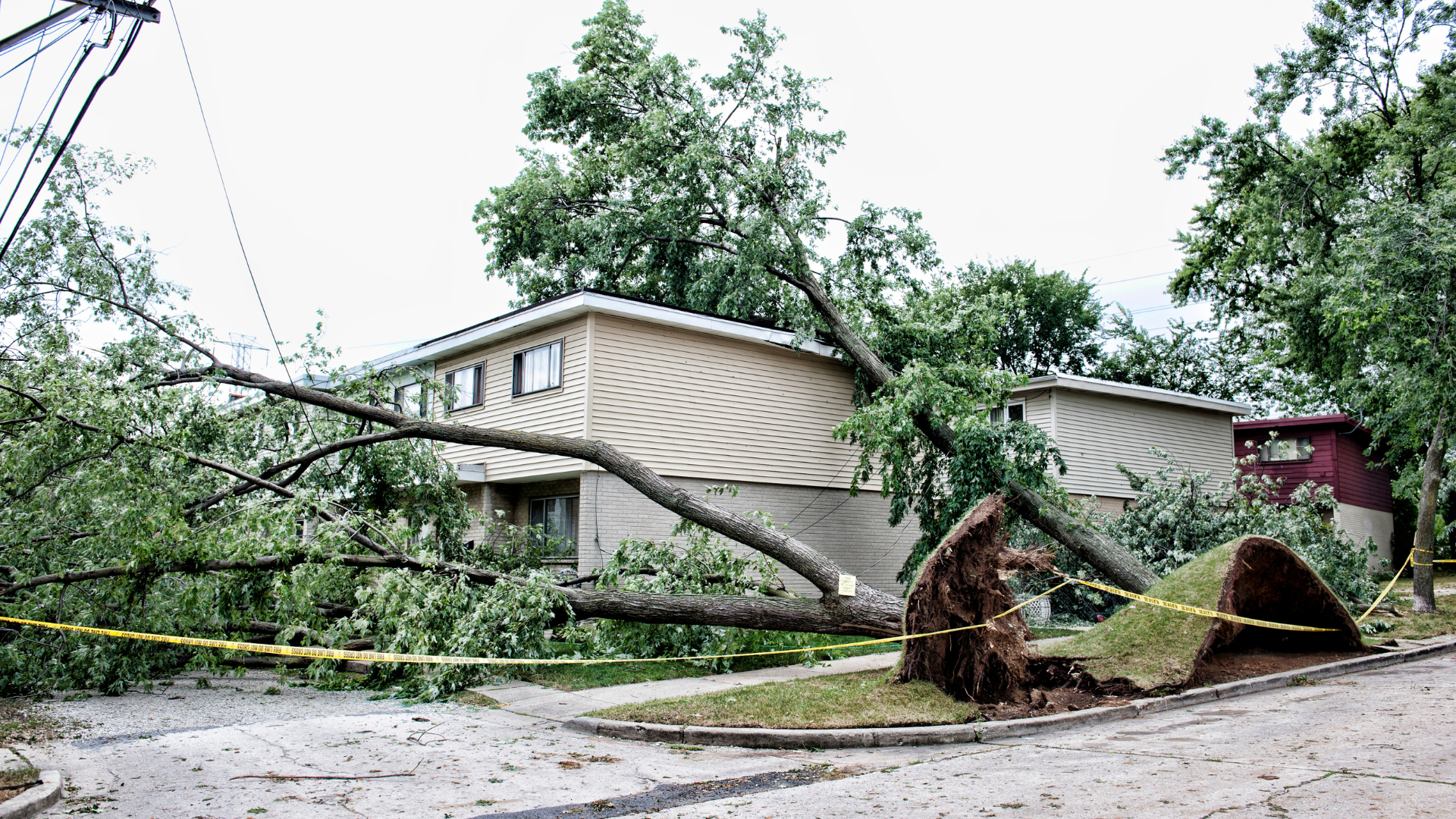
Protecting Nearby Structures and Landscaping
Large trees often grow close to homes, driveways, sheds, and other property features. When a large branch or trunk section falls unexpectedly, it can cause serious damage. Landscaping can also be affected if heavy sections crush shrubs, lawns, or garden structures.
By using ropes, pulleys, and sectional dismantling techniques, our specialists control every stage of the removal. We lower branches carefully, preventing damage to the property and reducing the need for costly repairs or invasive cleanup. This level of precision is difficult to achieve without professional training and the right equipment.
Preventing Damage to Underground Utilities
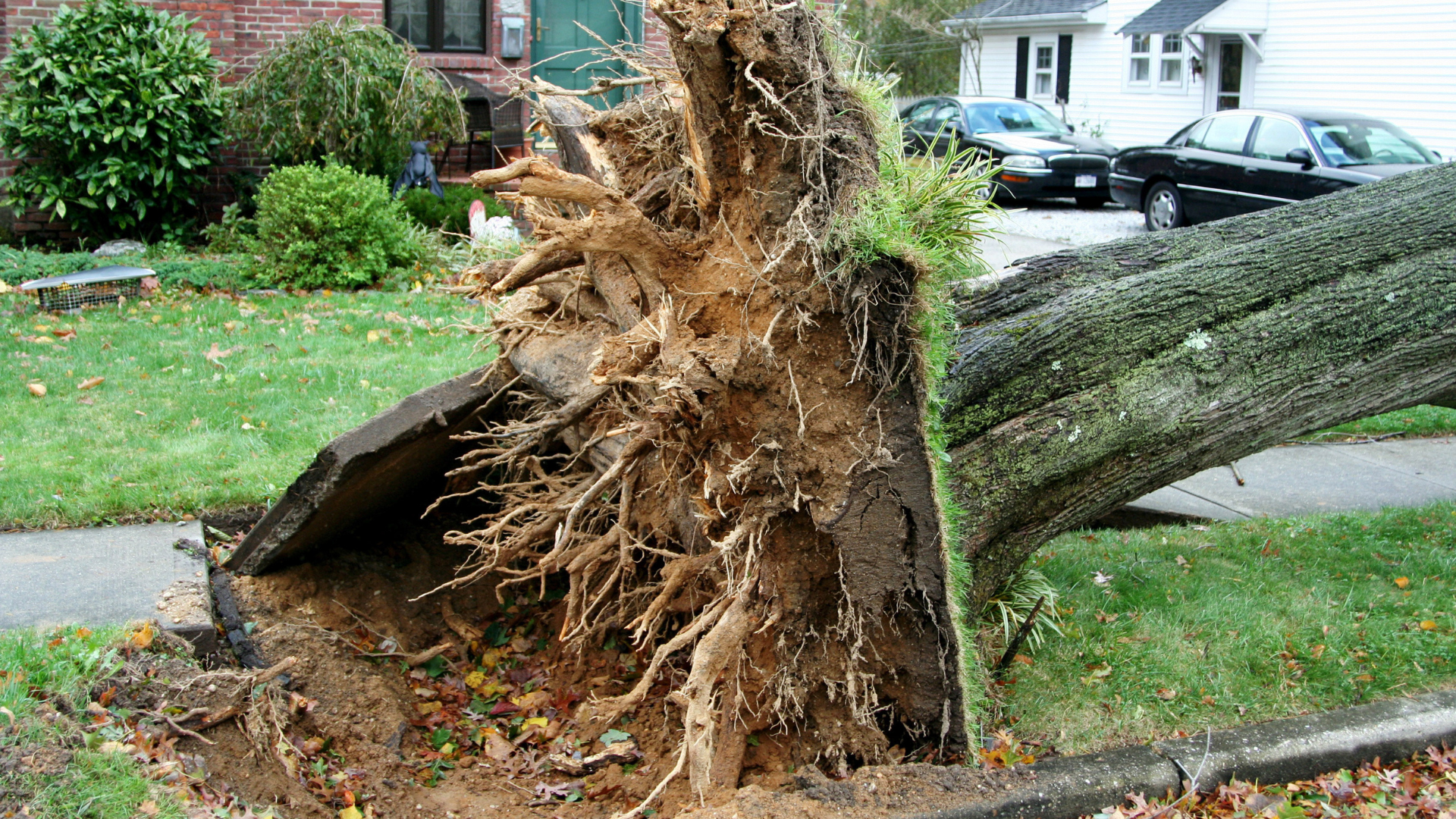
Large tree roots often grow near underground utility lines, sprinkler systems, or drainage structures. When a large tree is removed improperly, the root system can cause disruptions or damage. Professional tree specialists evaluate underground structures before beginning the removal process and take steps to avoid disturbing essential utilities.
Ensuring Complete Removal and Safe Cleanup
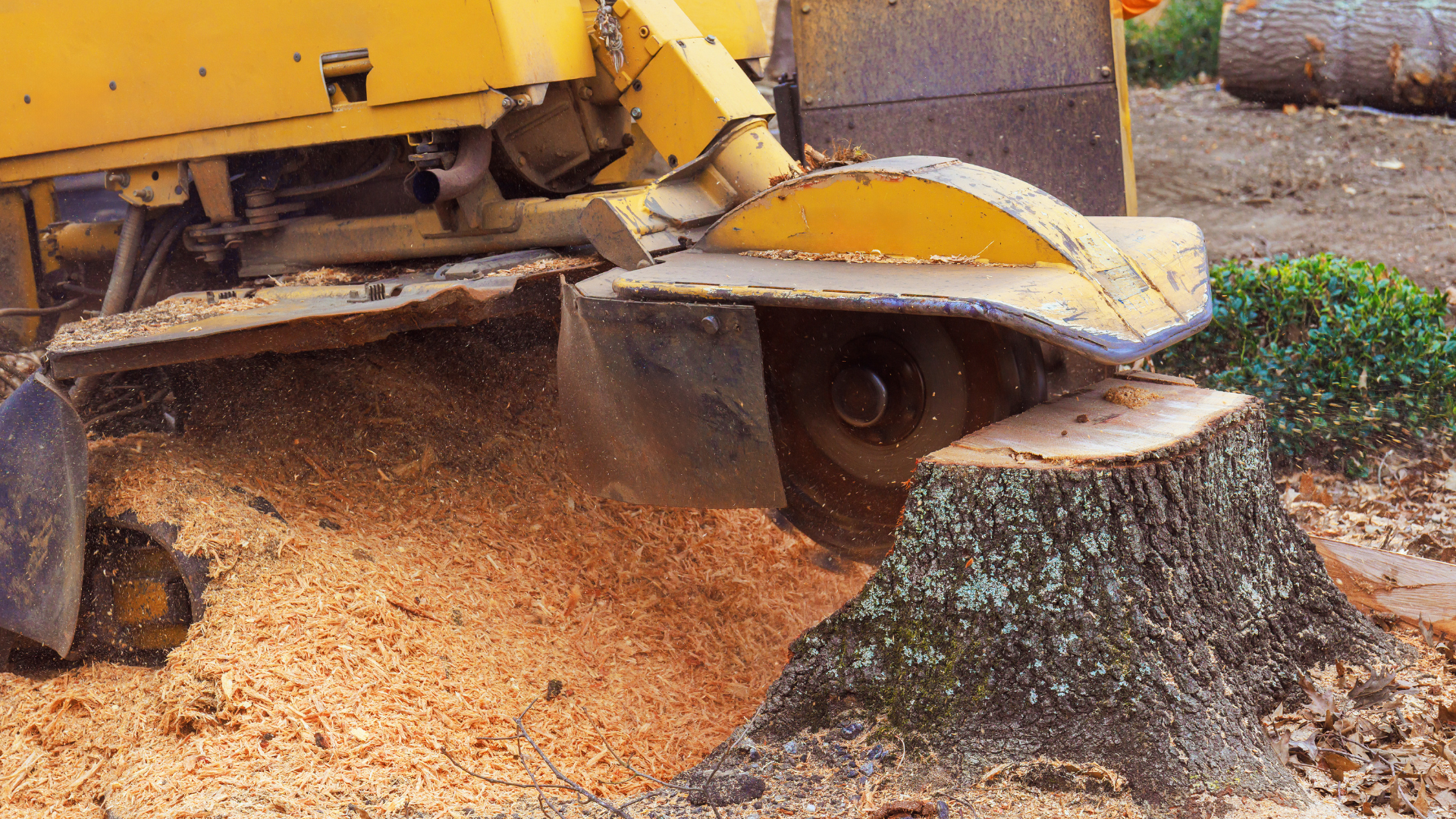
Removing a large tree is not finished when the trunk is cut down. The site must be cleared safely, debris must be processed, and stump removal may be necessary to prevent regrowth or pest problems. Our team handles all stages of removal, from cutting and lowering branches to grinding stumps and clearing debris. This ensures a safe, clean, and usable outdoor space when the job is complete.
Creating a Safer Property Through Professional Care
Large tree removals are tasks that require expertise, careful planning, and the right equipment. When handled by trained specialists, the process is safe, controlled, and respectful of the surrounding property. At Midwest Tree Surgeons, we are committed to providing professional removal services that protect our customers and ensure a thoughtful approach to every project. When a large tree becomes a hazard or needs to be removed, professional care offers the safest and most reliable path forward.