Tree Pruning Myths That Could Harm Your Landscape

August 20, 2025

Pruning is one of the most important aspects of tree care. When done correctly, it improves the health, safety, and appearance of your trees. However, when done poorly or based on incorrect assumptions, it can cause lasting damage. At Midwest Tree Surgeons, we often encounter homeowners who have heard common myths about pruning that could put their trees at risk. By understanding these misconceptions, you can make better choices for your landscape.
Myth 1: Topping a Tree Helps Control Growth

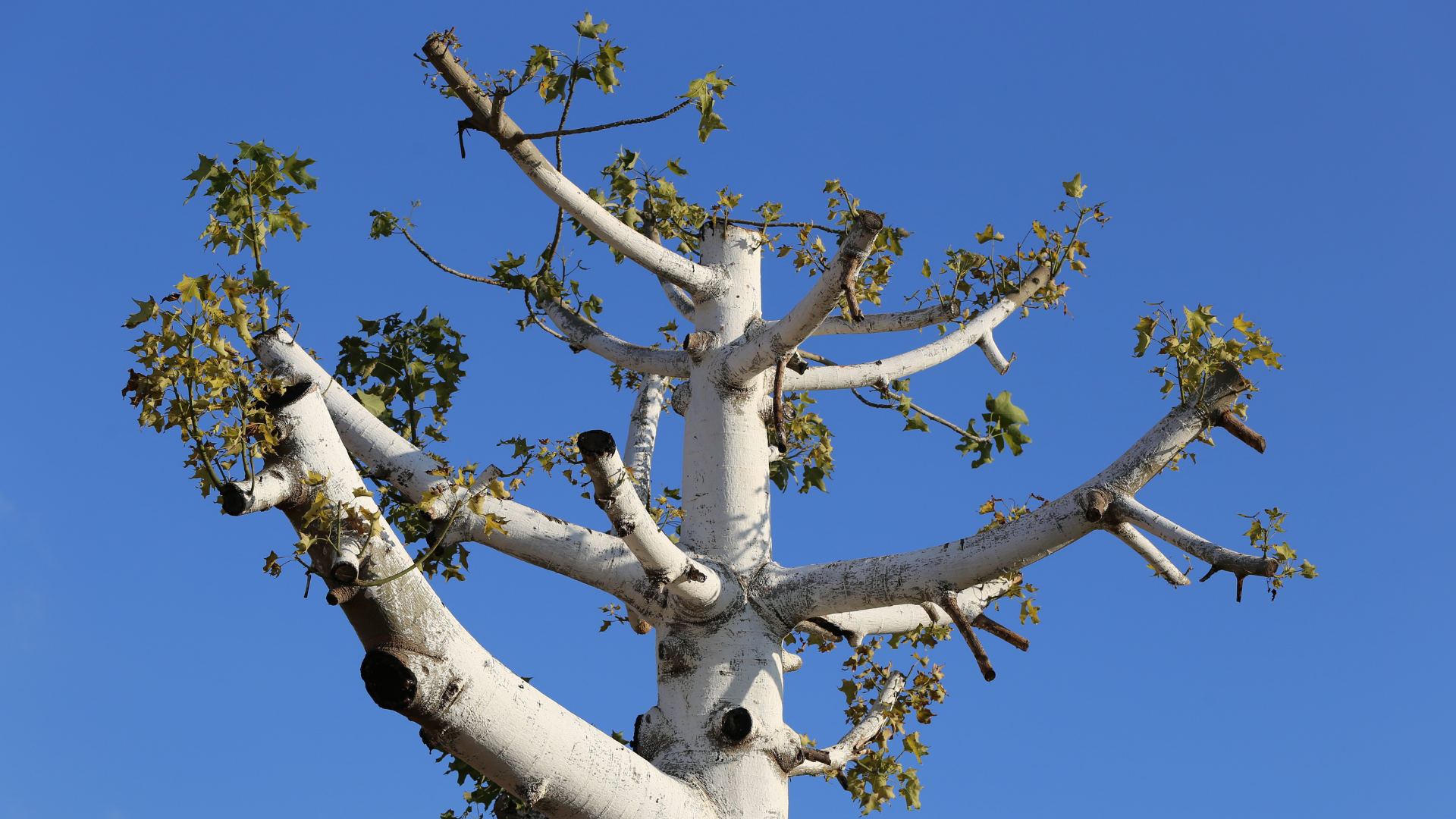
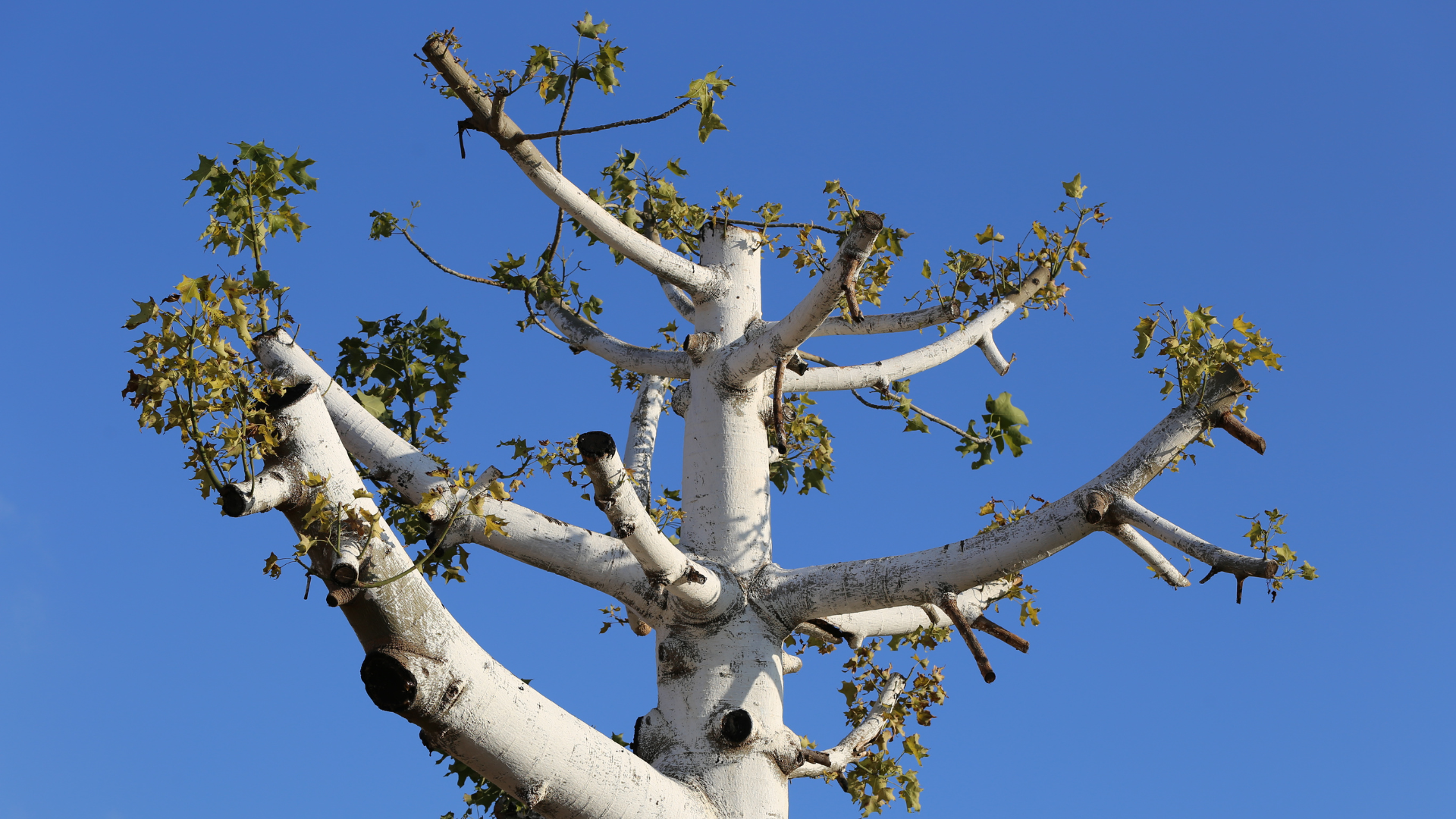
One of the most persistent myths is that topping, or cutting off the top of a tree, is a safe way to reduce height. In reality, topping severely damages the tree by removing its main branches and exposing large areas of bark. This leads to decay, weak regrowth, and in many cases, early tree death. The practice also increases the risk of falling limbs because the new shoots that emerge after topping are poorly attached. Proper crown reduction performed by a professional is a much safer and healthier way to manage tree size.


Myth 2: Trees Can Be Pruned at Any Time of Year

It may seem convenient to prune whenever you notice a branch that looks out of place, but timing matters. Pruning during the wrong season can stress the tree, leave it vulnerable to pests, or prevent it from healing properly. For most species, late winter or early spring is ideal because the tree is dormant, and wounds will heal quickly when growth resumes. Summer pruning can also be beneficial in certain cases, but it is always best to consult with professionals who know the growth cycles of different species.

Myth 3: Sealants Are Necessary After Every Cut

Decades ago, it was common practice to apply paint or tar to pruning cuts with the idea that it would prevent infection. Research has since shown that trees naturally form callus tissue to seal wounds, and adding chemicals can actually trap moisture and promote decay. The healthiest approach is to make clean cuts at the correct angle and allow the tree to heal naturally.


Myth 4: Removing Large Limbs Will Not Harm the Tree

Sometimes homeowners believe they can remove large branches without consequence. While it may seem like a simple fix, removing major limbs creates large wounds that are difficult for the tree to close. This leaves the tree open to pests and decay. If large branches truly must be removed, the cut should be made carefully to avoid tearing the bark, and the overall balance of the canopy should be preserved.


Myth 5: Pruning Encourages Faster Growth

Many assume that pruning stimulates growth in the same way trimming a hedge does. While pruning can redirect energy to other parts of the tree, excessive or improper cuts often stunt growth instead of encouraging it. Over-pruning removes the leaves that trees need for photosynthesis, limiting their ability to create energy. The result is often a weaker, less resilient tree.
The Right Way to Prune

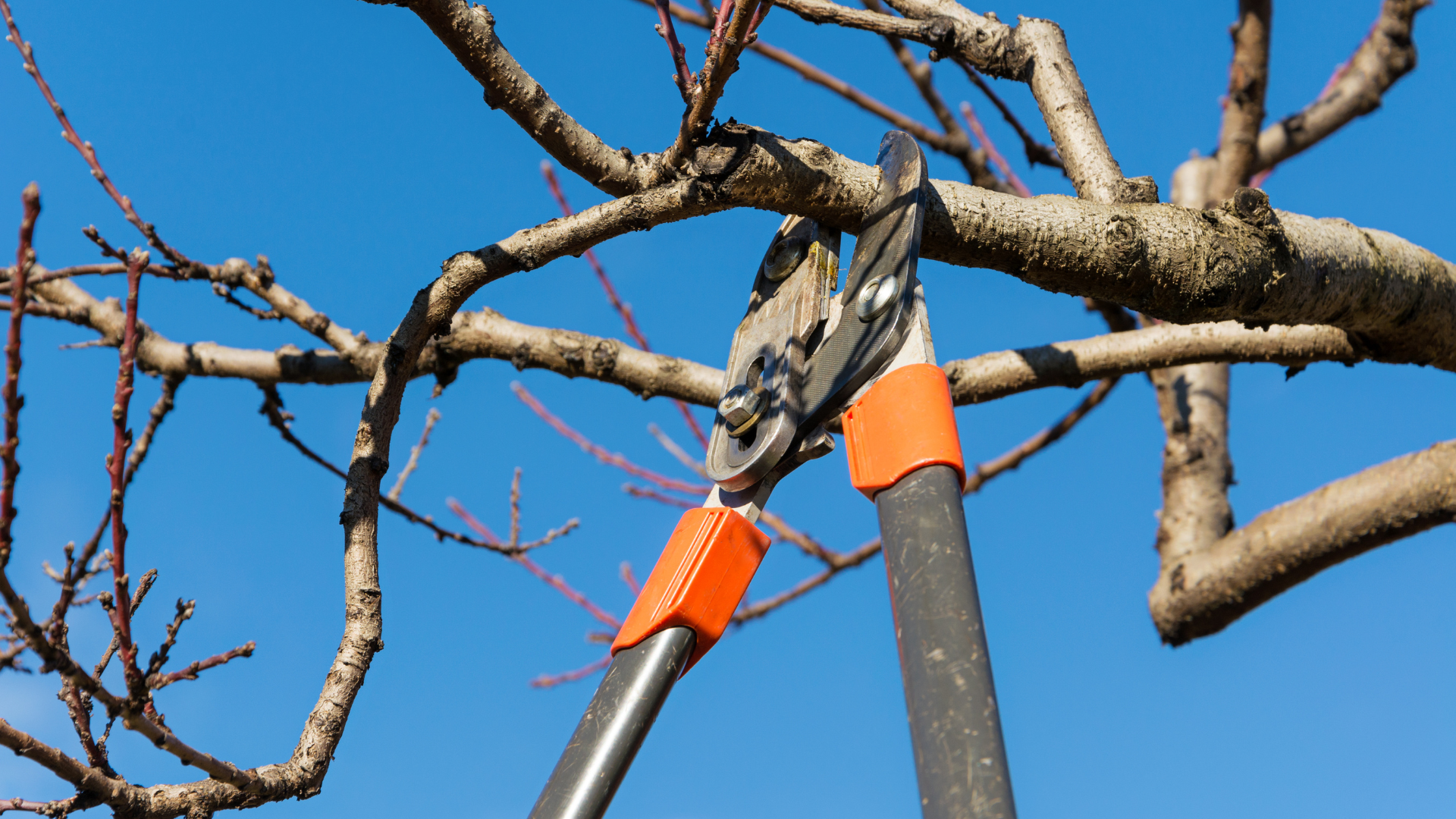
Pruning is both a science and an art. It requires an understanding of tree biology, growth patterns, and structural integrity. Professional arborists use precise techniques to:

  • Remove diseased or damaged branches without stressing the tree

  • Improve air circulation and light penetration

  • Shape the tree while maintaining its natural form

  • Prevent hazards by eliminating weak or crossing branches

By trusting trained experts, you can ensure that your trees receive the care they need without the risks associated with common myths.
Why Professional Pruning Matters

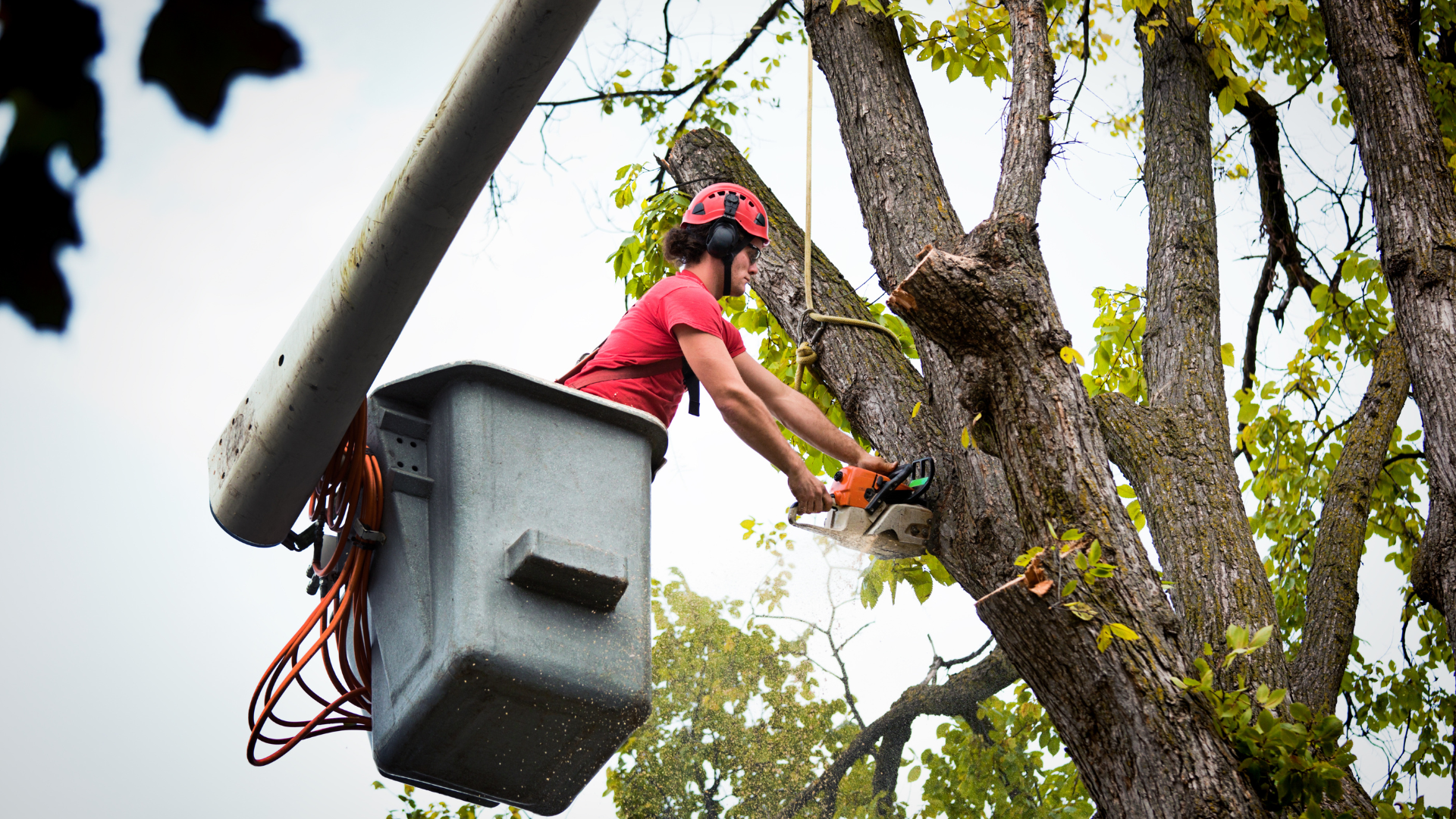
DIY pruning may save money in the short term, but the long-term damage caused by improper cuts can be costly. Trees are valuable assets to your property, adding beauty, shade, and even increasing home value. Professional pruning protects that investment while reducing the risk of accidents or tree loss.

At Midwest Tree Surgeons, we approach every pruning project with precision and care. Our team understands the myths that often mislead homeowners and replaces them with proven practices that keep trees strong and landscapes thriving.


Final Thoughts

Tree pruning is essential, but it must be done correctly. By avoiding myths such as topping, unnecessary sealants, or year-round trimming, you can preserve the health and beauty of your trees. Partnering with experienced professionals ensures your landscape remains safe, vibrant, and ready to flourish for years to come.
February 4, 2026
Construction projects often focus on what is being built, but the impact on existing trees is frequently overlooked. Whether the work involves a home addition, driveway replacement, utility installation, or commercial development, construction activity can place significant stress on mature trees . Understanding how these projects affect trees helps property owners protect valuable landscape assets and avoid long term safety and health issues.
January 29, 2026
Major weather changes can place significant stress on trees, even when no obvious damage is visible. In the Midwest, trees regularly experience rapid shifts in temperature, heavy rain, high winds, ice, snow, and freeze-thaw cycles. While trees are resilient by nature, these conditions can weaken their structure and health over time.  Evaluating tree health after major weather events is an important step in protecting both the trees themselves and the surrounding property.
January 21, 2026
Trees add beauty, shade, and value to a property, but they also carry responsibility. When a tree fails and causes damage or injury, homeowners are often surprised to learn that liability can become a serious issue. Understanding how tree failure occurs and how responsibility is determined helps property owners take proactive steps to protect both people and property.
January 15, 2026
As winter fades and warmer temperatures return, spring becomes one of the most important seasons for proactive tree care. Trees begin a new growth cycle , pests become active, and issues that developed during winter storms or freezing conditions often start to reveal themselves. Planning ahead for spring tree care helps protect tree health, improve safety, and set the stage for strong growth throughout the year.
January 7, 2026
Deadwood accumulation is one of the most common and overlooked safety concerns in mature trees. While a tree may appear healthy at a glance, dead branches within the canopy can present serious risks to people and property below. At Midwest Tree Surgeons, we frequently encounter situations where deadwood has gone unnoticed until it causes damage or creates a dangerous condition. Understanding how deadwood develops and why it poses increasing hazards over time is essential for responsible property ownership.
December 30, 2025
The start of a new year is a natural time to think about safety, preparedness, and long term planning for your property. Many homeowners focus on interior projects or general maintenance goals, but one of the most important aspects of property safety is often overlooked. Tree care plays a critical role in protecting homes, vehicles, and the people who live there. At Midwest Tree Surgeons, we encourage property owners to make tree care part of their New Year planning.
December 26, 2025
The Christmas season is often associated with reflection, preparation, and planning for the year ahead. While many homeowners focus on indoor projects or holiday travel, winter is also an important time to think about the health and safety of trees on the property. At Midwest Tree Surgeons, we frequently see that proactive winter planning helps homeowners enter the new year with greater peace of mind and fewer unexpected tree related concerns.
December 16, 2025
In the Midwest, trees are exposed to some of the most challenging seasonal conditions in the country. One of the most significant stressors is the repeated freeze and thaw cycle that occurs from late fall through early spring. While trees are naturally adapted to cold weather, fluctuating temperatures can place considerable strain on their structure, root systems, and overall health. At Midwest Tree Surgeons, we regularly assess trees that have been impacted by these seasonal shifts and help property owners understand how freeze and thaw patterns affect long term tree stability.
December 9, 2025
Drought conditions place significant strain on trees, even in landscapes that typically receive adequate rainfall. When moisture becomes scarce, trees begin to redirect their energy toward survival rather than growth. This shift may create visible and invisible stress signals that, if ignored, can lead to long term decline or structural weakness. At Midwest Tree Surgeons, we help homeowners understand how drought affects tree health and what proactive steps can protect valued landscape trees before the damage becomes severe.
December 3, 2025
Trees provide shade, beauty, privacy, and environmental benefits, but they also require proper care to remain healthy and structurally safe. Many homeowners do not realize how complex tree care can be or how significantly improper techniques can affect long term tree health. When individuals attempt to handle tree work on their own or hire someone without professional training, the risk of property damage, personal injury, and irreversible harm to the tree increases considerably. Hiring certified tree professionals ensures that every aspect of tree care is handled with precision, safety, and long term health in mind.
More Posts