Tree Dismantling vs. Tree Removal: What’s the Difference?
When it comes to managing trees on your property, understanding the difference between tree dismantling and tree removal is crucial. Both services play an important role in maintaining the safety and health of your landscape, but they’re not the same. Whether you’re dealing with a hazardous tree, a storm-damaged limb, or just want to clear space for a new project, knowing the right option for your needs can save time, money, and effort.
In this guide, we’ll break down the differences between tree dismantling and tree removal, the processes involved in each, and how to choose the best service for your situation. By the end of this post, you’ll be equipped with the knowledge to make informed decisions about your tree care needs.
What is Tree Removal?
Let’s start by clarifying tree removal . Simply put, tree removal is the complete process of cutting down and removing an entire tree from your property. This service is often necessary when a tree is damaged, dead, or poses a danger to people, structures, or utilities.
Tree removal can be done for various reasons, including:
- Dead or Diseased Trees
: When a tree becomes diseased or has died, it may become structurally unstable. This can make it a danger to the surrounding environment, especially in windy conditions.
- Tree Falling Risk
: Trees that are leaning or have weak branches can become a significant hazard, especially if located near power lines, buildings, or high-traffic areas.
- Space Clearing
: If you’re planning construction, landscaping, or other projects, tree removal is often a necessary step to make room for new developments.
In general, tree removal is a straightforward process: a tree is felled, cut into manageable pieces, and removed. Afterward, the stump may need to be addressed through tree stump removal or stump grinding services. Some companies offer both services, ensuring that your property is left clear and clean.
What is Tree Dismantling?
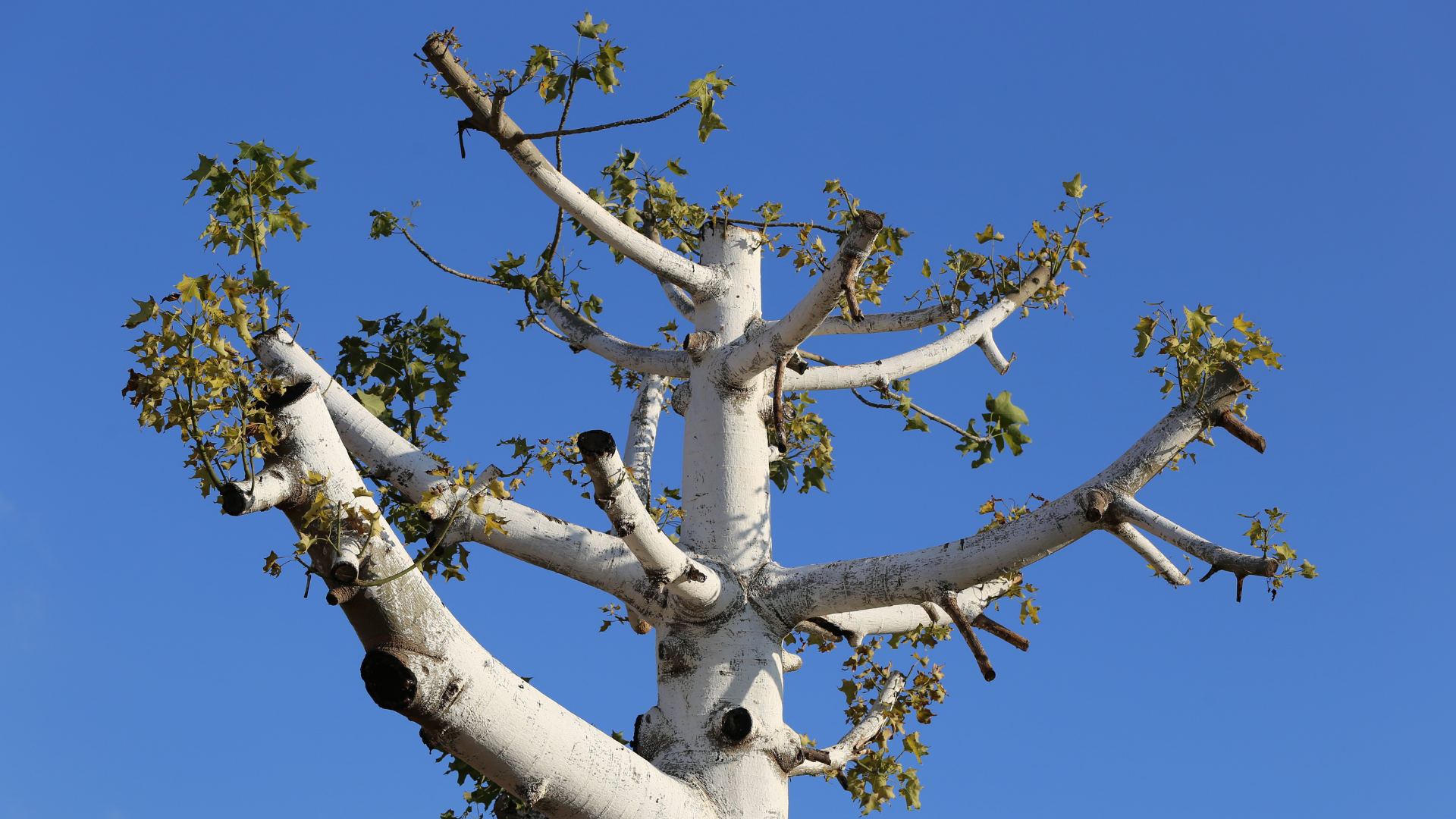
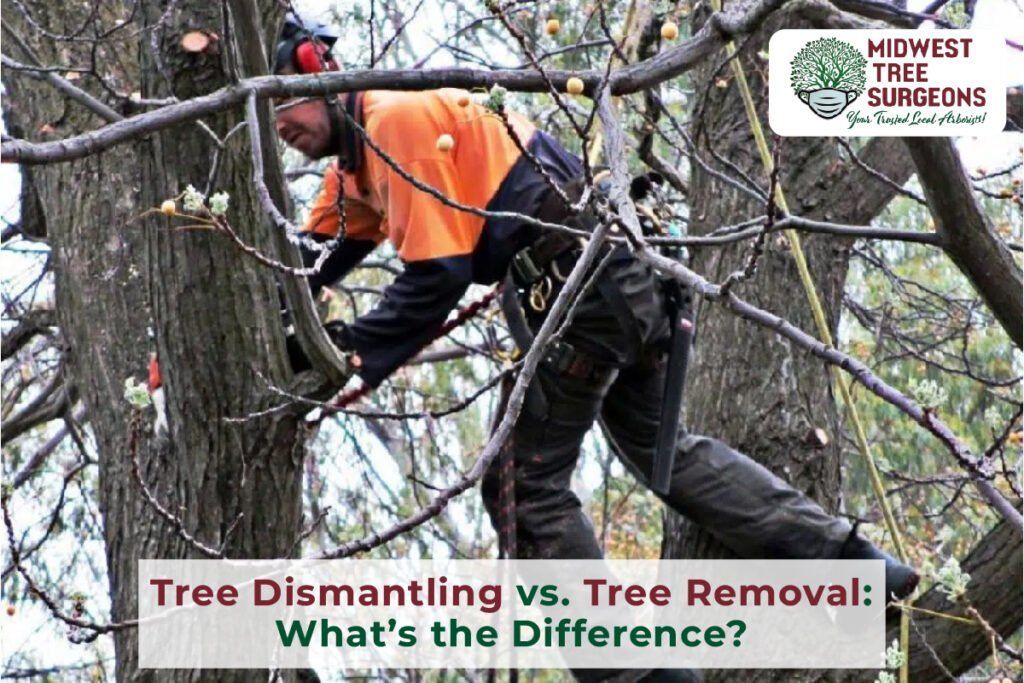
Now, let’s explore tree dismantling . While it might sound similar to tree removal, the process is a bit more intricate. Tree dismantling refers to the careful, step-by-step process of removing a tree piece by piece, rather than felling it all at once. This method is typically used for trees that are located in tight spaces, near structures, or in areas where felling the tree in a single motion could pose a risk to property or safety.
Tree dismantling often involves the following steps:
- Aerial Tree Removal
: In this case, professionals use aerial lifts, ropes, and harnesses to carefully cut and lower tree limbs from the top down. This method minimizes risk and ensures that the tree is dismantled in a controlled manner.
- Tree Limb Removal
: This step involves removing individual branches before taking down larger parts of the tree. By doing so, professionals can avoid damage to surrounding structures, power lines, or other trees.
- Disposal
: Once the tree is dismantled, the pieces are removed from the area and properly disposed of, either by chipping, mulching, or hauling away.
Tree dismantling is often the preferred method for trees located in urban or residential settings, where space is limited, or the tree is near valuable structures. If your tree is in a tight spot and you need to minimize risk, safe tree dismantling is the way to go.
When Should You Choose Tree Removal?
While tree dismantling is an excellent choice in many situations, tree removal may still be your best option in certain cases. Here are some scenarios where tree removal is the right choice:
- Tree in Open Space
: If the tree is located in a large open area and poses no immediate threat to structures or people, tree removal
is typically more cost-effective and quicker.
- Tree Removal for Landscaping
: When you’re clearing space for a construction project or want to remove a tree to create a better landscape layout, full tree removal
is often necessary.
- Overgrown Trees
: In cases where a tree has grown too large or is structurally unstable, tree removal
is essential to prevent safety hazards, especially in high-wind conditions.
If the tree is located in an area where the removal can be done safely without much concern for nearby structures, tree removal can often be the simplest and most efficient solution.
When Should You Choose Tree Dismantling?
On the other hand, tree dismantling is often the best choice when the tree is in a tight or risky spot. Here are a few examples of when tree dismantling might be the right service:
- Near Structures
: If the tree is located near buildings, power lines, or fences, tree dismantling
allows for precise removal, reducing the risk of damage.
- Tight Spaces
: In urban settings or smaller yards where felling a tree may cause collateral damage, dismantling piece by piece is safer.
- Hazardous Conditions
: Trees that are leaning or damaged in ways that make them unstable might need to be dismantled carefully to avoid accidents.
In these cases, aerial tree removal methods or ropes can be used to lower tree limbs to the ground safely, ensuring minimal disruption to your landscape.
The Costs of Tree Dismantling vs. Tree Removal
One important consideration when choosing between tree dismantling and tree removal is cost. Tree removal is generally less expensive than tree dismantling because it’s a simpler process. Removing an entire tree at once is usually quicker and requires fewer specialized tools or techniques.
However, if your tree is in a complicated location or needs special care to avoid damage to your property, tree dismantling can be more expensive. The costs of aerial tree removal, labor-intensive limb removal, and increased time needed for safe dismantling often drive the price up.
While the upfront cost of tree dismantling may be higher, it can be a more cost-effective solution in situations where tree removal could cause significant damage or pose safety risks.
Choosing the Right Service for Your Property
So, how do you choose between tree removal and tree dismantling for your property? Here are some tips:
- Consider the Tree’s Location
: If the tree is located in an open area with no immediate hazards, tree removal
is likely the best choice. If it’s close to buildings, power lines, or other structures, tree dismantling
may be required.
- Evaluate the Size and Condition
: Smaller, healthy trees may not need dismantling. However, large or hazardous trees that are diseased or damaged should be dismantled carefully to prevent injury or property damage.
- Assess Your Budget
: While tree removal
is usually cheaper, consider the long-term cost of potential damage. Sometimes, paying a little more for safe tree dismantling
can prevent expensive repairs down the road.
- Consult a Professional Arborist
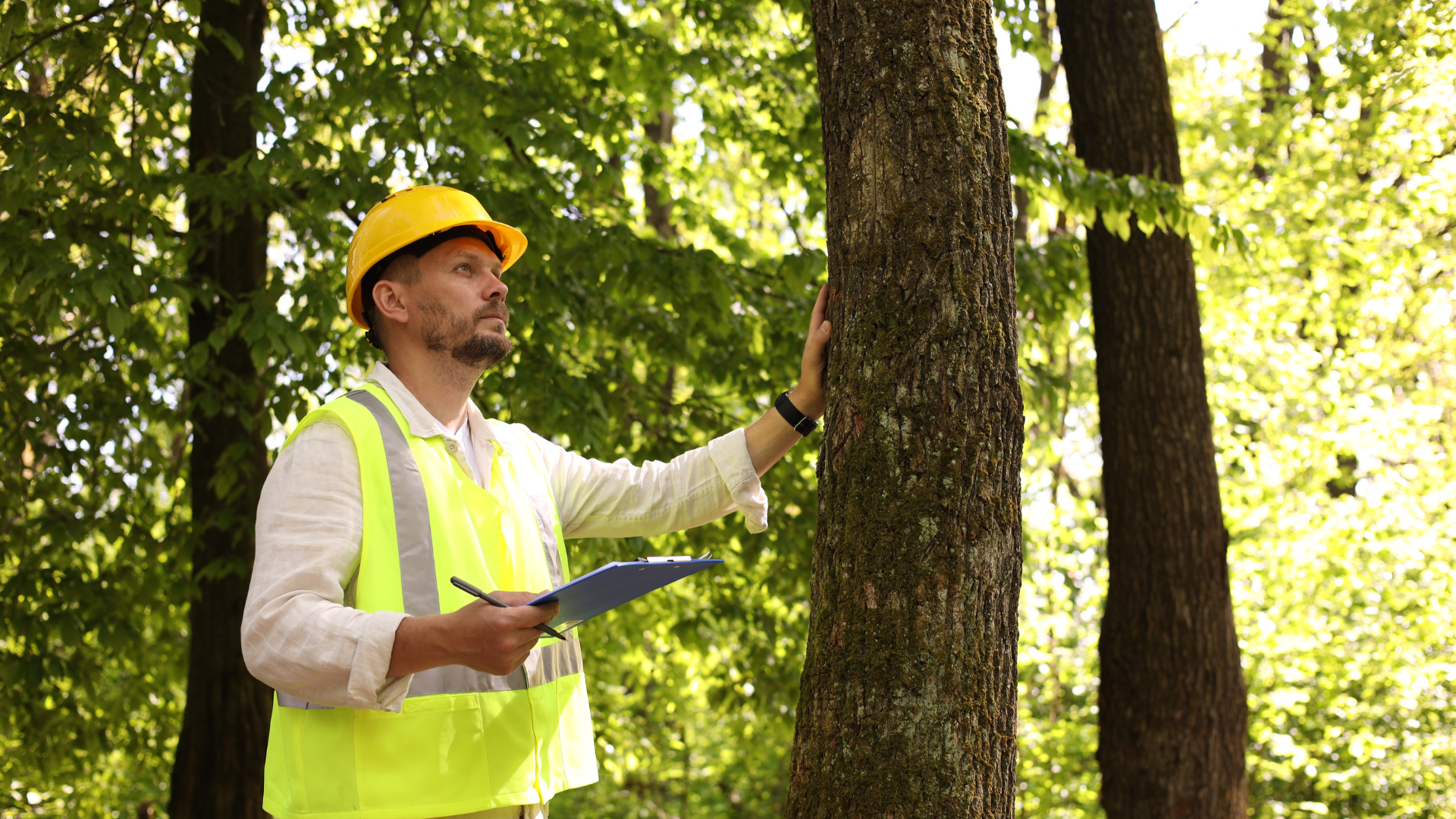
: If you’re unsure about the best course of action, don’t hesitate to reach out to a certified arborist. They can assess the situation and help you decide whether tree removal
or tree dismantling
is the best fit for your needs.
FAQs
1. Can tree dismantling be done without damaging property?
Yes, tree dismantling is a controlled process that allows for the safe removal of tree limbs and the tree itself, reducing the risk of property damage.
2. How long does tree dismantling take?
The duration depends on the size and complexity of the tree. Typically, tree dismantling
can take longer than tree removal because of the careful, piece-by-piece process.
3. Is tree removal or dismantling better for large trees?
For large trees, tree dismantling
is usually the best choice if the tree is near structures. Tree removal
is ideal for trees in open spaces without immediate risks.
4. Do I need a permit for tree removal or dismantling?
In some areas, permits are required for tree removal, especially for larger or protected trees. It’s best to check with your local municipality before scheduling either service.
Final Thoughts
Choosing between tree dismantling and tree removal depends on several factors, including the tree’s location, size, and condition. While tree removal is simpler and more cost-effective in many cases, tree dismantling offers the precision and safety needed for trees in tight or risky spaces. Always consult with a professional arborist to assess your options and ensure that you choose the right service for your property’s needs.
The post Tree Dismantling vs. Tree Removal: What’s the Difference? appeared first on Midwest Tree Surgeons LLC.