The Environmental Benefits of Professional Tree Care

September 3, 2025

Trees are among the most valuable natural resources in our communities. They provide shade, improve air quality, and support wildlife. Yet many homeowners overlook the importance of professional tree care in preserving these benefits. At Midwest Tree Surgeons, we believe that taking care of trees is not only about maintaining curb appeal or preventing hazards, but also about protecting the environment. Professional tree care contributes directly to healthier ecosystems and a more sustainable future.

Cleaner Air Through Healthier Trees

One of the most well-known benefits of trees is their ability to improve air quality. Trees absorb carbon dioxide and release oxygen, while also filtering out harmful pollutants such as ozone, nitrogen oxides, and particulate matter. However, stressed or diseased trees cannot perform these functions effectively. Professional pruning, disease management, and pest control ensure that trees remain healthy and able to clean the air. By keeping trees strong, professional care maximizes their positive impact on the environment.


Reducing Urban Heat

Urban and suburban areas often experience what is known as the “heat island effect,” where temperatures rise due to concrete, asphalt, and other heat-absorbing surfaces. Trees provide natural cooling by creating shade and releasing moisture into the air through transpiration. Properly maintained trees are more likely to survive harsh conditions and continue providing these cooling benefits. Professional tree care ensures that canopies are pruned for optimal growth, allowing them to deliver the maximum cooling effect.
Protecting Soil and Preventing Erosion

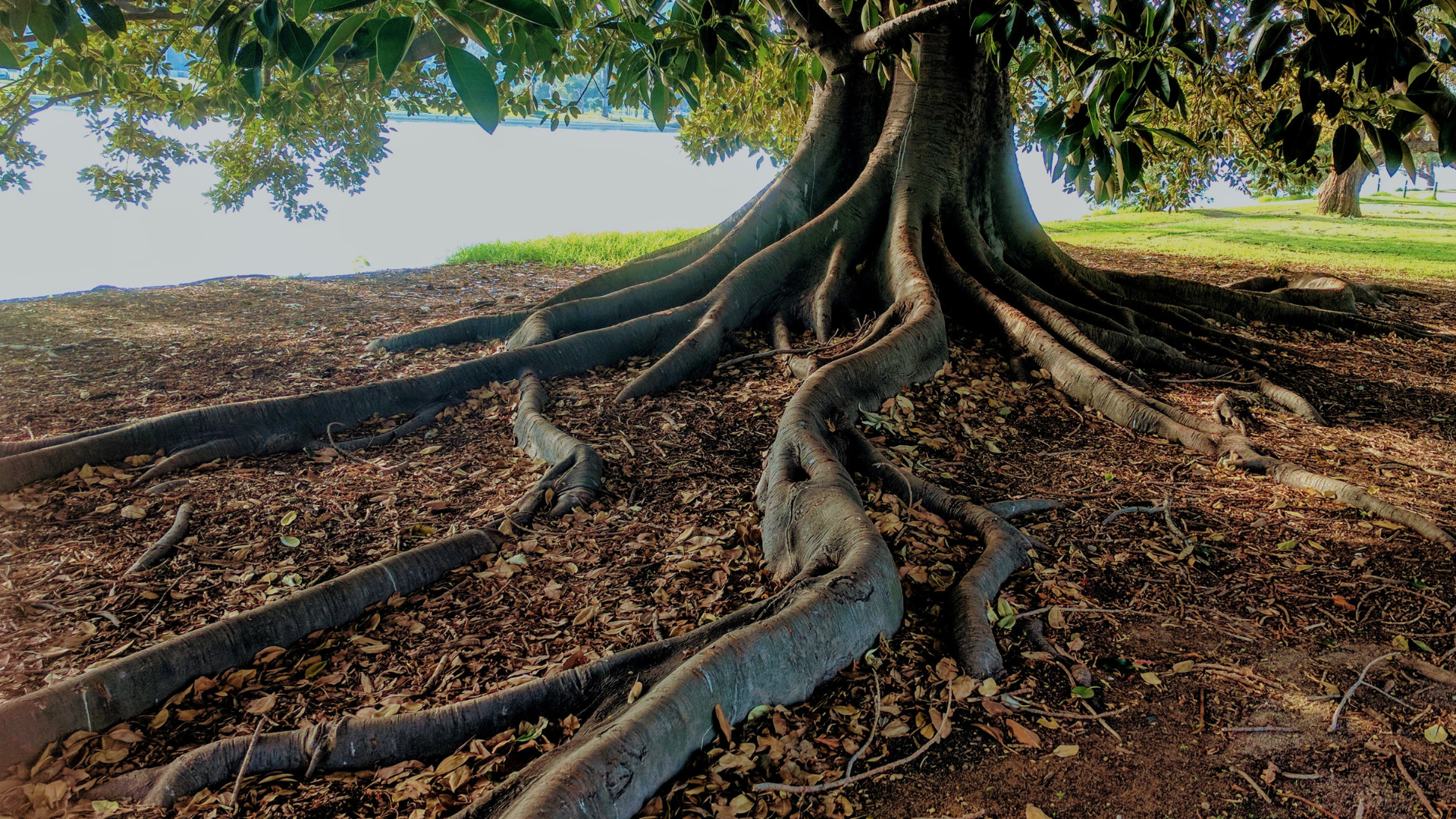
Tree roots stabilize soil, reducing erosion caused by wind and water. This is particularly important near slopes, rivers, and construction sites. When trees are not cared for, root systems can weaken, reducing their ability to protect the ground. Professional tree care includes monitoring root health, removing hazardous trees before they collapse, and preserving trees that play an important role in soil stability. By doing so, tree care supports healthier landscapes and prevents sediment runoff that can pollute waterways.


Supporting Biodiversity

Healthy trees provide habitat for countless species of birds, insects, and small mammals. When trees decline due to disease or neglect, these habitats disappear. Professional arborists help preserve biodiversity by maintaining tree health, removing invasive pests, and recommending appropriate tree species for planting. This creates an environment where native wildlife can thrive, strengthening local ecosystems.
Water Conservation and Quality

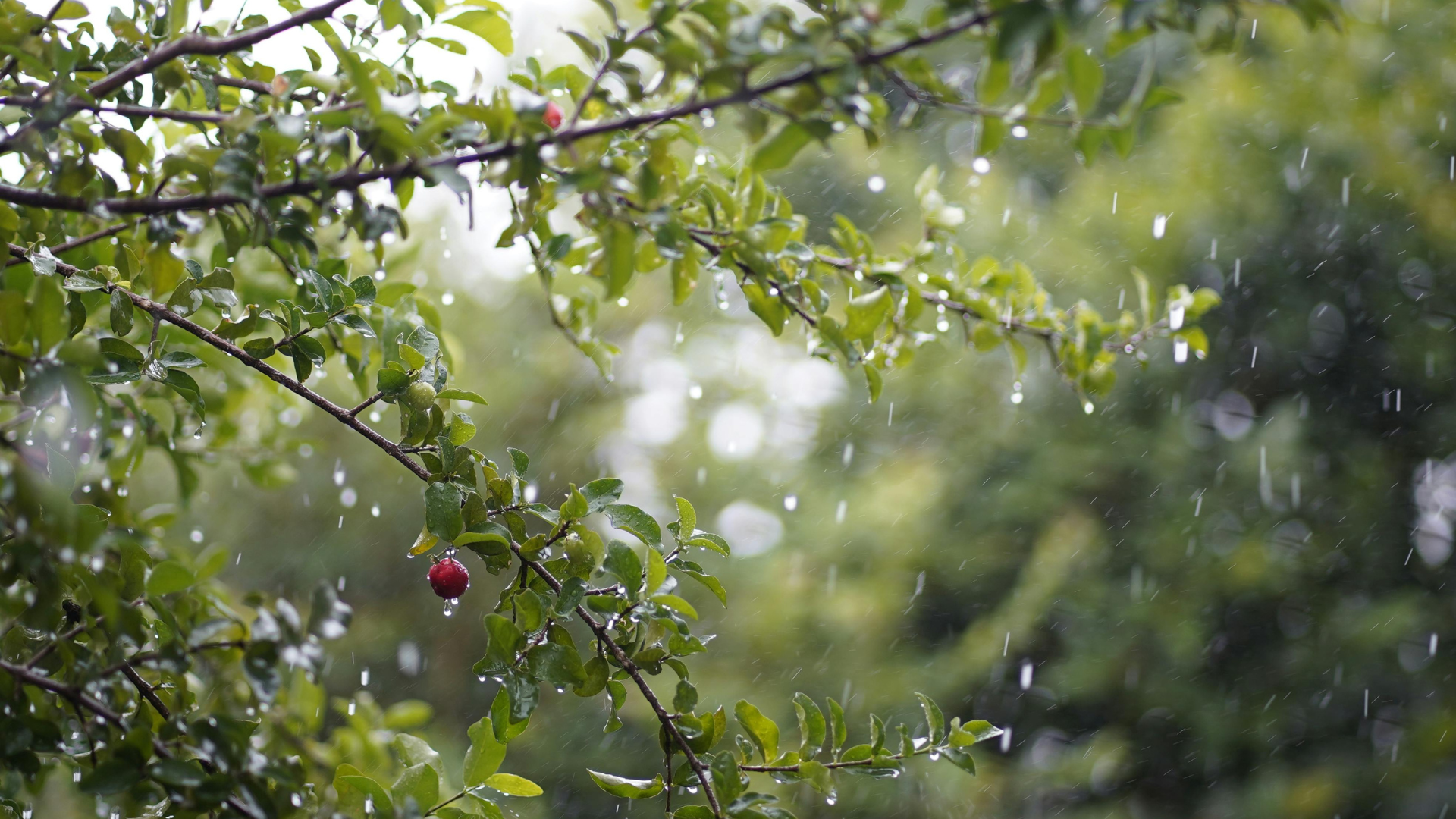
Trees play a role in conserving water and improving its quality. Their canopies reduce rainfall impact, allowing water to seep slowly into the soil rather than running off into storm drains. Tree roots filter water as it moves through the soil, trapping pollutants before they reach groundwater supplies. Professional care ensures that trees remain healthy enough to continue performing these functions, contributing to cleaner and more reliable water resources.


Long-Term Sustainability

When trees are neglected, they become hazards that may need to be removed entirely. Each lost tree reduces the environmental benefits available to the community. Professional care extends the life of trees, allowing them to provide shade, clean air, and habitat for decades. For communities seeking to build a sustainable future, preserving existing trees is just as important as planting new ones.
Why Professional Care Matters

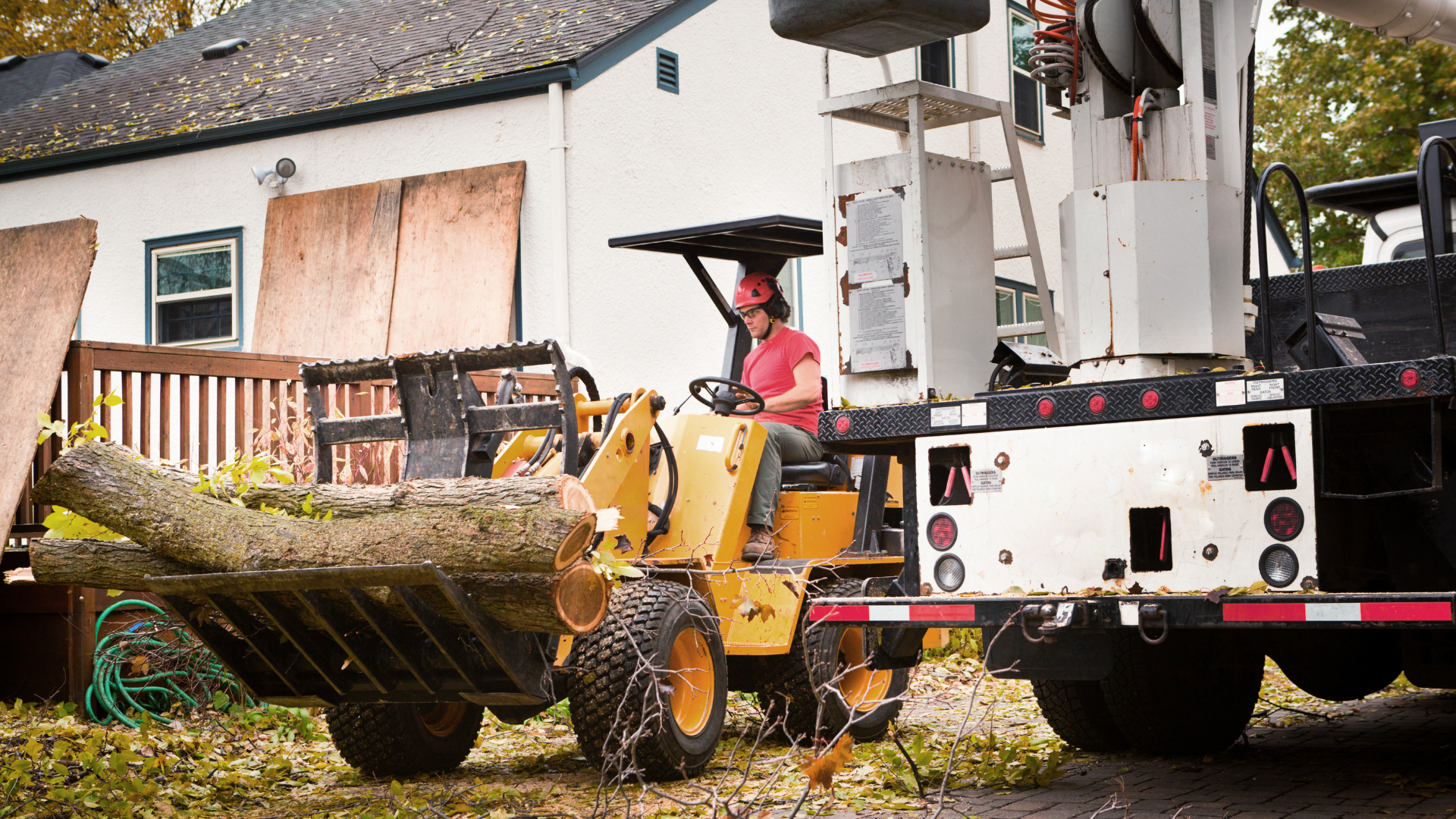
Homeowners may attempt to care for trees themselves, but improper pruning or mismanaged treatment often does more harm than good. Professional arborists have the training and equipment needed to promote healthy growth while protecting both people and property. At Midwest Tree Surgeons, we combine knowledge of tree biology with practical expertise to ensure that every tree we service continues to contribute positively to the environment.
Final Thoughts

Professional tree care is an investment not only in the appearance and safety of your property, but also in the health of the environment. From cleaner air to reduced heat, stronger soil, and thriving ecosystems, the benefits of maintaining trees extend far beyond your yard.


At Midwest Tree Surgeons, we are committed to preserving these environmental advantages through expert tree care. By keeping trees healthy and strong, we help homeowners contribute to a greener, more sustainable future.
April 21, 2026
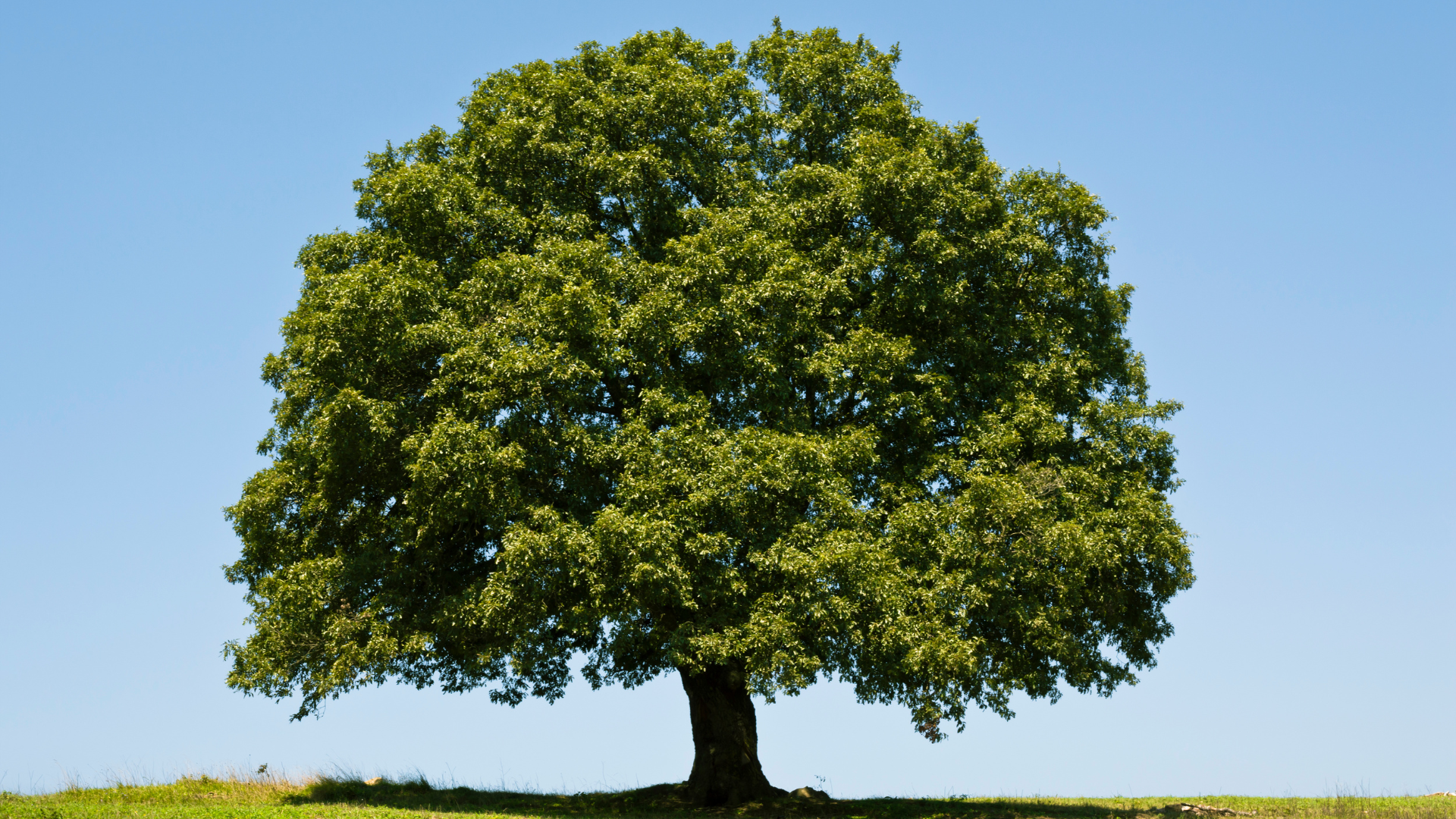
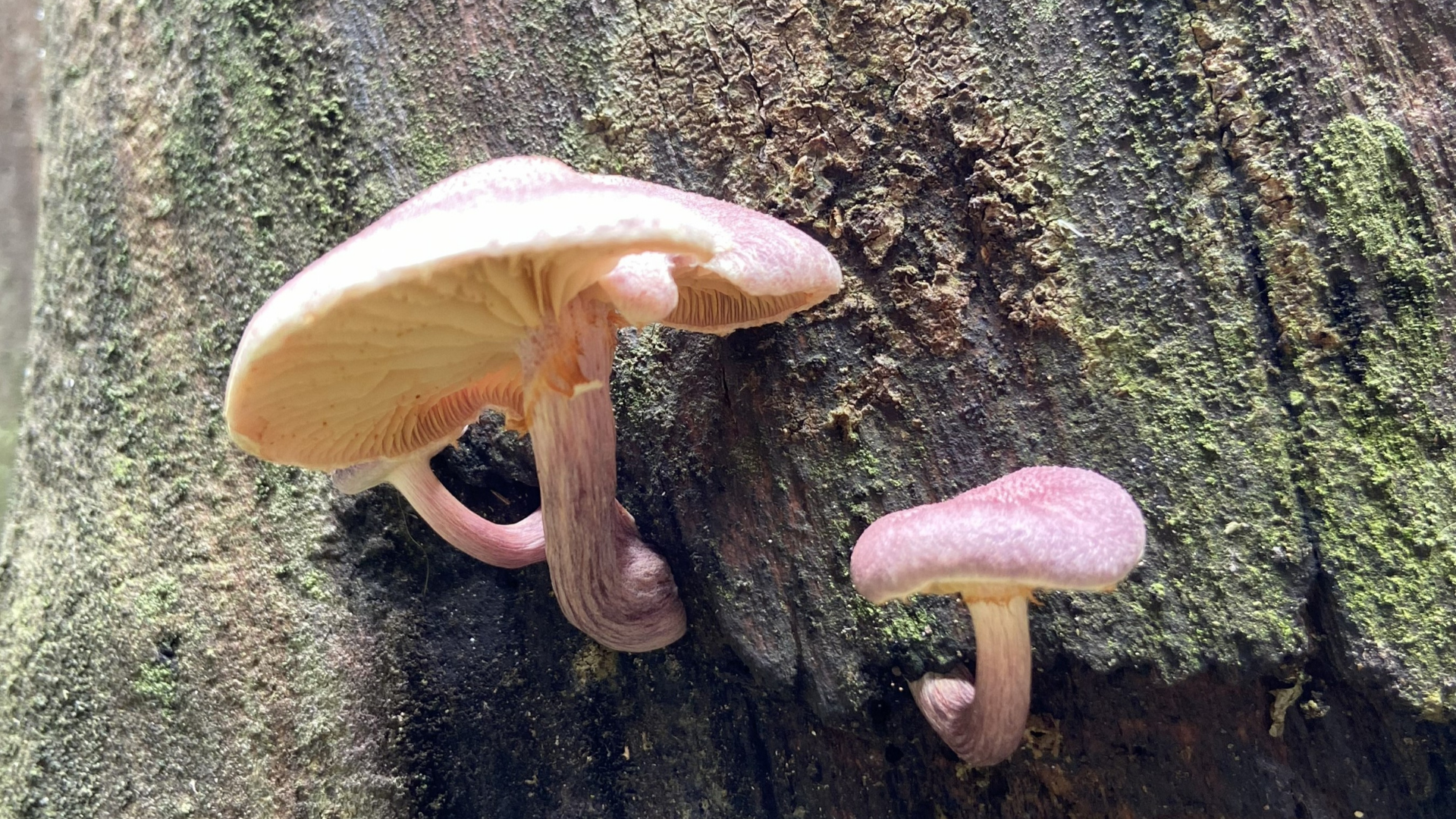
Tree decline rarely happens all at once. In most cases, it follows a gradual and largely hidden progression that unfolds over time. From the outside, a tree may appear stable, even healthy, while underlying changes begin to affect its structure and resilience. This is what makes tree decline difficult to recognize and, in many cases, easy to overlook.  Understanding this “invisible timeline” can help property owners identify early warning signs and take action before more serious issues develop.
April 14, 2026
When homeowners think about tree stability, the focus is often on what is visible above ground. Branch structure, trunk size, and overall appearance tend to receive the most attention. However, one of the most important factors affecting a tree’s stability is hidden below the surface.  Soil conditions play a central role in how well a tree is anchored, how it grows, and how it responds to environmental stress. Understanding this relationship can help property owners better assess risk and make more informed decisions about tree care.
April 8, 2026
Deadwood is often dismissed as a minor issue. It may appear as a few dry branches or small sections of a tree that no longer produce leaves. Because it does not always affect the entire tree, many homeowners overlook it. However, deadwood can present a significant safety risk, particularly in residential settings.  Understanding why deadwood forms, how it behaves, and how it progresses over time can help prevent avoidable property damage and injury.
April 1, 2026
Trees are often one of the most valuable features of a residential property . They provide shade, improve curb appeal, and contribute to the overall health of the environment. However, when multiple trees share the same space, they do not simply coexist without interaction. Trees compete with one another for essential resources such as water, sunlight, and nutrients. Over time, this competition can influence how trees grow, how healthy they remain, and how stable they become.  Understanding how trees compete for resources can help homeowners make better decisions about planting, spacing, and long-term tree care. With proper planning and maintenance, it is possible to create a landscape where trees thrive rather than struggle against one another.
March 25, 2026
Trees add beauty, shade, and value to a property, but there are situations where keeping a tree is no longer the safest or most practical choice. Many homeowners prefer to preserve trees whenever possible , and in many cases, proper care and maintenance can extend a tree’s lifespan. However, when a tree becomes structurally compromised, diseased, or poses a risk to people and property, removal may be the most responsible decision.  Understanding when tree removal is necessary can help prevent accidents, reduce property damage, and protect the overall health of a landscape.
March 18, 2026
Severe storms can cause significant damage to trees and surrounding property. After strong winds or heavy storms pass through a neighborhood, it is common to see some trees still standing strong while others have lost major limbs or fallen entirely. This often leads homeowners to wonder why certain trees survive while others fail under the same weather conditions.  The answer usually involves a combination of factors including tree structure, root stability, species characteristics, and long-term maintenance. Understanding these factors can help property owners take steps to reduce the risk of storm damage and protect both their landscape and their homes.
March 11, 2026
Trees are one of the most valuable natural assets in any community . They provide shade, improve air quality, reduce energy costs, and enhance property values. In cities and suburban neighborhoods across the Midwest, trees collectively form what arborists often refer to as the “urban forest.” While these trees may be planted along streets, in parks, or throughout residential landscapes, they function together as a living ecosystem that benefits the entire community.  However, this urban forest faces growing threats from invasive pests and diseases . One of the most effective ways to protect trees from these threats is through diversity. When communities and homeowners plant a variety of tree species rather than relying on a single type, they create a more resilient landscape that is better equipped to withstand pest outbreaks.
March 3, 2026
Trees are one of the most valuable features of any Midwest property. They provide shade, reduce energy costs, improve curb appeal, and contribute to environmental health. However, the Midwest climate, with its humid summers, fluctuating temperatures, and seasonal rainfall, creates ideal conditions for fungal diseases to develop. Understanding common fungal threats is essential for protecting tree health and preventing long-term structural damage.  At Midwest Tree Surgeons, we regularly diagnose and treat fungal infections that threaten residential and commercial landscapes. Early identification and professional intervention often make the difference between saving a tree and losing it.
February 25, 2026
In recent years, the spotted lanternfly has emerged as one of the most concerning invasive pests affecting trees and landscapes across parts of the United States. Originally detected in Pennsylvania in 2014 , this invasive insect has steadily expanded its range. For property owners in the Midwest, awareness and early intervention are becoming increasingly important.  At Midwest Tree Surgeons, we emphasize proactive monitoring and professional tree care to help protect native trees from invasive threats like the spotted lanternfly.
February 18, 2026
Mature trees are often appreciated for the shade they provide during hot summer months, but their value extends far beyond cooling comfort. Established trees are long-term assets that contribute to property value, environmental stability, and overall landscape health. For homeowners and property managers alike, understanding the broader benefits of mature trees can influence how they approach tree care and long-term planning.
More Posts