What Is Tree Pruning and How Does It Help Trees?

May 29, 2025

The Power of Proper Pruning

Tree pruning is one of the most important—and misunderstood—parts of tree care. While it might seem like a cosmetic task, pruning plays a vital role in a tree’s health, safety, structure, and long-term growth.


At Midwest Tree Surgeons, pruning is not just something we do. It’s something we do right—with training, intention, and care. Whether you’re trying to clean up the appearance of a tree, remove dangerous limbs, or promote stronger growth, pruning is a strategic practice that directly affects the life and health of your trees.


So what exactly is pruning—and why does it matter so much?
A man is standing on a trailer filled with logs.

What Is Tree Pruning?

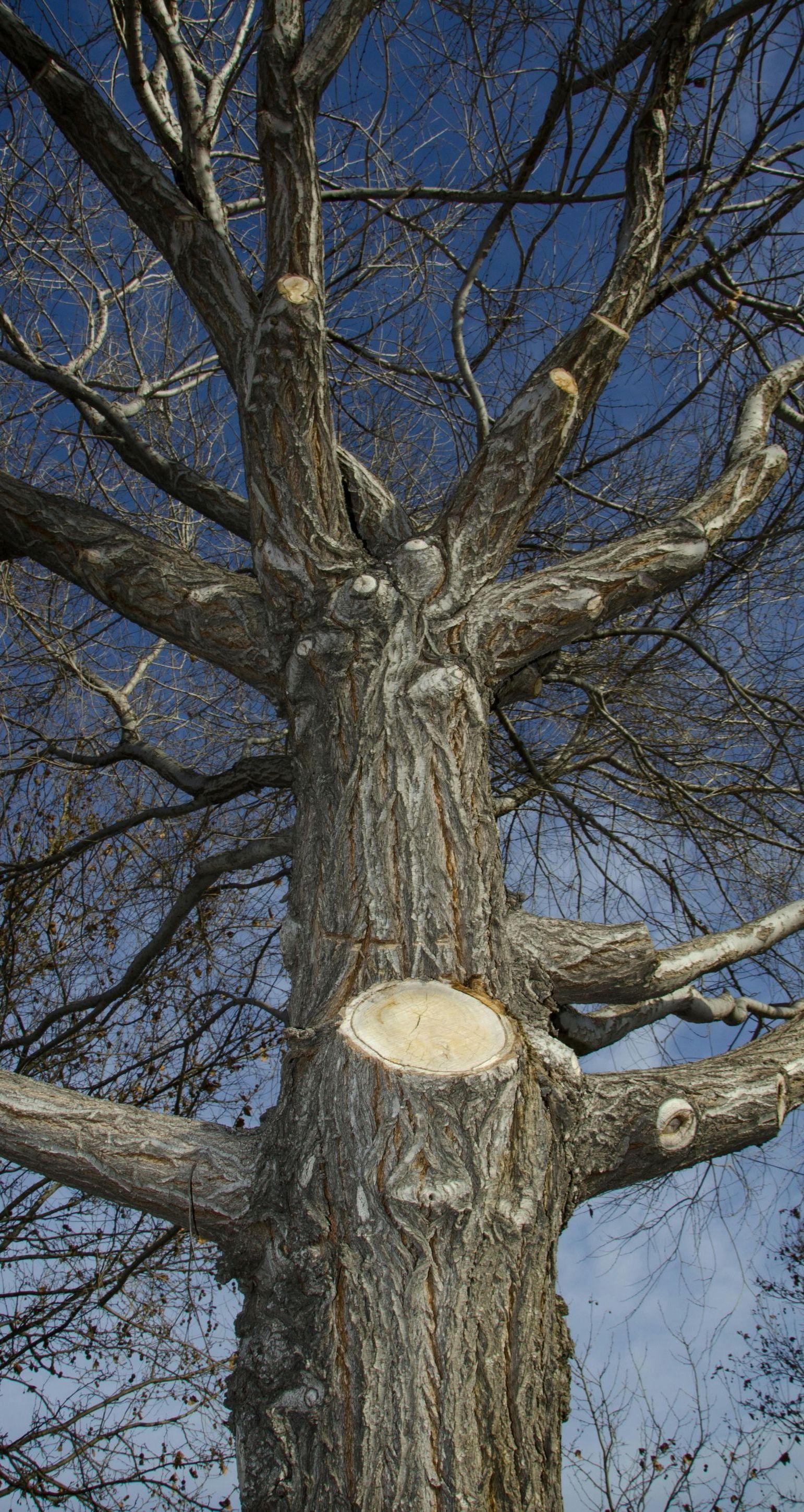
Pruning is the selective removal of specific parts of a tree—typically branches, limbs, or occasionally roots. This is done to improve the tree’s structure, remove dead or diseased wood, reduce risk, or guide the tree’s shape and growth.


Unlike cutting or trimming done for quick fixes, proper pruning is guided by a knowledge of tree biology. Every cut has an impact on how a tree heals and how it continues to grow. Done correctly, pruning can help trees live longer, grow stronger, and remain safe and beautiful in the landscape.

A person is climbing a tree with a backpack on their back.

Key Reasons to Prune Trees

1. Remove Dead, Dying, or Diseased Wood
One of the most common reasons to prune is to remove branches that are no longer viable. Dead wood can fall without warning, posing a risk to people, property, and the tree itself. Pruning these areas protects your landscape and promotes the tree’s recovery.

2. Improve Structure and Stability
Some trees naturally develop weak or crowded branch structures. Left unaddressed, these can lead to future failures—especially in storms or heavy winds. Pruning helps guide the growth of younger trees and correct structural problems in mature ones.

3. Encourage Healthy Growth
Removing excess branches can help direct the tree’s energy toward stronger, more desirable growth. This is especially important in younger trees, where early pruning sets the foundation for a healthy, balanced canopy.
A white truck with a crane on the back of it is parked in front of a house.

4. Increase Airflow and Sunlight
Thinning the crown allows more light and air to reach inner branches and the area beneath the tree. This can reduce the risk of disease, help grass and other plants thrive nearby, and improve the overall ecosystem of your yard.

5. Protect Property and People
Branches that hang over roofs, driveways, or walkways may pose a hazard. Strategic pruning eliminates these risks before they lead to accidents or costly damage.

6. Maintain Appearance and Shape
A well-pruned tree simply looks better. While appearance should never be the only reason to prune, shaping the canopy in a natural, balanced way enhances curb appeal and helps the tree fit well within its space.
Looking up at the branches of a tree with lots of green leaves against a blue sky.

When Should You Prune?

The best time to prune depends on the type of tree and the goal of the pruning. In general:


  • Winter and early spring are ideal for most structural pruning and large removals, as trees are dormant and wounds heal faster.
  • Summer pruning can be used to slow growth or remove problem limbs.
  • Emergency pruning—such as storm damage—should be done as soon as safely possible, regardless of the season.


At Midwest Tree Surgeons, we tailor our approach to the species, the setting, and the health of each tree. There is no one-size-fits-all rule—and that’s where professional expertise makes a difference.
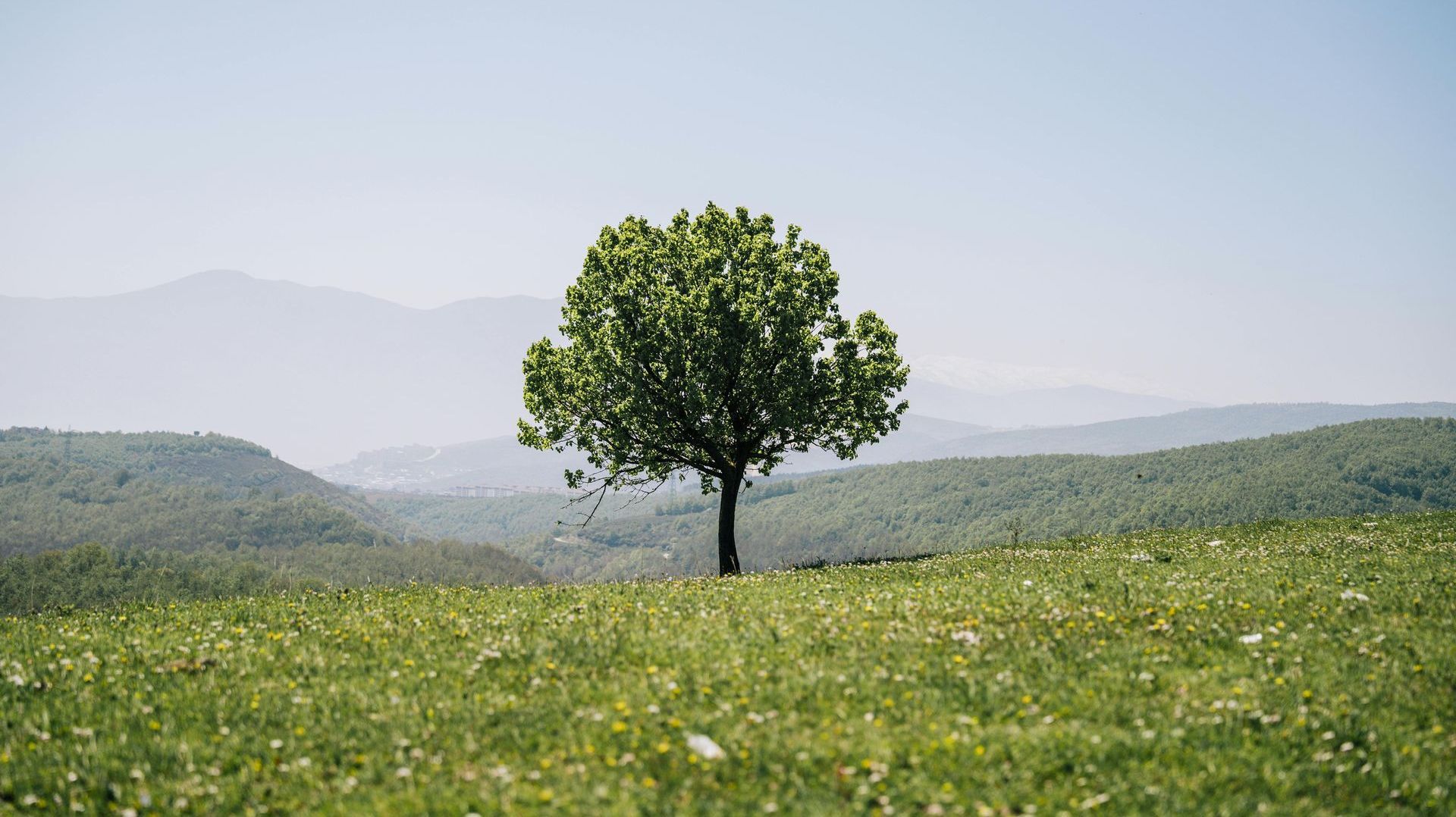
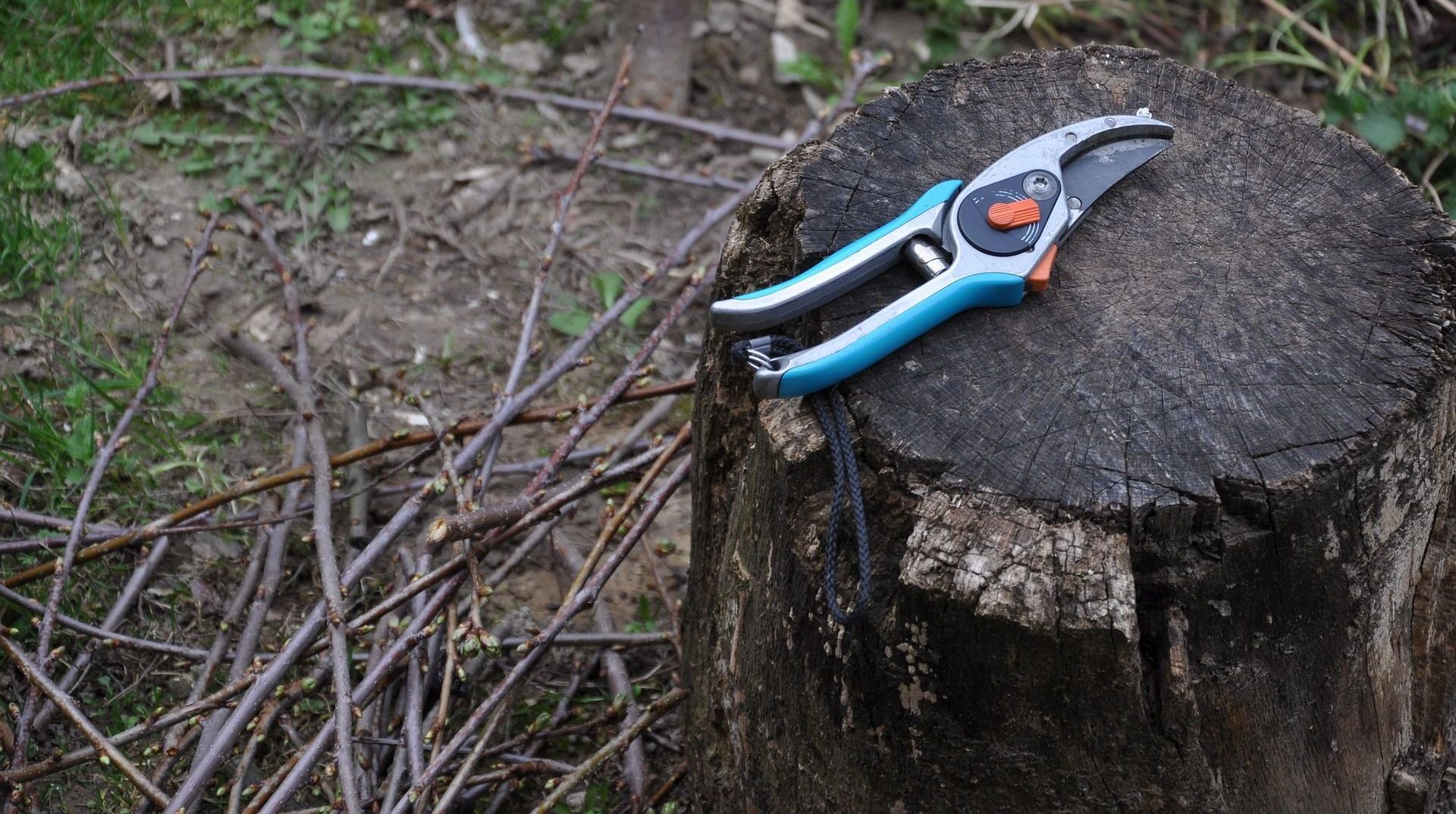
A pile of logs and stump in the grass.

Why Professional Pruning Matters

Improper pruning can harm a tree far more than it helps. Cuts made in the wrong place, at the wrong time, or using the wrong method can lead to:


  • Uncontrolled growth
  • Weak branch unions
  • Entry points for disease and pests
  • Stress that shortens the tree’s lifespan


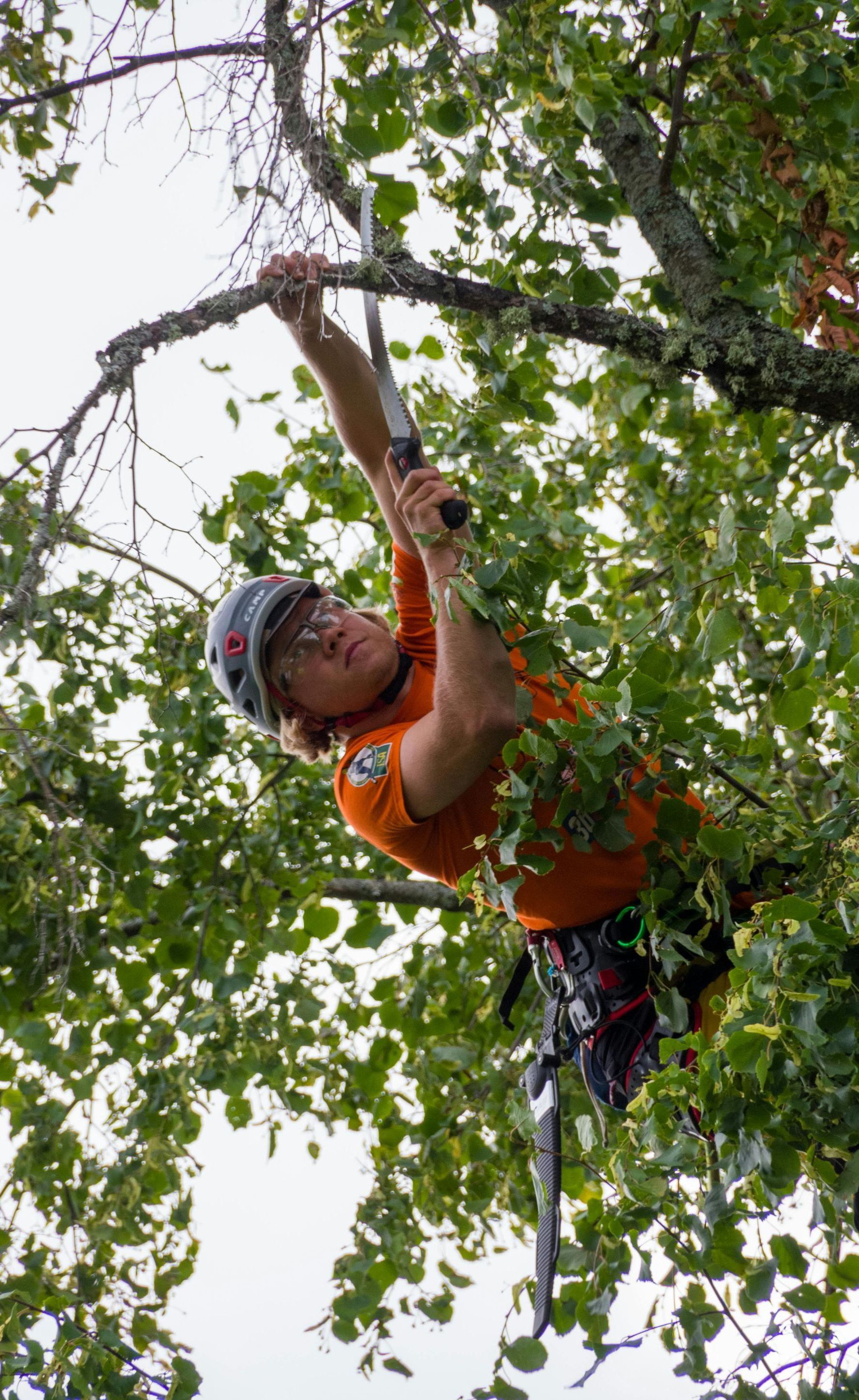
Certified arborists like those at Midwest Tree Surgeons understand how to prune with the tree’s biology in mind. We use proper techniques, follow industry standards, and prioritize the tree’s long-term health.
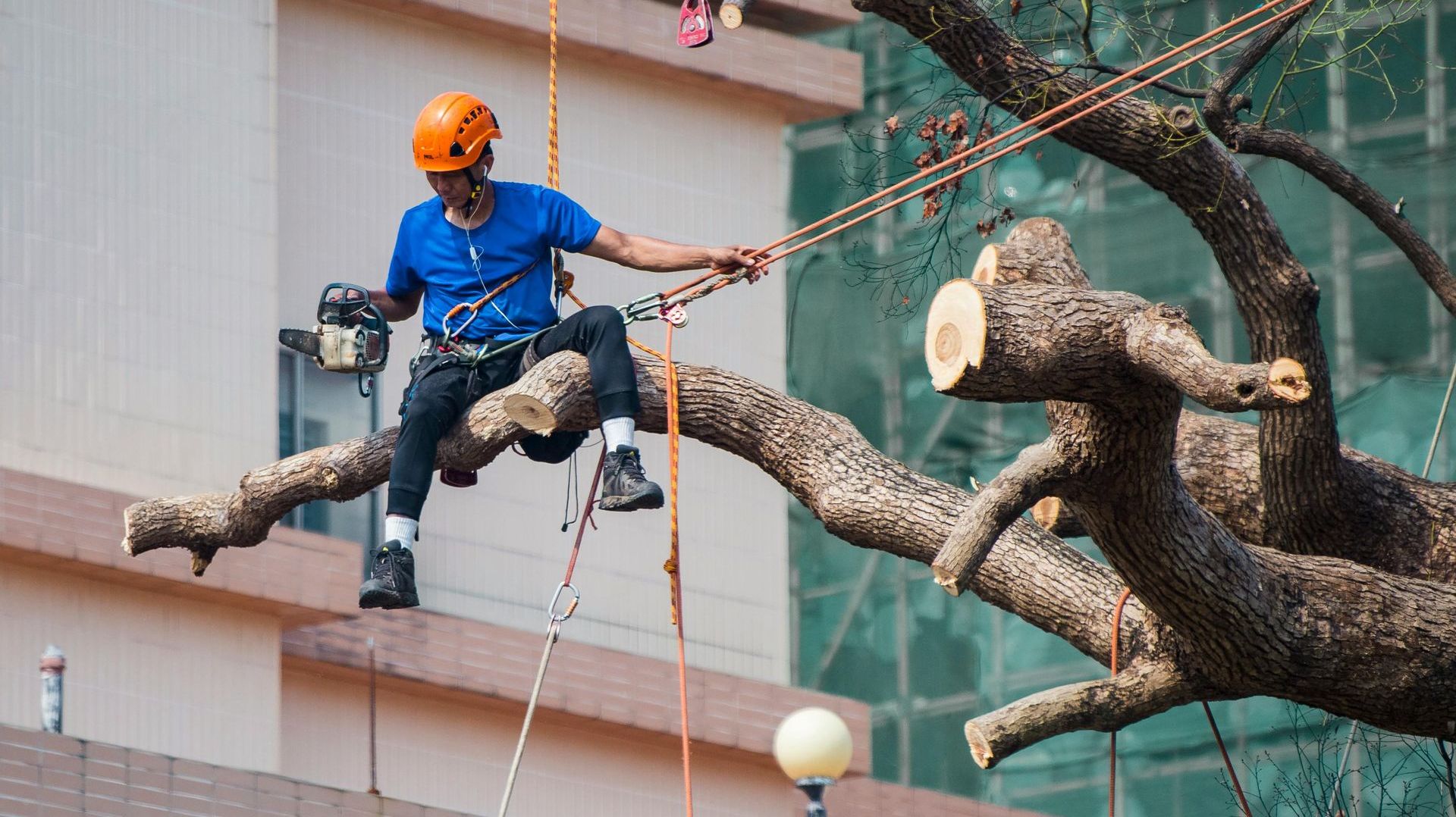
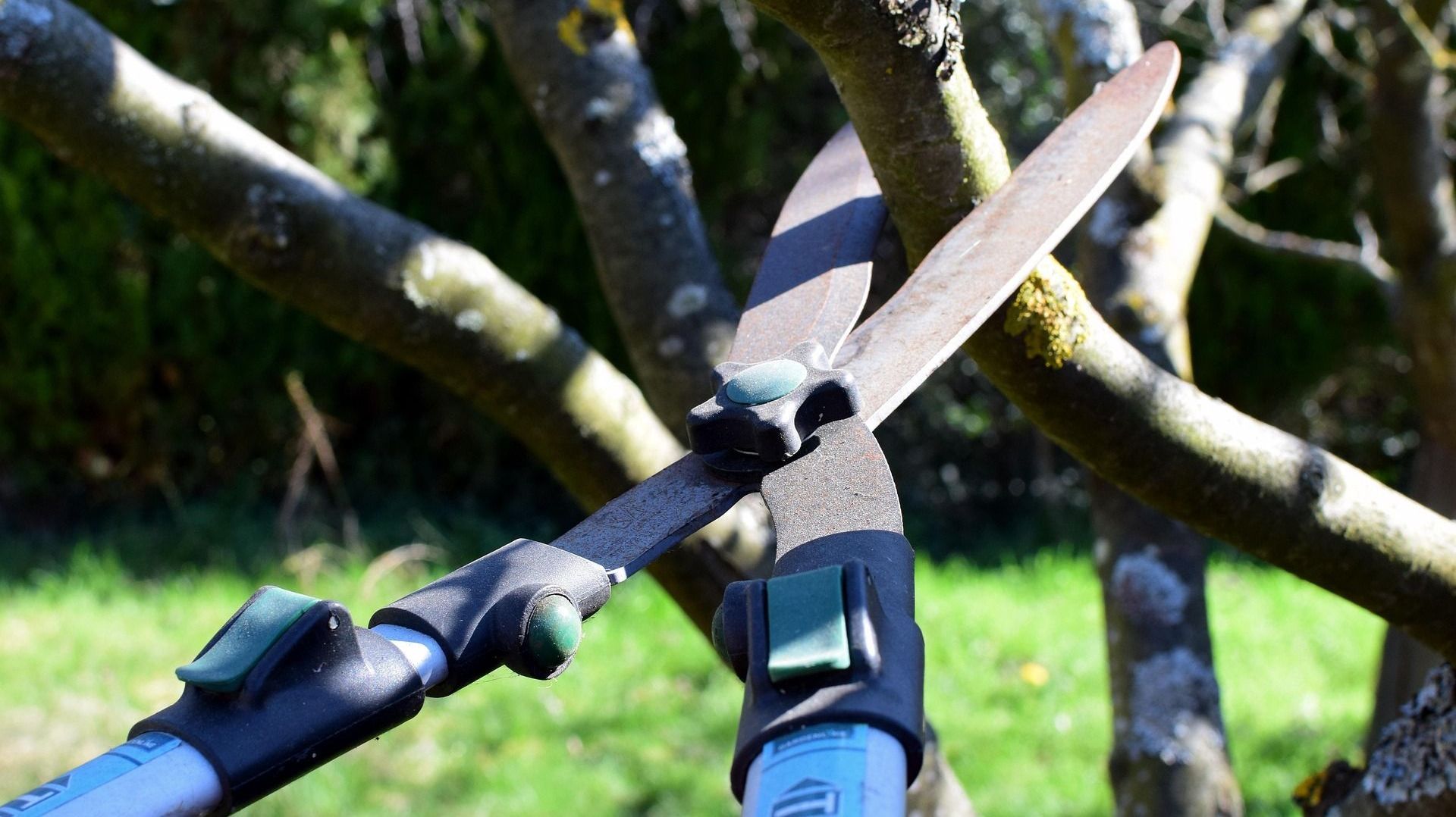
A person is cutting a tree branch with a pair of scissors.

The Bottom Line

Tree pruning is not just about looks—it’s about care. Done correctly, it’s one of the most beneficial things you can do for your trees. It improves their structure, promotes healthy growth, and makes your property safer and more attractive.


If you’re unsure about how or when to prune—or just want to make sure it’s done right—give us a call. At Midwest Tree Surgeons, tree care is what we do best. Let us help you protect and preserve the trees that make your landscape beautiful.
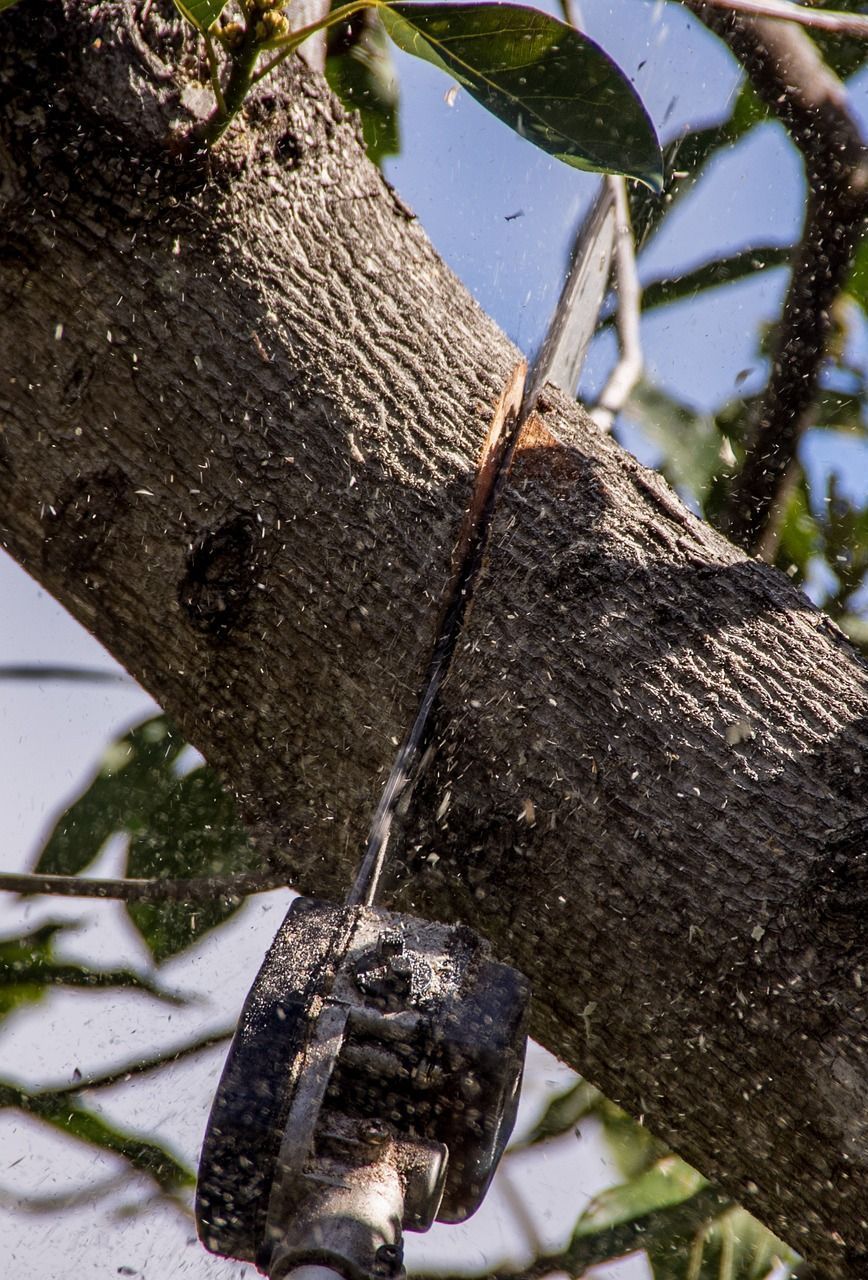
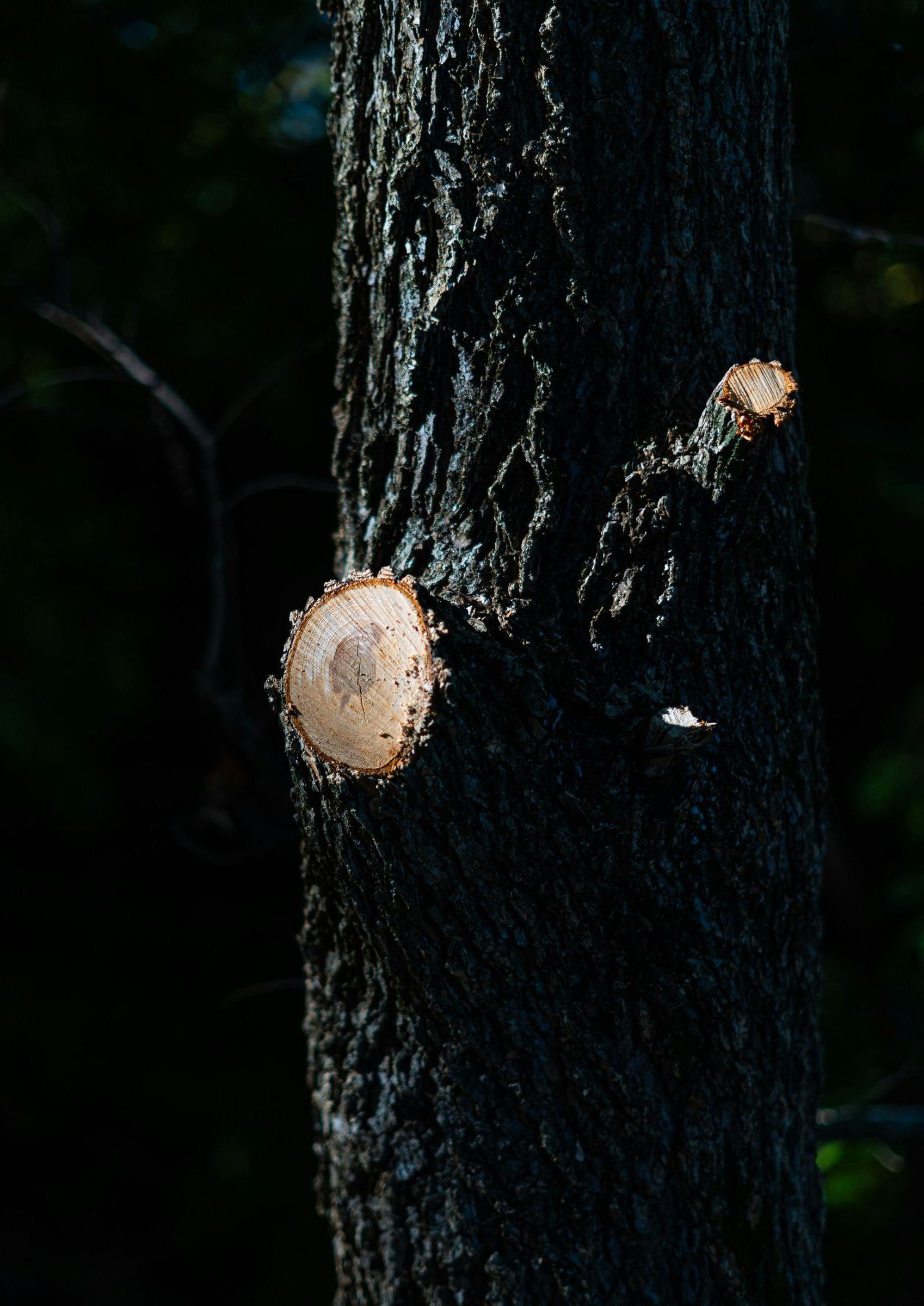
A man is climbing a tree with a blue sky in the background
A large tree with a blue hose attached to it is in front of a house.
A man is cutting down a tree in the woods with a chainsaw.
A man is climbing a tree with a chainsaw.
A close up of a tree trunk in the woods with leaves on the ground.
A close up of a tree branch with yellow leaves
The sun is shining through the branches of a tree in a field.
May 26, 2026
Summer is often associated with healthy green landscapes and active plant growth, but extended heat and dry conditions can place significant stress on trees. While mature trees may appear stable and resilient from the outside, prolonged summer heat can quietly affect their internal health, moisture balance, and long-term structural stability.  At Midwest Tree Surgeons, we help homeowners understand how environmental stress affects trees throughout the growing season and why summer inspections can be an important part of long-term tree care.
May 19, 2026
When people think about drought conditions, they usually picture dry grass, dusty soil, and immediate signs of heat stress. Trees, however, often respond differently. Unlike lawns or smaller plants, mature trees may continue looking relatively healthy during periods of dry weather, even while internal stress is developing beneath the surface.  One of the most challenging aspects of drought-related tree damage is that symptoms are frequently delayed. In many cases, trees begin showing visible decline months after the drought itself has passed. At Midwest Tree Surgeons, we regularly help homeowners identify delayed drought stress before it progresses into larger structural or health problems.
May 13, 2026
Trees are built to withstand changing seasons, but repeated environmental stress can gradually affect their health and stability. One of the most significant seasonal stressors in many regions is the freeze-thaw cycle. While it may seem like a normal part of winter weather, this constant fluctuation between freezing and thawing can place long-term strain on trees in ways that are not always immediately visible.  Understanding how freeze-thaw cycles affect trees helps explain why early summer is an ideal time for a professional tree inspection.
May 5, 2026
Trees are often perceived as resilient and self-sustaining, capable of withstanding years of environmental stress. While this is true to an extent, injuries to a tree can initiate internal processes that are not visible from the outside. Understanding what happens inside a tree after it is injured helps explain why some trees decline over time, even when they appear stable at first.  At Midwest Tree Surgeons, evaluating these hidden processes is an important part of maintaining long-term tree health and property safety.
April 28, 2026
Mature trees are often seen as stable, established features of a property. Their size and presence can create a sense of permanence, leading many homeowners to assume they are less likely to fail. In reality, mature trees can carry a unique set of risks that are not always visible at first glance.  Understanding these overlooked risk factors is essential for maintaining both tree health and property safety.
April 21, 2026
Tree decline rarely happens all at once. In most cases, it follows a gradual and largely hidden progression that unfolds over time. From the outside, a tree may appear stable, even healthy, while underlying changes begin to affect its structure and resilience. This is what makes tree decline difficult to recognize and, in many cases, easy to overlook.  Understanding this “invisible timeline” can help property owners identify early warning signs and take action before more serious issues develop.
April 14, 2026
When homeowners think about tree stability, the focus is often on what is visible above ground. Branch structure, trunk size, and overall appearance tend to receive the most attention. However, one of the most important factors affecting a tree’s stability is hidden below the surface.  Soil conditions play a central role in how well a tree is anchored, how it grows, and how it responds to environmental stress. Understanding this relationship can help property owners better assess risk and make more informed decisions about tree care.
April 8, 2026
Deadwood is often dismissed as a minor issue. It may appear as a few dry branches or small sections of a tree that no longer produce leaves. Because it does not always affect the entire tree, many homeowners overlook it. However, deadwood can present a significant safety risk, particularly in residential settings.  Understanding why deadwood forms, how it behaves, and how it progresses over time can help prevent avoidable property damage and injury.
April 1, 2026
Trees are often one of the most valuable features of a residential property . They provide shade, improve curb appeal, and contribute to the overall health of the environment. However, when multiple trees share the same space, they do not simply coexist without interaction. Trees compete with one another for essential resources such as water, sunlight, and nutrients. Over time, this competition can influence how trees grow, how healthy they remain, and how stable they become.  Understanding how trees compete for resources can help homeowners make better decisions about planting, spacing, and long-term tree care. With proper planning and maintenance, it is possible to create a landscape where trees thrive rather than struggle against one another.
March 25, 2026
Trees add beauty, shade, and value to a property, but there are situations where keeping a tree is no longer the safest or most practical choice. Many homeowners prefer to preserve trees whenever possible , and in many cases, proper care and maintenance can extend a tree’s lifespan. However, when a tree becomes structurally compromised, diseased, or poses a risk to people and property, removal may be the most responsible decision.  Understanding when tree removal is necessary can help prevent accidents, reduce property damage, and protect the overall health of a landscape.
More Posts