How Trees Respond to Drought Stress and What Homeowners Can Do Before Damage Becomes Severe

December 9, 2025

Drought conditions place significant strain on trees, even in landscapes that typically receive adequate rainfall. When moisture becomes scarce, trees begin to redirect their energy toward survival rather than growth. This shift may create visible and invisible stress signals that, if ignored, can lead to long term decline or structural weakness. At Midwest Tree Surgeons, we help homeowners understand how drought affects tree health and what proactive steps can protect valued landscape trees before the damage becomes severe.
How Trees Respond When Soil Moisture Drops

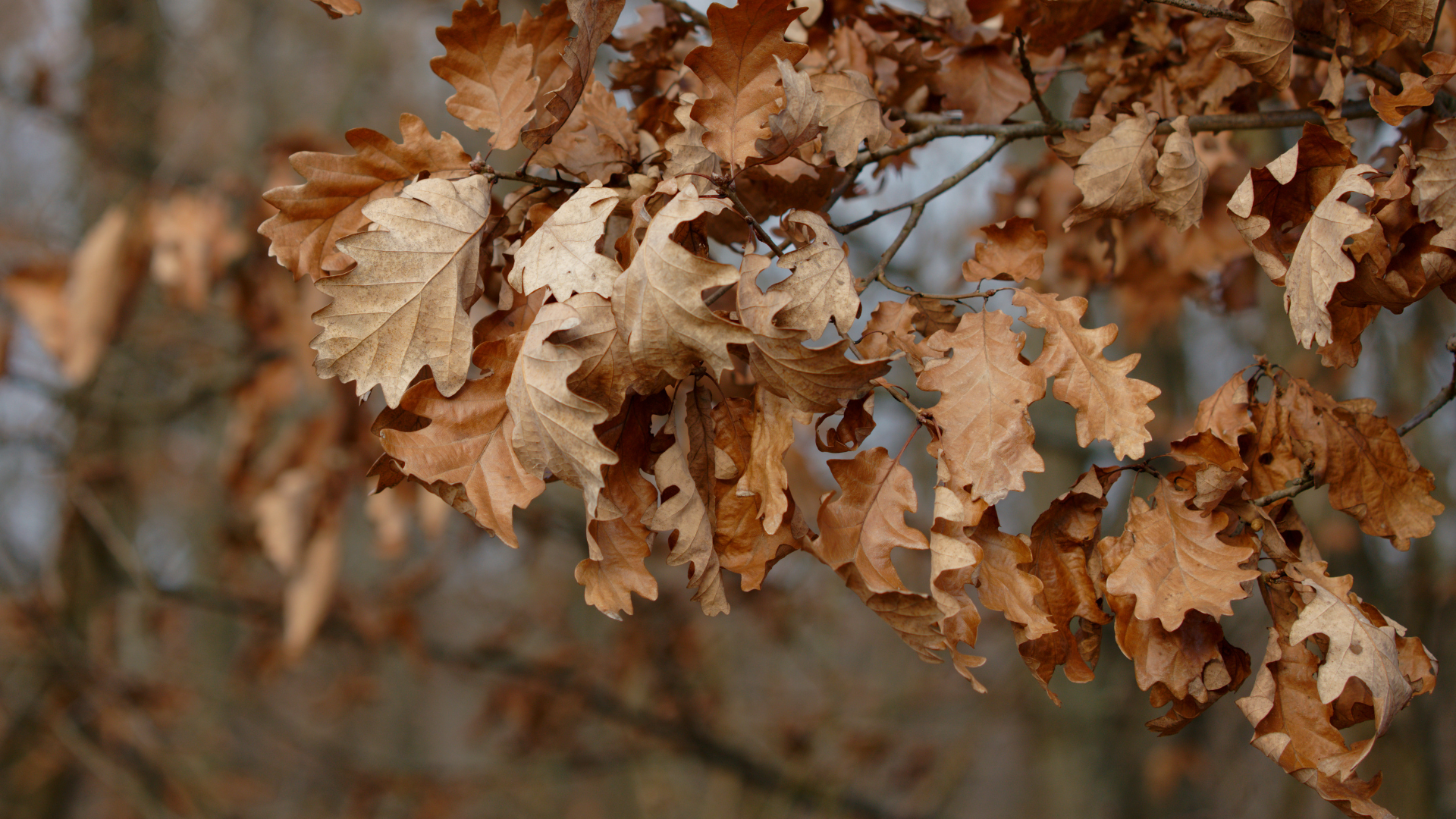
Trees rely on consistent soil moisture to transport nutrients from the root system to the canopy. When the soil becomes dry, this movement slows, and the tree begins to conserve energy. One of the earliest signs of drought stress is wilting. Leaves may appear limp or curled as the tree attempts to reduce water loss. As stress continues, leaves may turn yellow or brown, and edges may become scorched. These symptoms occur because the tree cannot maintain normal cellular activity without adequate moisture.


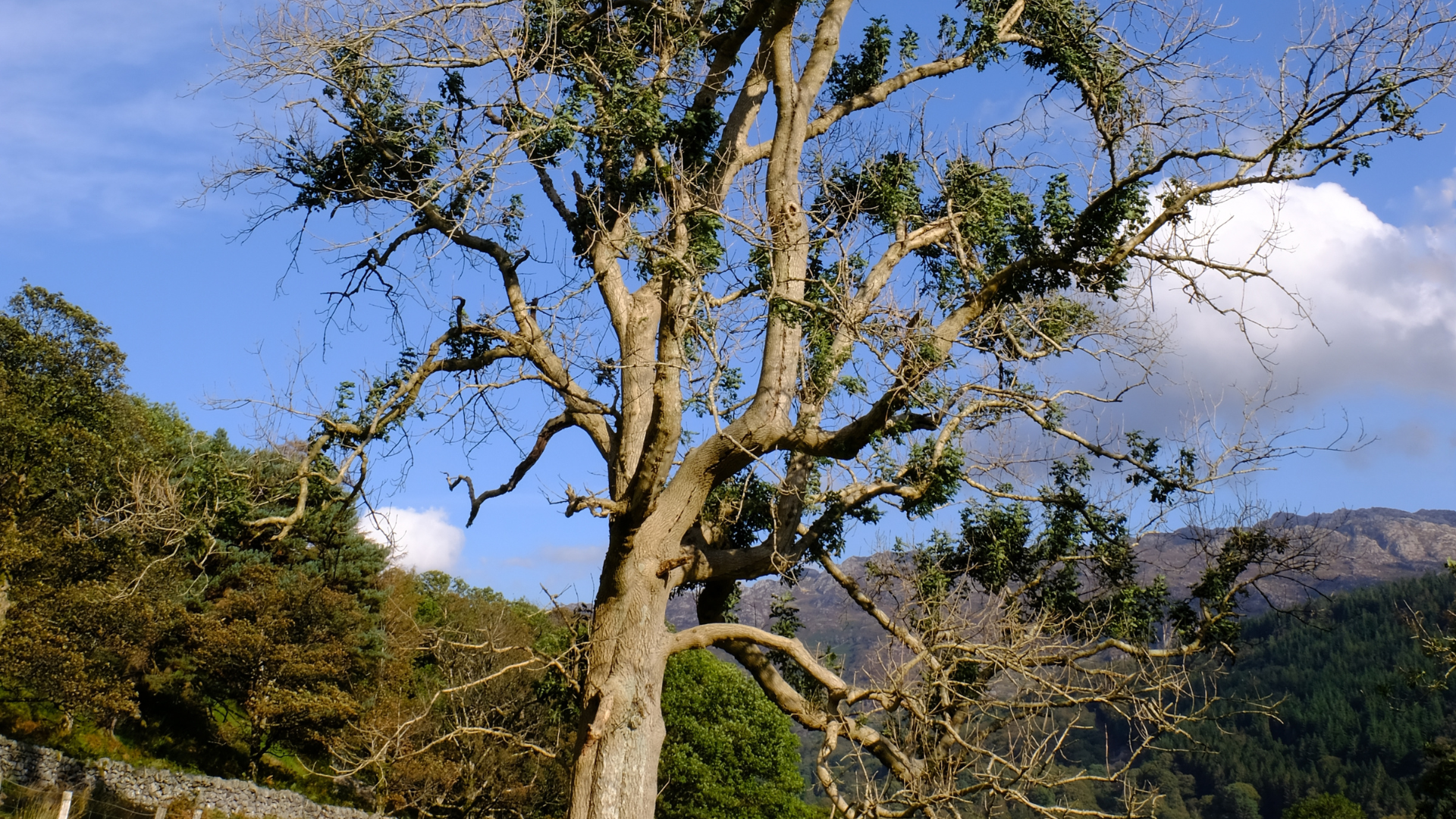
Another response to drought is canopy thinning. Trees may shed leaves earlier in the season to limit the surface area through which water evaporates. Although this helps the tree conserve moisture, repeated episodes of premature leaf drop can weaken overall health. In severe drought, trees may also produce fewer leaves the following year, creating a sparse canopy that reduces their ability to photosynthesize effectively.


Drought stress also affects the root system. Fine feeder roots, which are responsible for absorbing nutrients and water, may die back when moisture is unavailable. This loss reduces the tree’s capacity to recover quickly once rainfall returns. If dehydration continues, deeper structural roots may weaken, potentially affecting stability.
Long Term Impacts of Drought on Tree Health

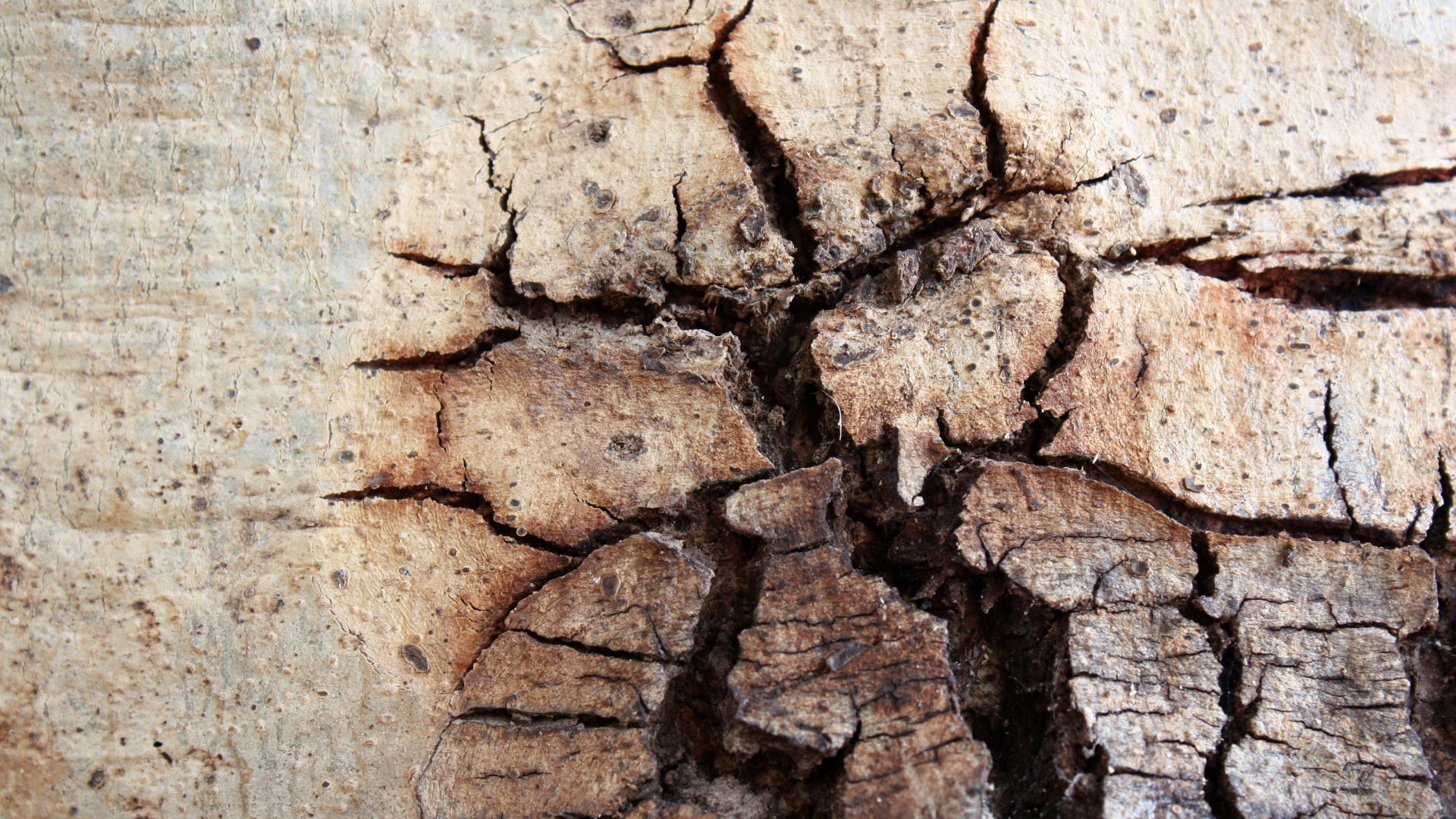
Short, isolated drought periods may not cause permanent harm if the tree is otherwise healthy. However, extended or repeated drought episodes increase vulnerability to pests, disease, and structural failure. A stressed tree cannot defend itself as effectively against insects or fungal infections. Cracks in the bark, reduced sap flow, and weakened branches become targets for opportunistic pests.


Furthermore, drought stressed trees may experience branch dieback. Dead limbs pose safety risks because they may fall during wind events or under the weight of snow and ice. If drought persists for several seasons, entire sections of the canopy may decline, creating imbalances that further weaken the structure.
What Homeowners Can Do to Support Trees During Drought

Proactive care plays an essential role in helping trees withstand moisture shortages. Deep watering is one of the most effective steps homeowners can take. Rather than applying small amounts of water frequently, deep watering allows moisture to reach the lower root zones where it can be absorbed more efficiently. Ideally, water should be applied slowly at the drip line, allowing it to soak into the soil rather than run off the surface.


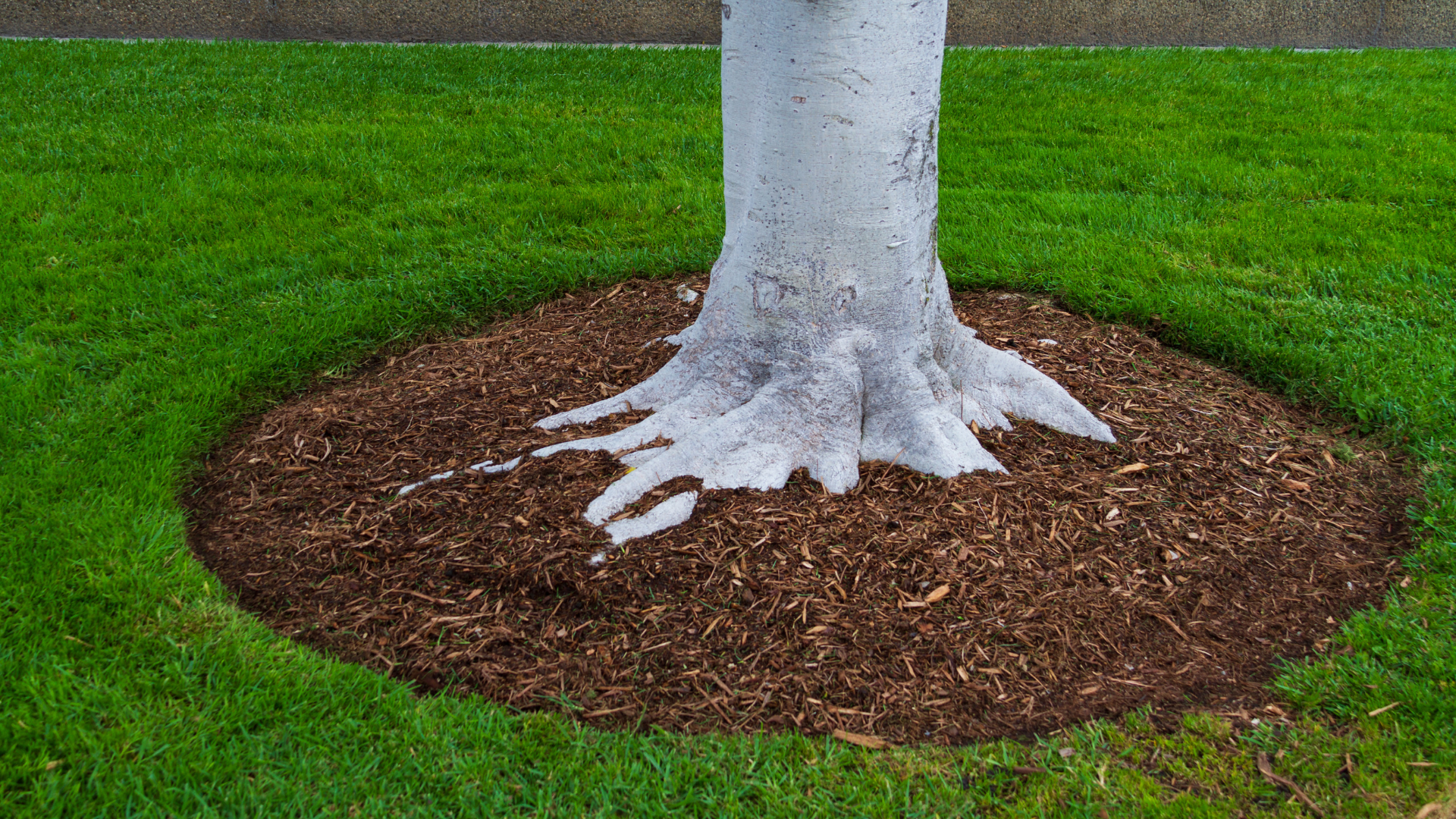
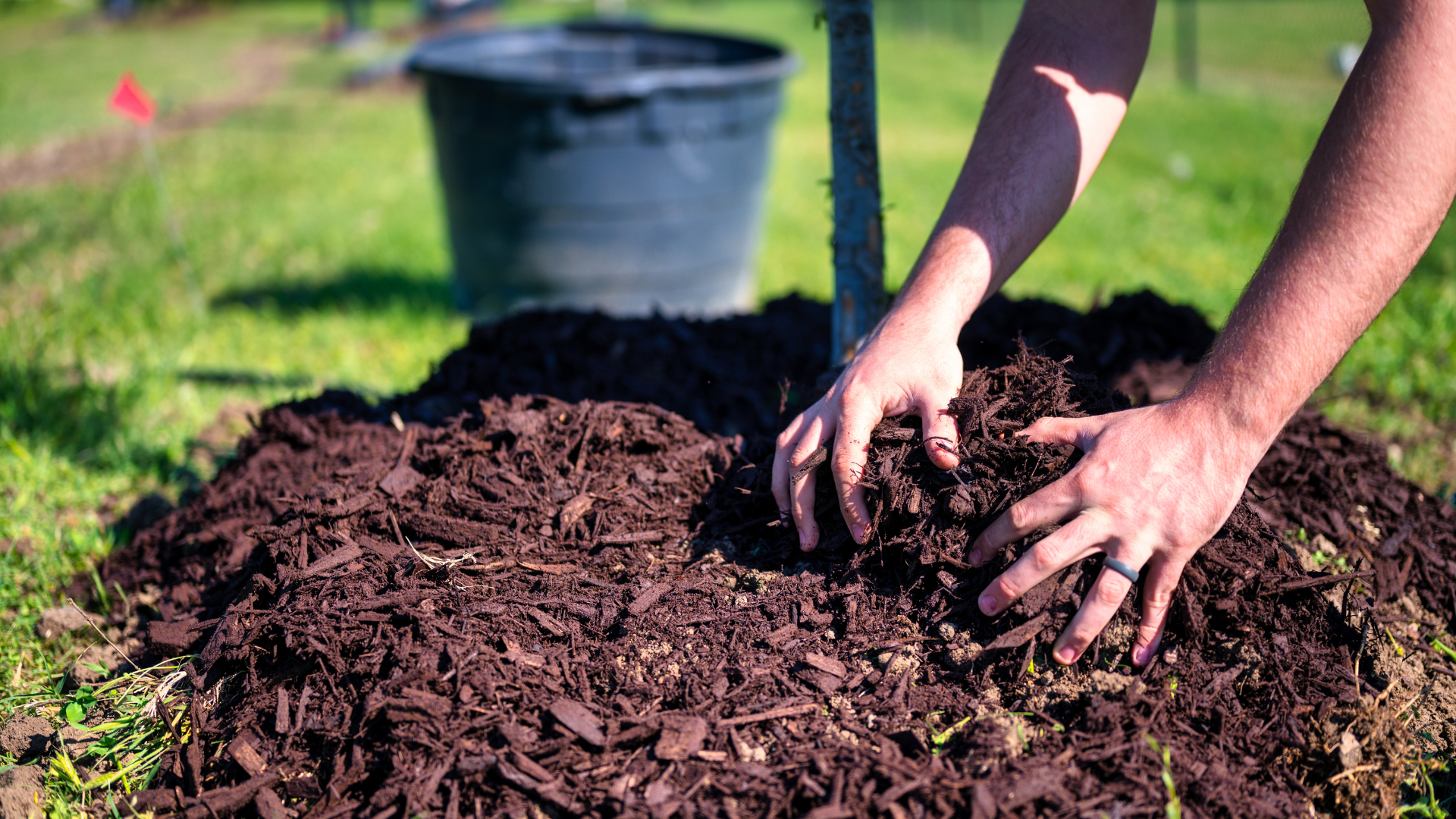
Mulching also helps conserve soil moisture. A layer of organic mulch placed around the base of the tree helps regulate soil temperature, reduce evaporation, and improve water retention. Homeowners should avoid placing mulch directly against the trunk, as this may encourage moisture buildup and disease. Instead, mulch should be spread evenly in a wide ring to protect the root zone effectively.


Pruning may also assist drought stressed trees, but it must be approached with care. Removing dead or damaged branches helps the tree direct its limited energy toward recovering healthy tissue. However, unnecessary pruning during drought can create additional stress. Professional assessment ensures that only essential pruning is performed.


Fertilizing drought stressed trees is not always recommended. Without adequate moisture, fertilizer salts may further dehydrate the roots. A soil test can determine whether nutrient deficiencies exist and whether corrective treatment is appropriate. In many cases, improving soil structure and increasing organic matter may be more beneficial than applying fertilizer.
When to Seek Professional Support

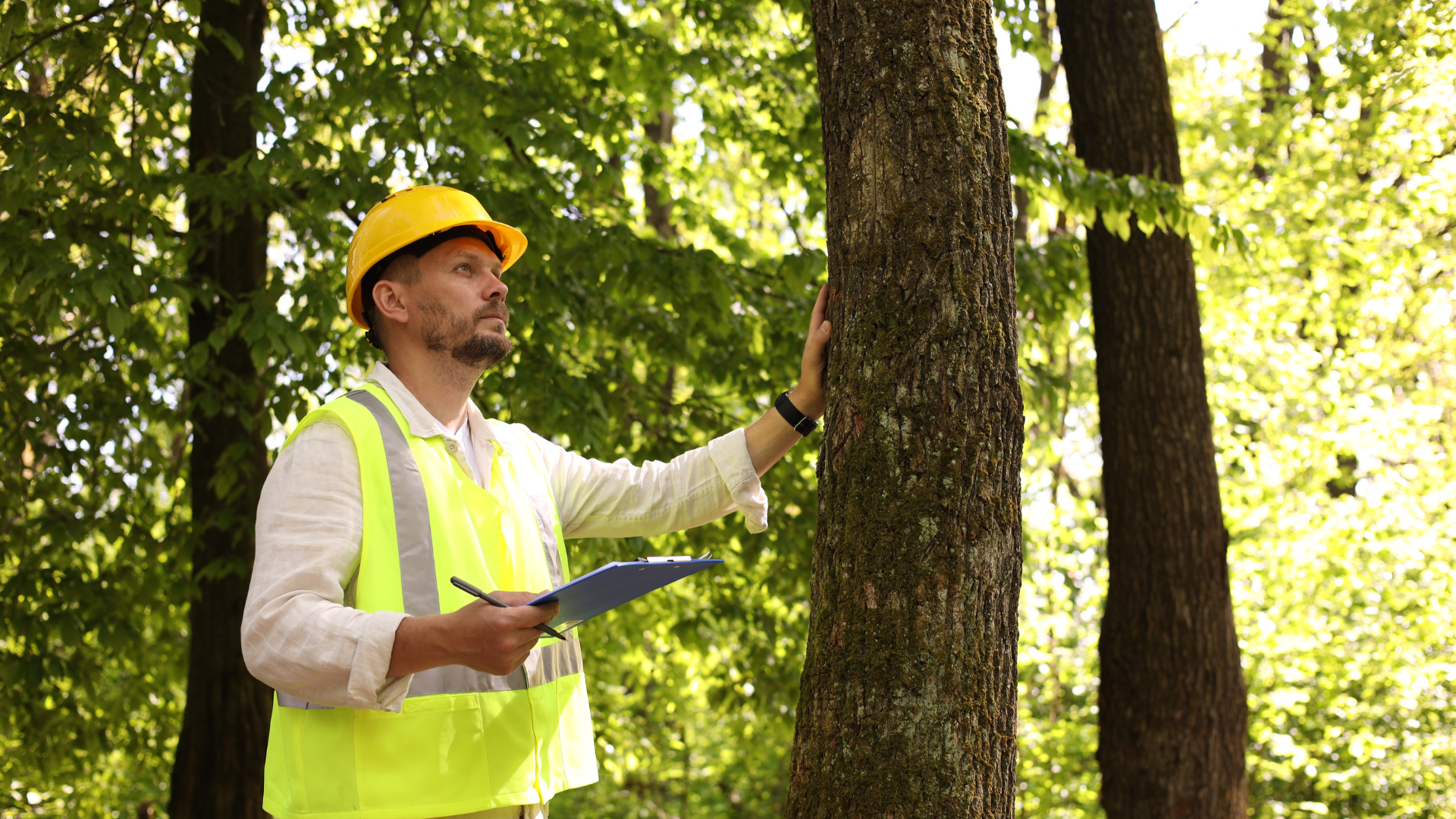
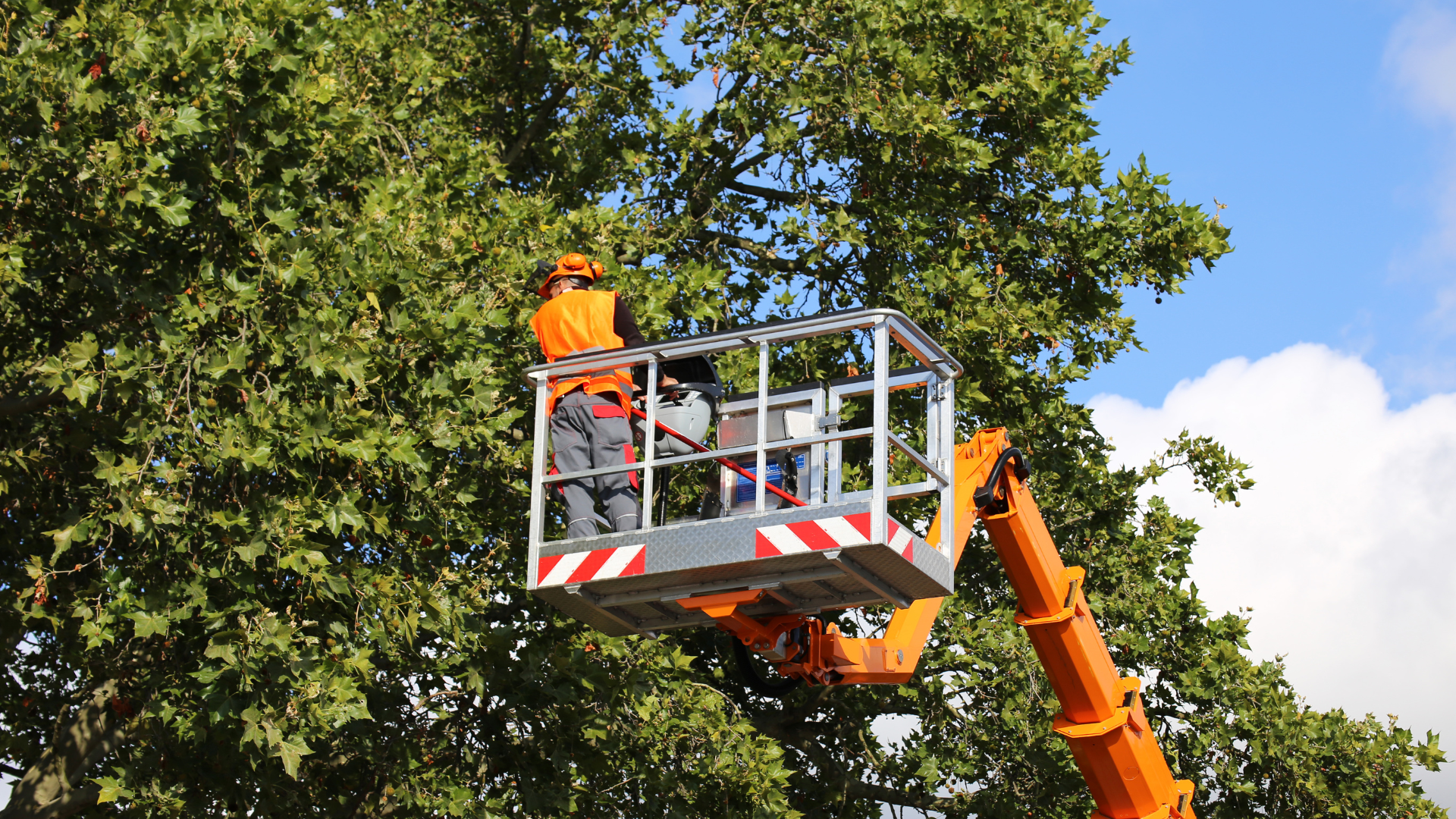
Trees that exhibit advanced drought symptoms often require professional evaluation. If you notice significant canopy thinning, large dead branches, bark cracking, or rapid decline, a trained arborist can assess the severity of the stress and recommend treatment. Early intervention may include targeted watering plans, structural support, or corrective pruning.


At Midwest Tree Surgeons, we help homeowners protect their trees through careful monitoring and expert care. Drought stress does not need to progress to irreversible damage. With timely action and proper support, trees can recover strength and continue to thrive even in challenging conditions.

August 25, 2026
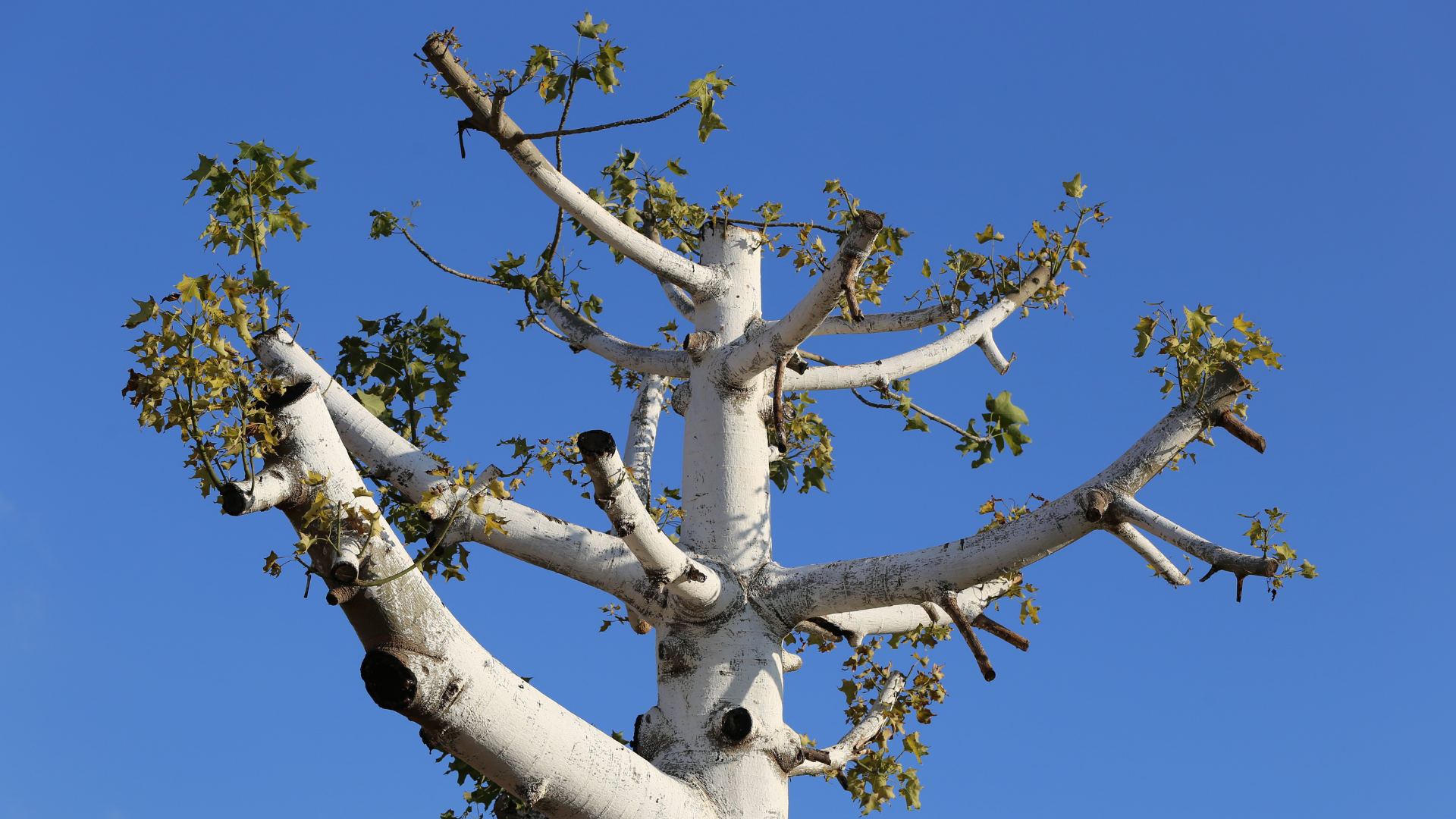
When a tree grows too large for its surroundings, removing the upper portion of the canopy may seem like a quick solution. This practice, commonly called tree topping, involves cutting major branches or leaders back to stubs or lateral branches that are too small to assume the terminal role.  Although topping can immediately reduce a tree’s height, it can also create lasting structural and health problems. For homeowners concerned about an oversized or potentially hazardous tree, professional pruning is generally a better approach.
August 18, 2026
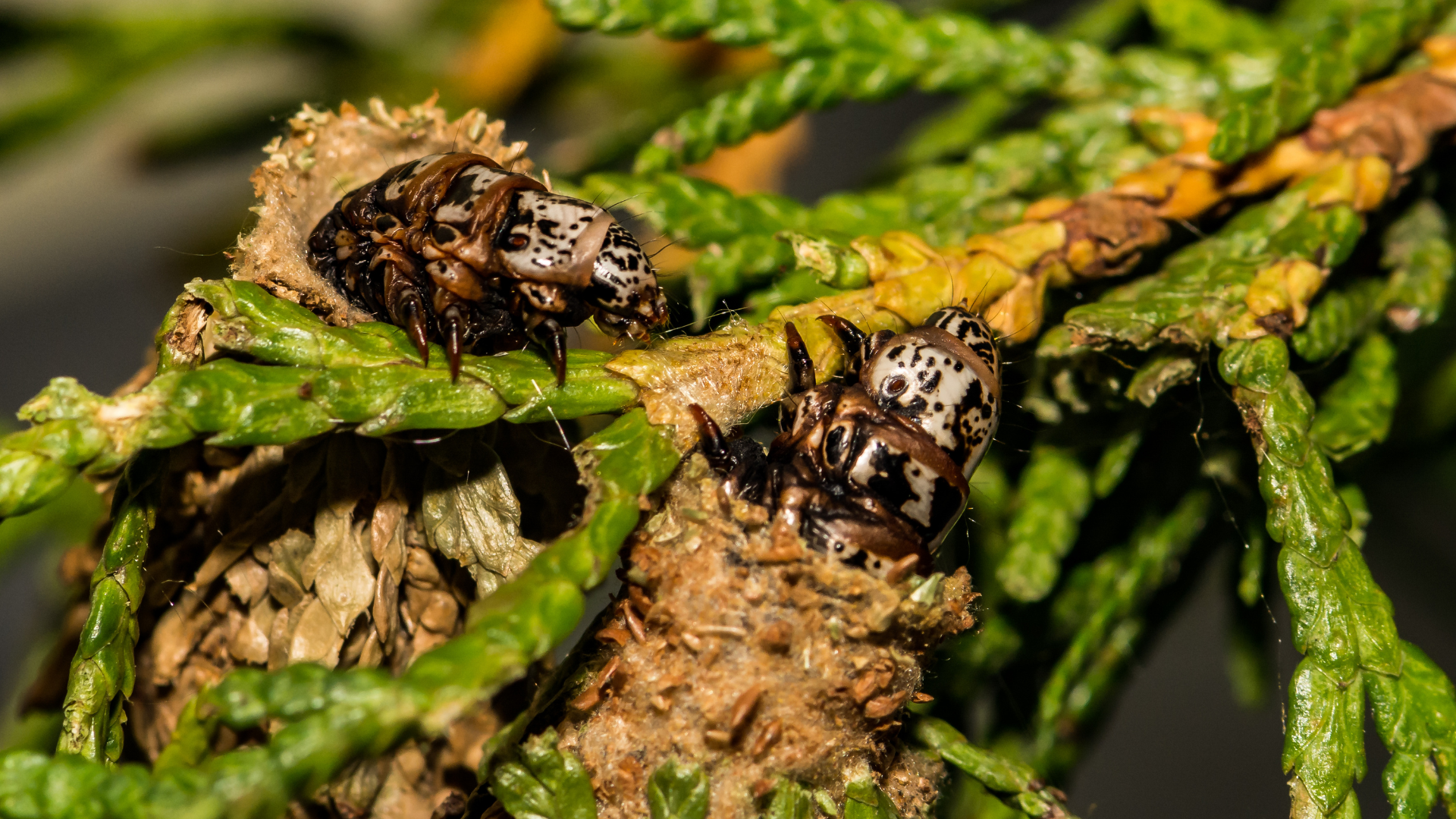
When insects begin damaging a tree, the first instinct may be to treat the problem as quickly as possible. But not every insect requires the same response, and some insects that look harmful may not be the actual cause of the decline. Applying the wrong treatment can waste time, money, and potentially put additional stress on the tree.  Midwest Tree Surgeons takes a diagnosis-first approach to tree care. Correct pest identification helps determine whether treatment is needed, which method is appropriate, and whether the real problem may involve disease, environmental stress, or another underlying issue.
August 11, 2026
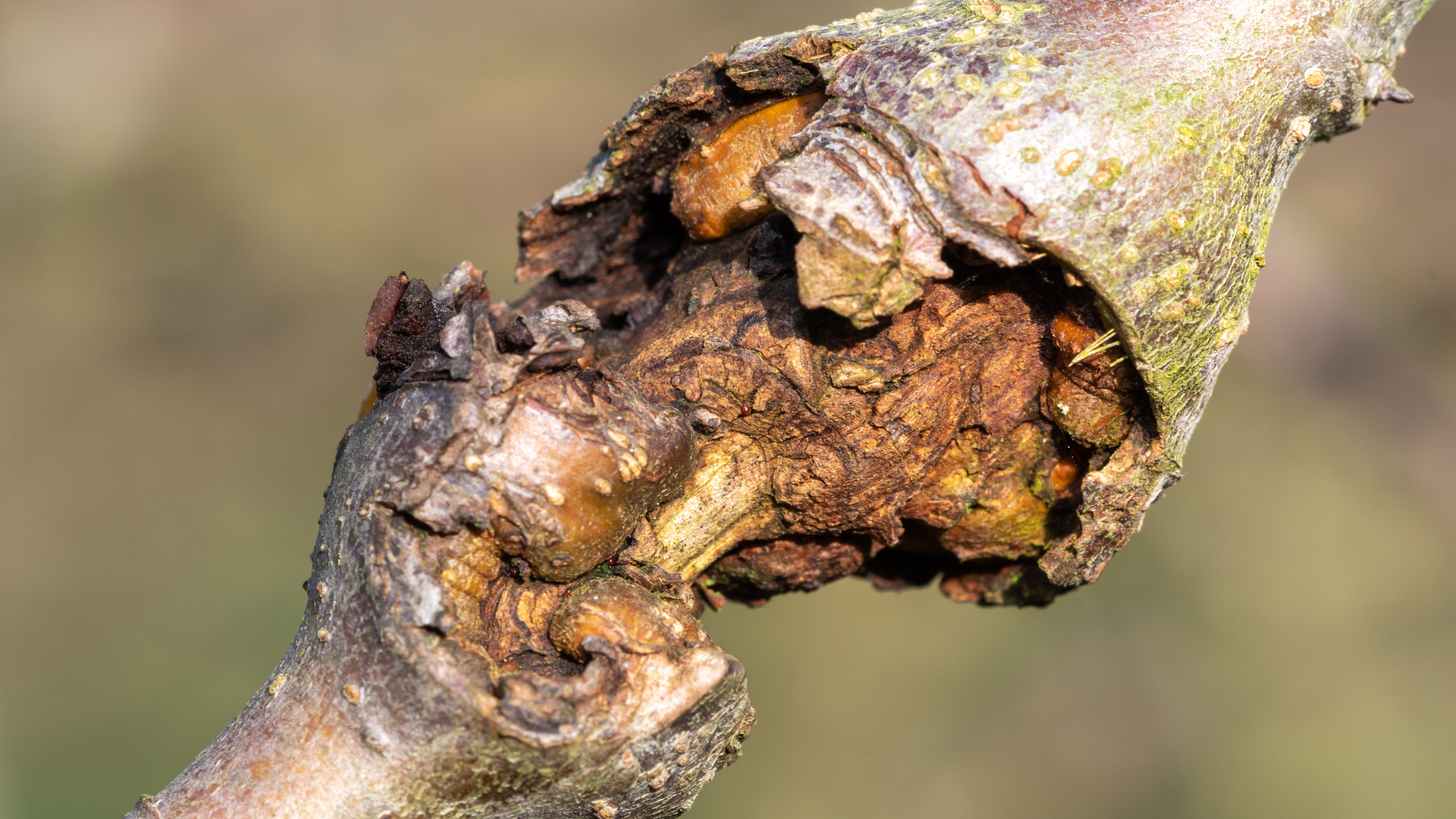
Trees often show signs of trouble long before they experience major decline. One warning sign that deserves attention is the appearance of a canker—a localized area of dead or damaged bark that develops on a trunk, branch, or stem. Cankers can be caused by fungi, bacteria, environmental injury, or a combination of stress factors, and they often reveal that a tree is struggling to defend itself.  While not every canker means a tree is doomed, these lesions can provide valuable clues about underlying health problems. Midwest Tree Surgeons helps property owners evaluate symptoms such as bark damage, dieback, discoloration, and structural weakness so that appropriate care can begin before problems become more severe.
August 6, 2026
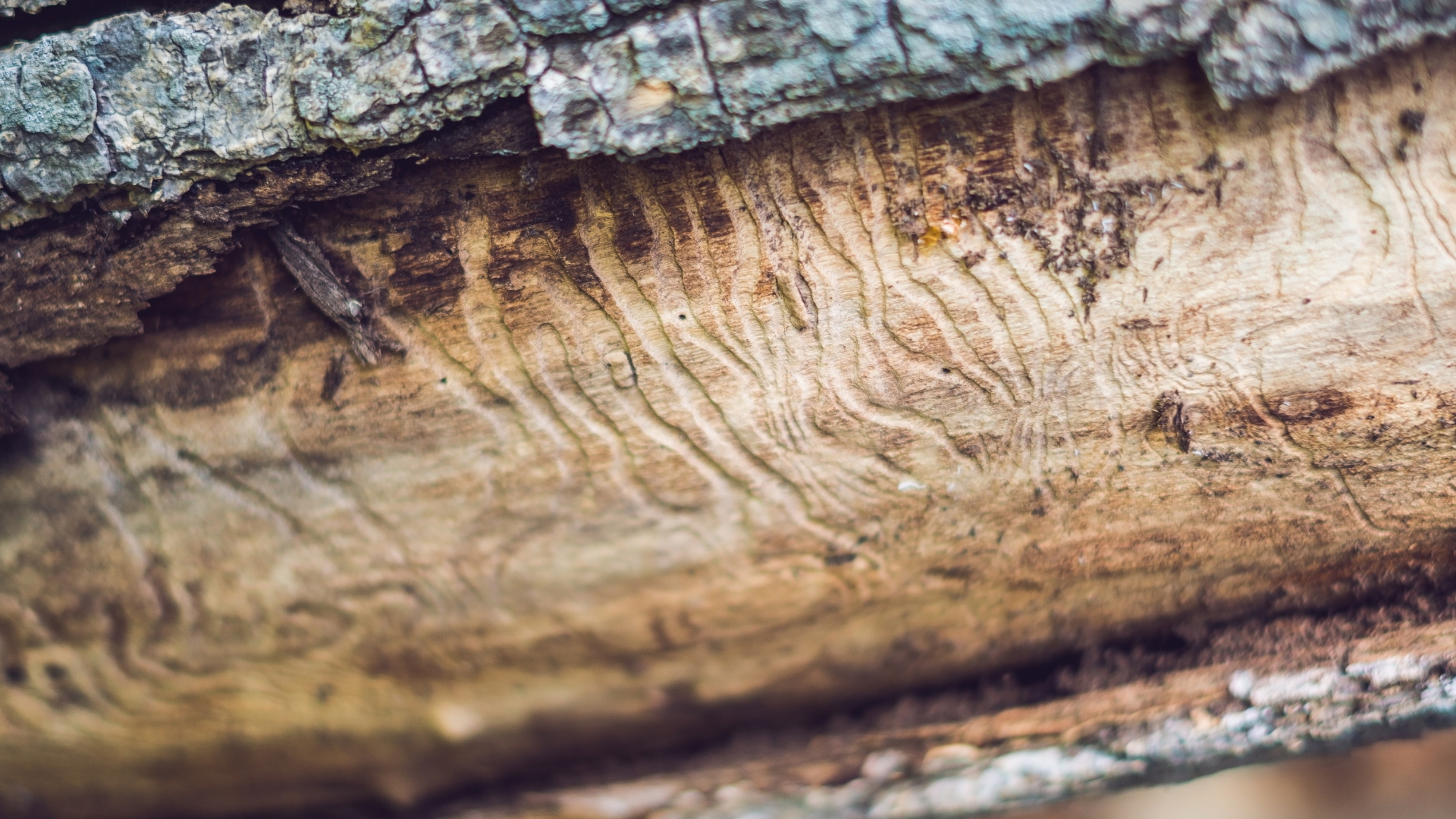
Pine trees are valued throughout the Midwest for their year-round beauty, wind protection, and ecological importance. Although these evergreens are generally hardy, they can become vulnerable to insect pests when stressed by drought, storm damage, construction activity, or disease. One group of insects that deserves particular attention is the pine bark beetle . While these beetles are small, their activity can have significant consequences for individual trees and, in some situations, entire stands of pines.  Recognizing the early signs of bark beetle activity allows property owners to respond before damage becomes more extensive. Professional evaluation is often the best way to determine whether a tree can be preserved or whether additional management measures are appropriate.
July 28, 2026
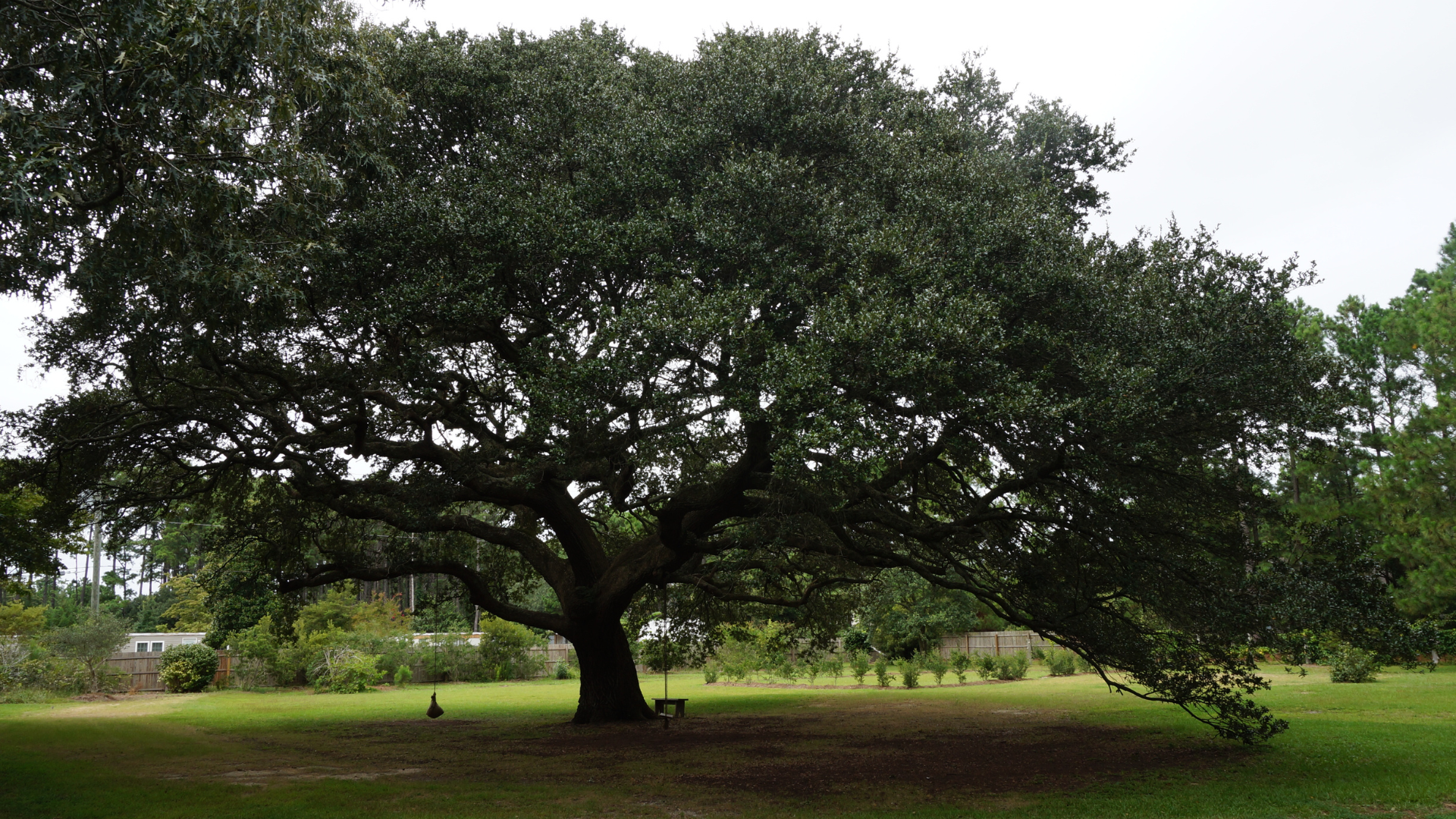
Standing beneath a towering oak or sycamore, it is easy to appreciate a tree’s size. What is less obvious is its age. Many of the mature trees found throughout Missouri and the greater American Midwest have been growing for generations, quietly enduring changing weather, shifting landscapes, and the passage of time. While no tree lives forever, some species possess remarkable longevity, allowing them to become living landmarks that connect communities with their natural history.  Understanding why certain trees live for centuries can help property owners appreciate the importance of proper tree care and preservation.
July 21, 2026
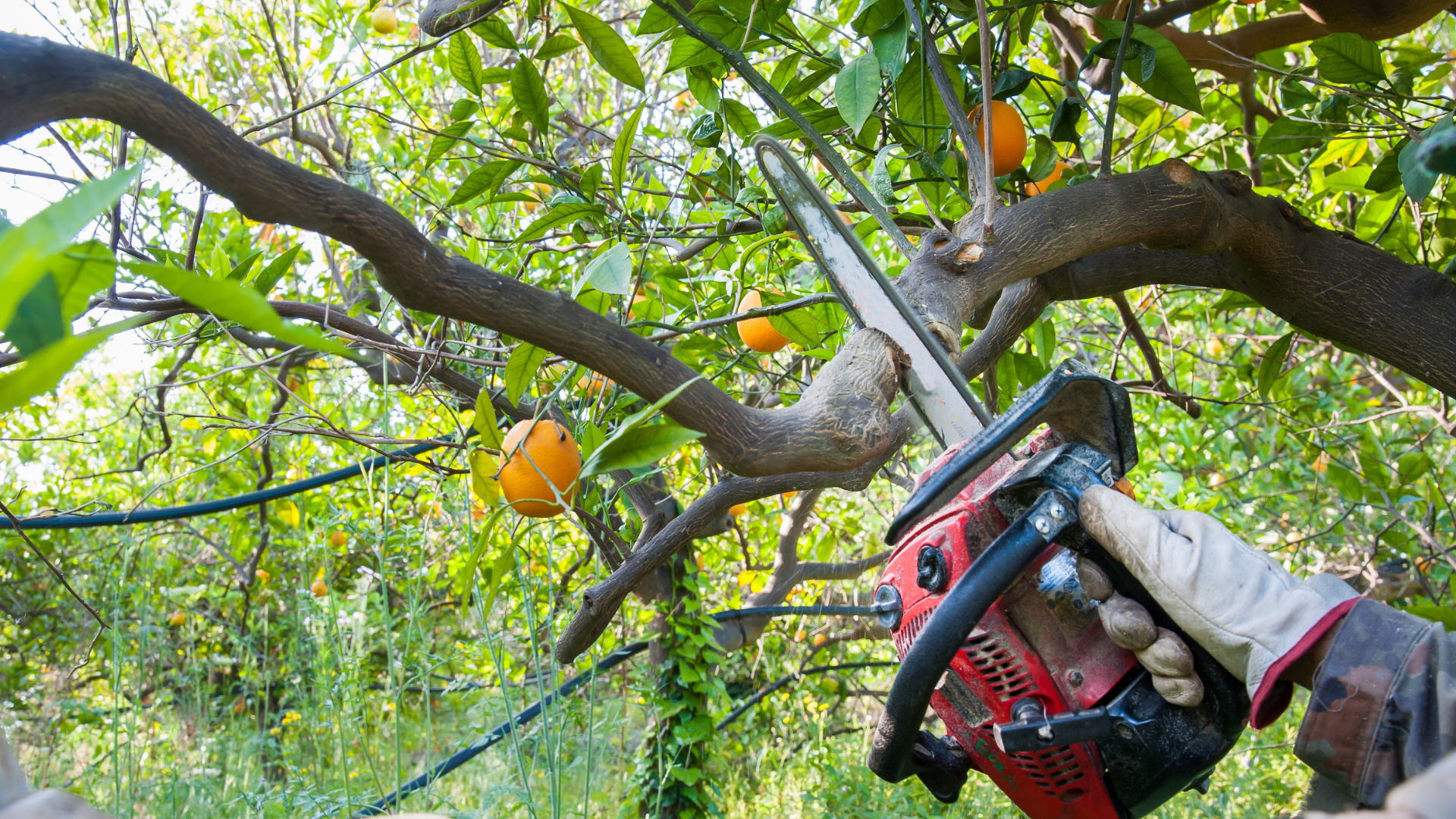
Pruning is one of the most valuable services a professional arborist can provide, yet it is often misunderstood. Some homeowners worry that removing healthy branches may harm a tree, while others assume pruning is only necessary when limbs become hazardous. In reality, proper pruning is a proactive practice that supports tree health, improves structure, and helps trees adapt to changing environmental conditions.  When performed correctly and at the appropriate time, pruning works with a tree’s natural biological processes, allowing it to continue growing safely and efficiently for years to come.
July 14, 2026
Trees are among the longest-living features on any property. A mature oak, maple, or other established tree may take decades to reach its full size, providing shade, beauty, wildlife habitat , and increased property value along the way. Because of the time and environmental benefits they represent, preserving healthy trees whenever possible is often a worthwhile investment.  Professional arborists play an important role in helping trees remain healthy, structurally sound, and capable of thriving for many years. Through regular evaluations and proactive care, they can identify potential problems early and recommend treatments that support long-term tree health.
July 8, 2026
Trees do much more than provide shade and enhance the beauty of a landscape. They are living ecosystems that support a remarkable variety of wildlife throughout every season. From nesting birds in the spring to sheltering mammals during the winter, healthy trees provide food, protection, and habitat for countless species.  For homeowners and property managers , understanding the connection between trees and wildlife offers another reason to invest in professional tree care. Proper maintenance not only helps preserve the health and appearance of trees but also supports the many forms of life that depend on them.
June 30, 2026
Trees add beauty, shade, and value to residential and commercial properties, but like any living organism, they change over time. While many trees remain healthy for decades, others may develop structural weaknesses that increase the likelihood of branch failure or even complete tree failure.  Identifying these concerns is not always straightforward. A tree may appear healthy on the outside while hiding internal defects, or it may display subtle warning signs that only a trained professional can recognize. That is why professional tree risk assessments are an important part of responsible property management. Certified arborists evaluate much more than whether a tree looks healthy. Their goal is to determine how likely a tree is to fail, what the consequences of that failure could be, and whether any corrective action is appropriate.
June 24, 2026
When planning a landscape, homeowners often focus on appearance, growth rate, shade potential, or seasonal color. While these factors certainly matter, another important consideration is whether a tree is native to the region.  Native trees have evolved alongside local soils, weather conditions, wildlife, and ecosystems for thousands of years. As a result, they often play a critical role in maintaining healthy landscapes and supporting the natural environment. Although non-native species can sometimes thrive in residential settings, native trees continue to provide unique benefits that make them valuable additions to properties and communities alike. Understanding why native trees remain important can help property owners make informed decisions about their landscapes.
More Posts