Why Topping a Tree Can Create Long-Term Problems
When a tree grows too large for its surroundings, removing the upper portion of the canopy may seem like a quick solution. This practice, commonly called tree topping, involves cutting major branches or leaders back to stubs or lateral branches that are too small to assume the terminal role.
Although
topping can immediately reduce a tree’s height, it can also create lasting structural and health problems. For homeowners concerned about an oversized or potentially hazardous tree, professional pruning is generally a better approach.

Topping Removes Too Much Foliage
Leaves are essential to a tree’s ability to produce energy through photosynthesis. When a substantial portion of the canopy is suddenly removed, the tree loses much of the leaf surface it relies on for food production.
This can place the tree under significant stress, particularly if it is already dealing with drought, disease, root damage, or other environmental challenges.
A
severely topped tree may respond by drawing on stored energy reserves to replace the lost foliage as quickly as possible.
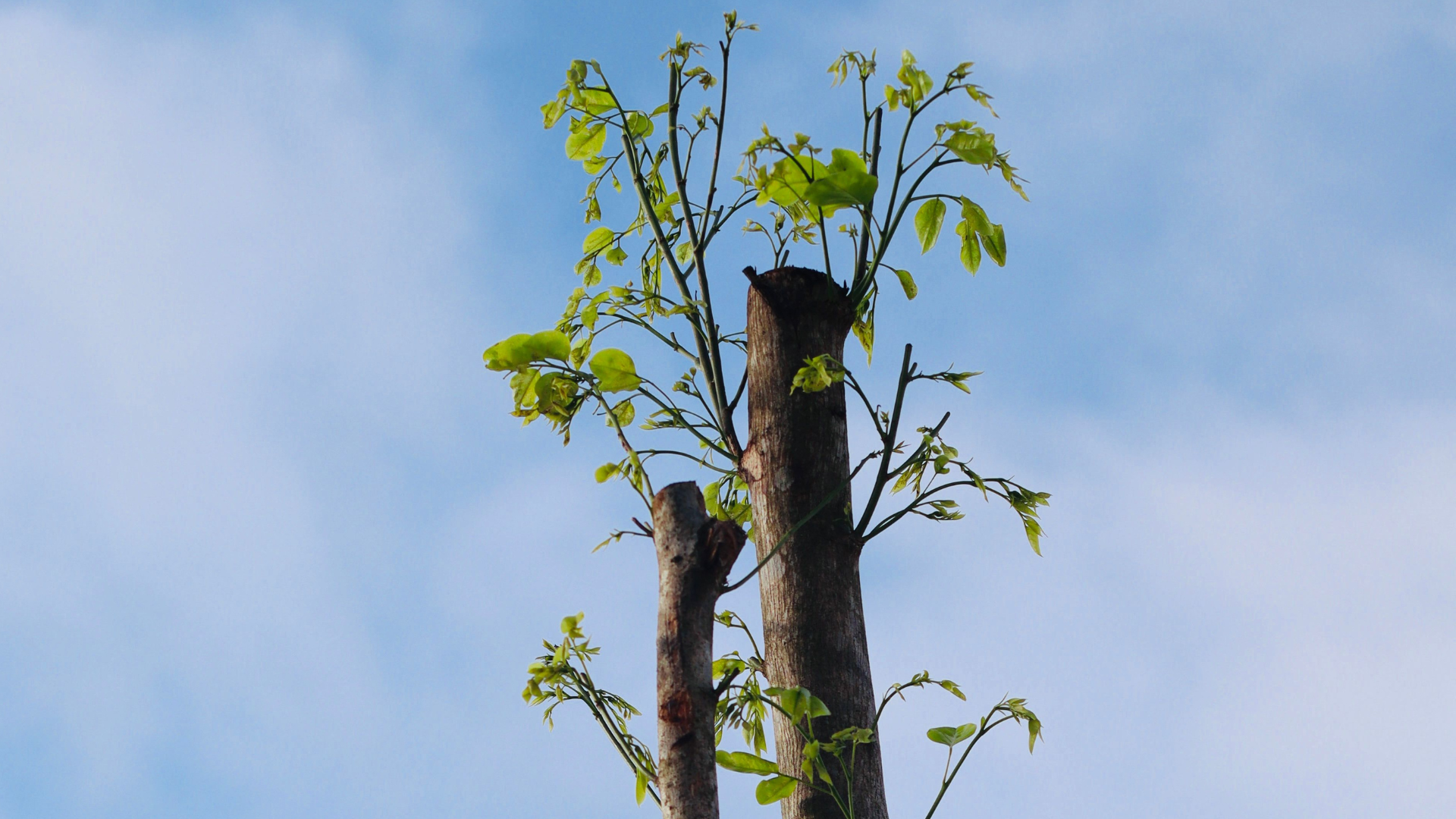
Rapid Regrowth Can Create Weak Branches
One of the most noticeable responses to topping is the sudden appearance of numerous fast-growing shoots near the cuts.
These shoots, often called epicormic sprouts or watersprouts, can grow rapidly because the tree is attempting to restore its canopy. The problem is that this new growth is often attached more weakly than naturally developed branches.
As sprouts become longer and heavier, they may be more susceptible to breaking during high winds, storms, or heavy snow and ice.
Instead of permanently making the tree safer,
topping can sometimes create a canopy filled with weaker future branch attachments.

Large Cuts Can Increase Exposure to Decay
Removing a major limb leaves behind a large wound.
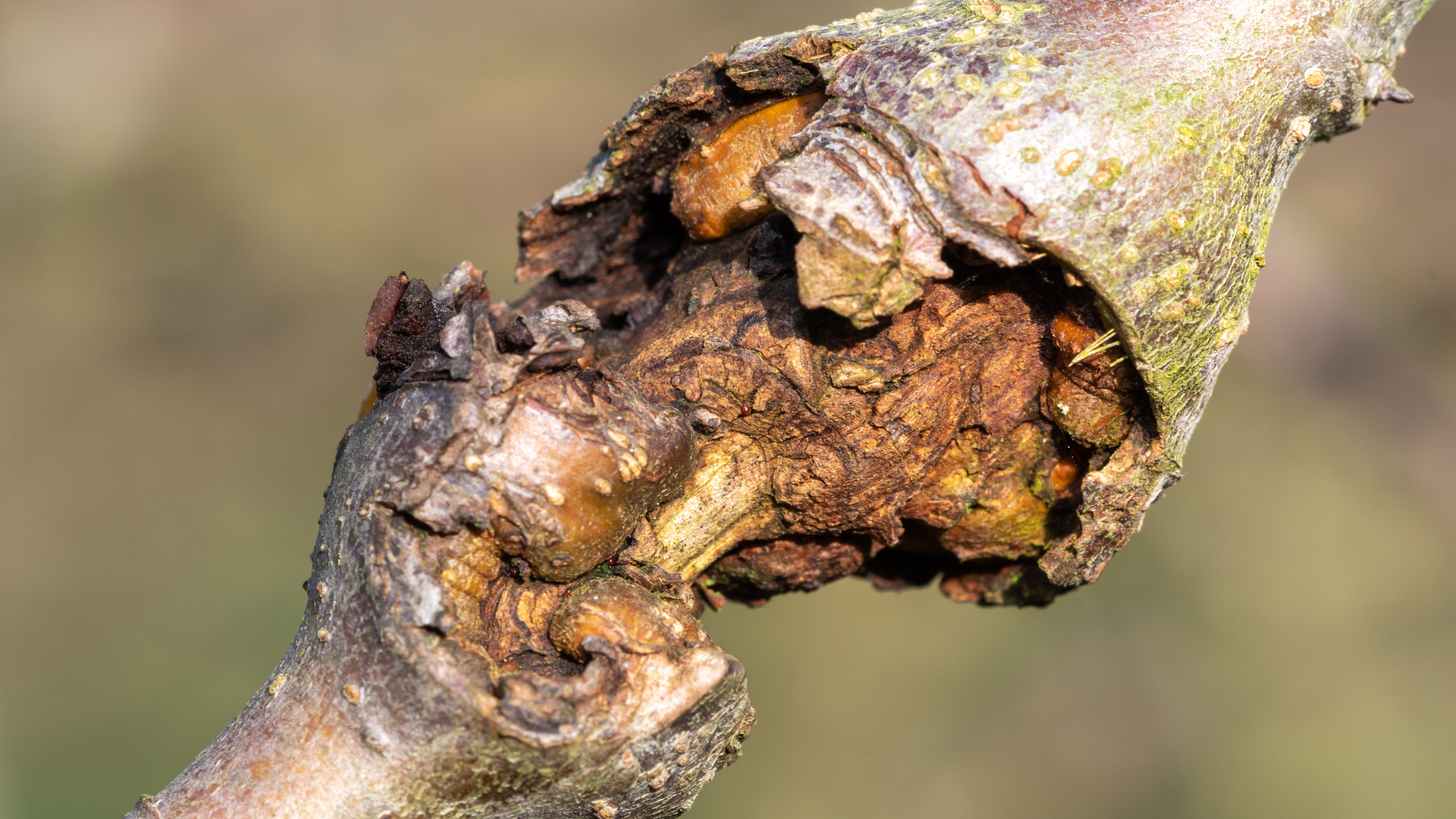
Trees do not heal wounds in the same way people do. Instead, they compartmentalize damaged tissue by forming barriers around the injured area. Large topping cuts can be difficult for a tree to seal effectively.
Exposed wood may become vulnerable to decay organisms, insects, and moisture. If decay progresses into major branches or the trunk, the tree’s structural integrity can gradually decline.
The effects may not be obvious immediately, which is one reason a topped tree can appear healthy while problems develop internally.

Topping Can Change the Tree’s Natural Structure
Every tree species develops a characteristic growth pattern.
Topping removes much of that natural structure and replaces it with dense clusters of new shoots. The result can look uneven or unnatural, even after foliage returns.
Repeated topping can make the problem worse. Homeowners may find themselves paying to cut back rapid regrowth every few years while the tree becomes increasingly dependent on ongoing corrective maintenance.
Proper pruning, by contrast, works with the tree’s existing structure.

It May Not Solve the Original Problem
Trees are often topped because they are considered too tall, too close to a structure, or potentially dangerous.
However, reducing height without considering branch architecture, tree health, species, and surrounding conditions may not address the actual concern.
If clearance is needed around a roof, utility area, driveway, or other feature, selective pruning may be able to provide the necessary space without removing large portions of the canopy.
If the tree is structurally unsound or simply unsuitable for its location, removal may sometimes be more appropriate than repeatedly trying to keep it artificially small.

Better Alternatives to Tree Topping
Professional arboricultural pruning can reduce risk while preserving as much healthy canopy as possible.
Depending on the tree, this may include removing dead or damaged limbs, reducing the length of selected branches, improving clearance, or correcting structural problems.
Crown reduction, when appropriate, uses carefully selected pruning cuts to decrease the height or spread of a tree while maintaining a more natural branch structure. It is very different from indiscriminately cutting major limbs back to stubs.
The appropriate approach depends on the species, age, condition, and location of the individual tree.

Protect the Tree’s Long-Term Structure
Tree topping may provide an immediate visual reduction in height, but the long-term consequences can include stress, weak regrowth, decay, repeated maintenance, and greater structural concerns.
Midwest Tree Surgeons provides professional tree pruning, risk assessment, tree care, and removal services. If a tree has become too large, is interfering with nearby structures, or has already been topped in the past, contact
Midwest Tree Surgeons for an evaluation. A thoughtful pruning plan can address the immediate concern while giving proper consideration to the tree’s health, structure, and long-term safety.