How Seasonal Freeze and Thaw Cycles Affect Tree Health in the Midwest

December 16, 2025

In the Midwest, trees are exposed to some of the most challenging seasonal conditions in the country. One of the most significant stressors is the repeated freeze and thaw cycle that occurs from late fall through early spring. While trees are naturally adapted to cold weather, fluctuating temperatures can place considerable strain on their structure, root systems, and overall health. At Midwest Tree Surgeons, we regularly assess trees that have been impacted by these seasonal shifts and help property owners understand how freeze and thaw patterns affect long term tree stability.
What Happens During Freeze and Thaw Cycles

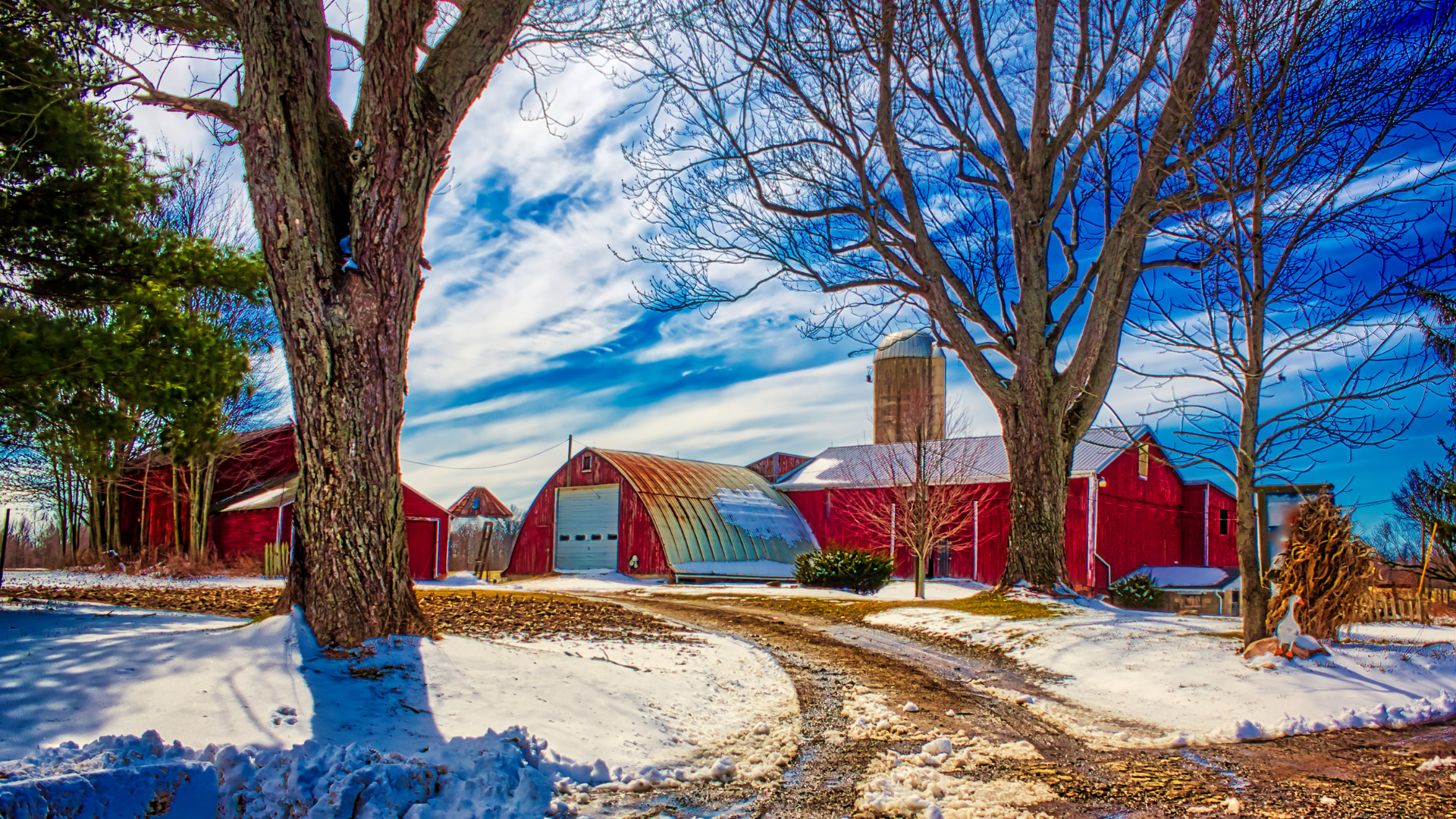
Freeze and thaw cycles occur when temperatures rise above freezing during the day and drop below freezing at night. This constant expansion and contraction affects soil, bark, and internal tree tissues. Moisture within the soil and tree cells expands as it freezes and contracts as it thaws. Over time, this movement can weaken both the tree and the ground supporting it.


Unlike steady cold conditions, fluctuating temperatures prevent trees from remaining in a stable dormant state. This repeated disruption can lead to physical damage that is not always visible immediately.
Root System Stress and Soil Movement

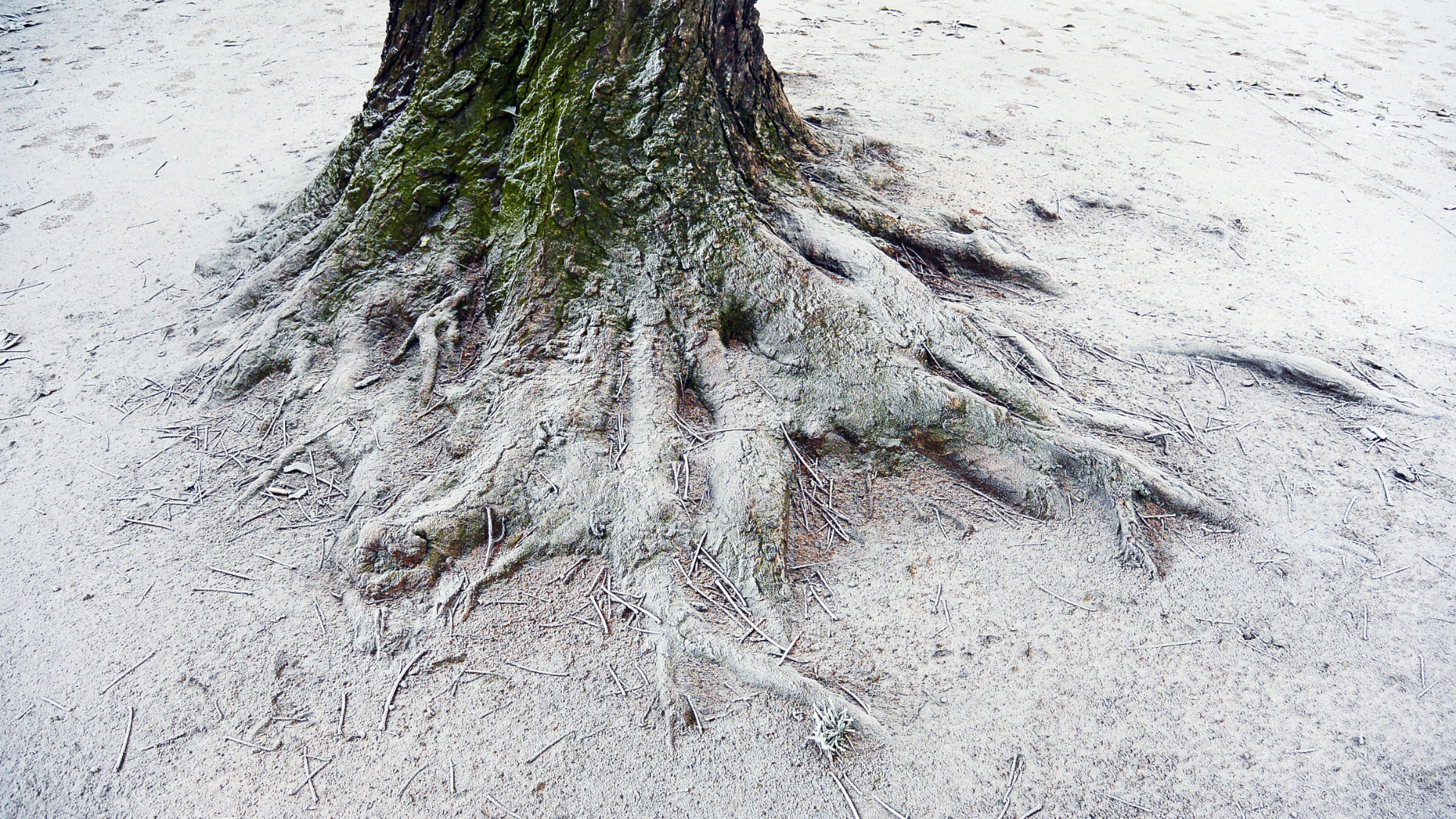
One of the most affected areas during freeze and thaw cycles is the root system. As soil freezes, it expands and can lift or shift roots closer to the surface. When the soil thaws, it may settle unevenly. This movement can break fine feeder roots that are essential for water and nutrient absorption.


In areas with poor drainage, freeze and thaw cycles may also cause soil compaction or erosion. Compacted soil limits oxygen availability to roots, while erosion can expose them. Both conditions increase stress and reduce a tree’s ability to anchor itself securely.
Frost Cracks and Bark Damage

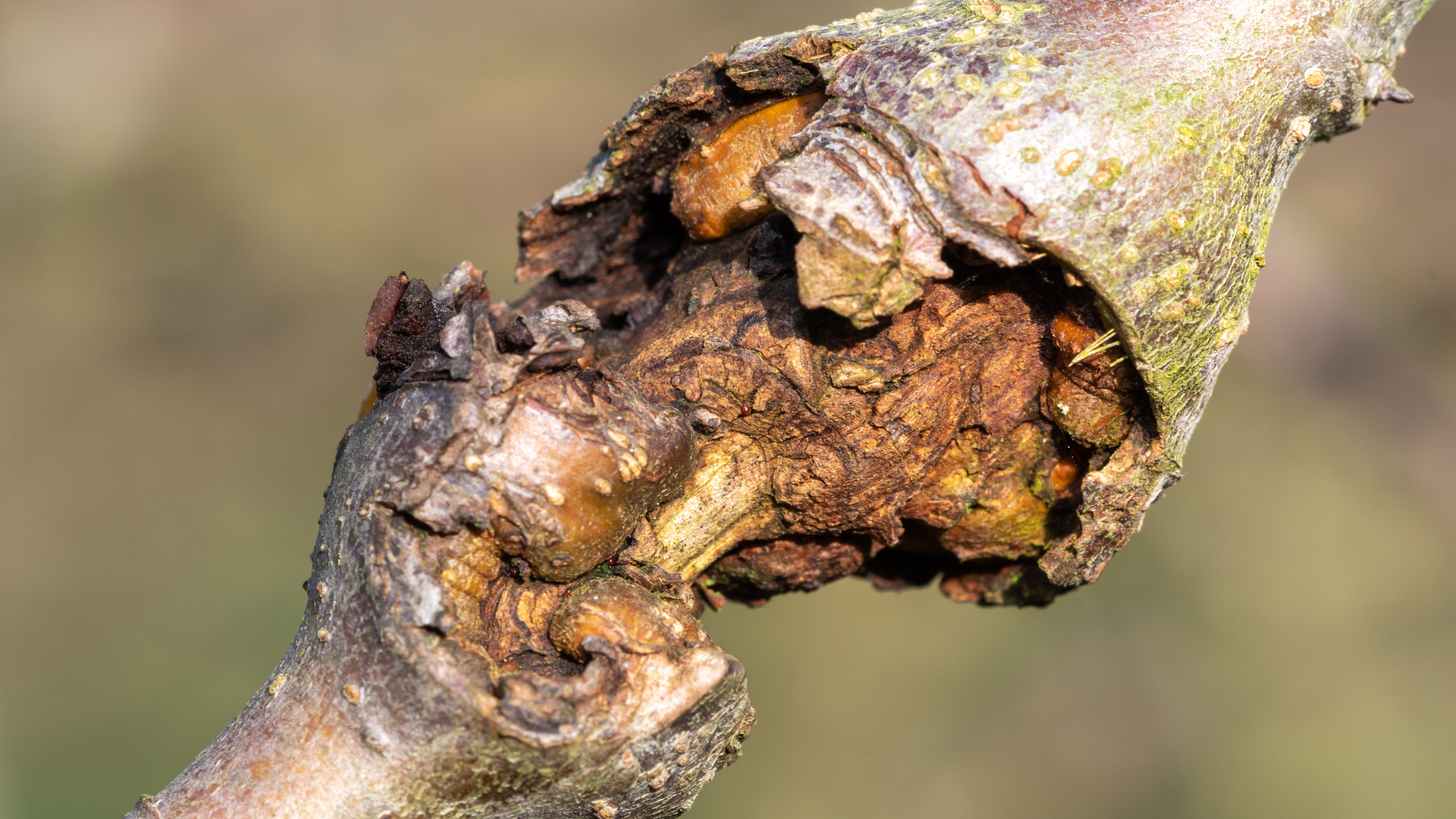
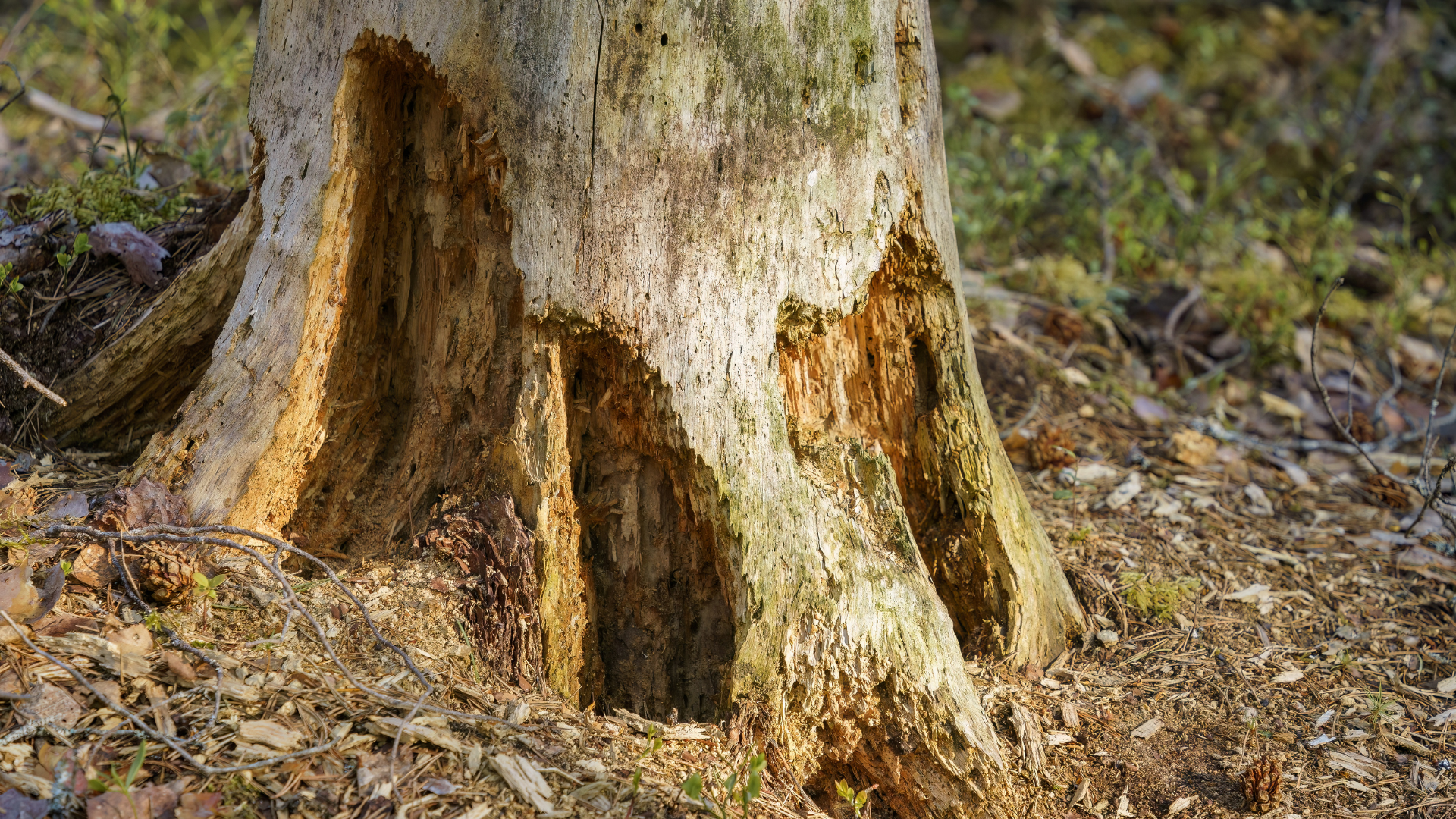
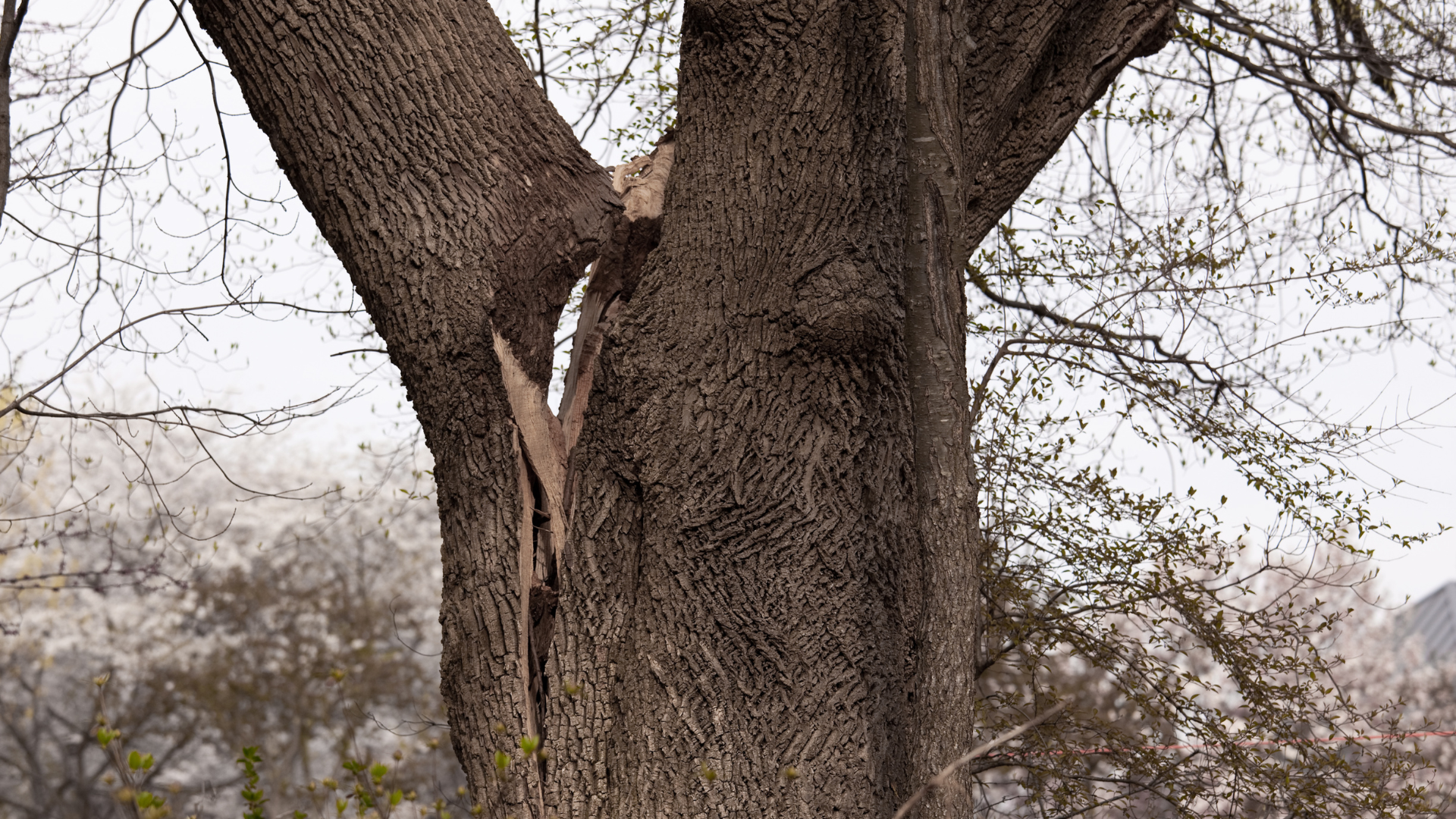
Rapid temperature changes can also damage tree bark. When daytime temperatures warm the outer bark and nighttime temperatures drop quickly, the inner wood may cool at a different rate. This uneven contraction can cause vertical splits known as frost cracks.


Frost cracks weaken the tree’s protective barrier and create entry points for insects, fungi, and decay organisms. While a tree may survive a single crack, repeated damage over multiple seasons can compromise structural integrity and increase failure risk.
Branch Failure and Structural Weakness

Freeze and thaw cycles contribute to branch failure in several ways. Moisture within branches can freeze and expand, creating internal stress that weakens wood fibers. Over time, this stress can lead to cracking or splitting, particularly in already compromised limbs.


Additionally, snow and ice accumulation add weight to branches. When combined with wood weakened by temperature fluctuations, this extra load increases the likelihood of breakage. Trees with dense canopies or existing defects are especially vulnerable.
Increased Risk After Winter Storms

Trees that appear stable after winter may still have hidden damage caused by freeze and thaw cycles. Structural weaknesses often become apparent during spring storms when wind and rain place additional stress on compromised trees. Leaning trees, lifted root plates, and cracked limbs are common signs of underlying issues.


Because damage may develop gradually, professional evaluation is important before problems escalate. Early identification allows for proactive management and risk reduction.

The Importance of Professional Assessment

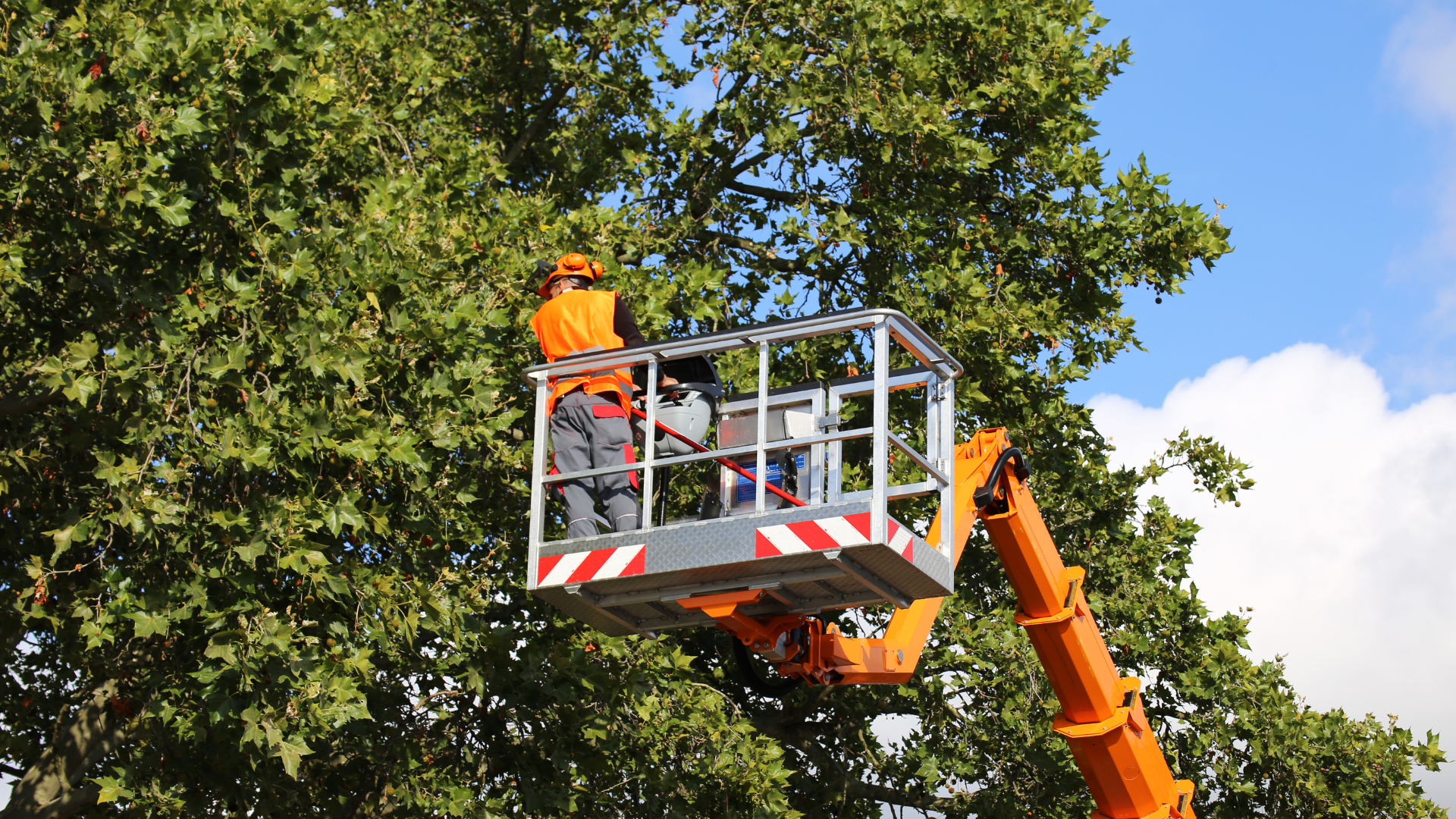
Understanding how freeze and thaw cycles affect trees requires careful inspection and experience. At Midwest Tree Surgeons, we evaluate trees for signs of root movement, bark damage, and structural instability. These assessments help determine whether a tree can recover or if intervention is necessary to protect surrounding property.


Proactive evaluations are especially important for mature trees near homes, driveways, and utility lines. Addressing risks early helps prevent sudden failures and costly damage.
Protecting Tree Health Through Awareness

Seasonal freeze and thaw cycles are unavoidable in the Midwest, but their impact on tree health should not be overlooked. Root stress, bark damage, and structural weakening can develop quietly over time. By understanding these effects and scheduling professional evaluations when concerns arise, property owners can better protect both their trees and their property. At Midwest Tree Surgeons, we are committed to helping homeowners identify seasonal risks and make informed decisions that support long term tree safety and stability.

July 28, 2026
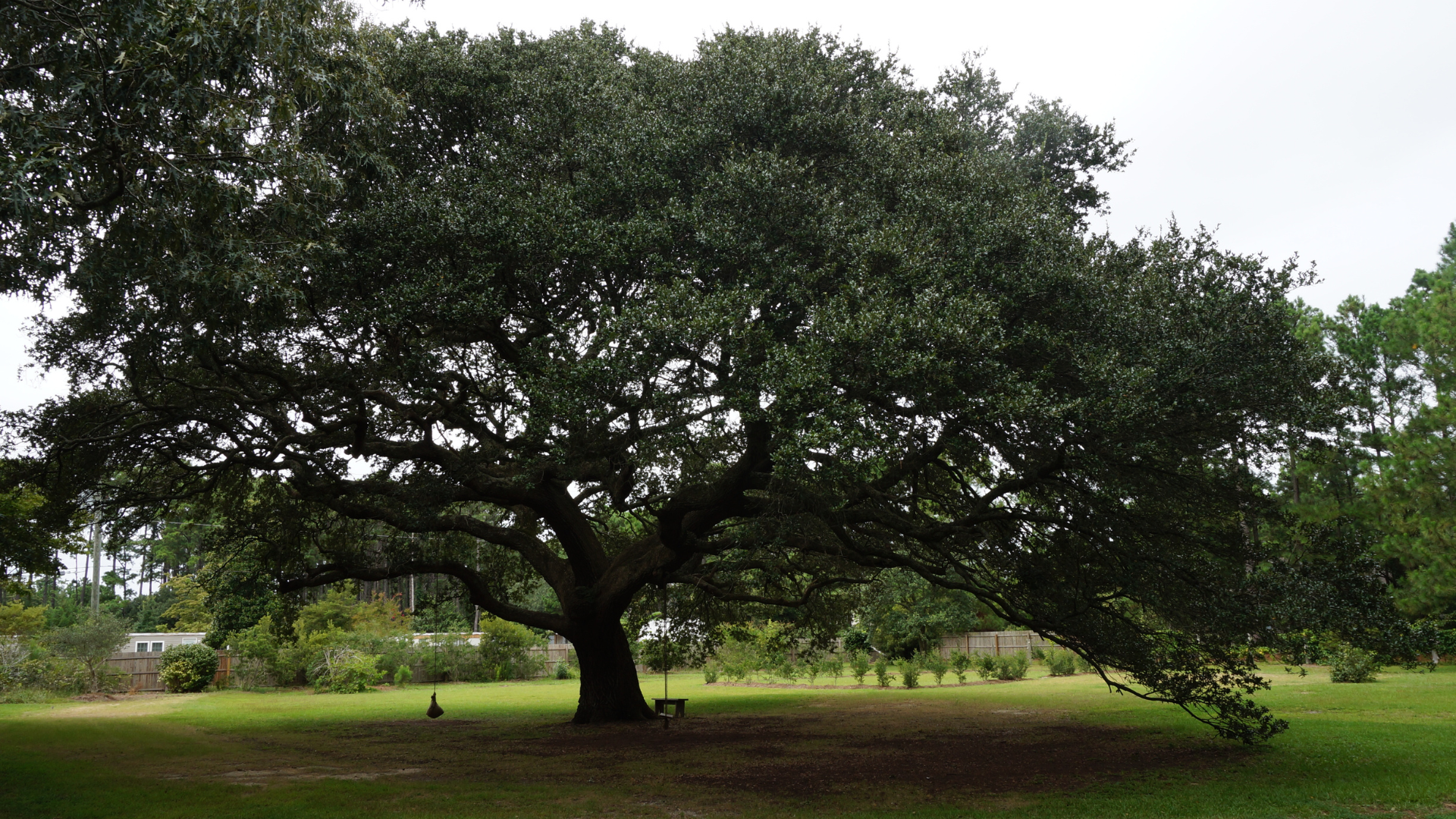
Standing beneath a towering oak or sycamore, it is easy to appreciate a tree’s size. What is less obvious is its age. Many of the mature trees found throughout Missouri and the greater American Midwest have been growing for generations, quietly enduring changing weather, shifting landscapes, and the passage of time. While no tree lives forever, some species possess remarkable longevity, allowing them to become living landmarks that connect communities with their natural history.  Understanding why certain trees live for centuries can help property owners appreciate the importance of proper tree care and preservation.
July 21, 2026
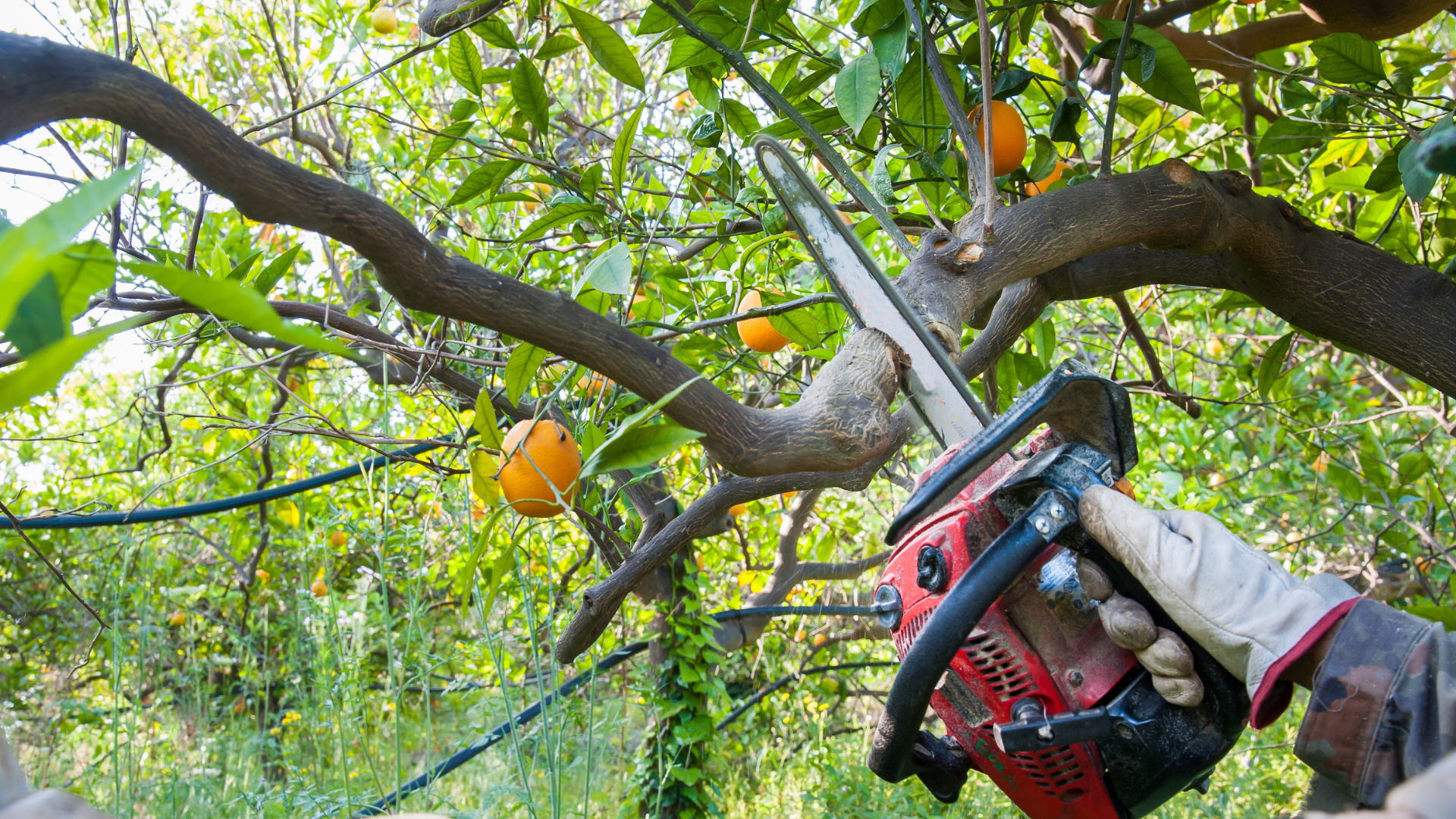
Pruning is one of the most valuable services a professional arborist can provide, yet it is often misunderstood. Some homeowners worry that removing healthy branches may harm a tree, while others assume pruning is only necessary when limbs become hazardous. In reality, proper pruning is a proactive practice that supports tree health, improves structure, and helps trees adapt to changing environmental conditions.  When performed correctly and at the appropriate time, pruning works with a tree’s natural biological processes, allowing it to continue growing safely and efficiently for years to come.
July 14, 2026
Trees are among the longest-living features on any property. A mature oak, maple, or other established tree may take decades to reach its full size, providing shade, beauty, wildlife habitat , and increased property value along the way. Because of the time and environmental benefits they represent, preserving healthy trees whenever possible is often a worthwhile investment.  Professional arborists play an important role in helping trees remain healthy, structurally sound, and capable of thriving for many years. Through regular evaluations and proactive care, they can identify potential problems early and recommend treatments that support long-term tree health.
July 8, 2026
Trees do much more than provide shade and enhance the beauty of a landscape. They are living ecosystems that support a remarkable variety of wildlife throughout every season. From nesting birds in the spring to sheltering mammals during the winter, healthy trees provide food, protection, and habitat for countless species.  For homeowners and property managers , understanding the connection between trees and wildlife offers another reason to invest in professional tree care. Proper maintenance not only helps preserve the health and appearance of trees but also supports the many forms of life that depend on them.
June 30, 2026
Trees add beauty, shade, and value to residential and commercial properties, but like any living organism, they change over time. While many trees remain healthy for decades, others may develop structural weaknesses that increase the likelihood of branch failure or even complete tree failure.  Identifying these concerns is not always straightforward. A tree may appear healthy on the outside while hiding internal defects, or it may display subtle warning signs that only a trained professional can recognize. That is why professional tree risk assessments are an important part of responsible property management. Certified arborists evaluate much more than whether a tree looks healthy. Their goal is to determine how likely a tree is to fail, what the consequences of that failure could be, and whether any corrective action is appropriate.
June 24, 2026
When planning a landscape, homeowners often focus on appearance, growth rate, shade potential, or seasonal color. While these factors certainly matter, another important consideration is whether a tree is native to the region.  Native trees have evolved alongside local soils, weather conditions, wildlife, and ecosystems for thousands of years. As a result, they often play a critical role in maintaining healthy landscapes and supporting the natural environment. Although non-native species can sometimes thrive in residential settings, native trees continue to provide unique benefits that make them valuable additions to properties and communities alike. Understanding why native trees remain important can help property owners make informed decisions about their landscapes.
June 17, 2026
Summer brings plenty of activity to the landscape , but not all of it is beneficial. While homeowners often focus on watering, mowing, and maintaining their outdoor spaces during the warmer months, another seasonal visitor can create significant problems for trees and plants: the Japanese beetle.  Japanese beetles are among the most recognizable insect pests found throughout much of the Midwest. Their metallic green bodies and copper-colored wings make them easy to identify, but the damage they leave behind is often what attracts the most attention. During peak summer months, large populations of these insects can feed on a variety of trees and ornamental plants, affecting both appearance and overall plant health. Understanding how Japanese beetles impact trees can help homeowners recognize potential problems and determine when professional assistance may be beneficial.
June 9, 2026
Most homeowners enjoy seeing woodpeckers in their yard. These distinctive birds are a familiar part of many Midwestern landscapes and often attract attention with their unique appearance and unmistakable tapping sounds. While occasional woodpecker activity is perfectly normal, repeated pecking on a particular tree can sometimes indicate that something else is happening beneath the bark.  In many cases, woodpeckers are not interested in the tree itself. They are searching for food. When a tree begins attracting significant woodpecker activity, it may be worth taking a closer look at the tree’s overall health.
June 3, 2026
Summer is a busy season for trees. While homeowners often focus on growth, shade, and landscaping during the warmer months, it is also the time of year when many insect populations become more active. Among the most common tree pests are sap-feeding insects, which can quietly affect tree health without attracting immediate attention.  Many homeowners notice symptoms such as sticky leaves, discolored foliage, or unusual insect activity without realizing that sap-feeding pests may be the cause. Understanding these insects and recognizing early warning signs can help property owners address problems before they become more serious. Midwest Tree Surgeons regularly helps homeowners evaluate tree health concerns, including damage caused by insects and environmental stress. Early identification remains one of the most effective ways to protect valuable landscape trees.
May 26, 2026
Summer is often associated with healthy green landscapes and active plant growth, but extended heat and dry conditions can place significant stress on trees. While mature trees may appear stable and resilient from the outside, prolonged summer heat can quietly affect their internal health, moisture balance, and long-term structural stability.  At Midwest Tree Surgeons, we help homeowners understand how environmental stress affects trees throughout the growing season and why summer inspections can be an important part of long-term tree care.
More Posts