How Tree Roots Can Affect Your Foundation and Plumbing

August 1, 2025

Protecting Your Property from Underground Damage

Trees offer countless benefits: shade, privacy, curb appeal, and cleaner air. But when their roots grow unchecked, they can also become a costly threat to your property. For homeowners in the Midwest, root systems from mature or poorly placed trees can lead to serious damage below ground. Foundations can crack. Pipes can rupture. And what starts as a small root intrusion can quickly grow into a major headache.


At Midwest Tree Surgeons, we understand both the value of mature trees and the importance of protecting your home. Here is what you need to know about invasive roots and how to address them before they cause long-term damage.

Squirrel eating a nut next to a tree in a sunny park. Its grey fur and bushy tail are visible.

How Tree Roots Cause Damage

Tree roots naturally grow toward water and nutrients, which often means your underground plumbing and irrigation systems. They also extend in search of oxygen, making cracks or gaps in your foundation a prime target.


Here are the most common issues caused by root intrusion:

  • Cracked or shifting foundations: Roots do not technically “break through” solid concrete, but they can exploit existing weaknesses. Over time, the expanding pressure can worsen foundation cracks, leading to shifting or settling.
  • Broken sewer or water lines: Roots can infiltrate small openings in underground pipes, especially older clay or cast-iron systems. Once inside, they grow and block water flow or cause complete pipe collapse.
  • Damaged driveways and sidewalks: Surface-level root systems can lift concrete slabs, leading to trip hazards and costly repairs.

A green hose extends from an open manhole. A rusty, circular cover sits behind the opening.

Warning Signs to Watch For

Many homeowners miss the early indicators of root-related damage. Keep an eye out for these common warning signs:

  • Uneven floors or visible cracks in walls and ceilings
  • Slow drains or frequent plumbing backups
  • Damp or moldy spots in the basement
  • Tree roots visible above ground near the foundation
  • Bulging or cracked sidewalks and driveways


These symptoms may not always point directly to root intrusion, but they are red flags worth investigating, especially if there are large, mature trees near your home.
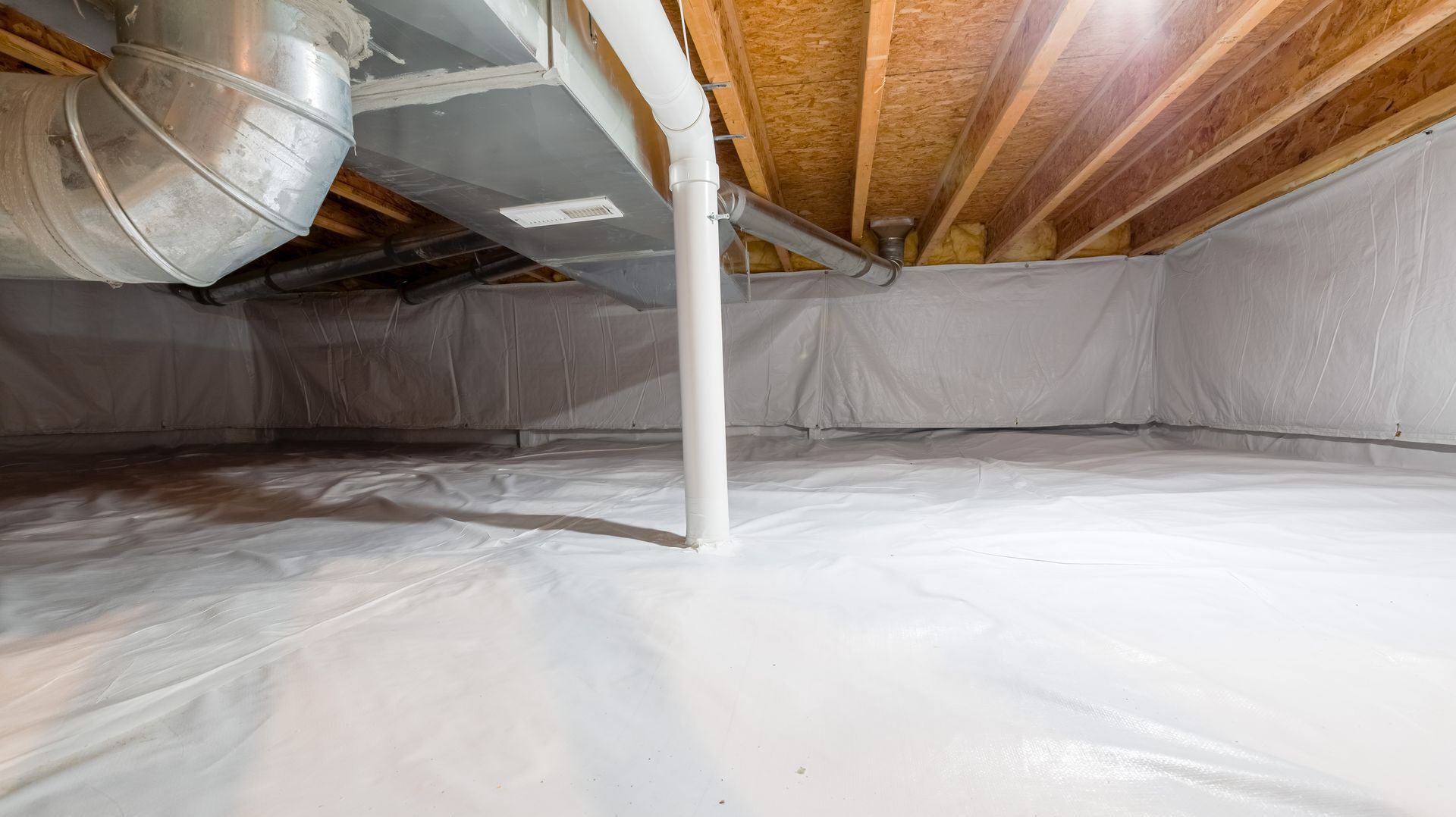
A crawl space with white vapor barrier on the walls and floor, wooden joists, and ductwork overhead.

Tree Types to Watch

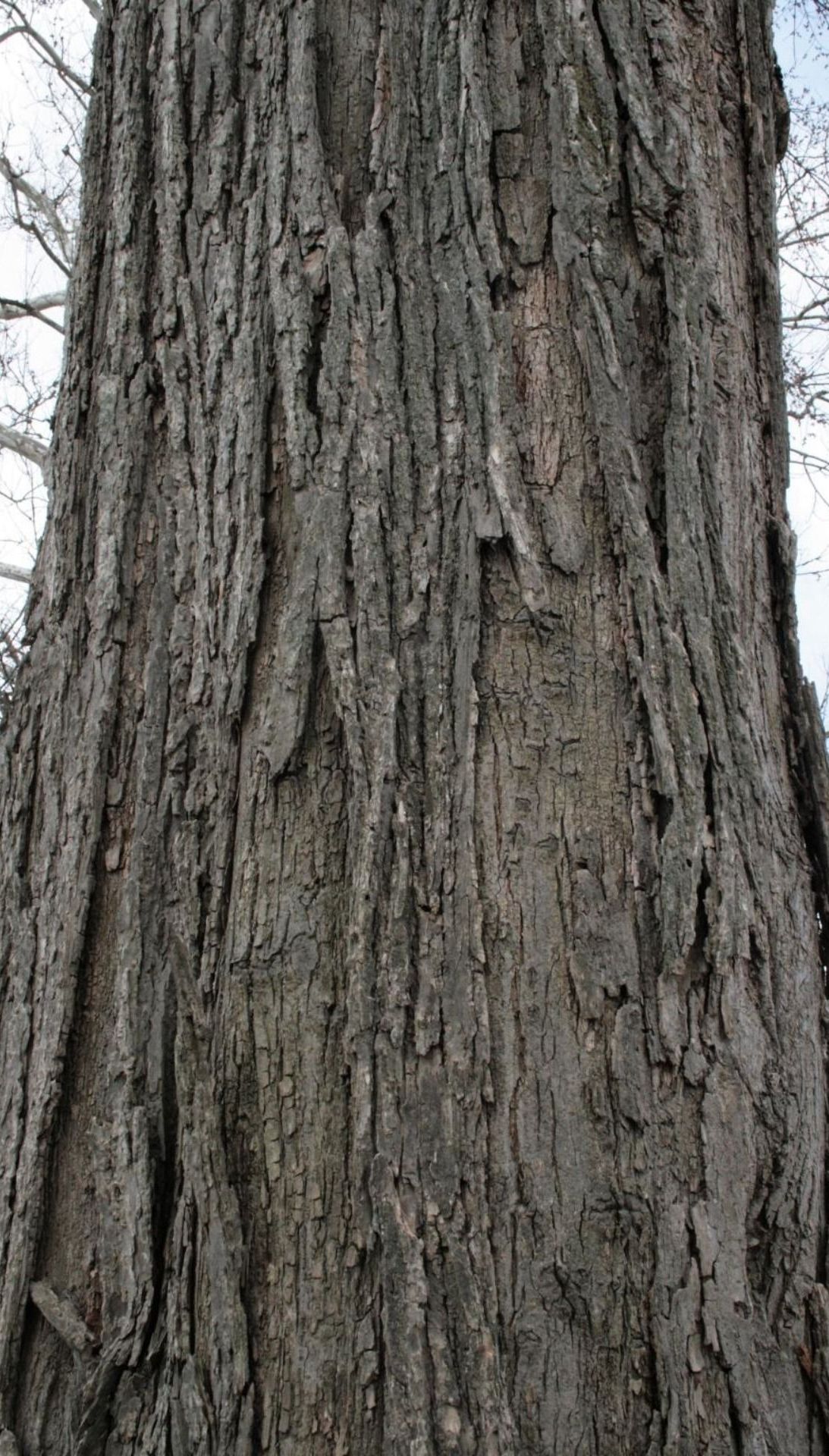
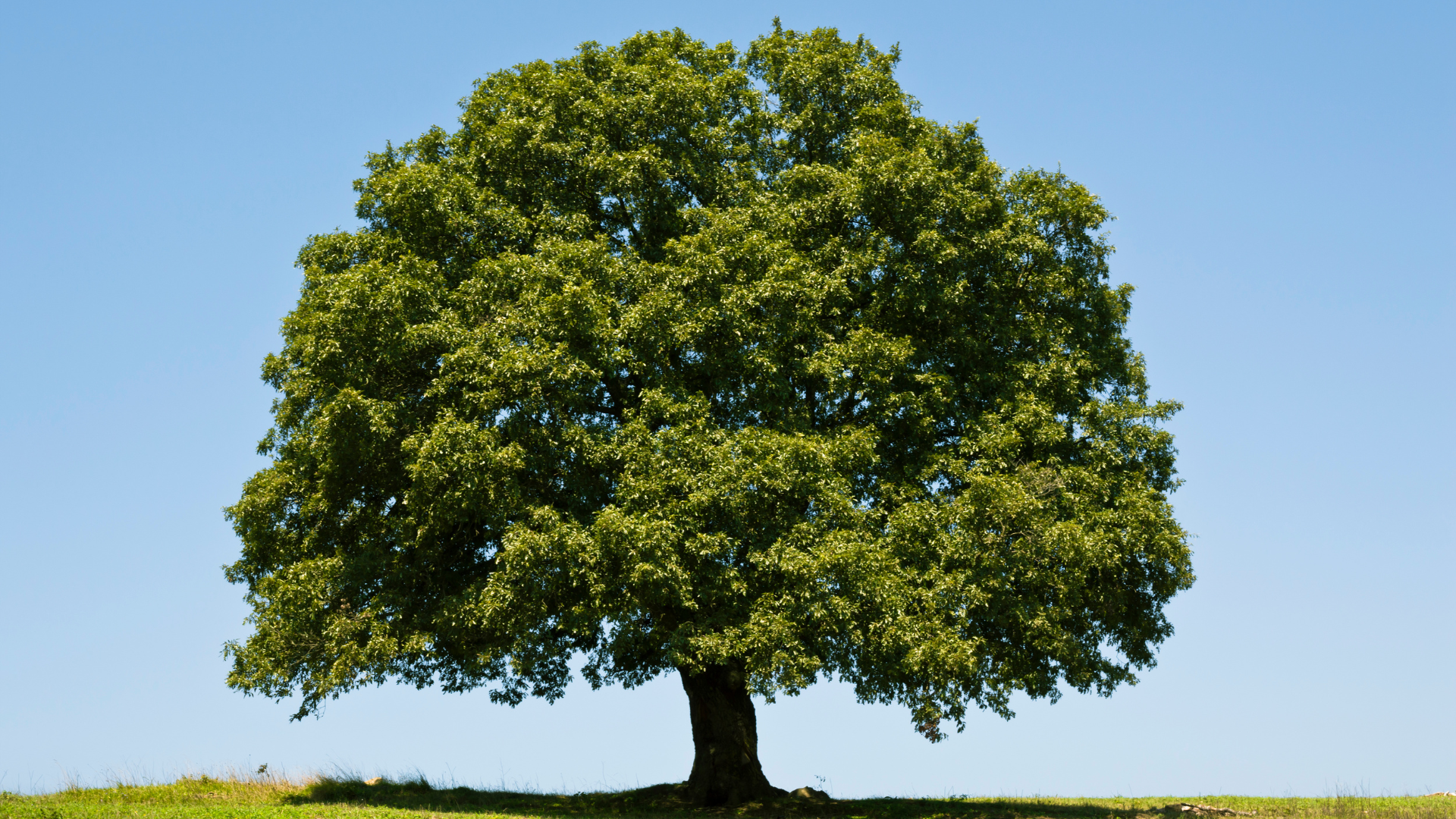
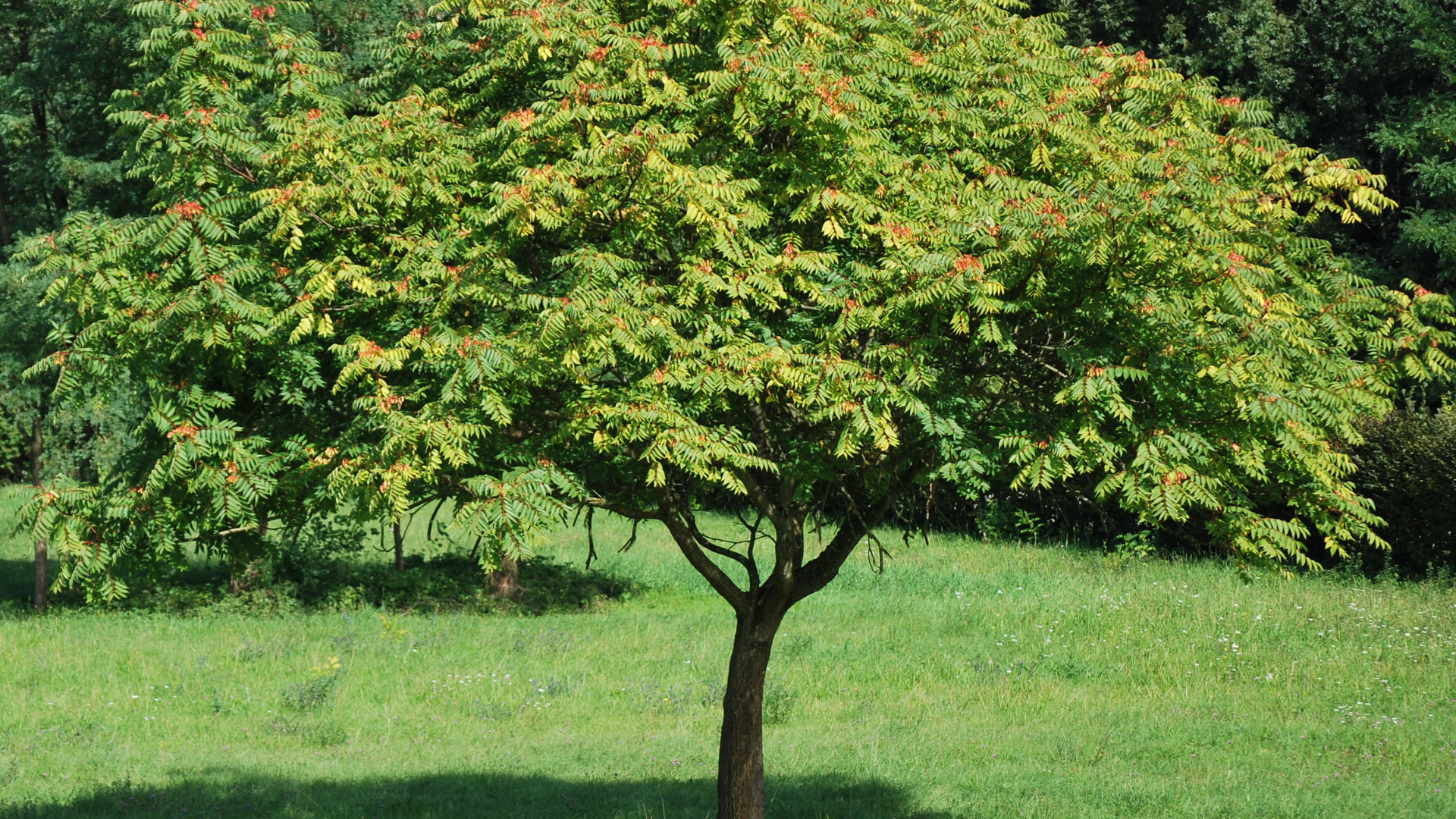
Some trees are more aggressive than others. Species with fast-growing or wide-spreading root systems can be particularly problematic. In the Midwest, trees that commonly cause root intrusion issues include:


If you have any of these near your house, driveway, or septic system, it is worth consulting with a certified arborist about potential risks.
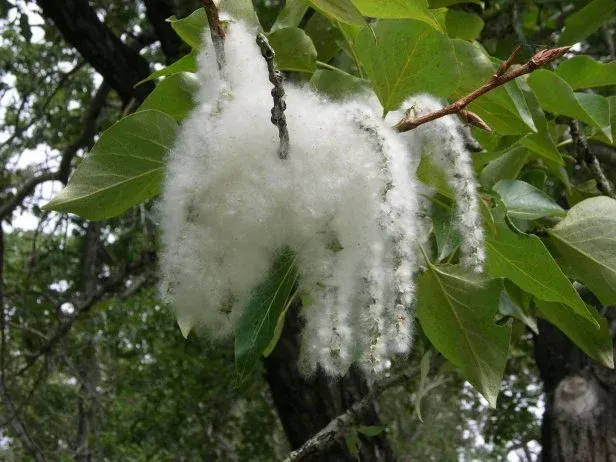
Cottonwood tree branch with dangling, fluffy white seed pods against green leaves.

What You Can Do

1. Consult a Professional Arborist

Do not guess when it comes to root systems. An arborist can assess the health of your trees, evaluate their placement, and determine whether roots pose a structural risk to your home.


2. Consider Strategic Tree Removal

If a tree’s roots have already infiltrated your foundation or pipes, removal may be the most cost-effective option. At Midwest Tree Surgeons, we remove hazardous trees safely and cleanly, minimizing disruption while preventing future damage.
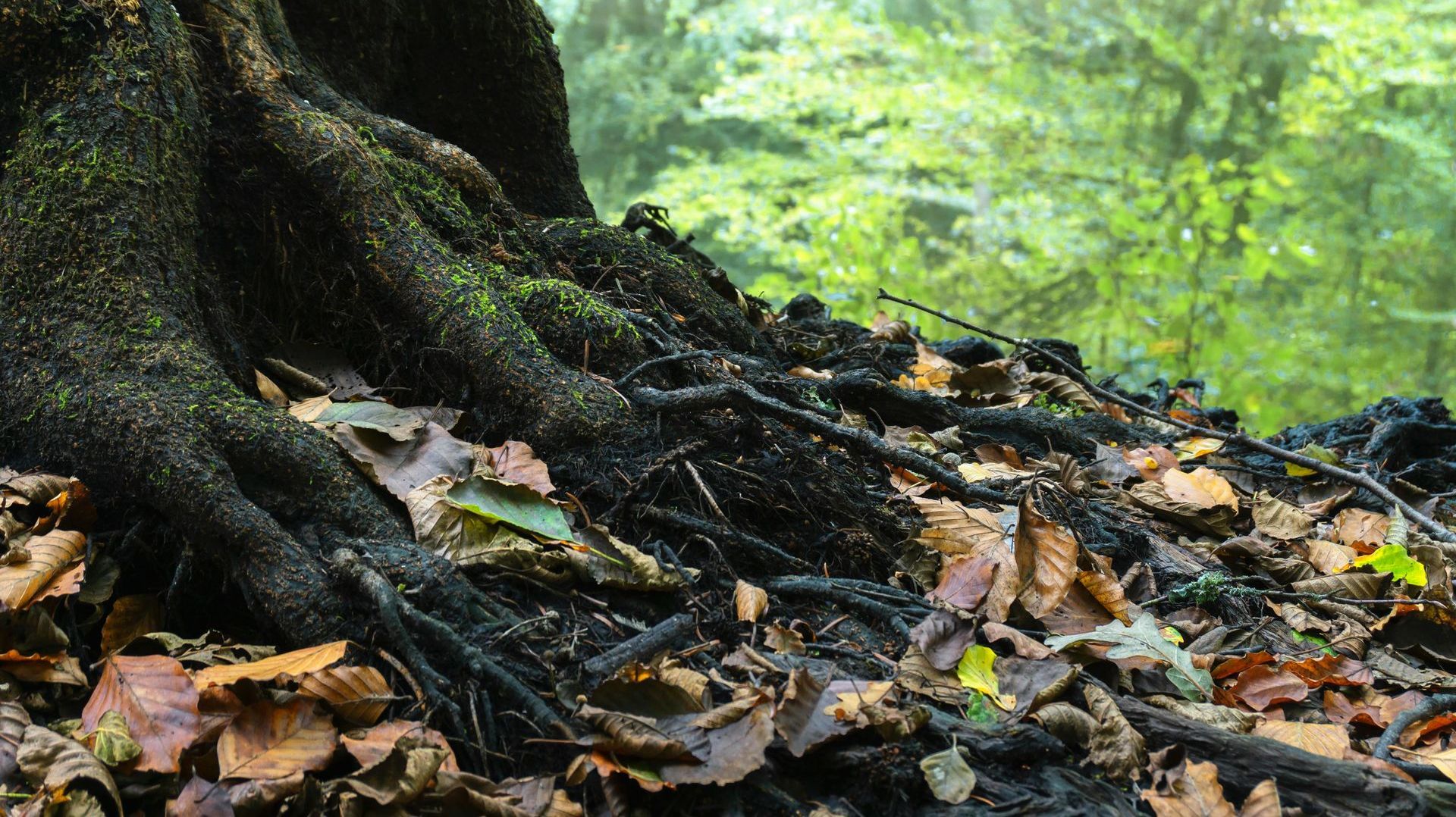
Dark, gnarled tree roots spreading across the forest floor covered in fallen leaves, with a blurred green background.

3. Root Barrier Installation

In cases where you want to preserve a tree but protect your home, root barriers can redirect growth away from foundations and utilities. These are best installed by professionals to ensure they are properly placed and do not harm the tree.


4. Regular Monitoring

Older homes with mature trees should be inspected regularly. Preventative assessments by an arborist can catch problems early and recommend action before damage occurs.

Empty, unfinished basement with concrete block walls, exposed wooden beams, and a concrete floor. A staircase leads upwards.

Protect Your Property Without Sacrificing Tree Health

It is entirely possible to balance tree preservation with home protection if you act early and make informed decisions. Ignoring invasive roots can lead to thousands of dollars in repairs and, in extreme cases, structural instability.


At Midwest Tree Surgeons, we specialize in identifying and resolving root-related issues. Whether you need professional guidance, root pruning, or safe tree removal, our team is here to help.


Do not wait for cracks or plumbing backups to tell you something is wrong. Schedule a consultation today and protect your property from the ground up.
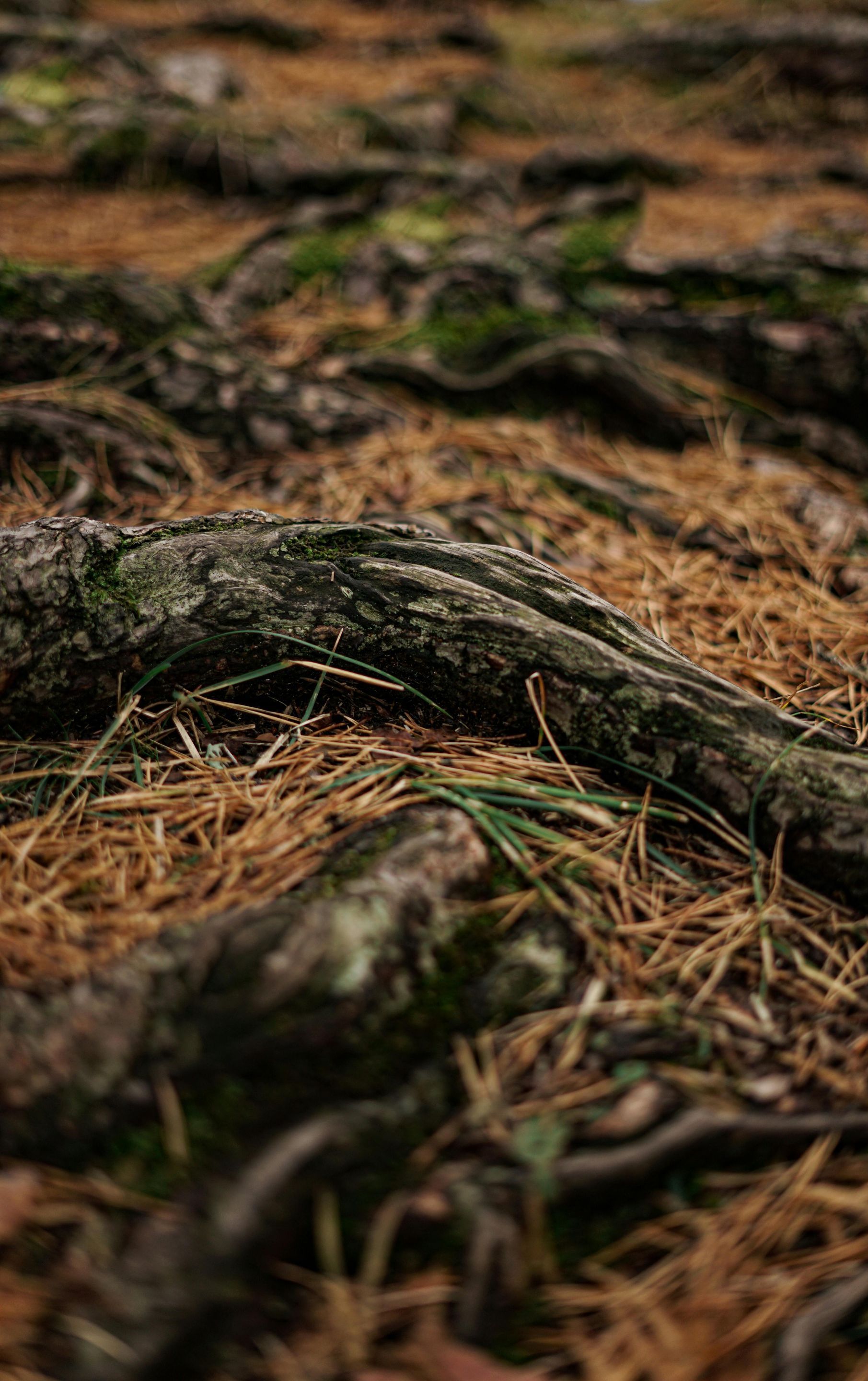
Exposed tree roots on forest floor covered in dry brown needles and some green grass.
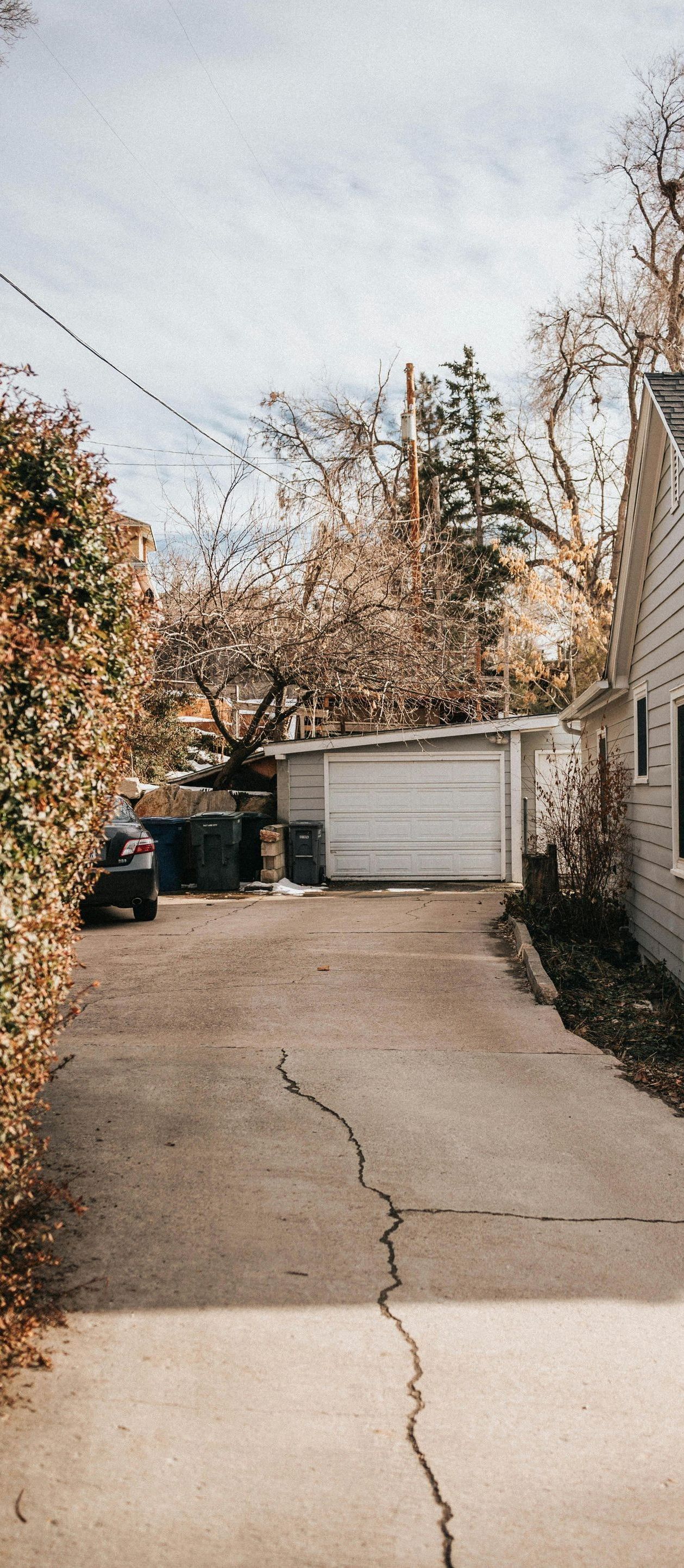
A driveway leading to a detached garage with a cracked concrete surface. Autumn trees flank the sides.
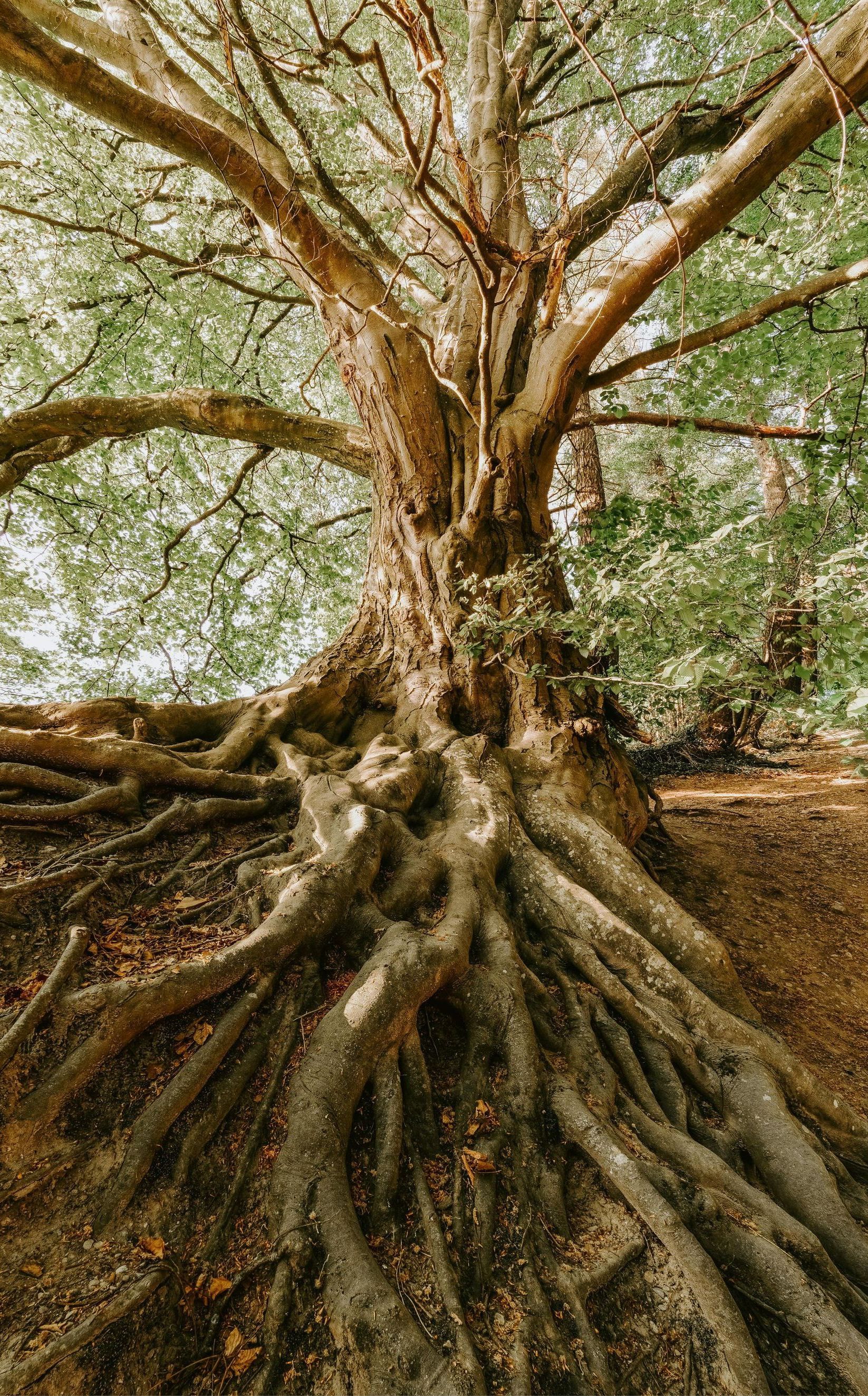
A large tree with exposed roots sprawling across the ground, brown bark, and green leaves.
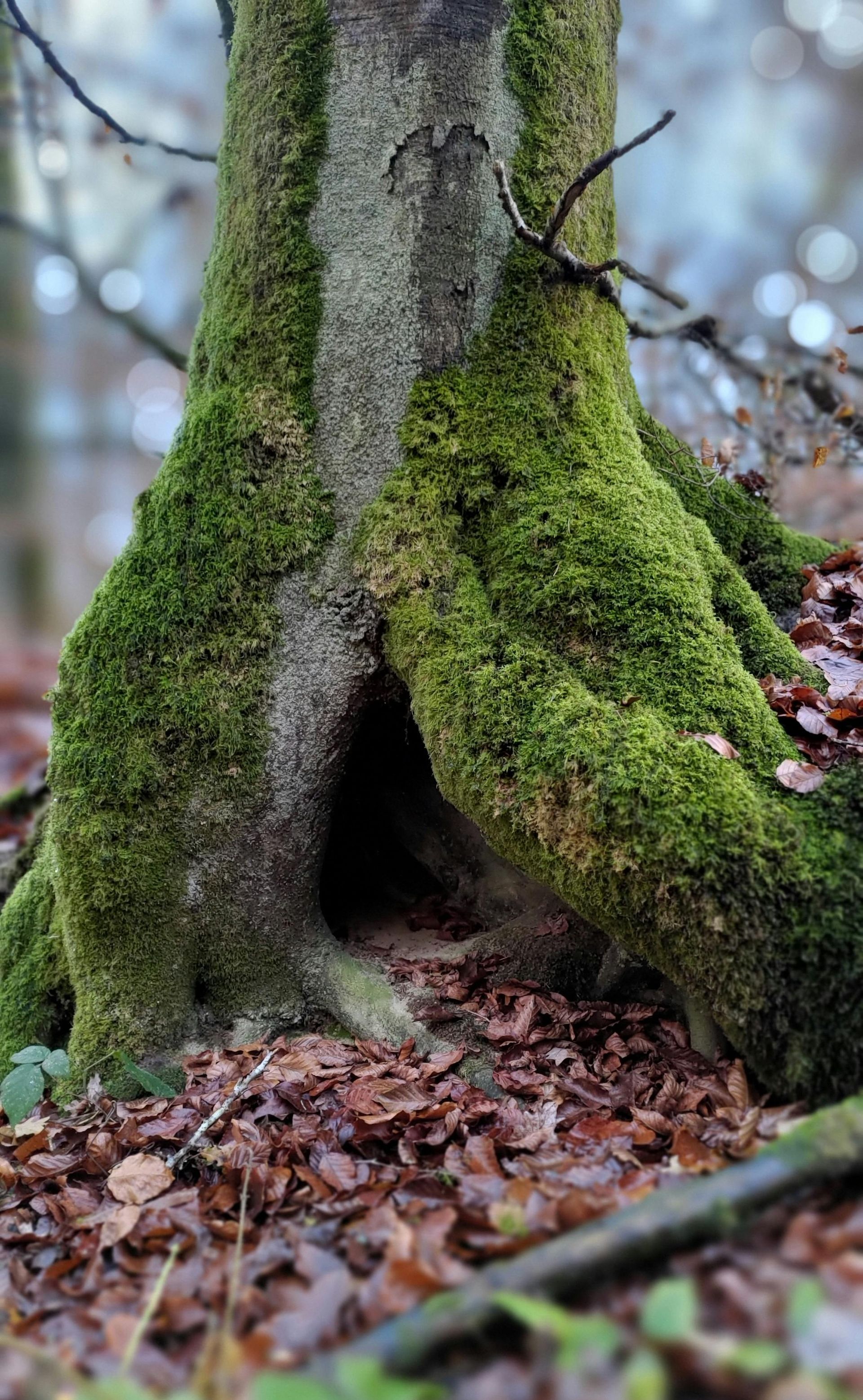
Moss-covered tree trunk in a forest, with a dark cavity in the base. Brown leaves cover the ground.
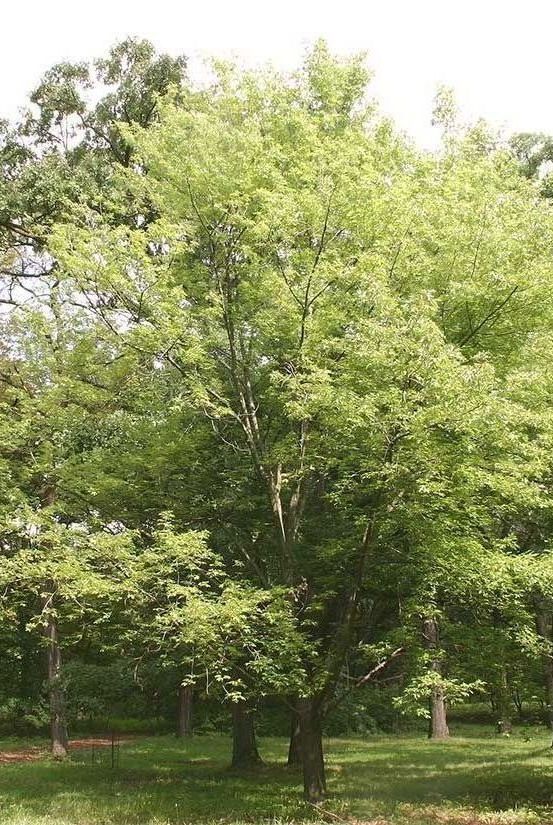
Tall tree with light green leaves in a park-like setting, with grass in the foreground and other trees in the background.
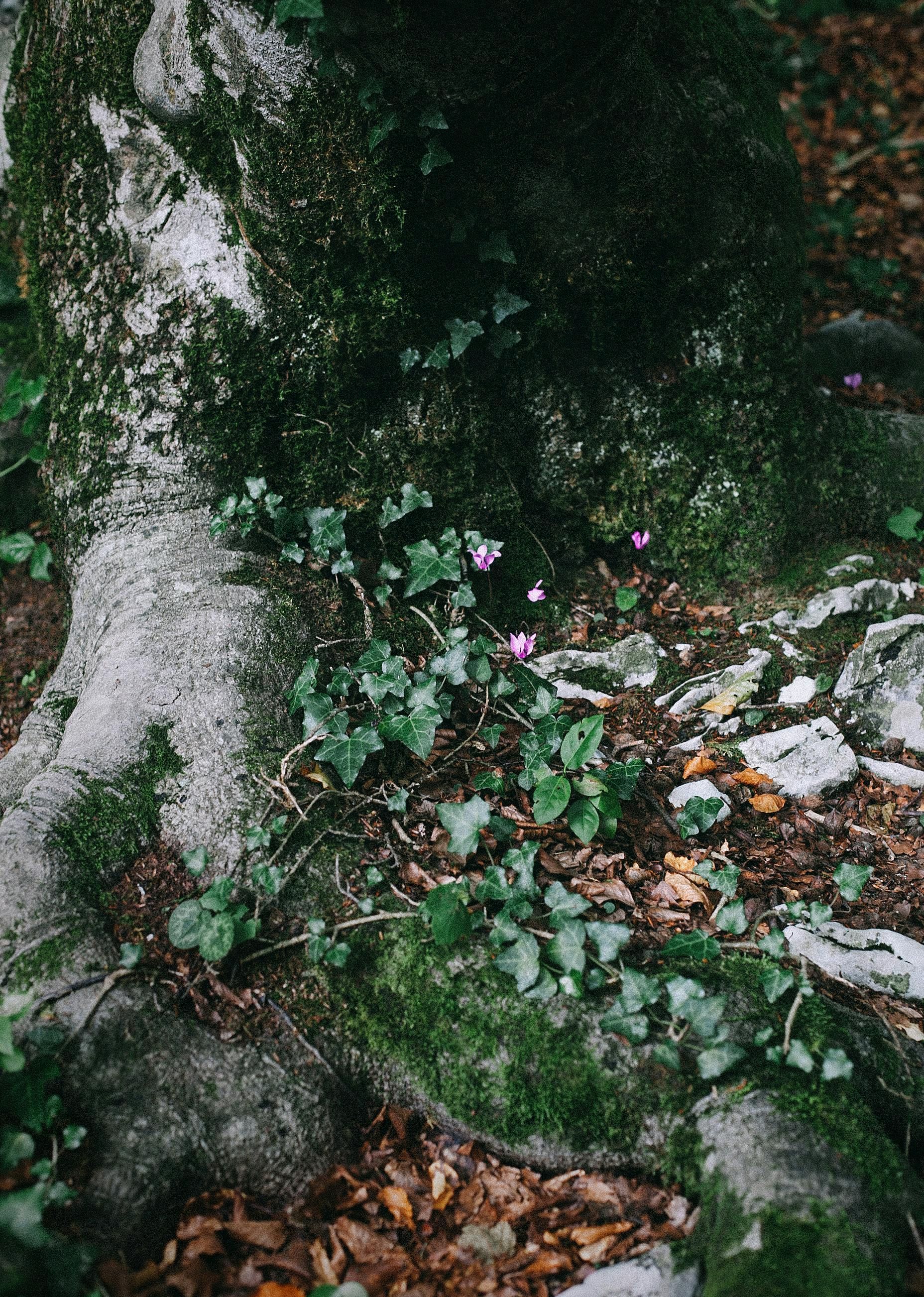
Moss-covered tree roots in a forest setting, with small pink flowers and green foliage scattered around the base.
Close-up of a tree trunk with deeply furrowed, dark gray bark.
February 4, 2026
Construction projects often focus on what is being built, but the impact on existing trees is frequently overlooked. Whether the work involves a home addition, driveway replacement, utility installation, or commercial development, construction activity can place significant stress on mature trees . Understanding how these projects affect trees helps property owners protect valuable landscape assets and avoid long term safety and health issues.
January 29, 2026
Major weather changes can place significant stress on trees, even when no obvious damage is visible. In the Midwest, trees regularly experience rapid shifts in temperature, heavy rain, high winds, ice, snow, and freeze-thaw cycles. While trees are resilient by nature, these conditions can weaken their structure and health over time.  Evaluating tree health after major weather events is an important step in protecting both the trees themselves and the surrounding property.
January 21, 2026
Trees add beauty, shade, and value to a property, but they also carry responsibility. When a tree fails and causes damage or injury, homeowners are often surprised to learn that liability can become a serious issue. Understanding how tree failure occurs and how responsibility is determined helps property owners take proactive steps to protect both people and property.
January 15, 2026
As winter fades and warmer temperatures return, spring becomes one of the most important seasons for proactive tree care. Trees begin a new growth cycle , pests become active, and issues that developed during winter storms or freezing conditions often start to reveal themselves. Planning ahead for spring tree care helps protect tree health, improve safety, and set the stage for strong growth throughout the year.
January 7, 2026
Deadwood accumulation is one of the most common and overlooked safety concerns in mature trees. While a tree may appear healthy at a glance, dead branches within the canopy can present serious risks to people and property below. At Midwest Tree Surgeons, we frequently encounter situations where deadwood has gone unnoticed until it causes damage or creates a dangerous condition. Understanding how deadwood develops and why it poses increasing hazards over time is essential for responsible property ownership.
December 30, 2025
The start of a new year is a natural time to think about safety, preparedness, and long term planning for your property. Many homeowners focus on interior projects or general maintenance goals, but one of the most important aspects of property safety is often overlooked. Tree care plays a critical role in protecting homes, vehicles, and the people who live there. At Midwest Tree Surgeons, we encourage property owners to make tree care part of their New Year planning.
December 26, 2025
The Christmas season is often associated with reflection, preparation, and planning for the year ahead. While many homeowners focus on indoor projects or holiday travel, winter is also an important time to think about the health and safety of trees on the property. At Midwest Tree Surgeons, we frequently see that proactive winter planning helps homeowners enter the new year with greater peace of mind and fewer unexpected tree related concerns.
December 16, 2025
In the Midwest, trees are exposed to some of the most challenging seasonal conditions in the country. One of the most significant stressors is the repeated freeze and thaw cycle that occurs from late fall through early spring. While trees are naturally adapted to cold weather, fluctuating temperatures can place considerable strain on their structure, root systems, and overall health. At Midwest Tree Surgeons, we regularly assess trees that have been impacted by these seasonal shifts and help property owners understand how freeze and thaw patterns affect long term tree stability.
December 9, 2025
Drought conditions place significant strain on trees, even in landscapes that typically receive adequate rainfall. When moisture becomes scarce, trees begin to redirect their energy toward survival rather than growth. This shift may create visible and invisible stress signals that, if ignored, can lead to long term decline or structural weakness. At Midwest Tree Surgeons, we help homeowners understand how drought affects tree health and what proactive steps can protect valued landscape trees before the damage becomes severe.
December 3, 2025
Trees provide shade, beauty, privacy, and environmental benefits, but they also require proper care to remain healthy and structurally safe. Many homeowners do not realize how complex tree care can be or how significantly improper techniques can affect long term tree health. When individuals attempt to handle tree work on their own or hire someone without professional training, the risk of property damage, personal injury, and irreversible harm to the tree increases considerably. Hiring certified tree professionals ensures that every aspect of tree care is handled with precision, safety, and long term health in mind.
More Posts