How to Prepare Trees for Heavy Snowfall Before Winter Hits

August 7, 2025

Don’t Wait for a Fall

As Midwest winters approach, homeowners face the annual challenge of protecting their property from extreme weather. While much attention is paid to snow removal and roof maintenance, trees often go overlooked until a limb crashes down or an entire tree topples under the weight of snow and ice. Proper tree preparation is essential not only for the health of your landscape but also for the safety of your home and family.


At Midwest Tree Surgeons, we believe proactive care is the best strategy for protecting your trees and avoiding costly damage during the winter months. Here is what you need to know.
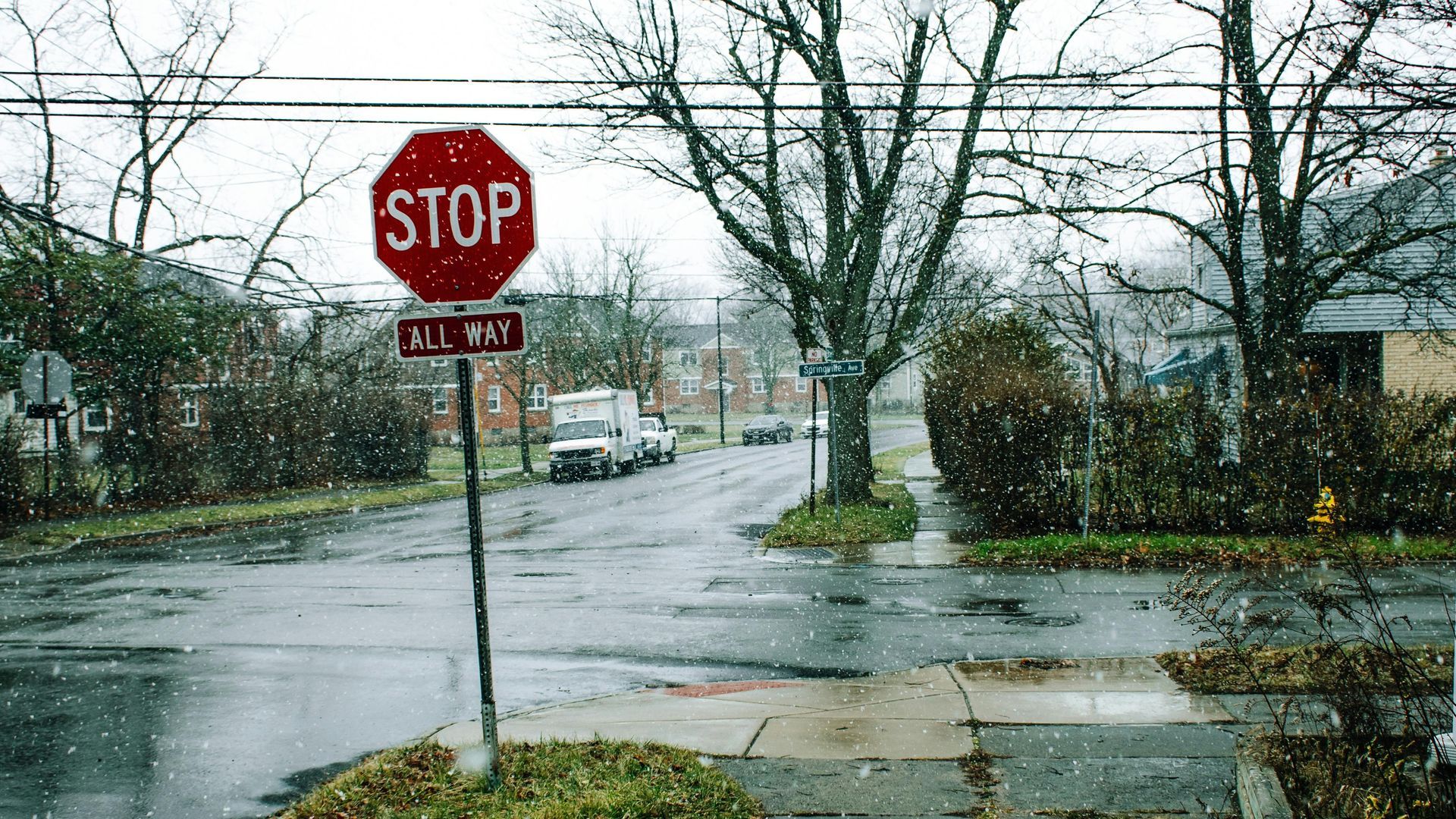
Stop sign at a wet intersection on a snowy day, houses and parked vehicles in the background.

The Dangers of Winter Weather for Trees

Heavy snowfall, ice storms, and high winds put significant stress on trees. Ice accumulation can add hundreds of pounds of extra weight to limbs. Snow-laden branches may sag or snap, and frozen ground can make root systems unstable, especially in weakened or shallow-rooted trees.


These conditions increase the risk of falling limbs, downed trees, and property damage. Trees in poor health or with structural vulnerabilities are especially at risk. That is why preparing now, before the first frost sets in, is crucial.
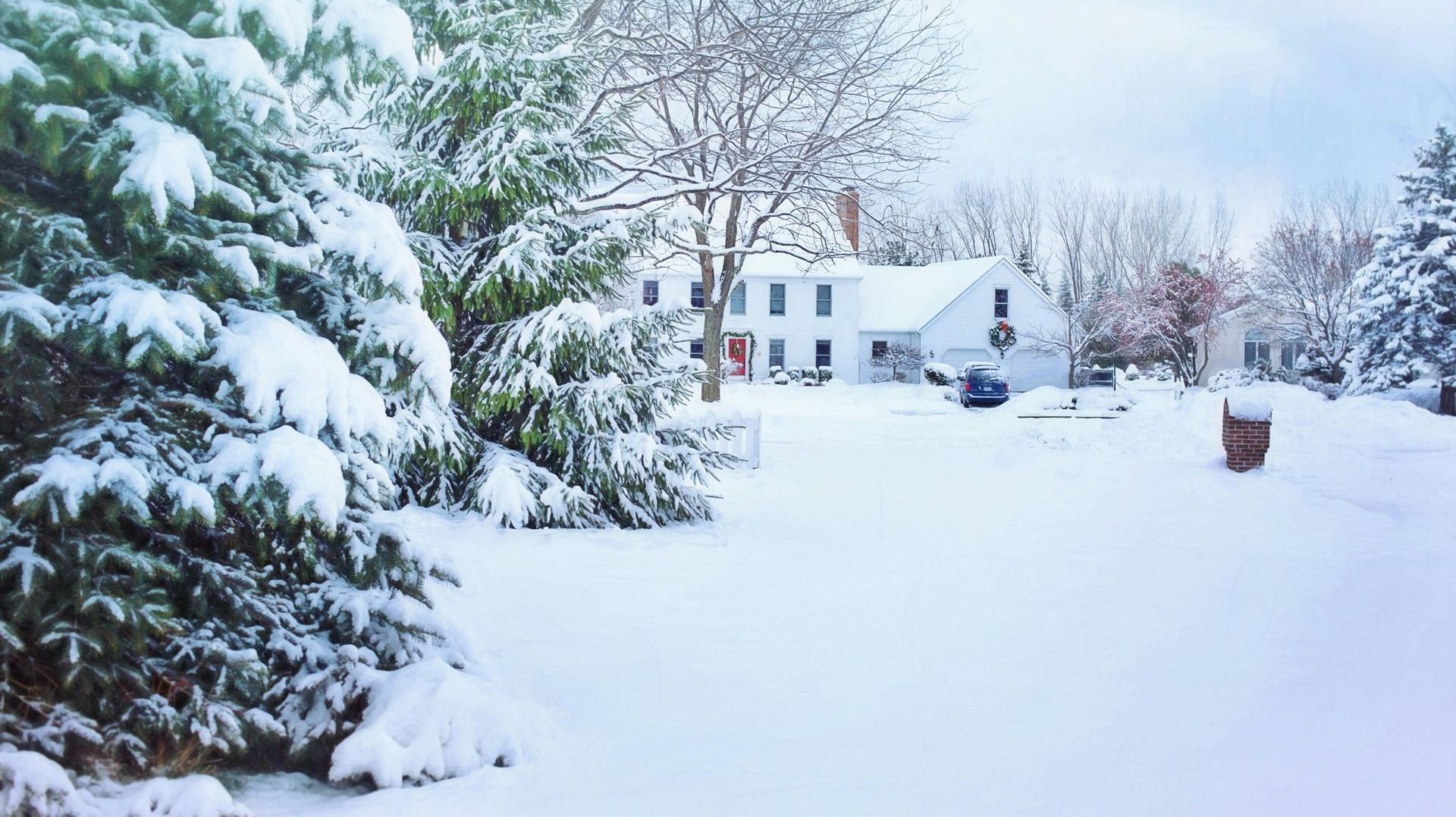
Snow-covered landscape with a white house in the background and evergreen trees in the foreground. A mailbox is to the right.

Step One: Inspect for Structural Weakness

A certified arborist can assess the structural integrity of your trees and identify potential problem areas. Things to watch for include:

  • Cracked limbs or visible splits in the trunk
  • Leaning trees or exposed roots
  • Dead or decaying branches
  • Heavy limb overhangs near your home, driveway, or power lines

If any of these issues are present, addressing them before winter reduces the likelihood of serious damage when the weather turns severe.
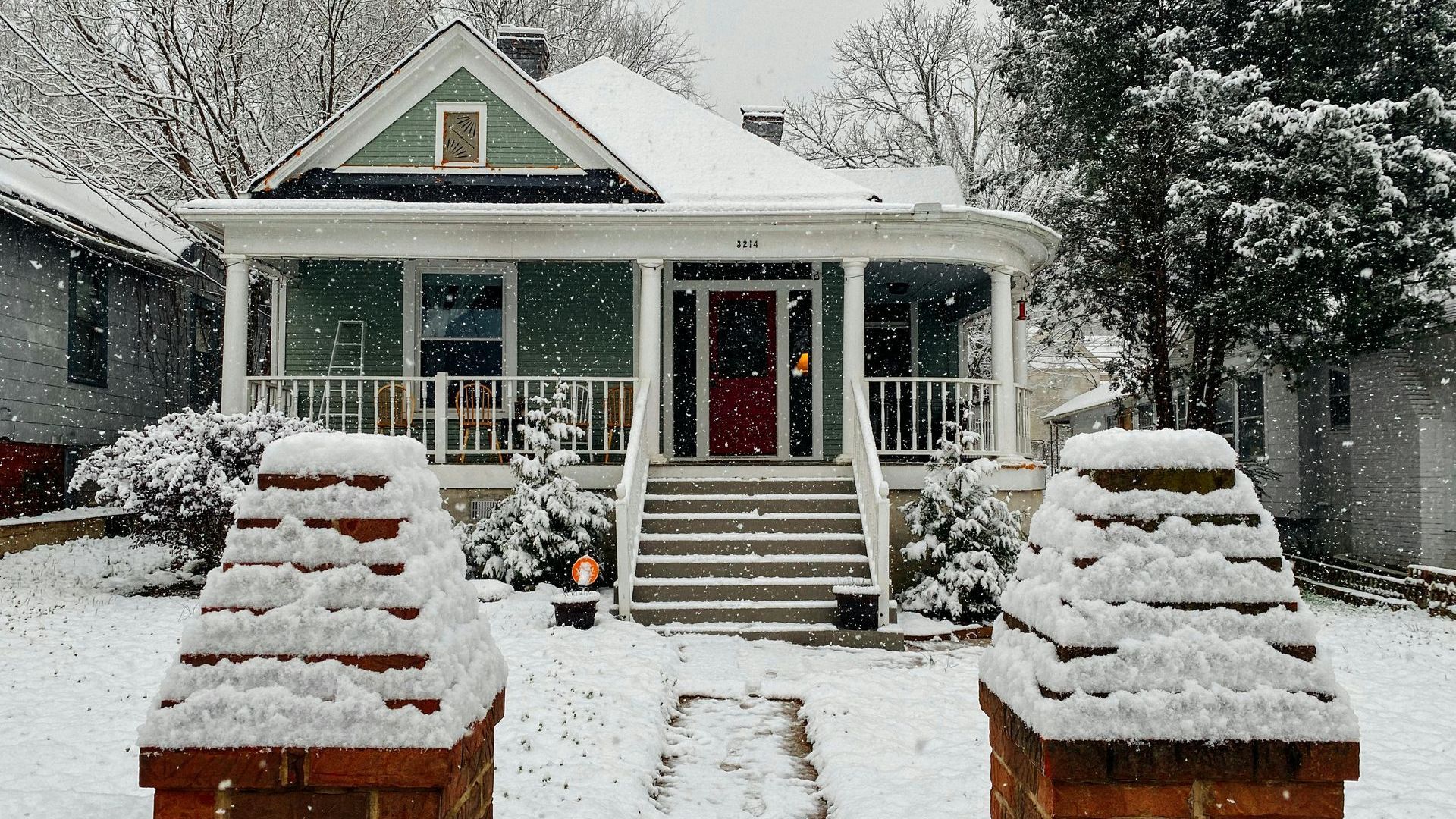
Snowy, two-story house with a green facade, red front door, and snow-covered porch. White snow falls on the lawn and brick pillars.

Step Two: Prune for Strength and Balance

Strategic pruning lightens the canopy and reduces the chances of limb breakage. By removing dead, diseased, or poorly attached branches, arborists improve both the tree’s appearance and its stability. Pruning also helps improve air circulation and ensures that snow does not accumulate unevenly on dense or tangled limbs.


Avoid the temptation to over-prune or take on the job yourself. Improper cuts can create wounds that invite pests and disease or weaken the tree further. Professional pruning ensures that the tree remains balanced and healthy heading into winter.
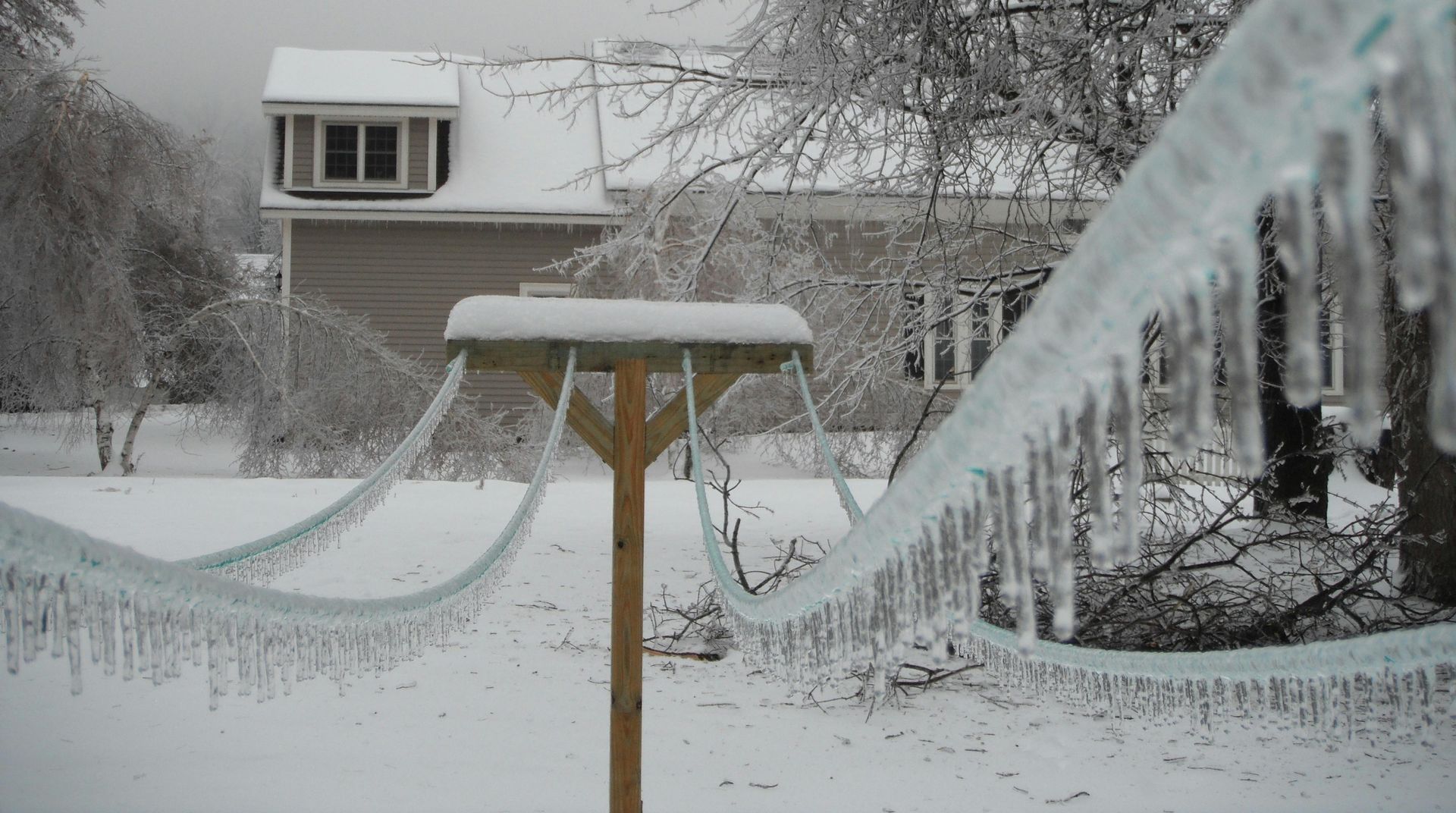
A snowy scene with a wooden bird feeder covered in snow and icicles, a house in the background, and ice-covered lines in the foreground.

Step Three: Cable or Brace High-Risk Limbs

Some trees have branches or trunks that are too valuable or prominent to remove but still pose a risk. In these cases, arborists may recommend cabling or bracing, techniques that provide structural support to vulnerable limbs or multi-trunked trees. These systems distribute the weight of snow and reduce the strain on weak points, allowing the tree to withstand winter conditions without failing.


Step Four: Mulch and Water Before the Ground Freezes

While it might seem counterintuitive, trees still need moisture going into winter. Dry roots are more susceptible to cold injury, especially in young or recently transplanted trees. Deep watering before the ground freezes can help.


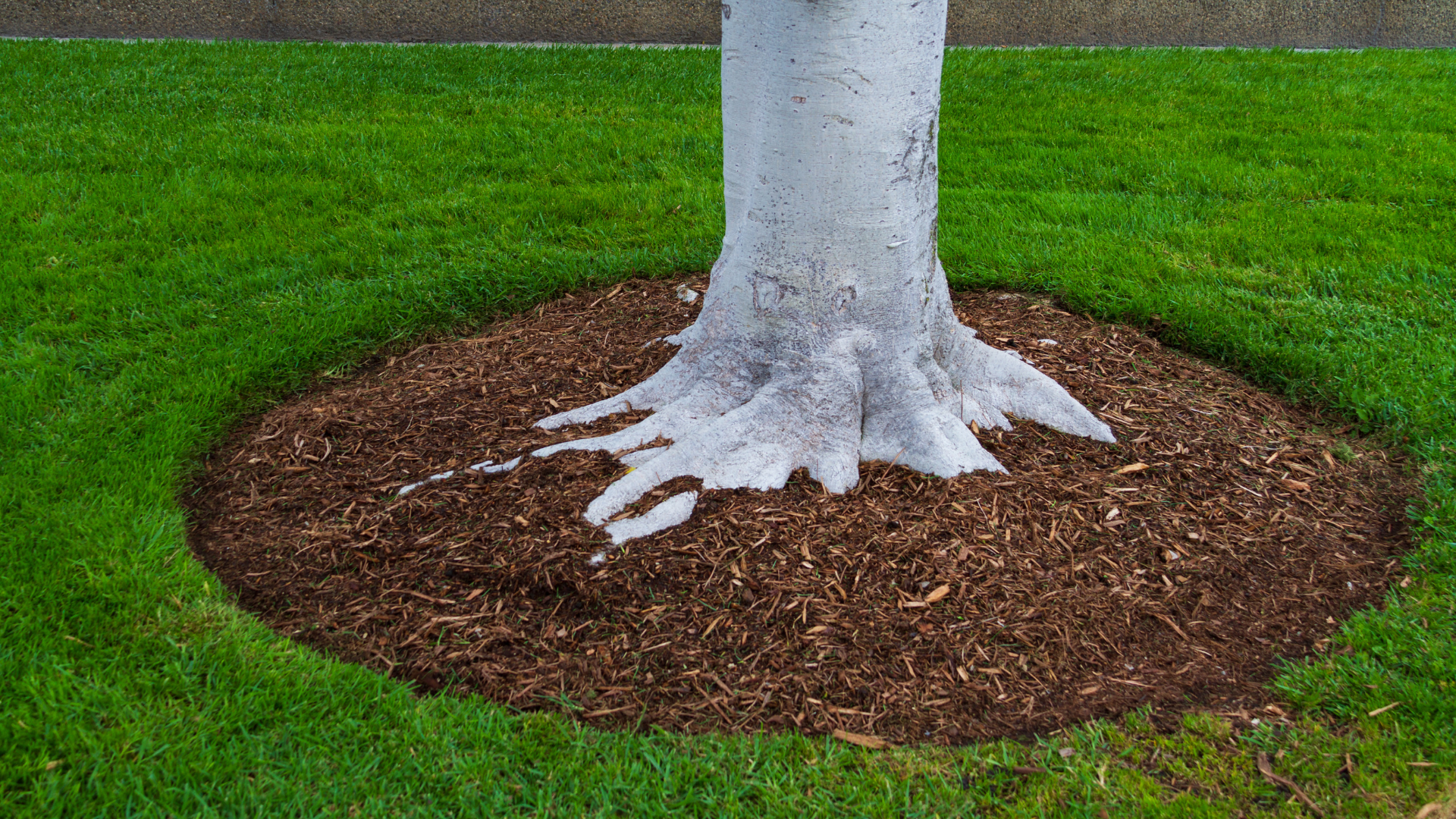
A layer of organic mulch around the base of the tree helps insulate the roots and retain soil moisture. Just be careful to keep mulch a few inches away from the trunk to avoid rot and pest issues.
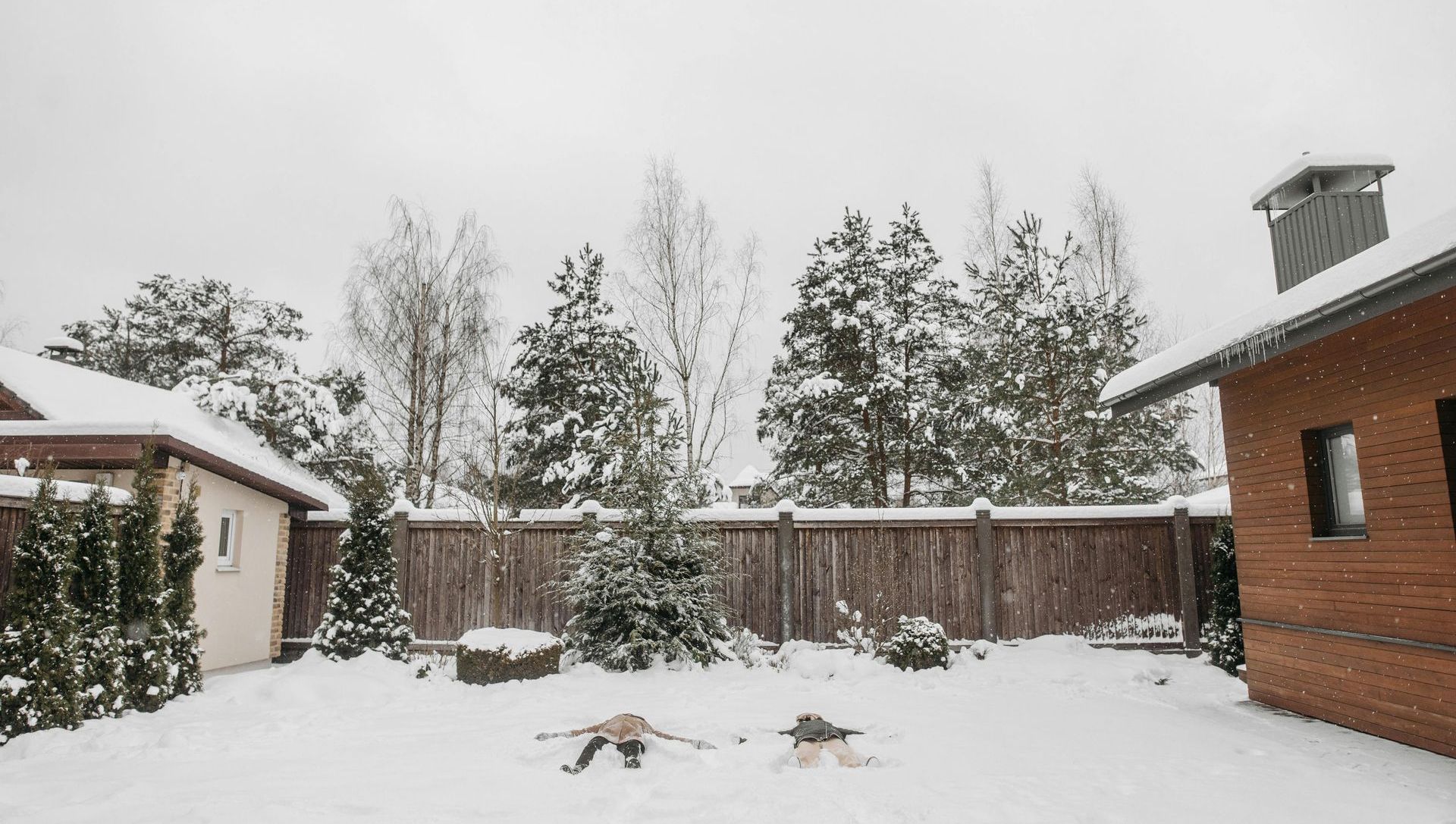
Snowy backyard scene with houses and trees. Two people make snow angels in the fresh snow.

Step Five: Remove Trees That Cannot Be Saved

In some cases, the safest option is full removal. Trees that are dead, severely damaged, or leaning dangerously should be professionally removed before they come down during a storm. Midwest Tree Surgeons offers safe, efficient removals with minimal disruption to your property.


Removing high-risk trees before winter can prevent serious damage to homes, vehicles, and nearby trees. It can also make room for new plantings when spring arrives.
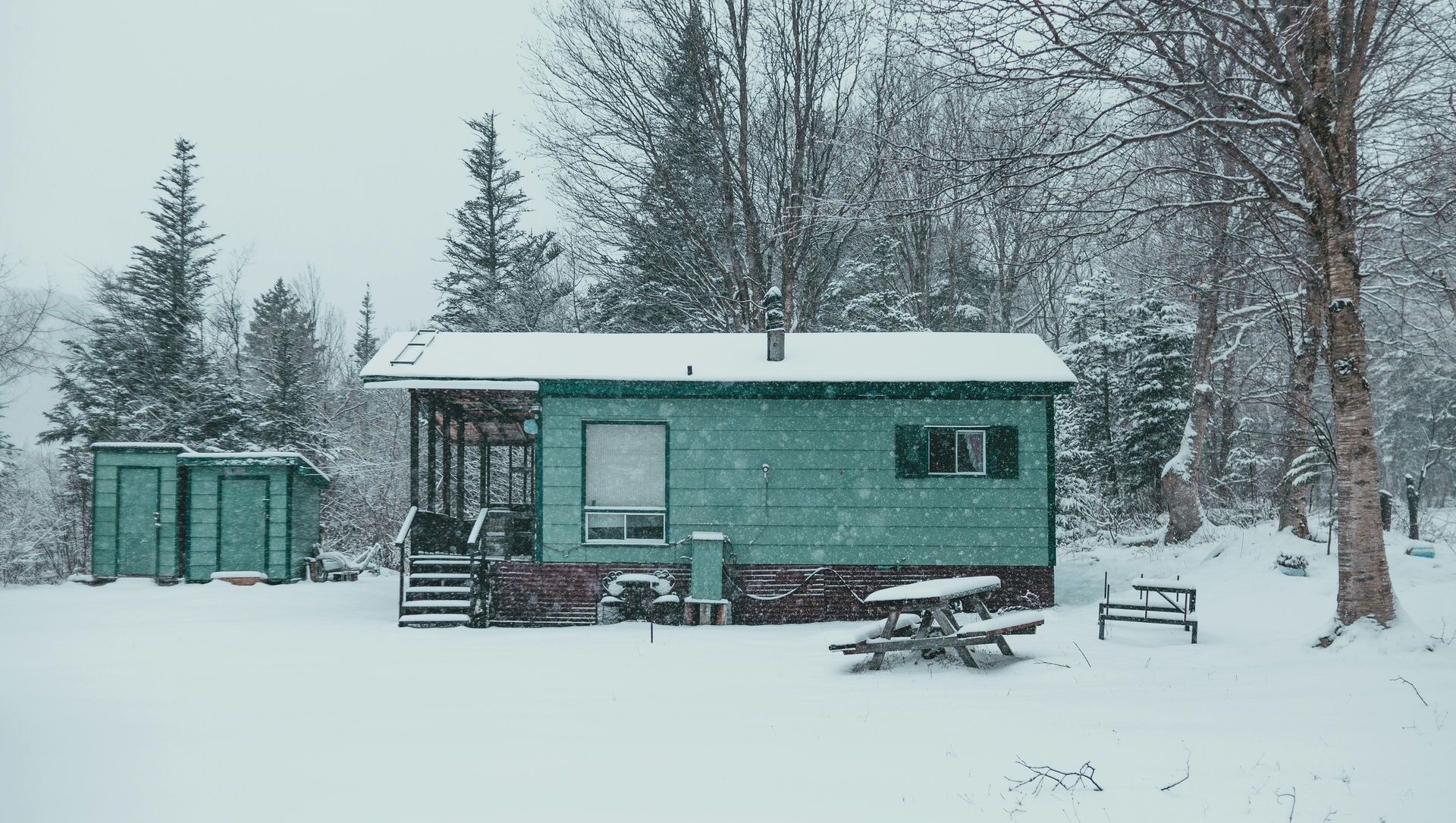
A teal cabin in a snowy landscape. Snow falls on the cabin, trees, and picnic table.

Schedule a Winter Readiness Assessment Today

Do not wait until the first snow to think about your trees. A proactive winter preparation plan can save you money, protect your property, and help your trees thrive in the seasons to come. The arborists at Midwest Tree Surgeons are here to help with expert guidance, precision care, and the experience needed to keep your trees safe and strong.


Contact us today to schedule your seasonal tree assessment before winter weather sets in.

Two silhouetted figures, a person with long hair and another with a hoodie, stand in front of a window overlooking a snowy landscape with trees.
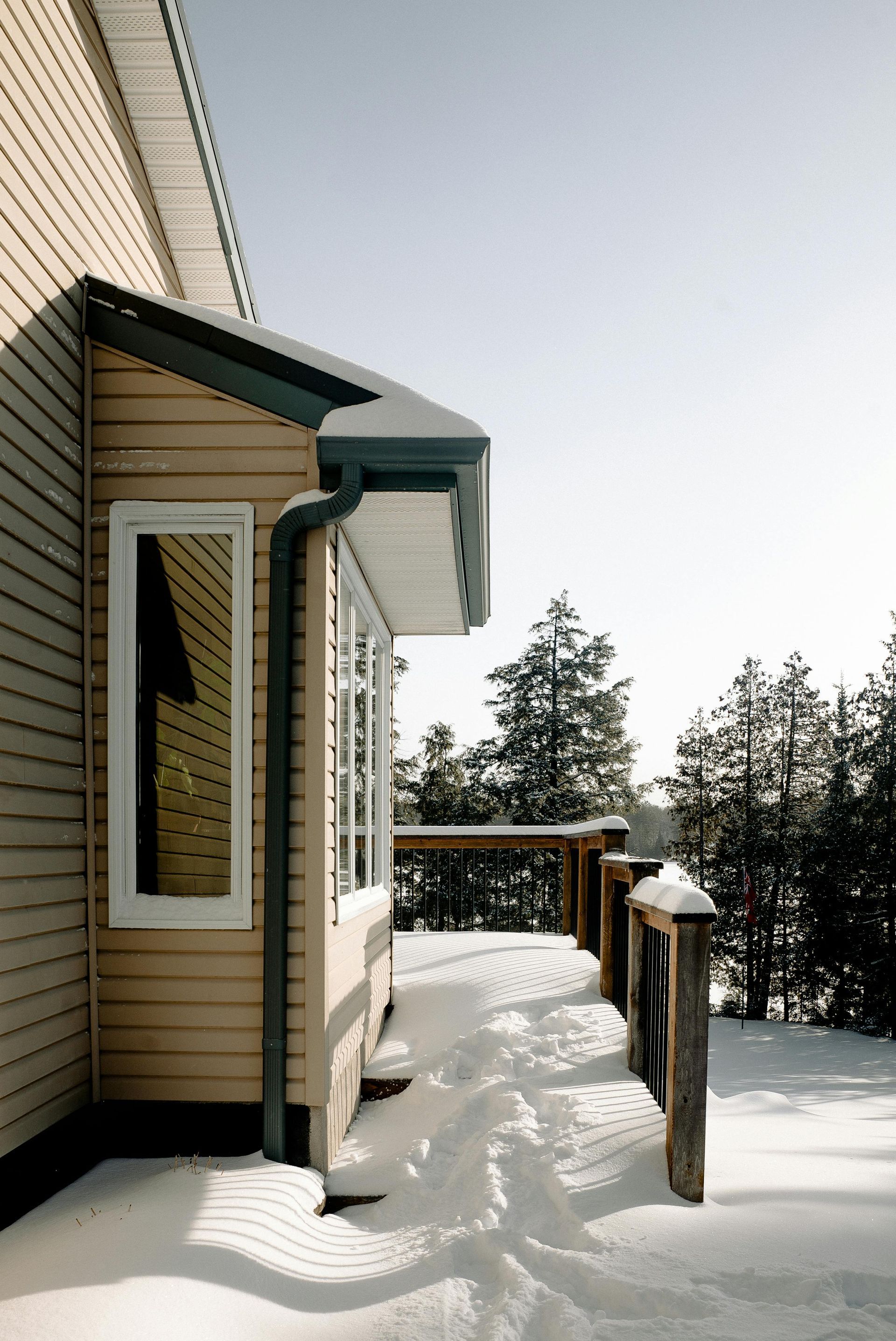
Snowy deck next to a house with light yellow siding, white window, and a gray roof.  Tall pine trees in the background.
Snow-covered wooden house with red trim and roof. The gray house sits in a snowy landscape, surrounded by trees, with a white door.
Snow falling on brick apartment building, cars parked on street, and two people on the roof.
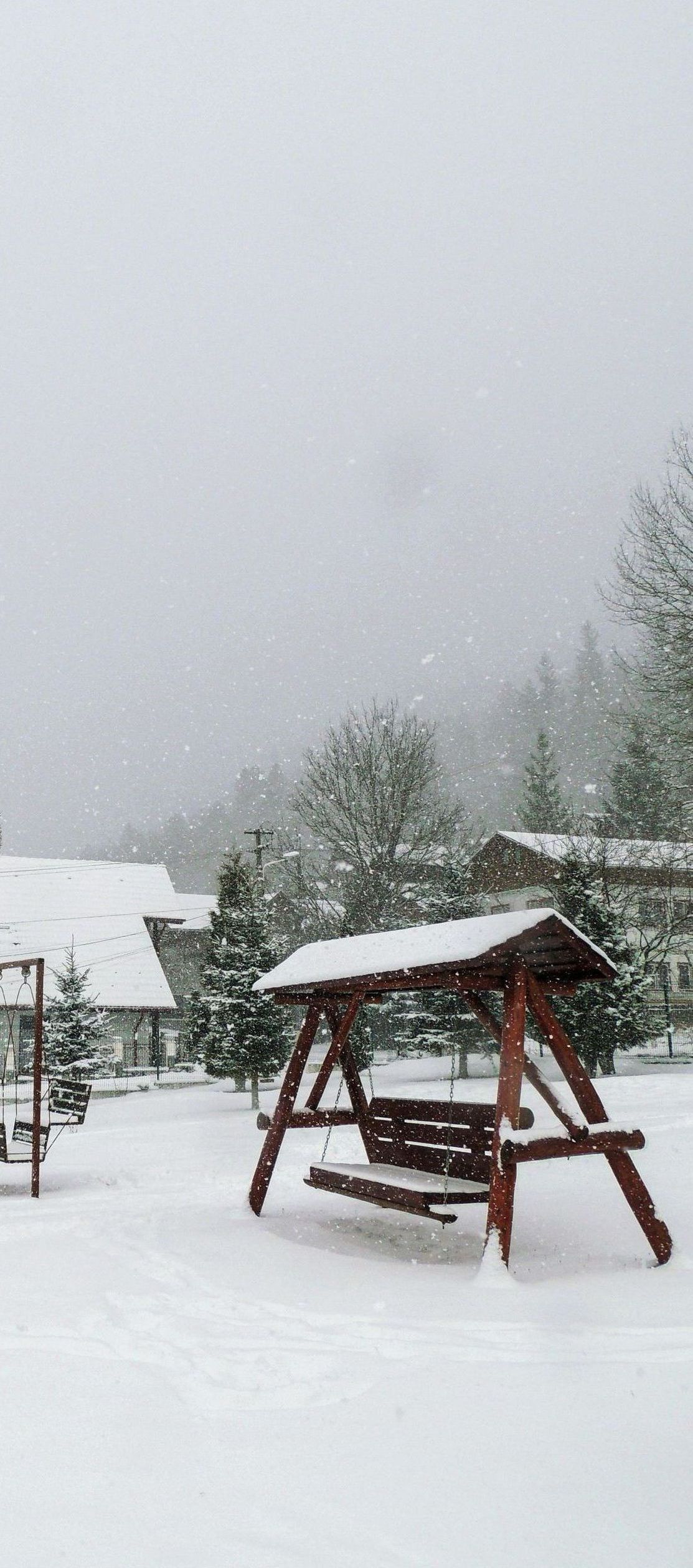
A snow-covered yard with a wooden swing set. Snowflakes fall on the ground, a house, and trees.
Snow-covered house nestled in a snowy forest, framed by bare winter tree branches.
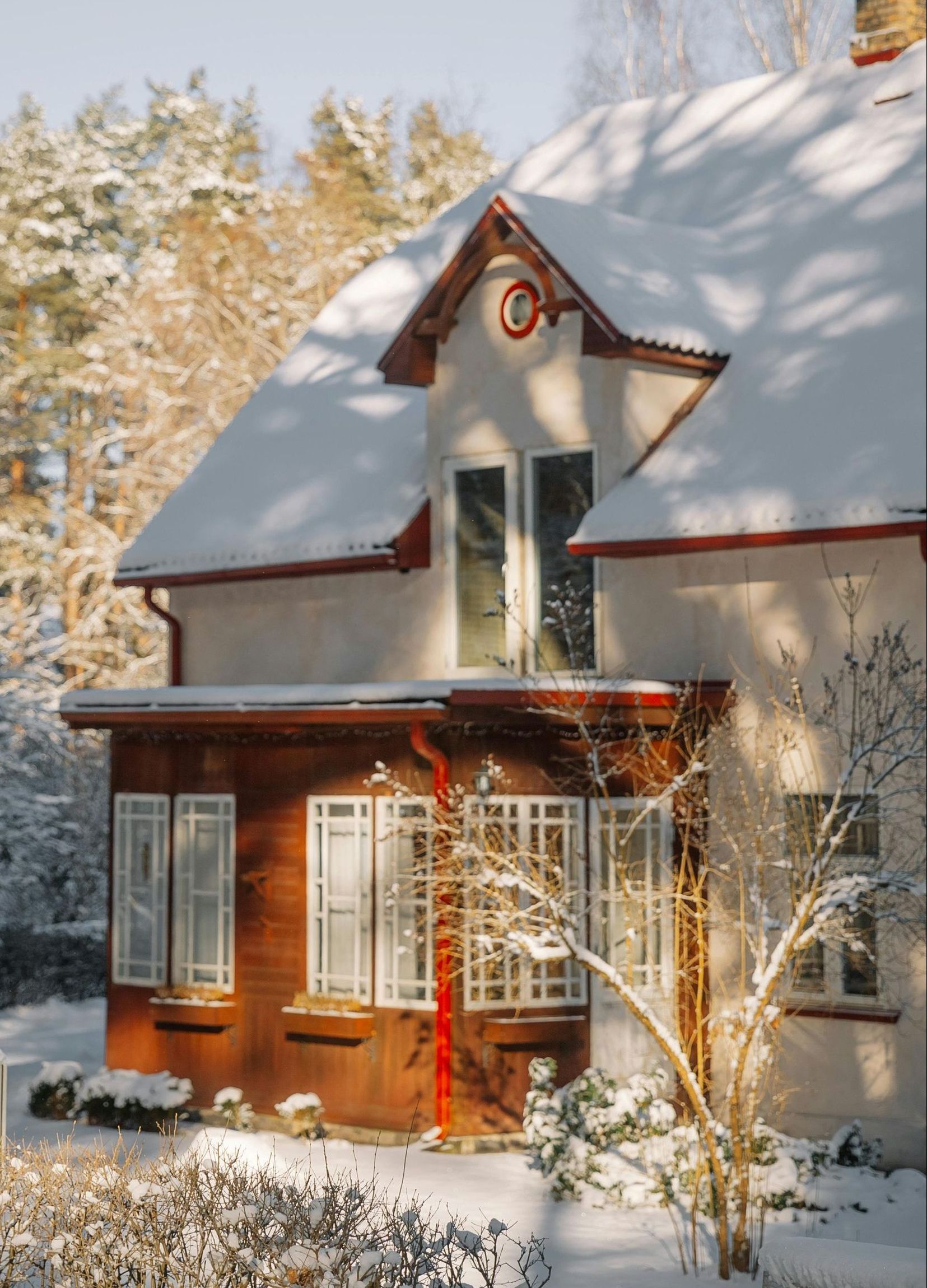
Snow-covered house with a wooden porch and red accents in a winter setting.  Trees and bushes are also covered in snow.
February 4, 2026
Construction projects often focus on what is being built, but the impact on existing trees is frequently overlooked. Whether the work involves a home addition, driveway replacement, utility installation, or commercial development, construction activity can place significant stress on mature trees . Understanding how these projects affect trees helps property owners protect valuable landscape assets and avoid long term safety and health issues.
January 29, 2026
Major weather changes can place significant stress on trees, even when no obvious damage is visible. In the Midwest, trees regularly experience rapid shifts in temperature, heavy rain, high winds, ice, snow, and freeze-thaw cycles. While trees are resilient by nature, these conditions can weaken their structure and health over time.  Evaluating tree health after major weather events is an important step in protecting both the trees themselves and the surrounding property.
January 21, 2026
Trees add beauty, shade, and value to a property, but they also carry responsibility. When a tree fails and causes damage or injury, homeowners are often surprised to learn that liability can become a serious issue. Understanding how tree failure occurs and how responsibility is determined helps property owners take proactive steps to protect both people and property.
January 15, 2026
As winter fades and warmer temperatures return, spring becomes one of the most important seasons for proactive tree care. Trees begin a new growth cycle , pests become active, and issues that developed during winter storms or freezing conditions often start to reveal themselves. Planning ahead for spring tree care helps protect tree health, improve safety, and set the stage for strong growth throughout the year.
January 7, 2026
Deadwood accumulation is one of the most common and overlooked safety concerns in mature trees. While a tree may appear healthy at a glance, dead branches within the canopy can present serious risks to people and property below. At Midwest Tree Surgeons, we frequently encounter situations where deadwood has gone unnoticed until it causes damage or creates a dangerous condition. Understanding how deadwood develops and why it poses increasing hazards over time is essential for responsible property ownership.
December 30, 2025
The start of a new year is a natural time to think about safety, preparedness, and long term planning for your property. Many homeowners focus on interior projects or general maintenance goals, but one of the most important aspects of property safety is often overlooked. Tree care plays a critical role in protecting homes, vehicles, and the people who live there. At Midwest Tree Surgeons, we encourage property owners to make tree care part of their New Year planning.
December 26, 2025
The Christmas season is often associated with reflection, preparation, and planning for the year ahead. While many homeowners focus on indoor projects or holiday travel, winter is also an important time to think about the health and safety of trees on the property. At Midwest Tree Surgeons, we frequently see that proactive winter planning helps homeowners enter the new year with greater peace of mind and fewer unexpected tree related concerns.
December 16, 2025
In the Midwest, trees are exposed to some of the most challenging seasonal conditions in the country. One of the most significant stressors is the repeated freeze and thaw cycle that occurs from late fall through early spring. While trees are naturally adapted to cold weather, fluctuating temperatures can place considerable strain on their structure, root systems, and overall health. At Midwest Tree Surgeons, we regularly assess trees that have been impacted by these seasonal shifts and help property owners understand how freeze and thaw patterns affect long term tree stability.
December 9, 2025
Drought conditions place significant strain on trees, even in landscapes that typically receive adequate rainfall. When moisture becomes scarce, trees begin to redirect their energy toward survival rather than growth. This shift may create visible and invisible stress signals that, if ignored, can lead to long term decline or structural weakness. At Midwest Tree Surgeons, we help homeowners understand how drought affects tree health and what proactive steps can protect valued landscape trees before the damage becomes severe.
December 3, 2025
Trees provide shade, beauty, privacy, and environmental benefits, but they also require proper care to remain healthy and structurally safe. Many homeowners do not realize how complex tree care can be or how significantly improper techniques can affect long term tree health. When individuals attempt to handle tree work on their own or hire someone without professional training, the risk of property damage, personal injury, and irreversible harm to the tree increases considerably. Hiring certified tree professionals ensures that every aspect of tree care is handled with precision, safety, and long term health in mind.
More Posts