How Aerial Tree Inspections Can Save You Money in the Long Run
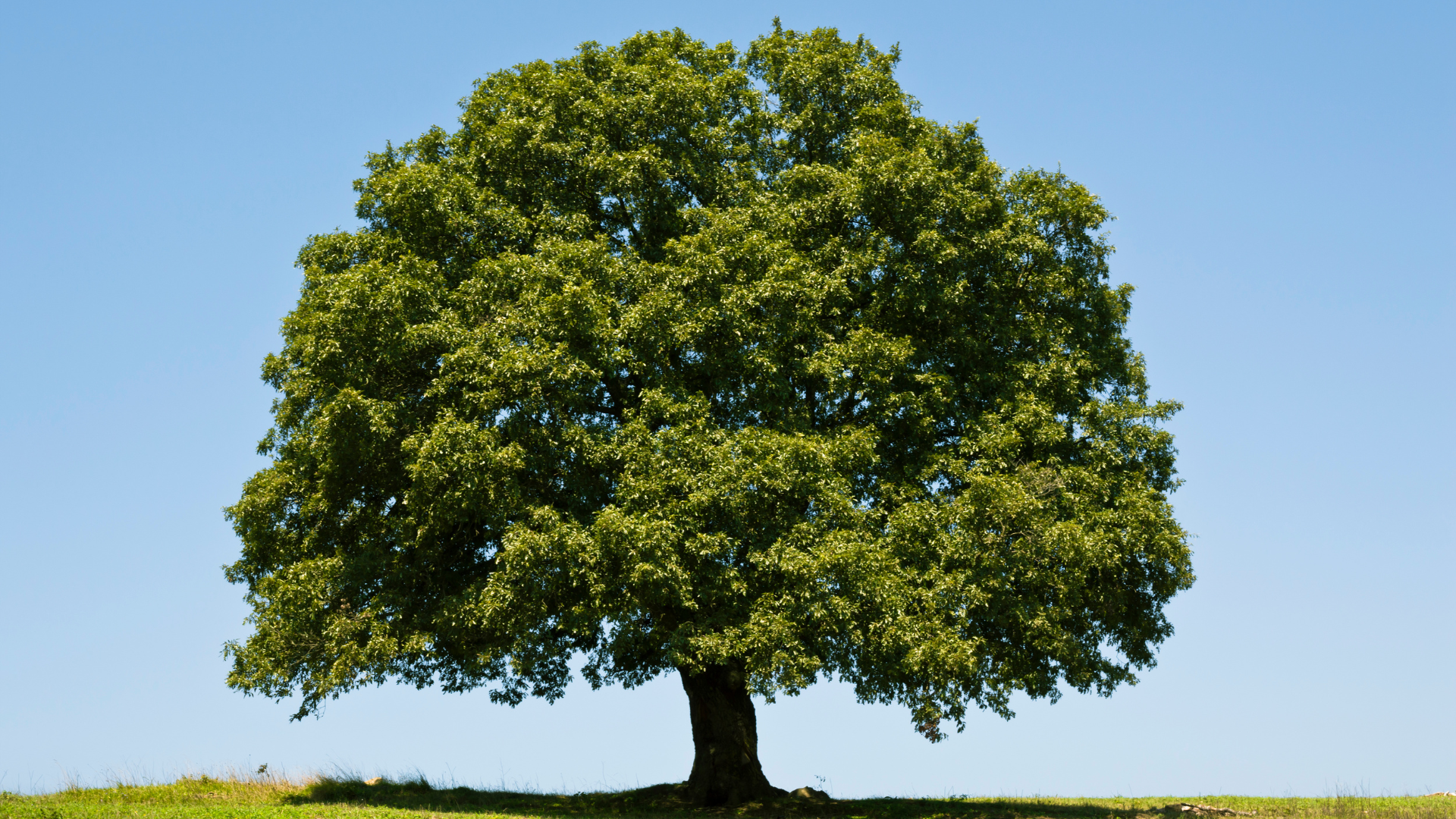
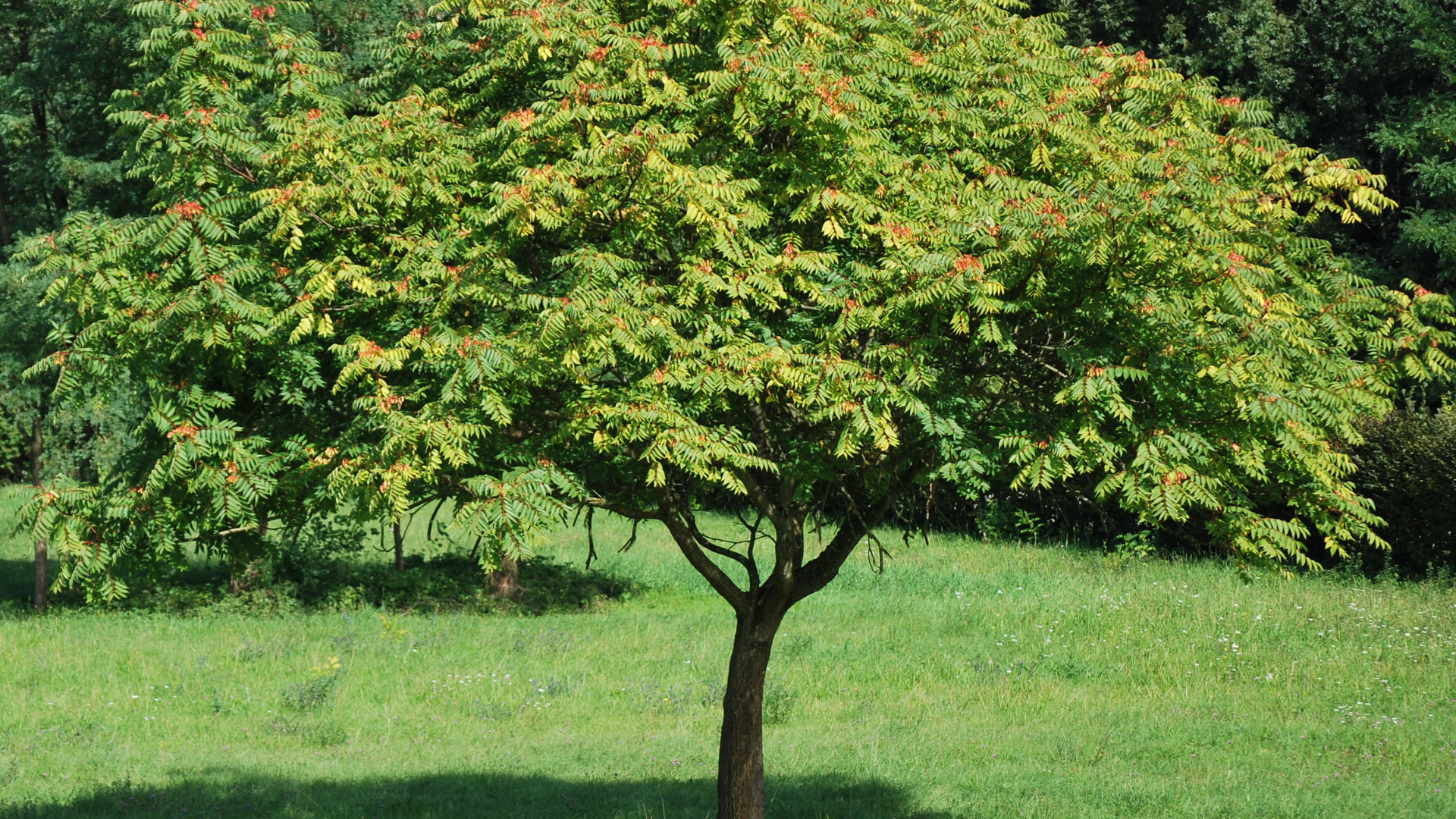
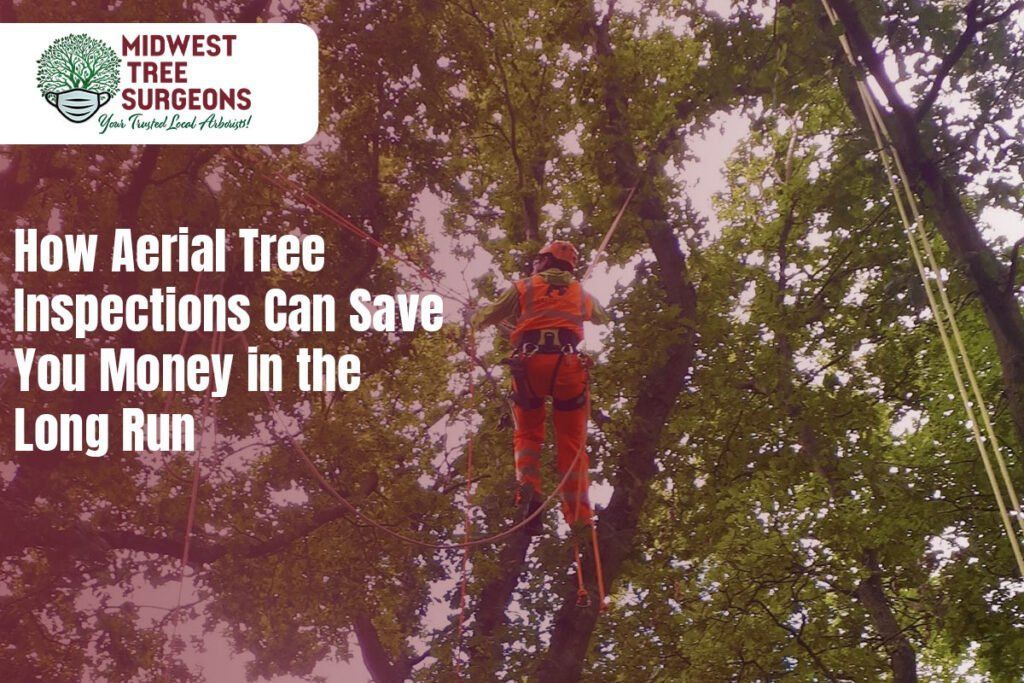
When it comes to maintaining the beauty and health of your property, trees are an essential element. They provide shade, enhance curb appeal, and even increase the value of your home. However, just like any other living thing, trees require regular attention and care to thrive. This is where aerial tree inspections come into play. By using advanced technology such as drones or helicopters, experts can assess the health and structure of your trees without the need for extensive climbing or tree removal. In this blog, we’ll explore how aerial tree assessments can help you save money in the long run by preventing costly repairs, ensuring the safety of your property, and optimizing tree care.
Preventing Costly Tree Damage with Early Detection
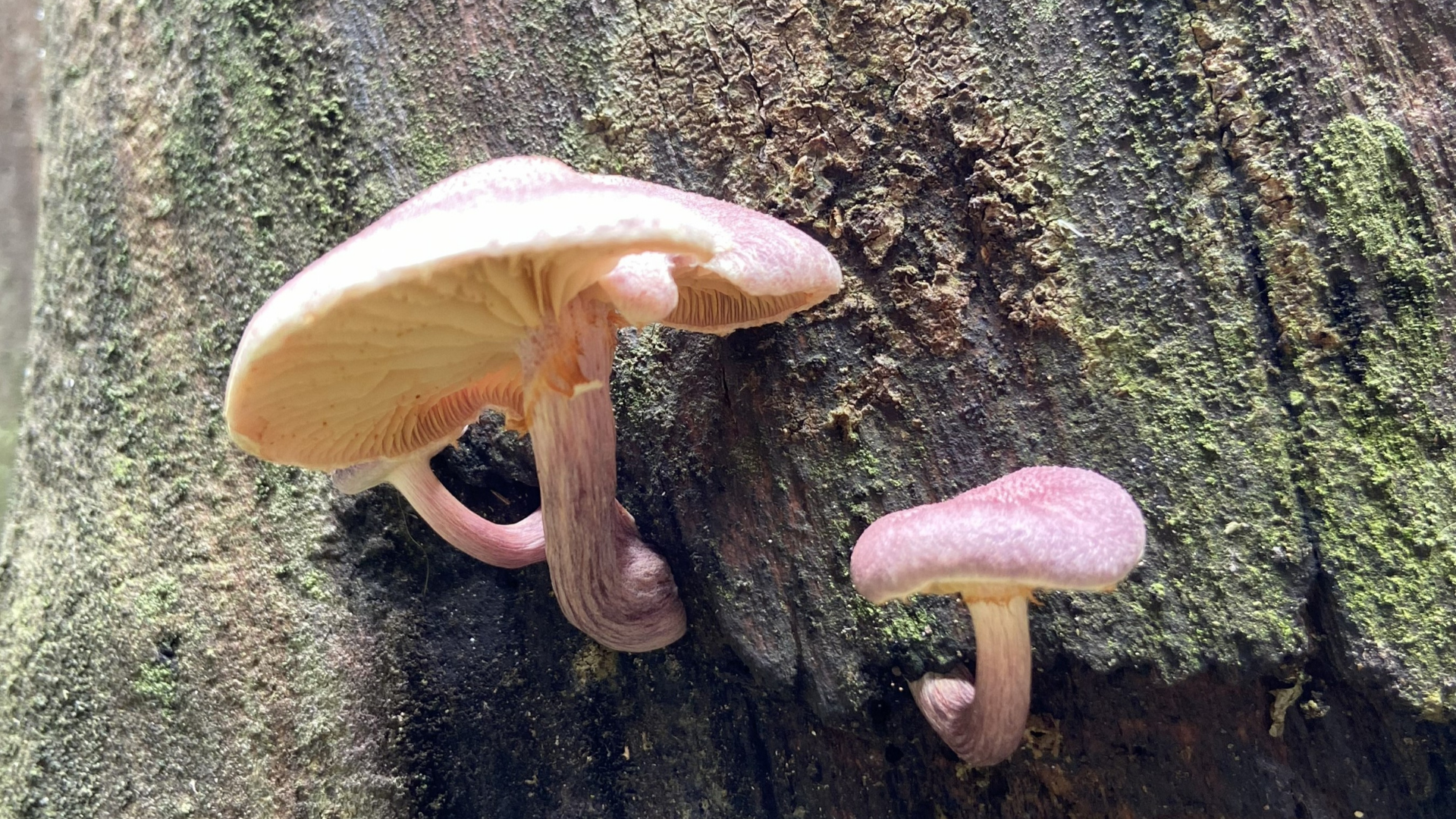
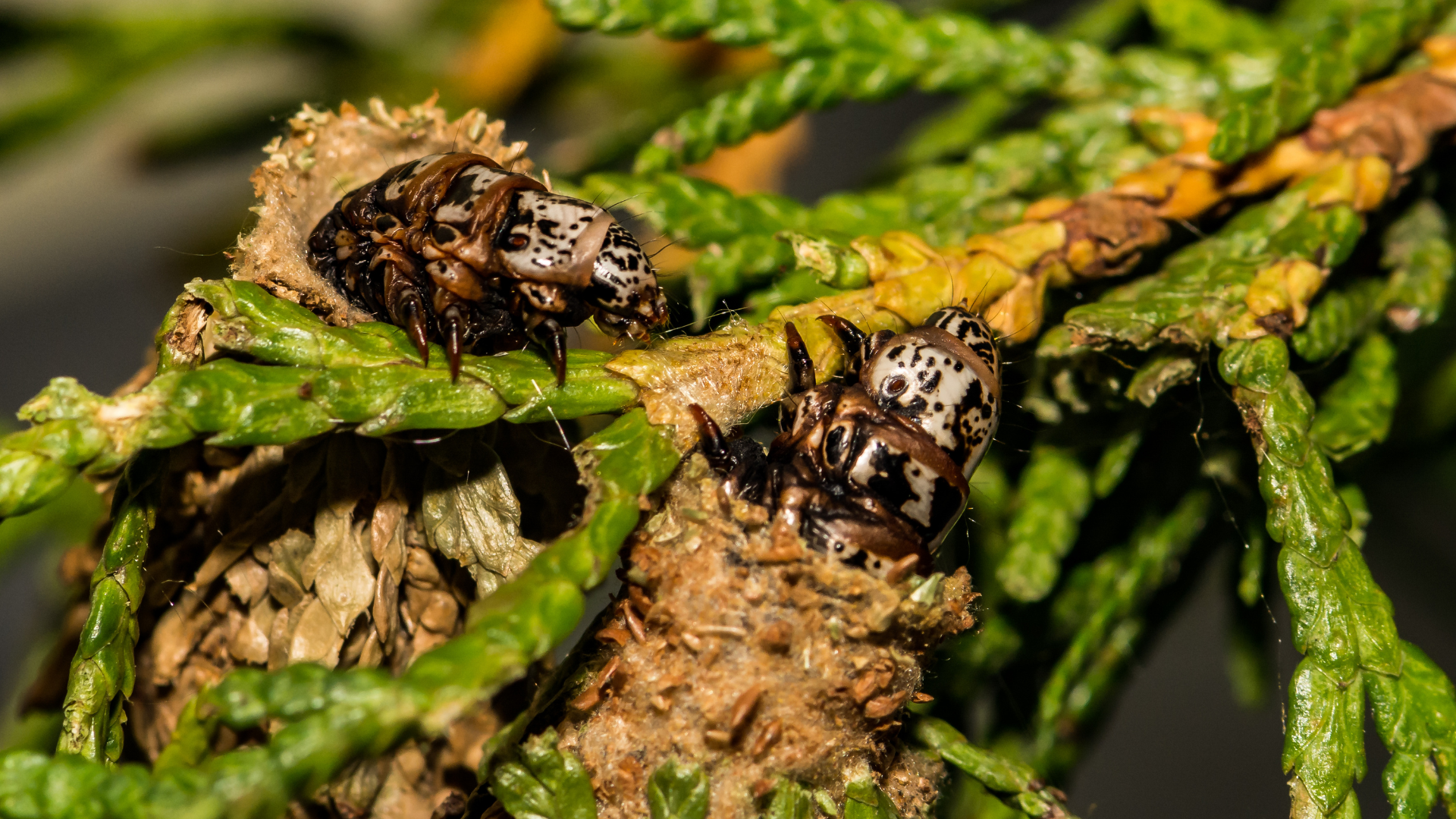
One of the primary benefits of aerial tree inspections is the ability to catch potential problems early on. These issues might go unnoticed for months or even years, causing the tree to deteriorate further.
By addressing these issues early, you avoid the expensive cost of emergency tree removal or repairs after a tree has fallen or caused damage to your property. Regular tree maintenance inspections can identify small issues before they escalate, ultimately saving you thousands in repair or replacement costs. Whether it’s addressing a weakened tree branch before it breaks or treating a disease before it spreads, the benefits of early detection cannot be overstated.
Aerial Tree Assessments for Enhanced Safety
Tree safety is a crucial factor in maintaining a secure
environment around your home or business. A tree with compromised structural integrity can pose serious risks to
your property, family, or employees. A tree risk assessment helps identify weak spots or potential hazards, including
rotting roots, unstable branches, or cracks in the trunk. By utilizing aerial inspection methods, professionals can get a clearer view of your trees’ condition, even in the most difficult-to-reach areas.
Once risks are identified, tree condition monitoring can be implemented to ensure that your trees remain safe. Regular aerial surveys allow you to manage tree health proactively, preventing the possibility of accidents that might require costly insurance claims or legal fees. The peace of mind that comes with knowing your trees are safe is an invaluable asset to any property owner.
Maximizing the Lifespan of Your Trees
Trees are long-term investments in your property, and taking proper care of them ensures they thrive for many years. Regular aerial tree assessments provide an in-depth analysis of your trees’ health, identifying areas that need attention. Whether it’s pruning dead branches, providing support for leaning trees, or addressing pest infestations, these inspections help prolong the life of your trees.
Minimizing Emergency Tree Removal Costs
Emergency tree removal is one of the most expensive aspects of tree care, and it’s often caused by neglecting regular inspections. A tree that has been left unchecked for too long may develop weaknesses that can lead to falling limbs or even the entire tree toppling over in a storm. This can cause significant damage to your property, including cars, fences, and roofs, not to mention potential harm to people.
Reducing Long-Term Tree Care Expenses
Tree care doesn’t stop after an initial inspection. Once issues are identified, there are ongoing costs associated with maintaining healthy trees. However, aerial tree assessments help you make informed decisions about which trees require more attention and which ones are in good shape. This helps prioritize maintenance tasks, ensuring that you’re investing in the most necessary services.
For example, tree risk assessments may reveal that a specific tree requires regular pruning or that a tree’s root system needs to be supported. By addressing these needs early on, you can prevent unnecessary expenses and ensure that your trees stay healthy with minimal intervention. This approach not only saves money but also reduces the amount of time and resources spent on maintaining your landscape.
Enhancing Property Value Through Proper Tree Management
Proper tree care and maintenance can significantly enhance the curb appeal of your property. If you plan on selling your home or business in the future, trees that are well-maintained can increase its market value. Aerial tree inspections provide a detailed report on the health and status of your trees, which can be used to highlight the property’s well-being to potential buyers.
Moreover, buyers are often more willing to pay a premium for a property that comes with well-maintained trees because they know the trees won’t pose an issue in the future. A tree with known issues might discourage prospective buyers or lower the property’s value. By investing in regular tree maintenance inspections, you’re essentially investing in the future sale of your property.
Environmentally Friendly and Efficient Tree Monitoring
Not only do aerial tree inspections save you money, but they also offer an environmentally friendly way to manage your trees. Traditional tree assessments often require climbing, which can be invasive and physically taxing. Aerial methods, on the other hand, allow for a more non-invasive and precise approach to monitoring tree health. Drones and aerial technology provide high-resolution images and data without the need for cutting or disturbing the tree itself.
This approach is especially useful for large properties, forests, or remote areas where traditional methods would be time-consuming and costly. Plus, by reducing the need for ground crews and heavy machinery, you’re minimizing the carbon footprint associated with tree care, making your efforts more sustainable in the long run.
Final Thoughts
Aerial tree inspections offer a smart, efficient, and cost-effective way to maintain the health of your trees and protect your property. By catching issues early, enhancing safety, and prolonging the lifespan of your trees, these inspections can save you substantial amounts of money in the long run. Whether you’re looking to prevent emergency removals, reduce tree care costs, or increase your property value, regular aerial tree assessments are a wise investment.
FAQs About Aerial Tree Inspections
What is an aerial tree inspection?
An aerial tree inspection uses drones or other airborne technology to assess the health and condition of trees. It provides a detailed view of the tree’s structure and any potential risks without the need for climbing.
Why should I choose aerial tree surveys over traditional methods?
Aerial surveys provide a more comprehensive and detailed view of your trees, especially in hard-to-reach areas. They are also quicker, safer, and less invasive compared to traditional tree inspections.
How often should I schedule an aerial tree inspection?
It’s recommended to schedule an aerial tree inspection at least once a year
Can aerial tree inspections help prevent tree damage?
Yes! Regular aerial tree surveys allow you to detect potential issues like disease, pests, or structural weaknesses early.
The post How Aerial Tree Inspections Can Save You Money in the Long Run appeared first on Midwest Tree Surgeons LLC.