What Does It Mean to Be a Certified Arborist?

July 11, 2025

Expert Tree Care Starts Here

When it comes to tree care, not all professionals are created equal. A chainsaw and a truck do not make someone qualified to assess the health, safety, and structure of a tree. That distinction belongs to certified arborists—tree care specialists who are trained, tested, and held to rigorous professional standards.


At Midwest Tree Surgeons, we take pride in providing expert tree care delivered by certified professionals. But what exactly does “certified arborist” mean? And why should it matter to homeowners and property managers?


Let’s take a closer look at what this credential entails and why it’s a crucial factor in responsible, long-term tree care.
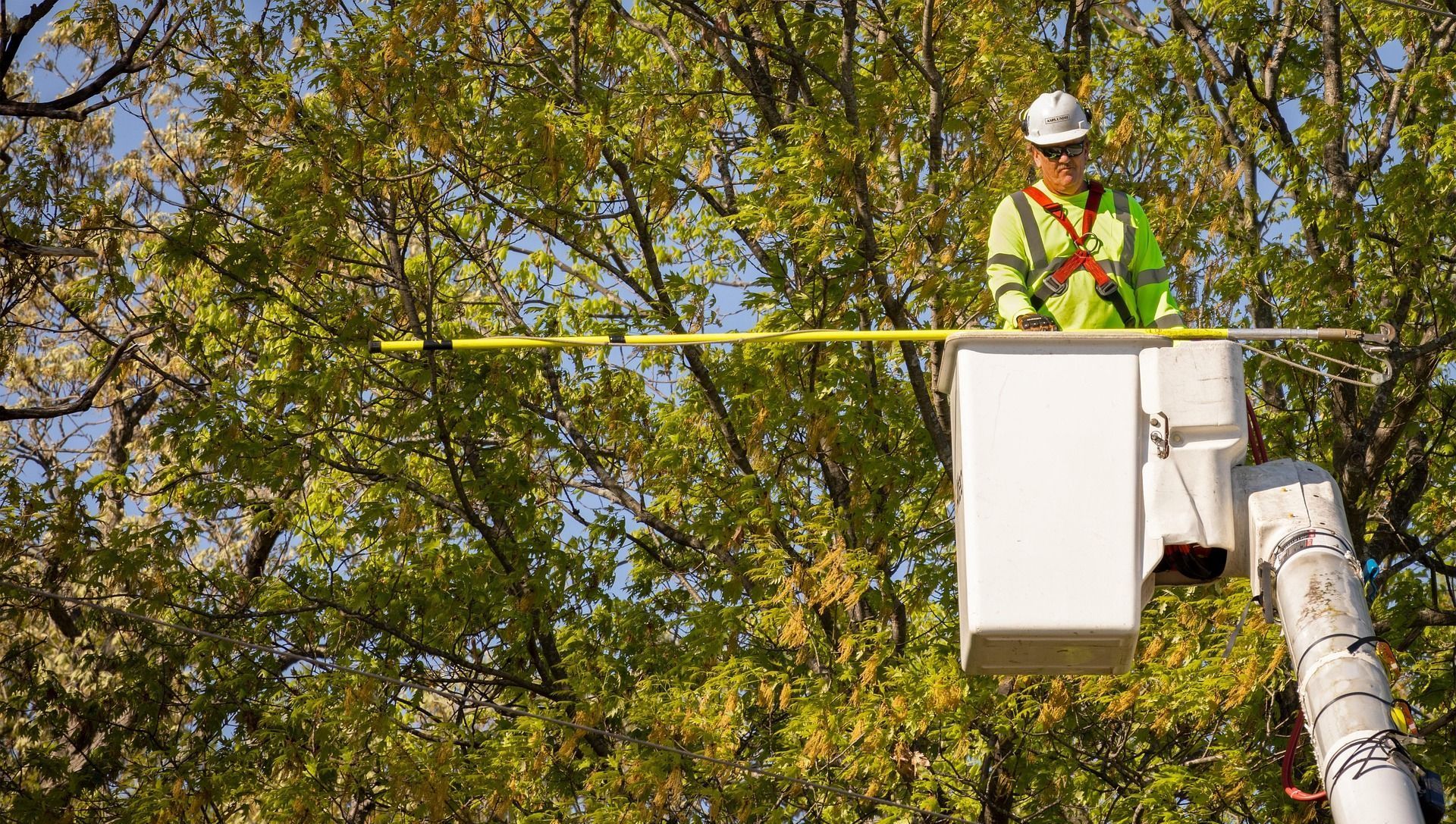
A man is sitting in a bucket truck measuring a tree.

The Meaning Behind the Certification

A certified arborist is a tree care professional who has earned credentials from a recognized authority, most commonly the International Society of Arboriculture (ISA). This is not a casual license or a weekend course — it requires documented experience, formal education, and the successful completion of a comprehensive exam covering a wide range of arboricultural knowledge.


To become certified through the ISA, arborists must demonstrate mastery in areas such as:

  • Tree biology and identification
  • Tree pruning and removal techniques
  • Soil and water management
  • Disease and pest diagnosis
  • Cabling, bracing, and risk assessment
  • Safe and proper use of tree care equipment


The certification must be renewed every few years, which requires continuing education. This means certified arborists are constantly staying up to date on new research, safety practices, and environmental standards in the tree care industry.
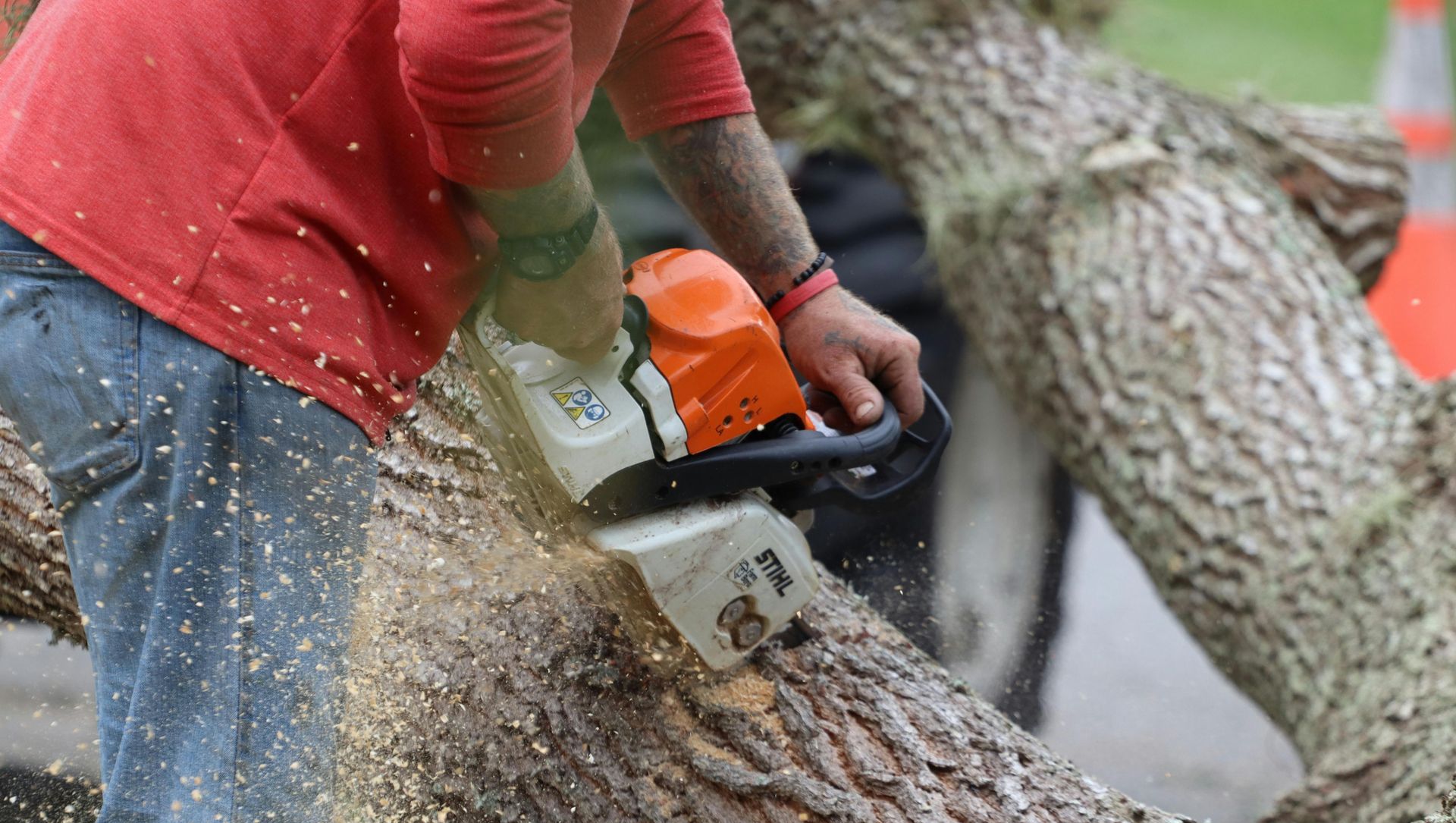
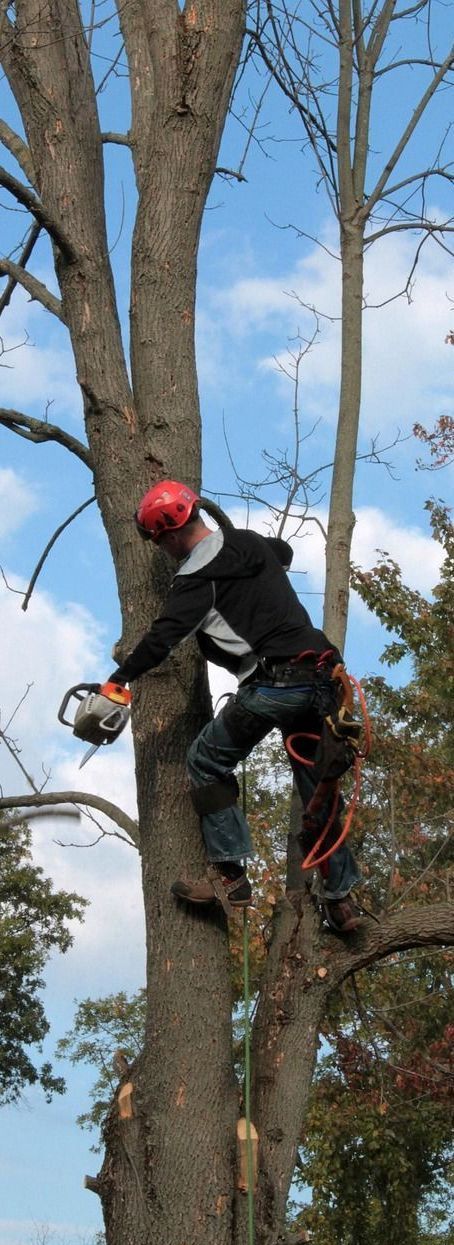
A man is cutting a tree branch with a chainsaw.

Why This Matters for Your Property

Hiring a certified arborist gives you more than just peace of mind — it ensures your trees are cared for with the health of the tree and the safety of your property in mind.


Here’s what certified arborists bring to the job:


1. Accurate Assessments

Whether you’re concerned about a dead limb or a tree leaning over your roof, certified arborists can make informed decisions based on science, not guesswork. They understand which trees can be saved, which are at risk, and what steps are appropriate.


2. Safe and Legal Practices

Tree removal and pruning can be dangerous, especially when working near structures or power lines. Certified arborists follow OSHA standards and local regulations, minimizing risk to people and property.
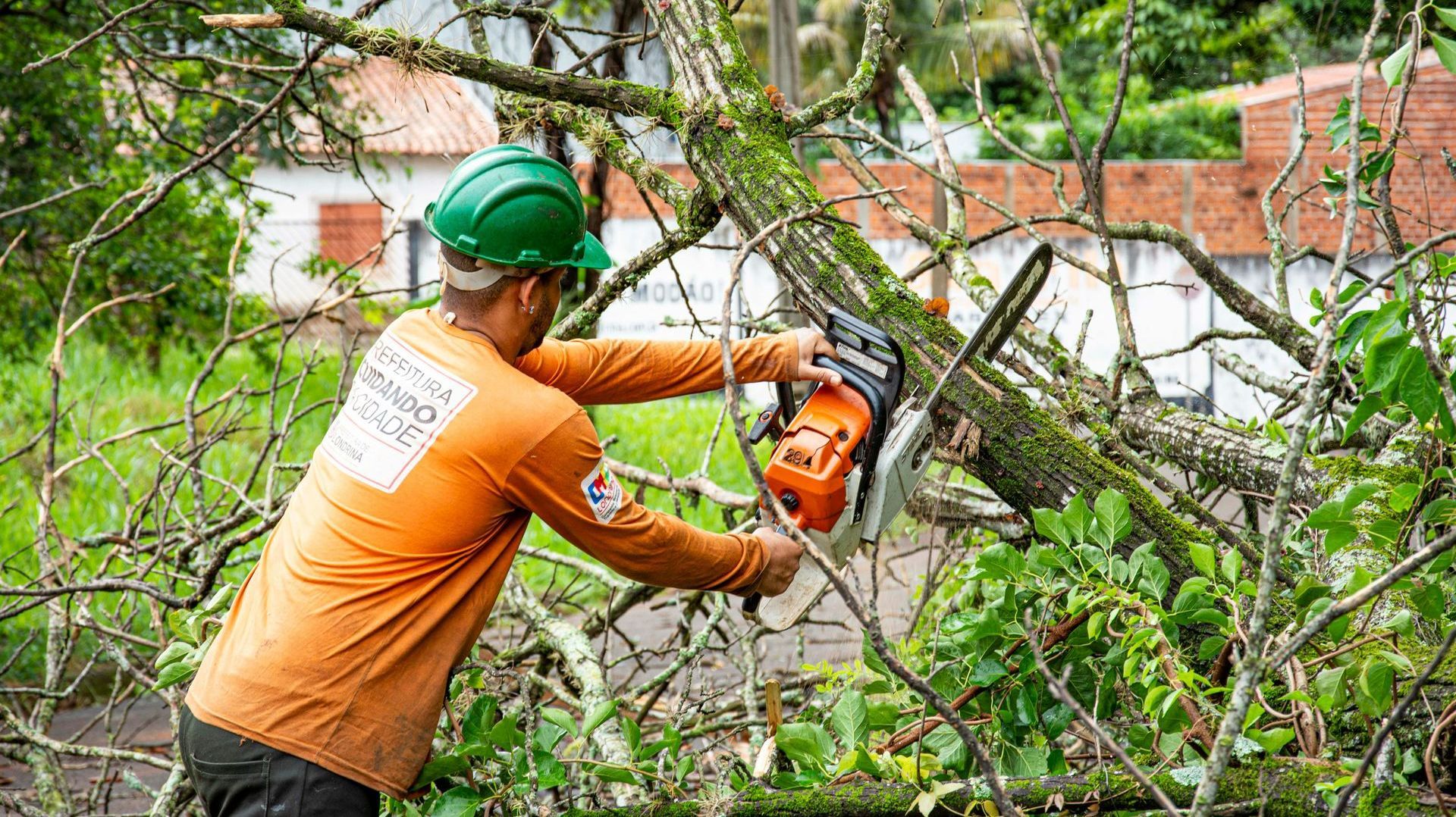
A man is cutting a tree with a chainsaw.

3. Long-Term Tree Health

Certified arborists don’t just remove trees — they know how to preserve them. From proper pruning to root zone protection and disease management, they help extend the life and vitality of your trees.


4. Professional Integrity

Certified arborists are bound by a Code of Ethics. This means they won’t push unnecessary removals or shortcuts just to close a job. Their goal is sustainable, responsible tree care based on your needs and the condition of the tree.


How to Verify Certification

If someone claims to be a certified arborist, you can verify their credentials through the ISA’s searchable database. At Midwest Tree Surgeons, we’re always happy to provide certification details up front — transparency and trust are part of how we do business.
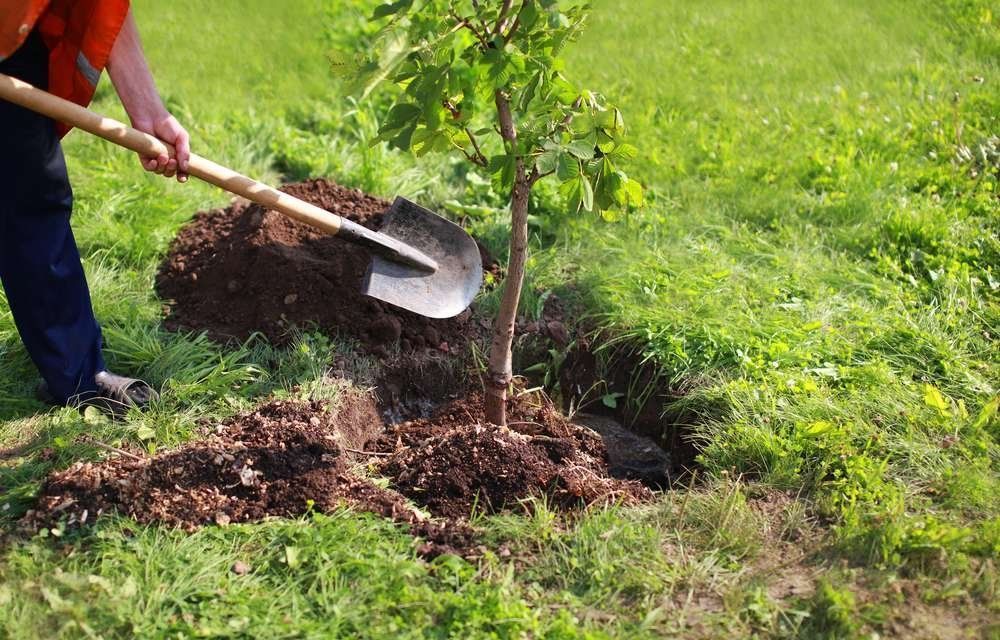
A person is planting a tree in the ground with a shovel.

Why We Prioritize Certification at Midwest Tree Surgeons

We’ve built our reputation on safe, professional, and ethical tree care. Our team includes certified arborists because we believe expertise matters — especially when the health of your trees and the safety of your property are on the line.


Whether you need a risk assessment, a strategic pruning plan, or advice on tree preservation, you deserve guidance from a professional who knows the science — not just someone who can operate a saw.

Need expert tree care from a certified team?


Contact Midwest Tree Surgeons today to schedule a consultation. We’ll evaluate your trees with the professionalism, safety, and knowledge your property deserves.
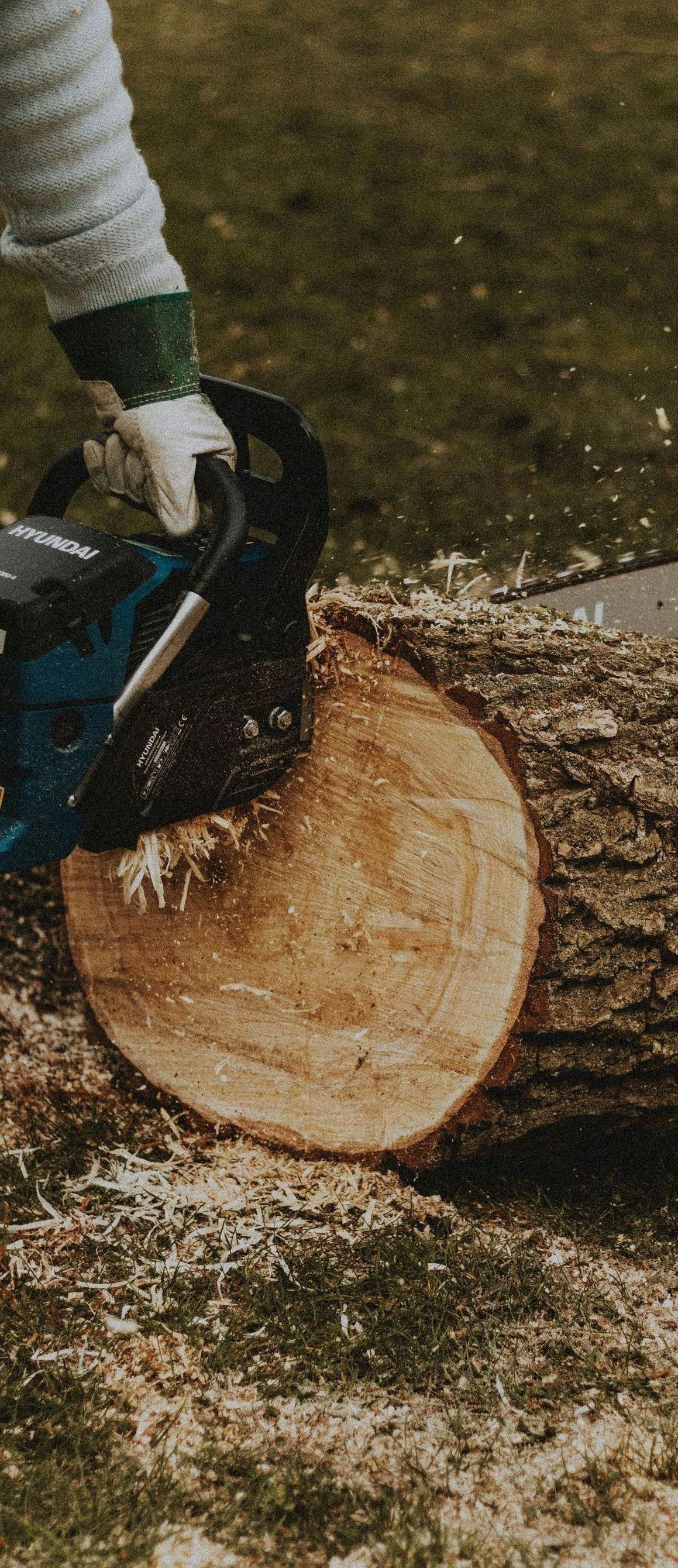
A chainsaw is cutting a piece of wood on the ground.
A man is climbing a tree with a chainsaw.
A person is cutting a log with a chainsaw.
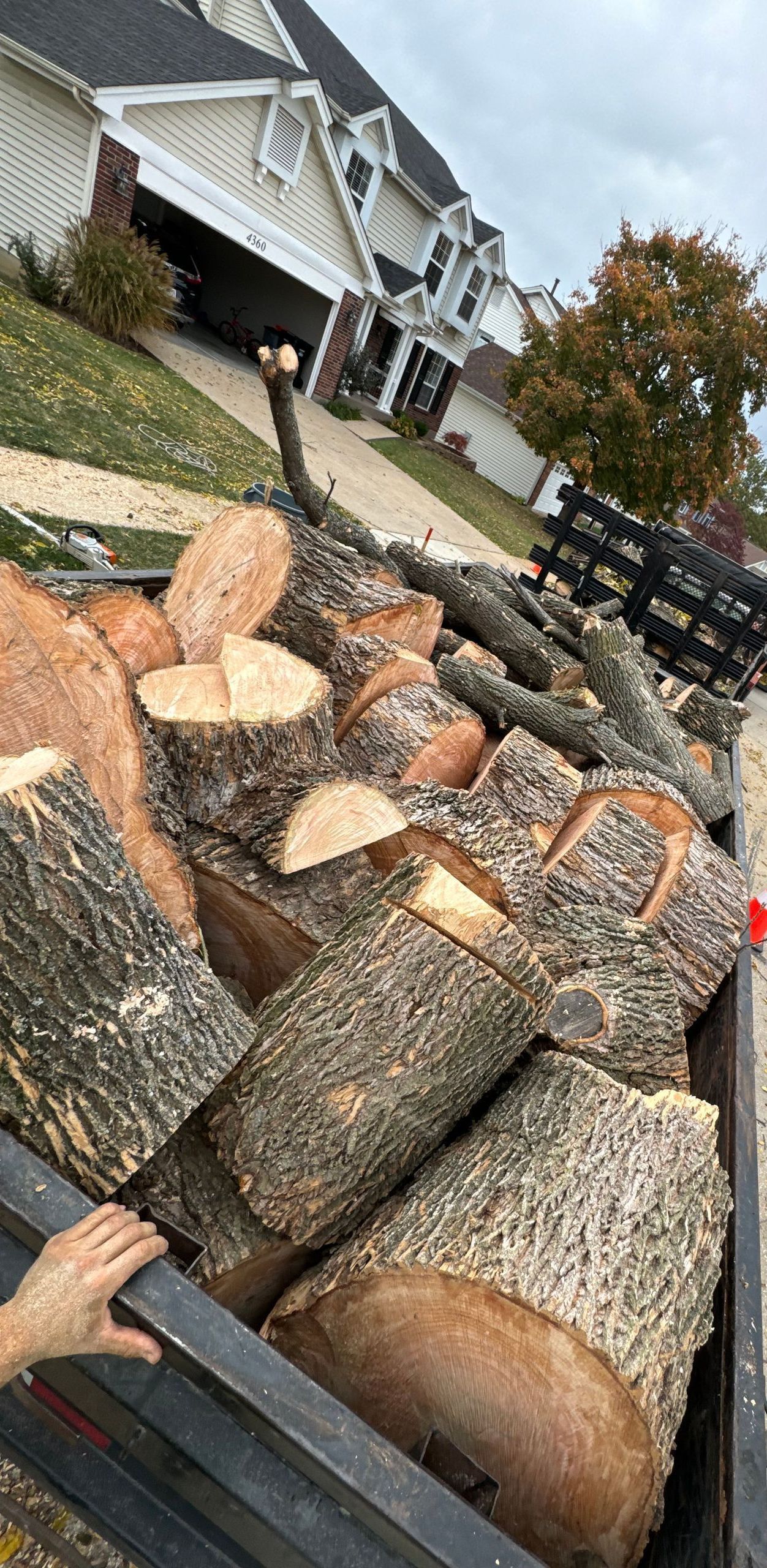
A truck filled with logs is parked on the side of the road.
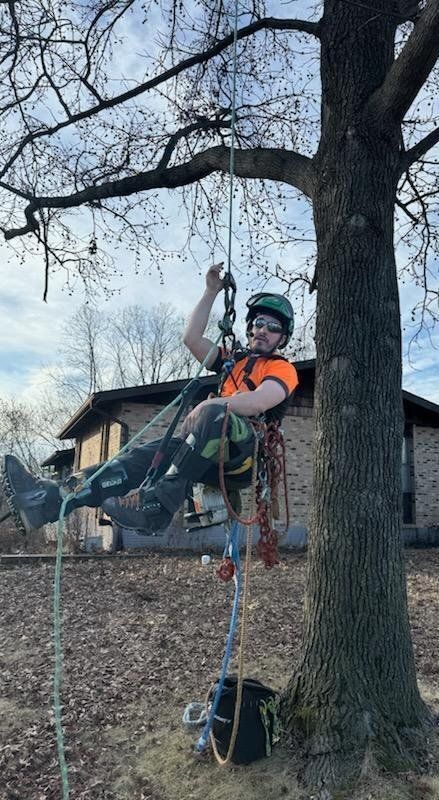
A man is climbing a tree with a rope.
February 4, 2026
Construction projects often focus on what is being built, but the impact on existing trees is frequently overlooked. Whether the work involves a home addition, driveway replacement, utility installation, or commercial development, construction activity can place significant stress on mature trees . Understanding how these projects affect trees helps property owners protect valuable landscape assets and avoid long term safety and health issues.
January 29, 2026
Major weather changes can place significant stress on trees, even when no obvious damage is visible. In the Midwest, trees regularly experience rapid shifts in temperature, heavy rain, high winds, ice, snow, and freeze-thaw cycles. While trees are resilient by nature, these conditions can weaken their structure and health over time.  Evaluating tree health after major weather events is an important step in protecting both the trees themselves and the surrounding property.
January 21, 2026
Trees add beauty, shade, and value to a property, but they also carry responsibility. When a tree fails and causes damage or injury, homeowners are often surprised to learn that liability can become a serious issue. Understanding how tree failure occurs and how responsibility is determined helps property owners take proactive steps to protect both people and property.
January 15, 2026
As winter fades and warmer temperatures return, spring becomes one of the most important seasons for proactive tree care. Trees begin a new growth cycle , pests become active, and issues that developed during winter storms or freezing conditions often start to reveal themselves. Planning ahead for spring tree care helps protect tree health, improve safety, and set the stage for strong growth throughout the year.
January 7, 2026
Deadwood accumulation is one of the most common and overlooked safety concerns in mature trees. While a tree may appear healthy at a glance, dead branches within the canopy can present serious risks to people and property below. At Midwest Tree Surgeons, we frequently encounter situations where deadwood has gone unnoticed until it causes damage or creates a dangerous condition. Understanding how deadwood develops and why it poses increasing hazards over time is essential for responsible property ownership.
December 30, 2025
The start of a new year is a natural time to think about safety, preparedness, and long term planning for your property. Many homeowners focus on interior projects or general maintenance goals, but one of the most important aspects of property safety is often overlooked. Tree care plays a critical role in protecting homes, vehicles, and the people who live there. At Midwest Tree Surgeons, we encourage property owners to make tree care part of their New Year planning.
December 26, 2025
The Christmas season is often associated with reflection, preparation, and planning for the year ahead. While many homeowners focus on indoor projects or holiday travel, winter is also an important time to think about the health and safety of trees on the property. At Midwest Tree Surgeons, we frequently see that proactive winter planning helps homeowners enter the new year with greater peace of mind and fewer unexpected tree related concerns.
December 16, 2025
In the Midwest, trees are exposed to some of the most challenging seasonal conditions in the country. One of the most significant stressors is the repeated freeze and thaw cycle that occurs from late fall through early spring. While trees are naturally adapted to cold weather, fluctuating temperatures can place considerable strain on their structure, root systems, and overall health. At Midwest Tree Surgeons, we regularly assess trees that have been impacted by these seasonal shifts and help property owners understand how freeze and thaw patterns affect long term tree stability.
December 9, 2025
Drought conditions place significant strain on trees, even in landscapes that typically receive adequate rainfall. When moisture becomes scarce, trees begin to redirect their energy toward survival rather than growth. This shift may create visible and invisible stress signals that, if ignored, can lead to long term decline or structural weakness. At Midwest Tree Surgeons, we help homeowners understand how drought affects tree health and what proactive steps can protect valued landscape trees before the damage becomes severe.
December 3, 2025
Trees provide shade, beauty, privacy, and environmental benefits, but they also require proper care to remain healthy and structurally safe. Many homeowners do not realize how complex tree care can be or how significantly improper techniques can affect long term tree health. When individuals attempt to handle tree work on their own or hire someone without professional training, the risk of property damage, personal injury, and irreversible harm to the tree increases considerably. Hiring certified tree professionals ensures that every aspect of tree care is handled with precision, safety, and long term health in mind.
More Posts