How Cabling and Bracing Protect Valuable Trees From Storm Damage

September 18, 2025

Trees are some of the most valuable assets on any property. They provide shade, beauty, and environmental benefits, and in many cases, they hold sentimental value for homeowners. However, storms in the Midwest can bring high winds, heavy rain, and ice that place enormous stress on trees. Even healthy trees can experience structural weaknesses that make them vulnerable. At Midwest Tree Surgeons, we offer cabling and bracing as specialized techniques to protect valuable trees from storm damage and extend their lifespans.


Understanding Structural Weakness in Trees

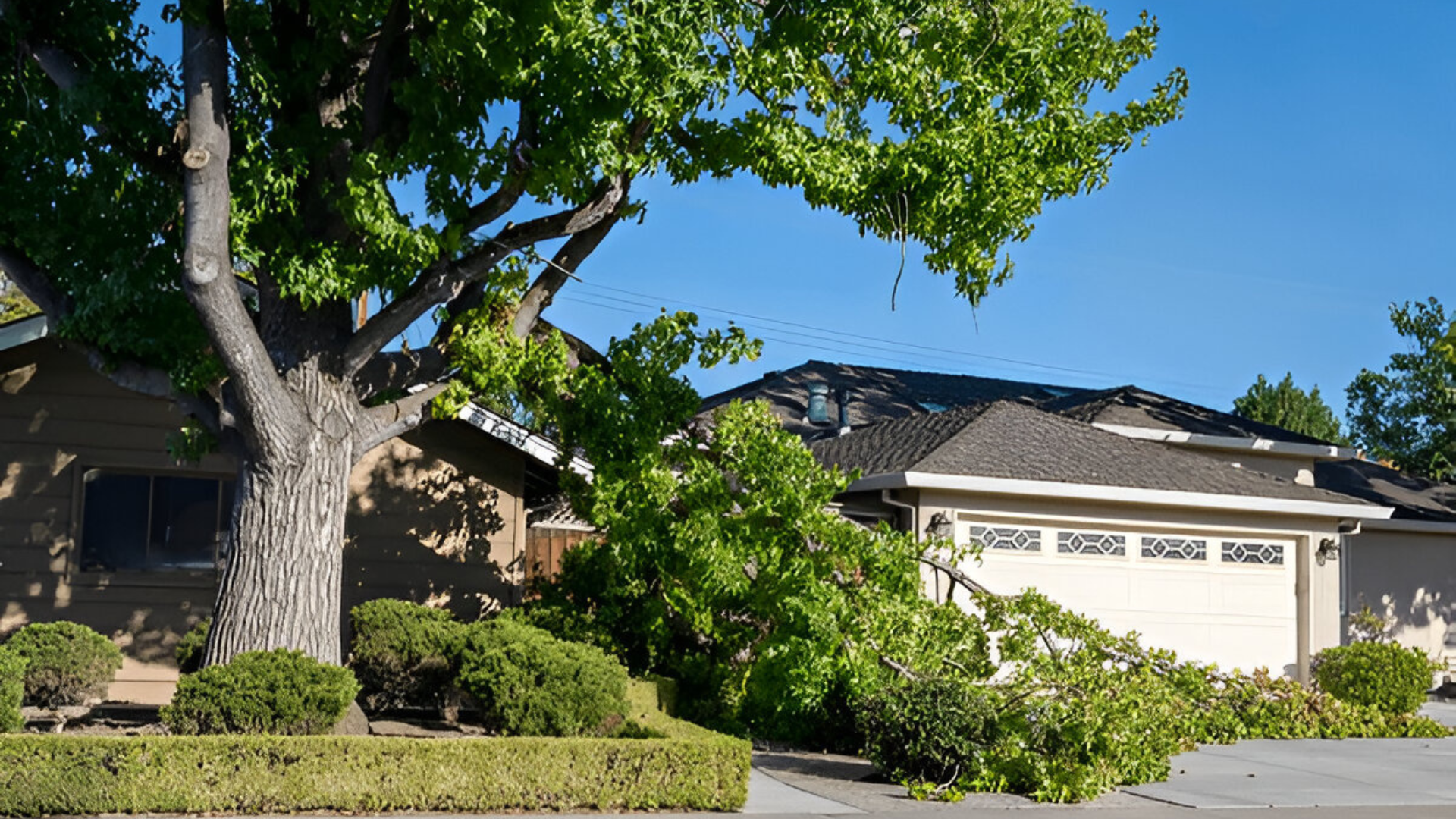
Not all trees grow with perfect structure. Some develop weak branch unions, where two large limbs diverge from a single point at a narrow angle. Others grow with uneven weight distribution or multiple trunks that compete for dominance. While these conditions may not cause immediate problems, they create vulnerabilities when storms strike. Strong winds and heavy snow can cause weakened branches to snap, splitting the tree and leaving behind irreparable damage.
What Is Cabling?

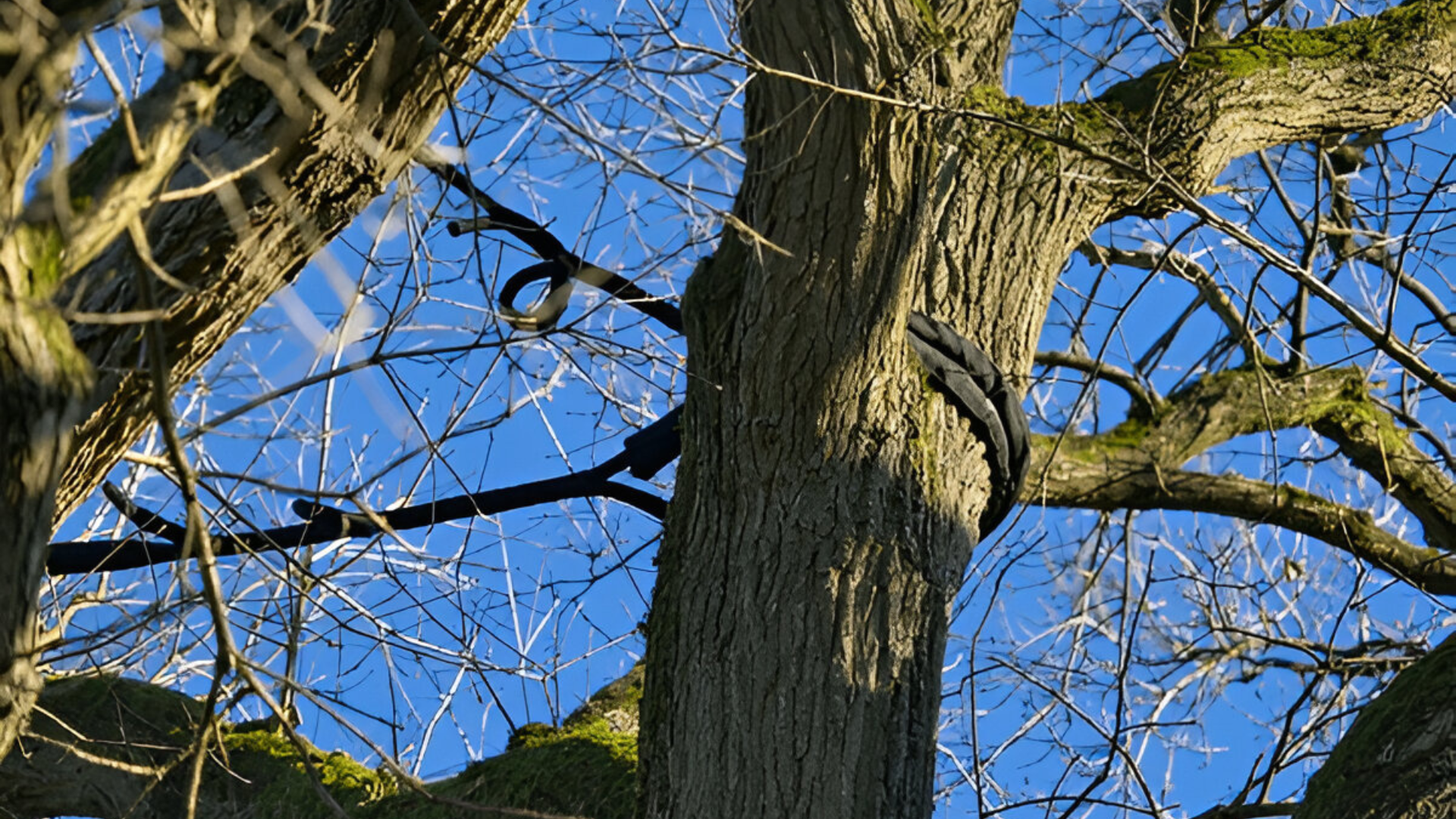
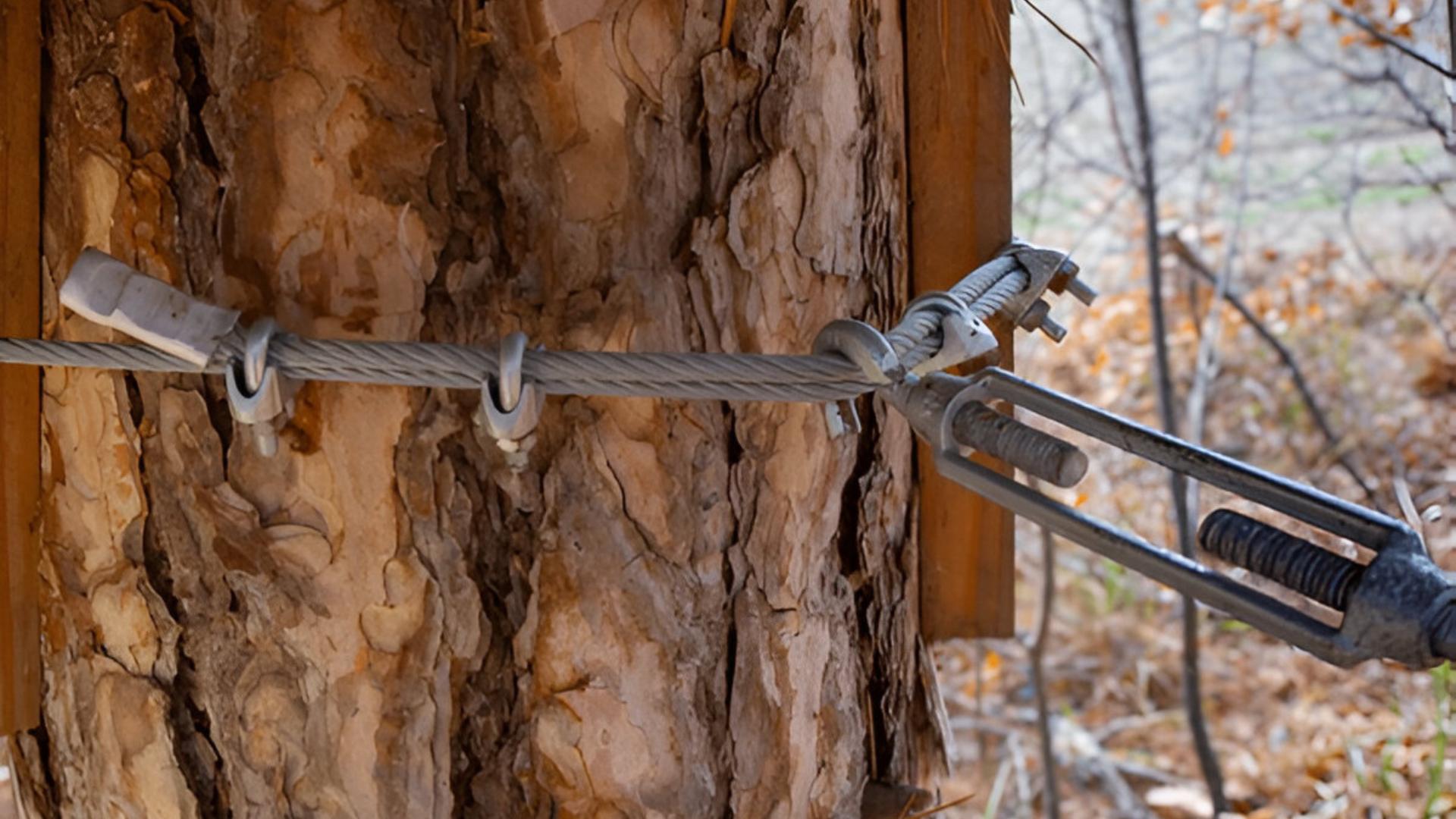
Cabling involves installing high-strength steel cables in the upper canopy of a tree to reduce stress on vulnerable branches. By connecting weaker limbs to stronger, more stable ones, the system redistributes weight and minimizes movement during storms. Cabling is especially effective for large, mature trees where natural structural weaknesses would otherwise place the tree at risk. Properly installed cables are discreet and do not detract from the tree’s natural beauty.


What Is Bracing?

Bracing uses threaded steel rods installed through weak branch unions or splitting trunks. These rods provide rigid support that reinforces areas of structural concern. Bracing is often combined with cabling for maximum protection, especially in trees that face multiple points of weakness. Together, these techniques provide stability that helps trees withstand strong winds and heavy snow loads.
Benefits of Cabling and Bracing

The primary benefit of cabling and bracing is the preservation of valuable trees that might otherwise need to be removed. These systems:

  • Reduce the risk of branch failure during storms.

  • Protect property and people from falling limbs.

  • Extend the life of mature trees by correcting structural weaknesses.

  • Maintain aesthetic value by keeping trees healthy and intact.

For homeowners who have invested in landscaping or wish to preserve historic or beloved trees, cabling and bracing provide peace of mind during storm season.
Professional Installation Is Essential

Cabling and bracing are not do-it-yourself projects. Installing these systems requires knowledge of tree biology, proper placement, and the correct tensioning of hardware. Improper installation can cause further damage to the tree or fail to provide the necessary support. At Midwest Tree Surgeons, our team has the training and equipment to assess structural issues and apply solutions that protect both the tree and the property around it.
When to Consider Cabling or Bracing

Signs that a tree may benefit from these techniques include:

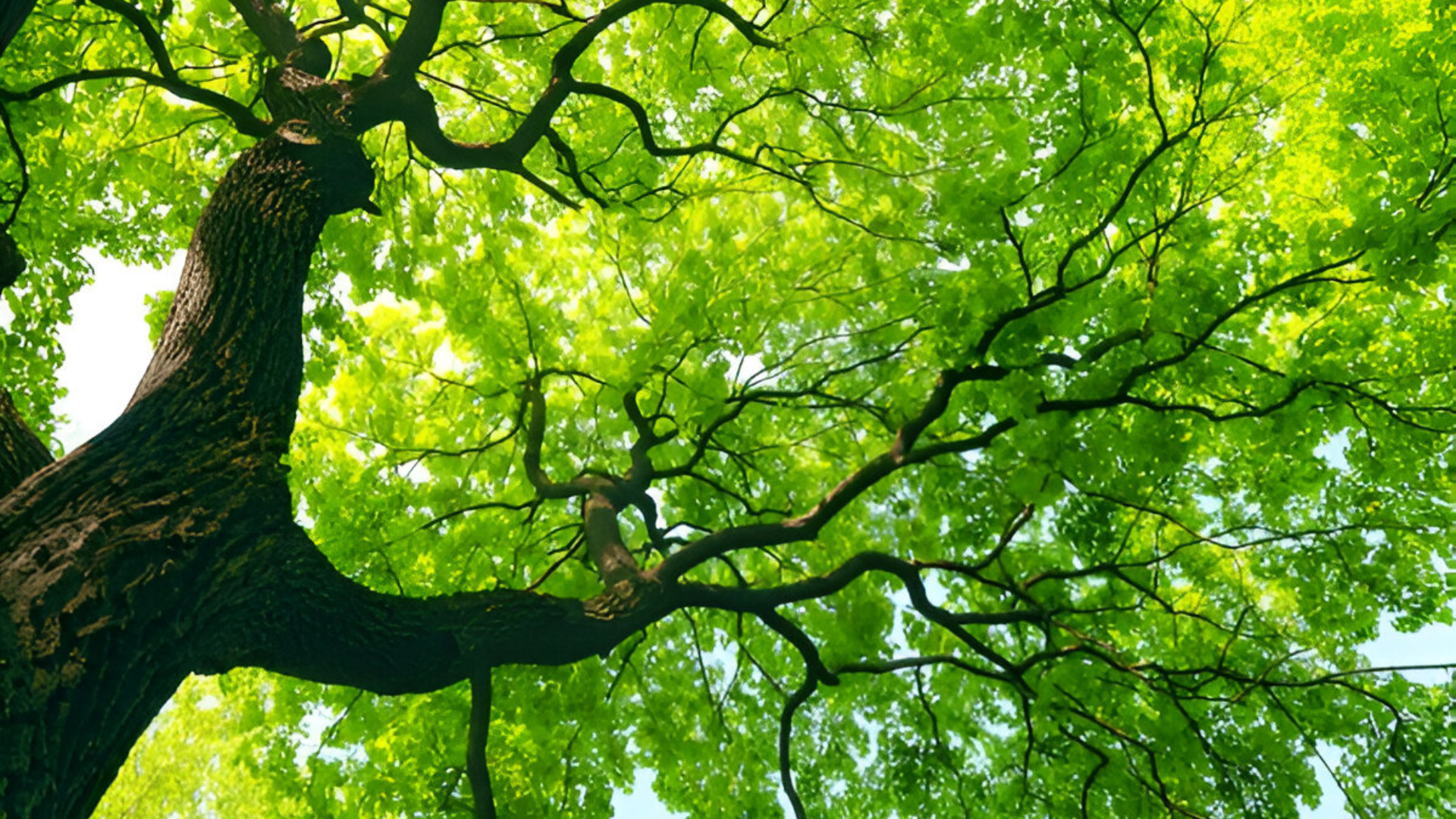
  • Large branches growing at narrow angles from the trunk.

  • Multiple trunks that appear to be pulling apart.

  • Previous storm damage that left cracks or weak points.

  • Heavy branches extending far from the trunk without counterbalance.

A professional inspection in advance of storm season can identify these risks and provide proactive solutions.
Final Thoughts

Storms are an unavoidable part of life in the Midwest, but losing a cherished tree does not have to be. Cabling and bracing offer effective ways to protect trees, reduce hazards, and preserve the beauty of your property. By reinforcing vulnerable structures, these techniques help trees stand strong against high winds, heavy rains, and winter ice.

At Midwest Tree Surgeons, we are committed to keeping trees safe, healthy, and resilient. If you have trees that show signs of structural weakness, our team can provide expert evaluation and install the support they need to thrive for years to come.
May 26, 2026
Summer is often associated with healthy green landscapes and active plant growth, but extended heat and dry conditions can place significant stress on trees. While mature trees may appear stable and resilient from the outside, prolonged summer heat can quietly affect their internal health, moisture balance, and long-term structural stability.  At Midwest Tree Surgeons, we help homeowners understand how environmental stress affects trees throughout the growing season and why summer inspections can be an important part of long-term tree care.
May 19, 2026
When people think about drought conditions, they usually picture dry grass, dusty soil, and immediate signs of heat stress. Trees, however, often respond differently. Unlike lawns or smaller plants, mature trees may continue looking relatively healthy during periods of dry weather, even while internal stress is developing beneath the surface.  One of the most challenging aspects of drought-related tree damage is that symptoms are frequently delayed. In many cases, trees begin showing visible decline months after the drought itself has passed. At Midwest Tree Surgeons, we regularly help homeowners identify delayed drought stress before it progresses into larger structural or health problems.
May 13, 2026
Trees are built to withstand changing seasons, but repeated environmental stress can gradually affect their health and stability. One of the most significant seasonal stressors in many regions is the freeze-thaw cycle. While it may seem like a normal part of winter weather, this constant fluctuation between freezing and thawing can place long-term strain on trees in ways that are not always immediately visible.  Understanding how freeze-thaw cycles affect trees helps explain why early summer is an ideal time for a professional tree inspection.
May 5, 2026
Trees are often perceived as resilient and self-sustaining, capable of withstanding years of environmental stress. While this is true to an extent, injuries to a tree can initiate internal processes that are not visible from the outside. Understanding what happens inside a tree after it is injured helps explain why some trees decline over time, even when they appear stable at first.  At Midwest Tree Surgeons, evaluating these hidden processes is an important part of maintaining long-term tree health and property safety.
April 28, 2026
Mature trees are often seen as stable, established features of a property. Their size and presence can create a sense of permanence, leading many homeowners to assume they are less likely to fail. In reality, mature trees can carry a unique set of risks that are not always visible at first glance.  Understanding these overlooked risk factors is essential for maintaining both tree health and property safety.
April 21, 2026
Tree decline rarely happens all at once. In most cases, it follows a gradual and largely hidden progression that unfolds over time. From the outside, a tree may appear stable, even healthy, while underlying changes begin to affect its structure and resilience. This is what makes tree decline difficult to recognize and, in many cases, easy to overlook.  Understanding this “invisible timeline” can help property owners identify early warning signs and take action before more serious issues develop.
April 14, 2026
When homeowners think about tree stability, the focus is often on what is visible above ground. Branch structure, trunk size, and overall appearance tend to receive the most attention. However, one of the most important factors affecting a tree’s stability is hidden below the surface.  Soil conditions play a central role in how well a tree is anchored, how it grows, and how it responds to environmental stress. Understanding this relationship can help property owners better assess risk and make more informed decisions about tree care.
April 8, 2026
Deadwood is often dismissed as a minor issue. It may appear as a few dry branches or small sections of a tree that no longer produce leaves. Because it does not always affect the entire tree, many homeowners overlook it. However, deadwood can present a significant safety risk, particularly in residential settings.  Understanding why deadwood forms, how it behaves, and how it progresses over time can help prevent avoidable property damage and injury.
April 1, 2026
Trees are often one of the most valuable features of a residential property . They provide shade, improve curb appeal, and contribute to the overall health of the environment. However, when multiple trees share the same space, they do not simply coexist without interaction. Trees compete with one another for essential resources such as water, sunlight, and nutrients. Over time, this competition can influence how trees grow, how healthy they remain, and how stable they become.  Understanding how trees compete for resources can help homeowners make better decisions about planting, spacing, and long-term tree care. With proper planning and maintenance, it is possible to create a landscape where trees thrive rather than struggle against one another.
March 25, 2026
Trees add beauty, shade, and value to a property, but there are situations where keeping a tree is no longer the safest or most practical choice. Many homeowners prefer to preserve trees whenever possible , and in many cases, proper care and maintenance can extend a tree’s lifespan. However, when a tree becomes structurally compromised, diseased, or poses a risk to people and property, removal may be the most responsible decision.  Understanding when tree removal is necessary can help prevent accidents, reduce property damage, and protect the overall health of a landscape.
More Posts